
 By
By If you’re new to Chinese cultivation novels, the terms Xianxia, Wuxia, and Xuanhuan can feel confusing. All three involve martial arts or cultivation, yet each delivers a completely different reading experience.
As someone who has been a fan of cultivation-inspired novels, I have been reading cultivation books and novels for the last decade, and I can show you exactly how they differ and which one might suit you best. so stay tuned for what comes next.
What Is Xianxia?
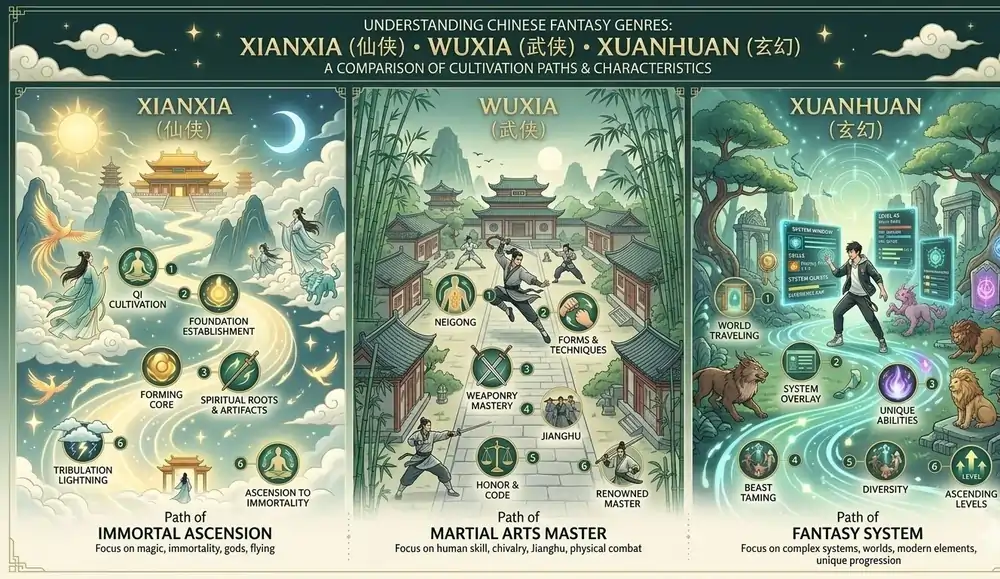
You might have heard the term Xianxia already, but you don’t know what this represents. It’s simple: actually, Xianxia is made up of two words: “Xian,” meaning Immortal, and “Xia,” referring to heroes (chivalrous heroes). Xianxia cultivation novels center on the pursuit of immortality through structured cultivation.
The protagonist absorbs qi, opens meridians, forms a golden core, births a nascent soul, and eventually challenges the heavens to ascend. Realm progression, heavenly tribulations, and dao comprehension form the backbone of the plot.
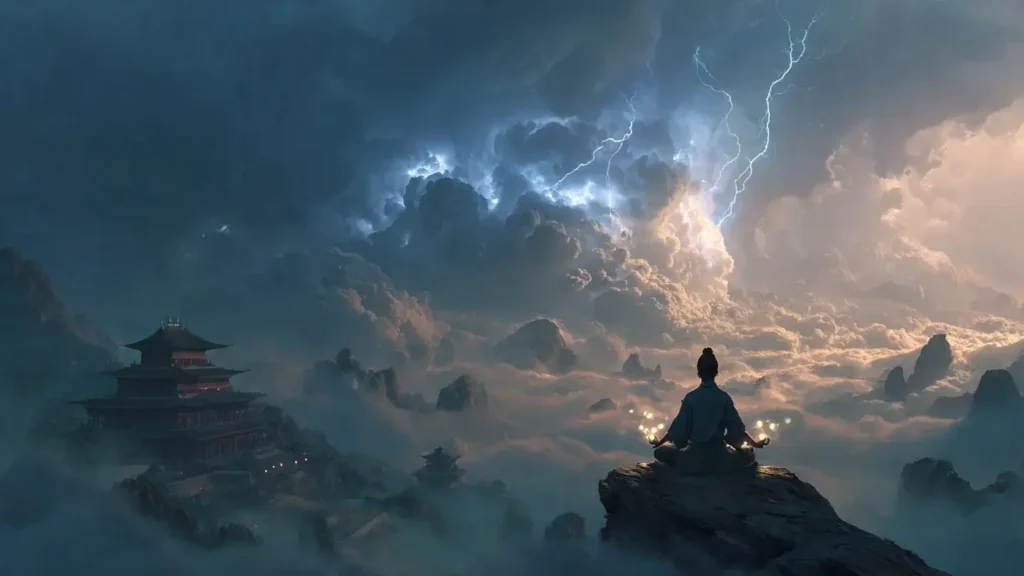
Power levels grow massive. Characters can shatter mountains, fly on swords, and live for thousands of years, and can even become Immortal and undying, existing eternally with heaven and earth. Sect politics, resource scarcity, ruthless competition, and philosophical themes around the Dao are common.
Most immortal cultivation novels are very long, often spanning 1,000–3,000+ chapters because advancement through each realm takes time and effort.
Typical elements:
- Systematic qi cultivation and numbered realms
- Heavenly Tribulation as a major plot device
- Focus on defying fate and becoming immortal
- Heavy emphasis on dao comprehension and bottlenecks
What Is Wuxia?
Wuxia stories focus on martial heroes in the Jianghu (martial world). The emphasis lies on martial arts mastery, internal energy (neili), honor, justice, revenge, and personal growth. Power remains mostly human or slightly superhuman – no one shatters planets or ascends to godhood.
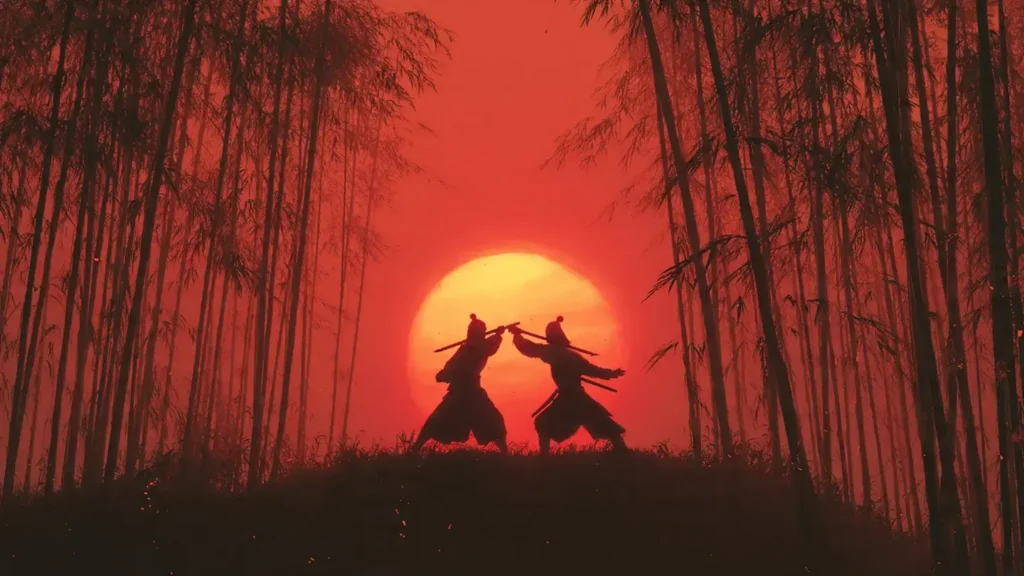
Conflicts revolve around sect rivalries, political intrigue, and moral choices. Heroes rely on superior technique, strategy, and chivalry rather than overwhelming immortal power. Stories tend to feel more grounded and dramatic, with shorter overall length compared to xianxia.
Wuxia is one of the most popular genres in Chinese series and cinema. There are many TV shows that follow the wuxia routine, for example, Who Rules the World.
Typical elements:
- Jianghu setting in historical or pseudo-historical China
- Emphasis on martial skill, weapons mastery, and inner energy
- Themes of justice, loyalty, and personal honor
- Less emphasis on immortality and more on human drama
What Is Xuanhuan?
Xuanhuan is the broadest and most flexible of the three. It often includes elements of cultivation but freely mixes them with original magic systems, game-like mechanics, bloodlines, Western fantasy tropes, or entirely new world rules. Many xuanhuan cultivation novels feel like xianxia with extra layers, status windows, unique classes, or hybrid power systems.
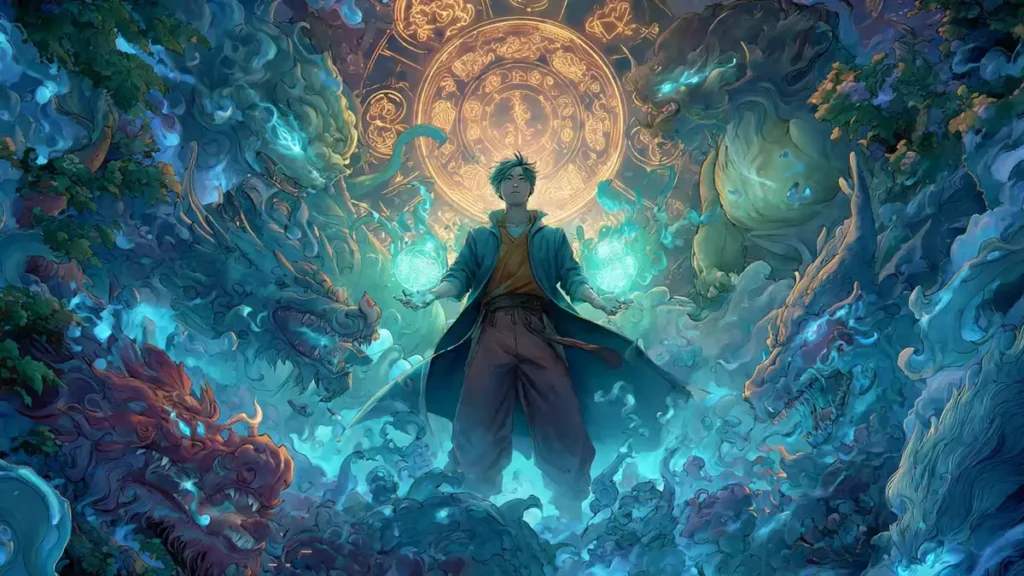
World-building is highly creative and less bound by traditional Chinese mythology. Power scaling varies wildly. Some xuanhuan novels stay close to cultivation while others lean heavily into epic fantasy or litRPG elements. Xuanhuan is becoming more and more popular as there are a lot of authors out there experimenting with different world settings in Xuanhuan, mixing traditional and modern elements.
Typical elements:
- Cultivation mixed with game systems or original magic
- Highly creative world-building and power systems
- Flexible tone – can be light-hearted, dark, or adventurous
- Often faster pacing than pure xianxia
Detailed Side-by-Side Comparison
| Aspect | Xianxia | Wuxia | Xuanhuan |
|---|---|---|---|
| Core Focus | Immortal cultivation & ascension | Martial arts & jianghu drama | Fantasy with cultivation elements |
| Power Scale | Extremely high (immortal level) | Human to superhuman | Varies widely (systems + magic) |
| Main System | Qi, realms, dao comprehension | Martial techniques and inner energy | Game systems, bloodlines, original rules |
| Setting | Ancient China + fantasy realms | Historical or pseudo-historical China | Original or mixed worlds |
| Length | Very long (1,000–3,000+ chapters) | Medium to long | Highly variable |
| Tone | Epic, philosophical, often ruthless | Heroic, justice-focused | Adventurous and creative |
| Typical Protagonist Goal | Become immortal and defy the heavens | Uphold justice or seek revenge | Gain power through unique systems |
Key Differences That Actually Matter to Readers
Power Progression Xianxia offers the clearest and most satisfying long-term progression fantasy. You watch the character climb defined realms over hundreds of chapters. Wuxia progression feels more skill-based and grounded. Xuanhuan can be fast or unpredictable depending on the system the author creates.
Themes and Tone Xianxia frequently explores philosophy, the Dao, and the price of power. Wuxia emphasizes moral codes, loyalty, and human relationships. Xuanhuan gives authors freedom to blend humor, darkness, or game-like fun.
Pacing Wuxia usually has tighter, more focused arcs. Xianxia is known for slow early progression that pays off later. Xuanhuan pacing varies the most – some feel like fast-paced xianxia, others like classic epic fantasy.
World-Building Xianxia world-building is deep but follows traditional rules. Wuxia stays closer to historical China. Xuanhuan allows the most creative freedom, often resulting in the most unique settings.
Which Genre Should You Read First?
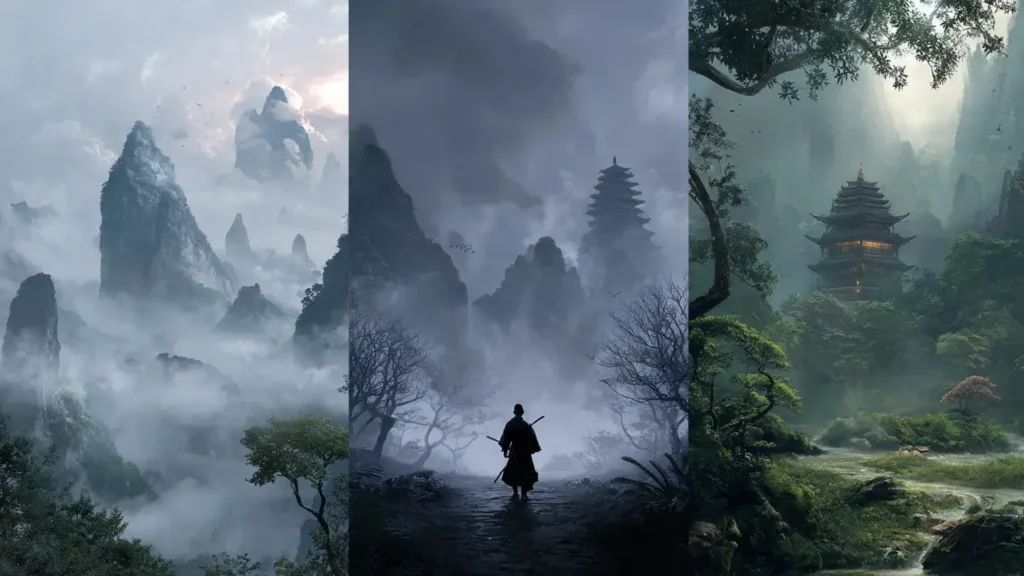
Start with Wuxia novels if you want grounded martial arts stories with strong characters and moral themes. Choose Xianxia novels if you crave long-term power progression, realm climbing, and epic scale. Pick Xuanhuan novels if you enjoy creative systems, game-like elements, or fresh world-building.
Many readers begin with wuxia or xuanhuan and later move into xianxia once they develop a taste for cultivation mechanics.
Common Misconceptions
- “All cultivation novels are xianxia” – Wuxia and xuanhuan have their own distinct identities.
- “Xianxia is always overpowered MCs with no consequences” – Many xianxia stories explore the heavy price of power and ruthless choices.
- “Xuanhuan is just lighter xianxia” – Some xuanhuan novels are darker and more complex than traditional xianxia.
Frequently Asked Questions
What is the main difference between xianxia and wuxia?
Xianxia centers on immortal cultivation, realm progression, and ascension to godhood. Wuxia focuses on martial arts mastery, chivalry, and human-level conflicts in the martial world.
Is xuanhuan the same as xianxia?
No. Xuanhuan is a broader fantasy genre that often mixes cultivation with game systems, original magic, or Western fantasy elements, while xianxia stays rooted in traditional immortal cultivation.
Which genre has the longest stories?
Xianxia cultivation novels are usually the longest, frequently exceeding 1,000–3,000 chapters due to slow, detailed realm progression.
Which genre is best for beginners?
Wuxia is the most accessible starting point because its power system feels grounded and its themes are easier to follow. Xianxia requires more patience with slow early arcs.
Can a novel belong to more than one genre?
Yes. Many modern stories blend elements. A novel with strong martial arts but also cultivation realms may feel like both wuxia and xianxia.
What makes xuanhuan different from the other two?
Xuanhuan offers the most creative freedom. Authors can add game-like systems, bloodlines, or completely original magic rules instead of following strict cultivation or martial arts conventions.
Which genre has the best world-building?
Xuanhuan often has the most creative and original world-building, while xianxia cultivation novels provide deep, consistent lore built around cultivation systems. Wuxia feels more historically grounded.
Should I read xianxia, wuxia, or xuanhuan first?
Start with wuxia if you prefer human drama and martial arts. Move to xianxia for classic cultivation progression or xuanhuan for creative systems and faster pacing.
Related Articles
- Best Xianxia Novels of 2026: From Hidden Gems to Legends
- 13 Best Cultivation Novels With No Harem [2026 Picks]
- 12 Best Cultivation Novels [Ranked by Genre Fans]
- 7 Female MC Cultivation Novels Where the Female MC Shines [2026]
- 9 Best Progression Fantasy Books 2026 [Ranked List]
- 13 Fantasy Genres Ranked: Which One Actually Suits You?