
 By
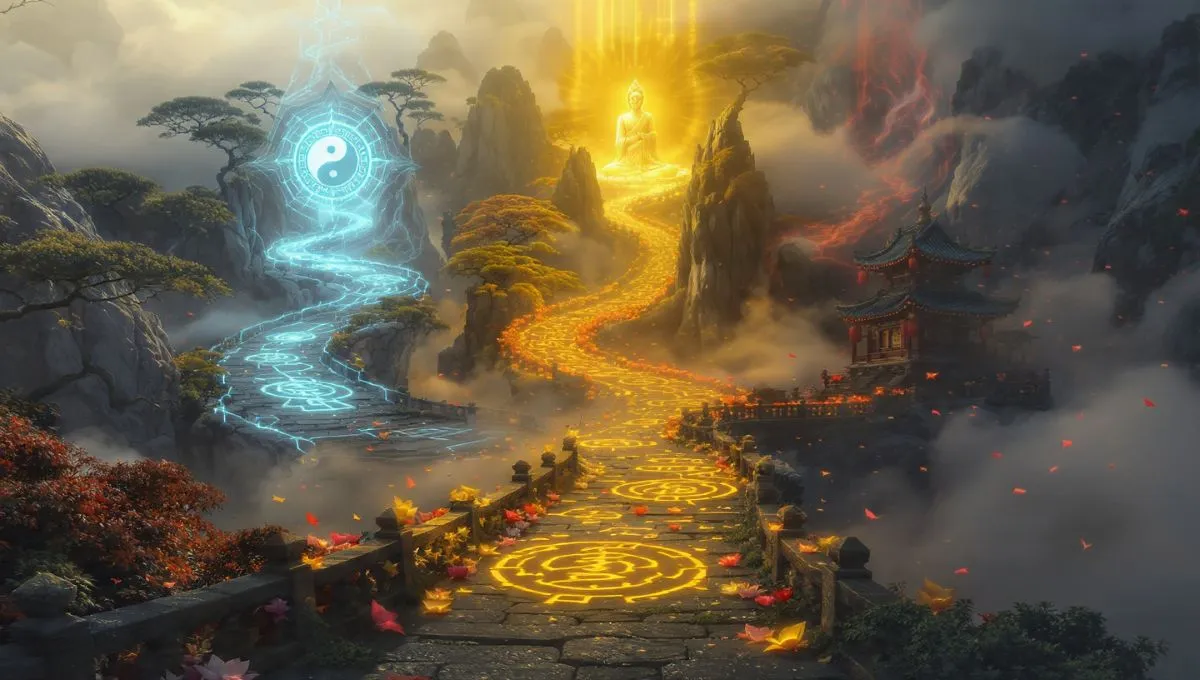
By Taoism vs Buddhism vs Confucianism are the hidden scaffolding that holds up nearly every immortal cultivation story. These three ancient philosophies don’t just provide background flavor. They decide how qi moves, why breakthroughs succeed or fail, how sects are structured, and what kind of price characters ultimately pay for power.
After reading more than 100 xianxia and xuanhuan novels over the past 10 years, I’ve seen the same philosophical patterns appear again and again across different authors and series. Understanding these three paths transforms how you read cultivation stories. Suddenly, the protagonist’s choices, the sect rules, the heart demons, and even the heavenly tribulations make much more sense.
One thing I should make clear is that this blog post is not a critique of any religion, beliefs, or way of living. To be honest, most of the cultivation novels don’t fully embody the core ideas of Taoism, Buddhism, and Confucianism. Most authors take them as an inspiration when writing modern xianxia and xuanhuan cultivation novels.
This guide breaks down each philosophy, shows how it shapes modern xianxia, and explains why the best stories usually draw from all three at once. I will explain between Taoism vs Buddhism vs Confucianism, which philosophy influences modern xianxia.
Why These Three Philosophies Matter in Cultivation Novels
Cultivation is never just about getting stronger. Every major system, conflict, and character arc in xianxia is rooted in one or more of these traditions.
- Taoism supplies the mechanical foundation: qi refinement, realm progression, and the idea of aligning with or defying natural laws.
- Buddhism introduces the psychological and moral consequences: karma, heart demons, and the inner work required to advance.
- Confucianism builds the social world: sect hierarchies, loyalty, righteousness, and the tension between personal ambition and duty to the group.
When you recognize these influences, you stop seeing cultivation novels as simple power-level checklists. You start understanding the deeper tensions driving the plot and the characters. A ruthless protagonist following a Taoist path will clash with Confucian values of loyalty. A character influenced by Buddhist ideas may hesitate at the exact moment a pure Taoist cultivator would strike.
This philosophical layer is what gives many xianxia stories their lasting appeal. It turns what could be repetitive progression into meaningful journeys about human nature, ambition, and the cost of transcendence.
Taoism – The Foundation of Immortal Cultivation
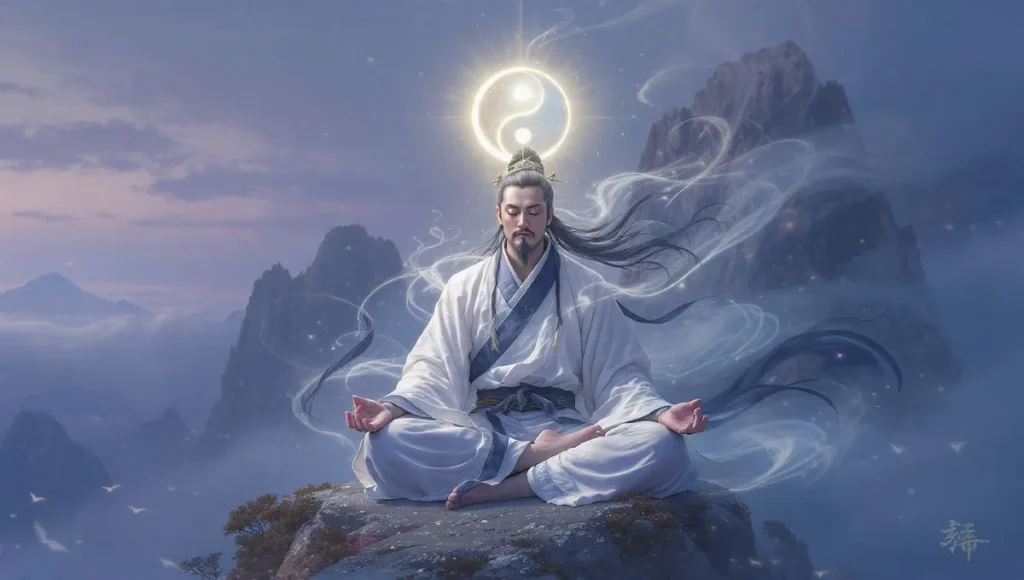
Taoism, aka Daoism, is the single most dominant influence in modern xianxia. The word “Dao” itself comes from Taoist philosophy, and the classic cultivation system most readers know is built almost entirely on Taoist ideas. There are almost no cultivation novels that do not mention Taoism. You could say there would be no modern Xianxia without Taoism.
Core Taoist Concepts That Appear in Novels
- The Dao: The backbone of the modern xianxia novels. Cultivators seek to understand it, align with it, or sometimes defy it entirely.
- Qi: The vital energy present in all things. Cultivation is the process of sensing, absorbing, refining, and accumulating qi.
- Wu Wei (Non-Action): Acting in harmony with nature rather than forcing results through brute effort. Many protagonists learn this lesson during major bottlenecks.
- Yin and Yang: The balance of opposing forces. Imbalance often leads to qi deviation or failed breakthroughs.
- Harmony with Heaven and Earth: True power comes from understanding and working with natural laws instead of fighting against them.
In practice, Taoist influence appears as the familiar realm system: Qi Condensation, Foundation Establishment, Core Formation (Golden Core), Nascent Soul, and higher stages. Heavenly Tribulation is also deeply Taoist. The idea that the heavens will test those who dare to rise above their destined station.
How Taoism Shapes Character Arcs
Taoist cultivation often rewards patience, insight, and the ability to let go of unnecessary attachments. Many characters start with a strong desire for revenge or power, then gradually learn to flow with the Dao. This creates satisfying long-term character development.
Strengths of the Taoist Path in Stories
Taoism gives authors a clear, progressive power structure that readers love to follow. It allows for dramatic “defying the heavens” moments and deep philosophical reflections about balance, change, and acceptance. The system feels logical and earned, which makes breakthroughs feel rewarding.
Limitations
Pure Taoist paths can sometimes feel cold or amoral. Characters may become increasingly detached from human emotions as they pursue the Dao, which creates interesting internal conflict but can make them harder to emotionally connect with.
Buddhism – The Path of Karma and Inner Demons
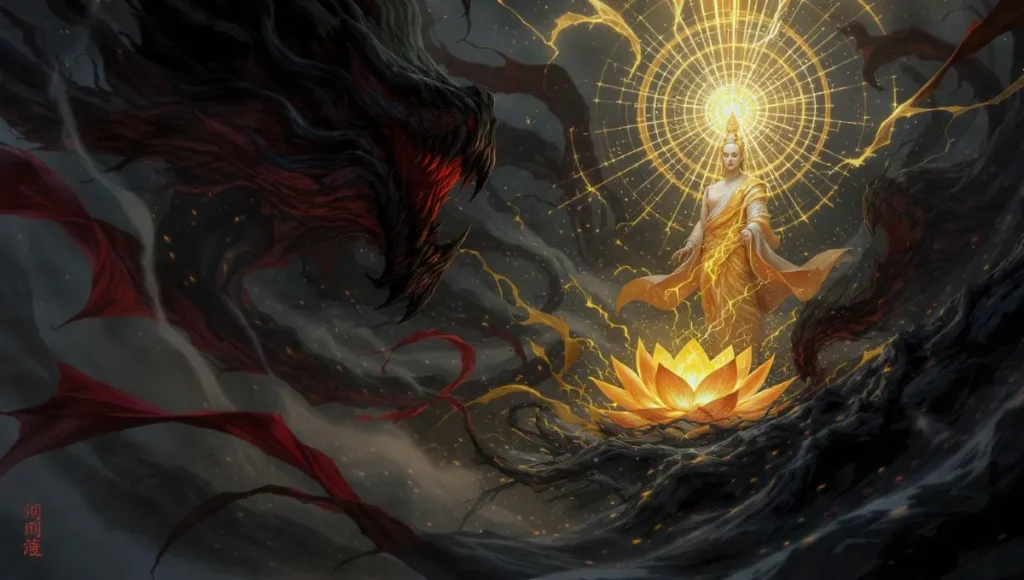
While Taoism focuses on external qi and natural laws, Buddhism turns the lens inward toward the mind, suffering, and moral consequences. in many cultivation novels I have read, Dao of Reincarnation and Dao of Karma are considered supreme daos.
Key Buddhist Concepts in Xianxia
- Karma: Every action creates consequences that can follow a cultivator across lifetimes.
- Heart Demons: Internal mental obstacles born from guilt, desire, fear, or unresolved trauma. These often appear during major tribulations.
- Reincarnation and Rebirth: Many stories use past lives or reincarnation as major plot devices or sources of power.
- Enlightenment: The ultimate goal of transcending desire and the cycle of suffering.
- Compassion and Detachment: Some characters follow Buddhist-inspired paths that emphasize mercy or non-attachment to material power.
Buddhist influence is especially visible in tribulation arcs where the cultivator must face their own inner demons. It also appears in characters who choose the path of compassion or who seek to break the cycle of violence and reincarnation.
How Buddhism Adds Depth
Buddhism prevents cultivation stories from becoming purely mechanical. It forces characters to confront their own flaws, desires, and past actions. A protagonist who ignores karma or suppresses emotions will eventually face heart demons that threaten their entire cultivation base.
Strengths of the Buddhist Path in Novels
Buddhism adds emotional and psychological depth that pure power progression often lacks. It turns cultivation into a journey of self-mastery and makes the stakes feel personal and meaningful.
Limitations
Buddhist paths can feel slower or more restrictive. Characters who strictly follow Buddhist principles sometimes struggle in the cutthroat environment of typical cultivation worlds.
Confucianism – The Path of Virtue, Hierarchy, and Social Harmony
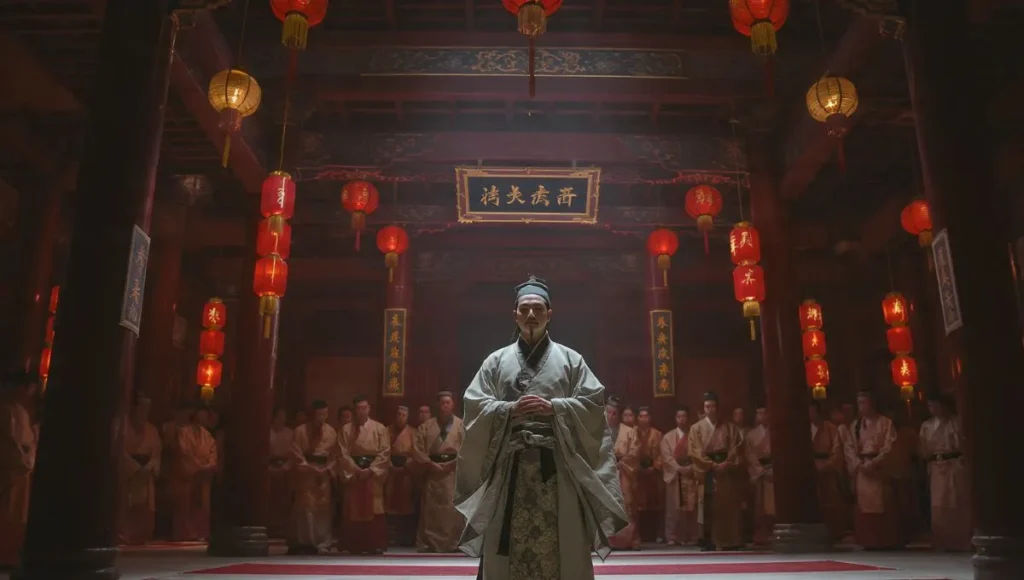
Confucianism shapes the social and moral framework of most cultivation stories, how sects function, how disciples relate to elders, and what “righteousness” actually means in a world of ruthless competition.
Core Confucian Concepts in Xianxia
- Ren (Benevolence): Kindness and humaneness toward others.
- Li (Ritual and Proper Conduct): Rules, hierarchy, and respect for tradition within sects.
- Filial Piety: Loyalty to family, master, and sect above personal desires.
- Rectification of Names: Everyone must fulfill their proper role in society or the sect.
- Moral Cultivation: Self-improvement through virtue and ethical behavior rather than just accumulating qi.
In novels, Confucianism appears in detailed sect rules, master-disciple relationships, tournaments governed by honor codes, and characters who value justice and loyalty even when it costs them personally.
How Confucianism Creates Conflict
Confucian values often clash with the harsh reality of cultivation. A disciple may be torn between loyalty to their master and the need to pursue personal power. Sect politics become more believable and dramatic when characters must balance moral duty with survival.
Strengths of the Confucian Path in Novels
Confucianism creates rich political intrigue and believable social structures. It makes sects feel like real organizations with traditions and consequences, adding layers of drama beyond simple fighting.
Limitations
Strict Confucian characters can sometimes come across as rigid or hypocritical when the story demands ruthless action for survival. Their moral codes often create interesting tension with the more pragmatic Taoist or Buddhist paths.
Direct Comparison: Taoism vs Buddhism vs Confucianism
| Philosophy | Core Focus | View on Power | Common Novel Tropes | Typical Protagonist Trait |
|---|---|---|---|---|
| Taoism | Natural laws and harmony | Defy or align with heaven | Realm progression, heavenly tribulation | Independent, philosophical |
| Buddhism | Mind, karma, and detachment | Transcend desire and suffering | Heart demons, reincarnation arcs | Reflective, compassionate |
| Confucianism | Virtue, hierarchy, and society | Earn power through moral conduct | Sect politics, loyalty conflicts | Dutiful, justice-oriented |
These three paths rarely exist in pure form. The strongest modern xianxia novels blend them, creating natural tension and richer character development.
How Modern Xianxia Blends the Three Paths

Contemporary authors rarely stick to one philosophy. A protagonist might follow a Taoist cultivation system while facing Buddhist-style heart demons and living within a Confucian sect hierarchy. A good author does not choose between Taoism vs Buddhism vs Confucianism. The author knows the best approach is to blend them together.
This blending creates compelling conflict. A ruthless Taoist cultivator may clash with Confucian values of loyalty. A Buddhist-influenced character might struggle with the cutthroat nature of sect politics. These tensions drive character growth and make stories more memorable.
Some of the most successful recent novels use all three paths in harmony, giving readers both satisfying progression and meaningful emotional arcs. A good example of these types of novels is The God Emperor. where the author beautifully blends all three paths.
Which Path Has the Greatest Influence on Modern Xianxia?
Thanks for reading up to this point. I am sure you have guessed it, Taoism remains the dominant influence. Most cultivation mechanics, qi ranks, realm progression, and heavenly tribulations come directly from Taoist ideas. However, Buddhism and Confucianism provide essential counterbalances, like heart and moral cultivation, that prevent stories from becoming purely mechanical power fantasies.
Buddhism adds emotional depth and psychological stakes. Confucianism gives the world believable social structures and moral complexity. The best stories use all three in balance.
Frequently Asked Questions
What is the main difference between Taoism VS Buddhism in xianxia?
Taoism focuses on harmonizing with or defying natural laws through qi cultivation and realm progression. Buddhism emphasizes karma, mental cultivation, and overcoming inner demons to transcend suffering.
How does Confucianism appear in modern cultivation stories?
Confucianism shapes sect hierarchy, rules of conduct, master-disciple loyalty, and concepts of justice and righteousness. It creates the social framework that governs most cultivation worlds.
Can a single novel mix all three philosophies?
Yes. Many popular xianxia stories combine Taoist cultivation systems with Buddhist heart demons and Confucian sect politics, creating deeper characters and more complex conflicts.
Which philosophy leads to the strongest cultivation path?
No single path is universally strongest. Taoist paths usually offer the fastest raw power growth, while Buddhist and Confucian paths provide better long-term stability and moral foundation.
Why do most xianxia protagonists follow the Taoist path?
Taoism provides a clear, progressive system with measurable realms and dramatic breakthroughs that readers enjoy. It also supports the classic “defying the heavens” theme central to the genre.
What are heart demons and which philosophy do they come from?
Heart demons are internal mental obstacles created by unresolved emotions or guilt. They come primarily from Buddhist concepts of karma and the need to purify the mind.
Does Confucianism make characters weaker or stronger?
Confucianism can slow early progress due to moral restrictions, but it often leads to stronger alliances, heavenly favor, and long-term stability in higher realms.
Which philosophy is easiest for new readers to understand?
Taoism is usually the easiest starting point because it provides the clearest power system and progression structure in most xianxia stories.