
 By
By Quick Takeaways:
- Fantasy has more than just 13 recognizable subgenres, each with distinct conventions, reader promises, and narrative priorities, but covering it in just one article will be very hard for me, so let’s start step by step.
- Knowing which fantasy genre suits you eliminates the frustration of picking up a book that’s fantasy but not the kind of fantasy you wanted
- The ranking moves from broadest appeal to most specific, not from best to worst. Every genre on this list has excellent books and devoted readers
- Reader profiles are specific rather than generic. “You’ll like this if you love magic and adventure” describes every genre. The profiles here go deeper.
- Understanding genre conventions also helps you identify when a book is doing something interesting with or against its genre’s expectations
Disclosure: As an Amazon Associate, I earn from qualifying purchases. This means I may receive a small commission if you buy through links on this site, at no extra cost to you. I appreciate your support
Fantasy is one of the most expansive categories in fiction, which is part of why “I like fantasy” tells you almost nothing useful about what a reader actually wants. Someone who loves Joe Abercrombie’s grimly realistic battlefield politics and someone who loves Terry Pratchett’s comic philosophical satire both like fantasy. They do not necessarily want to read each other’s books.
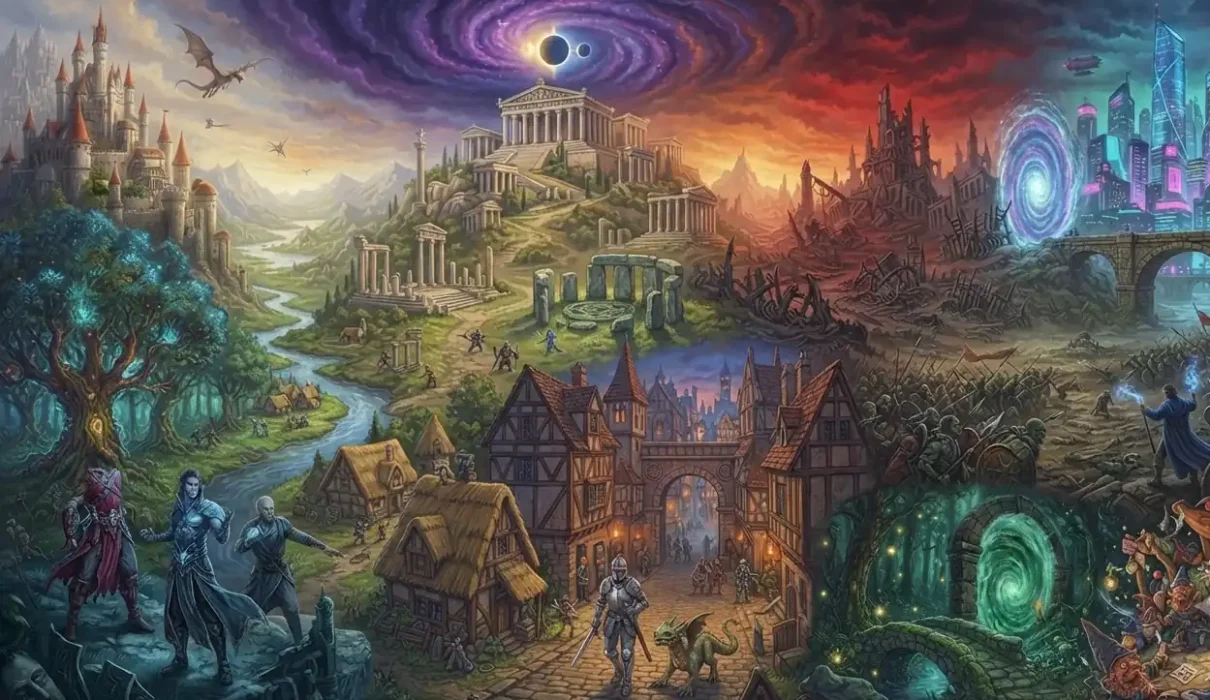
As someone who has been a mythology nerd and who loves fantasy. I spent the most of my days reading across the range of the genre, which has led me think that the most useful thing you can know about fantasy isn’t whether you like it. It’s which kind? Here are the thirteen main subgenres, what distinguishes each one, and who should be reading them.
How to Use This Ranking
The ranking moves from broadest reader appeal at number one to most specific at number thirteen. This doesn’t mean the top genres are better. It means they have wider entry points. Genres at the bottom of the list aren’t niche because they’re lesser. They’re specific because their pleasures are particular, and readers who want exactly what they offer tend to be devoted to them.
Read each profile. The “You’ll Love This If” section is the most important part. Find the profile that describes how you actually read rather than how you think you should read.
1. Epic Fantasy (High Fantasy)
What It Is
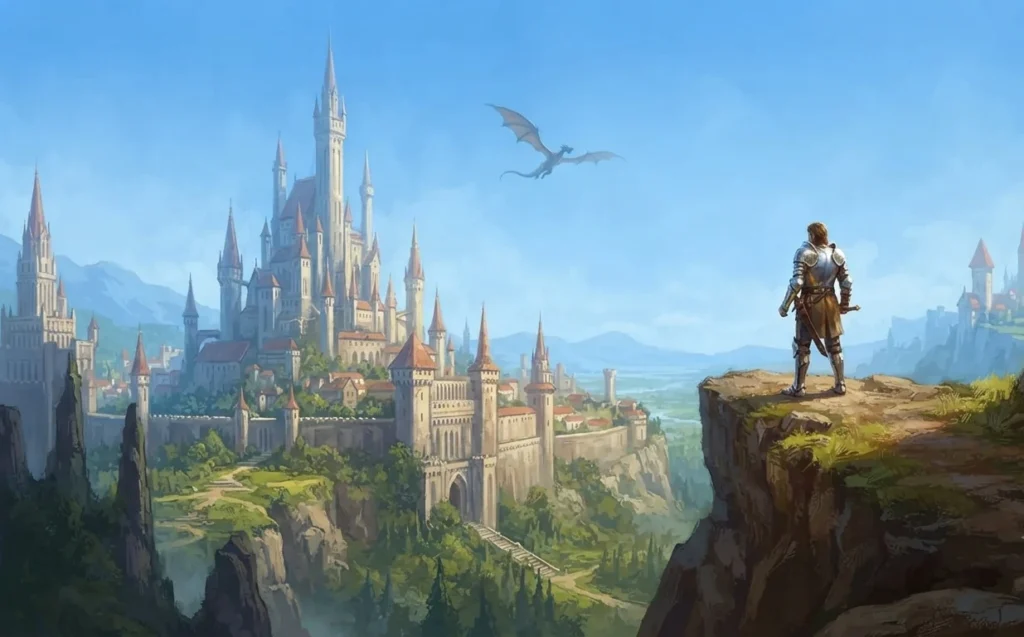
Epic fantasy is the genre’s broadest and most established category. Secondary worlds with their own histories, geographies, cultures, and magic systems. Quests, chosen figures, world-threatening conflicts, and the kind of scale that lets you disappear into a fully realized world for several thousand pages.
Tolkien defined the template. The genre has been reworking it, refining it, and occasionally subverting it ever since.
Defining characteristics:
- Fully realized secondary world distinct from our own
- High stakes that affect the world rather than just the protagonist
- Multiple viewpoint characters across large casts
- Magic systems with their own internal logic
- Significant attention to world history and geography
Best High Fantasy Books on Amazon:
You’ll Love This If: You want to live in another world for an extended period. You find detailed maps and appendices exciting rather than intimidating. You’re willing to invest in long series because the accumulated depth is the payoff.
You’ll Struggle If: You want plot to move faster than world-building allows. Character interiority matters more to you than world-building. You don’t enjoy keeping track of large casts.
2. Dark Fantasy and Grimdark
What It Is
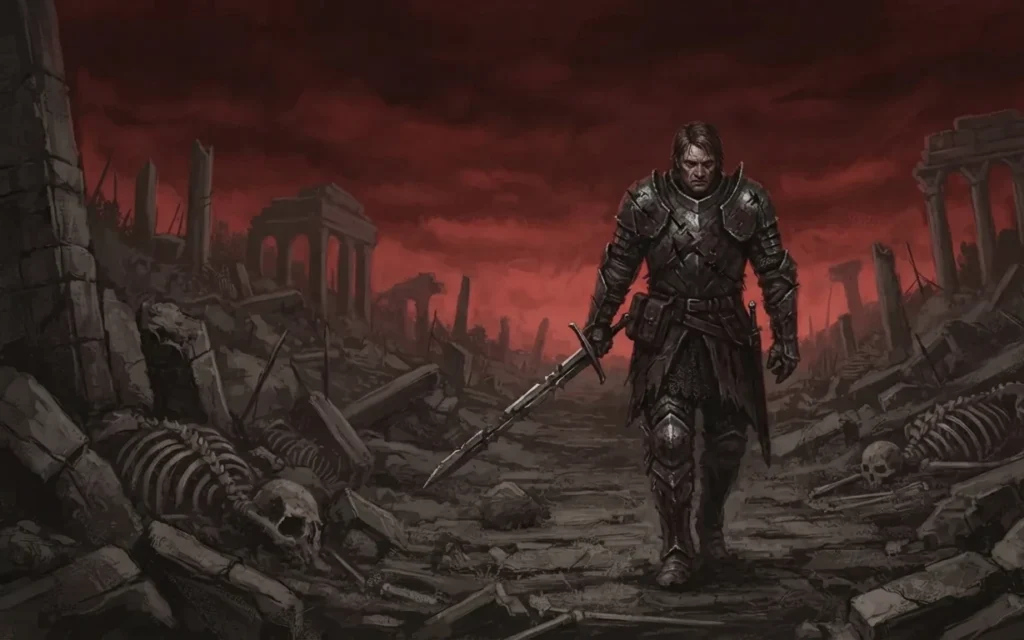
Dark fantasy takes the epic fantasy toolkit and refuses the moral clarity. Grimdark specifically strips away heroic idealism: protagonists are morally compromised, victories are pyrrhic, and the world doesn’t reward goodness in any reliable way.
The distinction between dark fantasy and grimdark is roughly one of degree. Dark fantasy has dark themes and morally complex characters. Grimdark commits more completely to the refusal of heroic narrative satisfaction.
Read: Grimdark vs Dark Fantasy: Are They One & The Same
Defining characteristics:
- Moral ambiguity throughout rather than a clean good versus evil structure
- Consequences of violence depicted seriously rather than romanticized
- Protagonists whose virtue is compromised or genuinely questionable
- World-building that emphasizes political and social realism over idealization
- Endings that don’t provide conventional catharsis
Best Dark Fantasy Books on Amazon:
- The First Law Trilogy (Abercrombie)
- Malazan Book of the Fallen (Erikson)
- The Prince of Nothing (Bakker)
You’ll Love This If: Heroic fantasy feels naive or dishonest to you. You find morally complicated protagonists more interesting than virtuous ones. You want fiction that takes the cost of violence seriously rather than making it exciting.
You’ll Struggle If: You read fantasy to feel hopeful or inspired. Bleak endings genuinely put you off. You want characters you can comfortably root for.
3. Historical Fantasy
What It Is
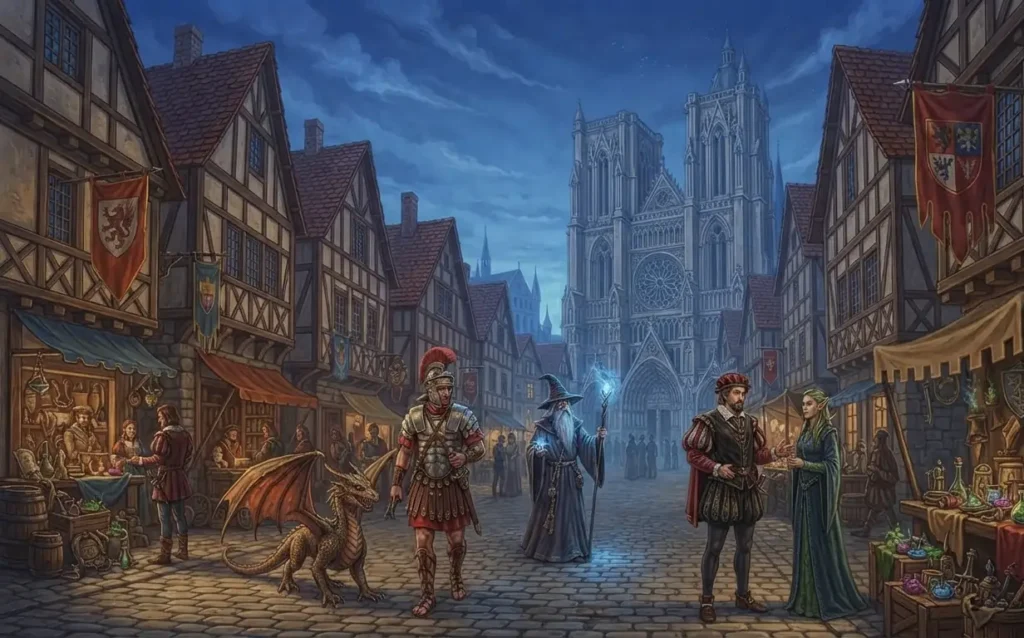
Historical fantasy sets its story in a real historical period and adds fantastic elements to that documented context. The fantasy is layered over history rather than replacing it with a secondary world.
The best historical fantasy uses the research to make the impossible feel more real. When magic appears in a world that’s otherwise historically accurate, the specificity of the setting lends the magic an unlikely credibility.
Defining characteristics:
- Real historical period, location, and documented events as the setting
- Fantastic elements that interact with historical reality
- Research depth that grounds the story even as it extends it
- Historical figures sometimes appear alongside invented characters
- The fantastic elements typically illuminate something real about the historical period
Best Historical Fantasy Books on Amazon:
- Jonathan Strange and Mr Norrell (Clarke)
- The Pillars of the Earth (Follett, which borders the genre),
- The Name of the Rose (Eco, adjacent)
You’ll Love This If: You love history as much as fantasy and want both at once. You find that knowing the historical context makes fictional events feel more consequential. You enjoy research and historical detail.
You’ll Struggle If: Historical accuracy matters so much to you that the fantastic elements feel like violations rather than extensions. You prefer secondary worlds where the author has more freedom.
4. Mythic Fantasy
What It Is
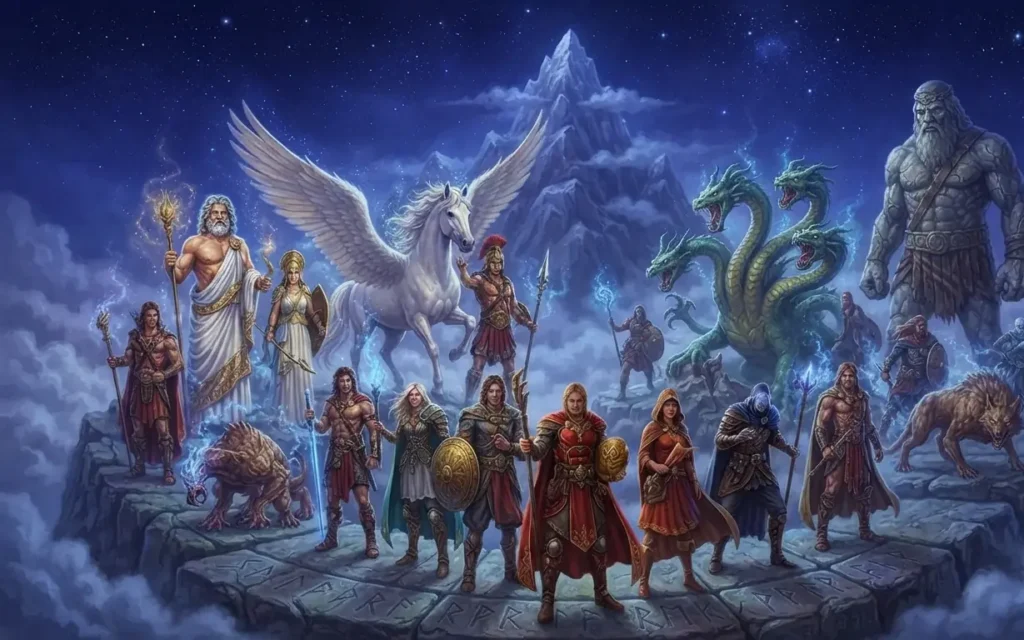
Mythic fantasy draws directly from the mythology and folklore traditions of specific cultures, either retelling classical myths or building new stories from their materials. The gods are real, the ancient stories are true, and the world operates on mythological logic rather than invented magic system logic.
This is the genre I’ve spent the most time in outside cultivation fiction, and it’s consistently undervalued relative to its quality ceiling.
Defining characteristics:
- Specific mythological traditions as the source material or setting
- Gods and mythological beings who are active presences rather than backstory
- Stories that engage seriously with the philosophical and religious dimensions of the mythological source
- A relationship between the mythological world and the mortal world that drives narrative
- Often concerned with fate, divine will, and the tension between human agency and cosmic order
Best Mythic Fantasy Books on Amazon:
You’ll Love This If: You have genuine interest in mythology and want fiction that engages with it seriously. You like stories where the impossible has deep cultural roots rather than invented mechanics. You appreciate when fantasy does the work of understanding the tradition it’s drawing from.
You’ll Struggle If: You need invented novelty rather than reworked existing stories. The religious or philosophical dimensions of mythology feel like obligation rather than interest.
5. Portal Fantasy
What It Is
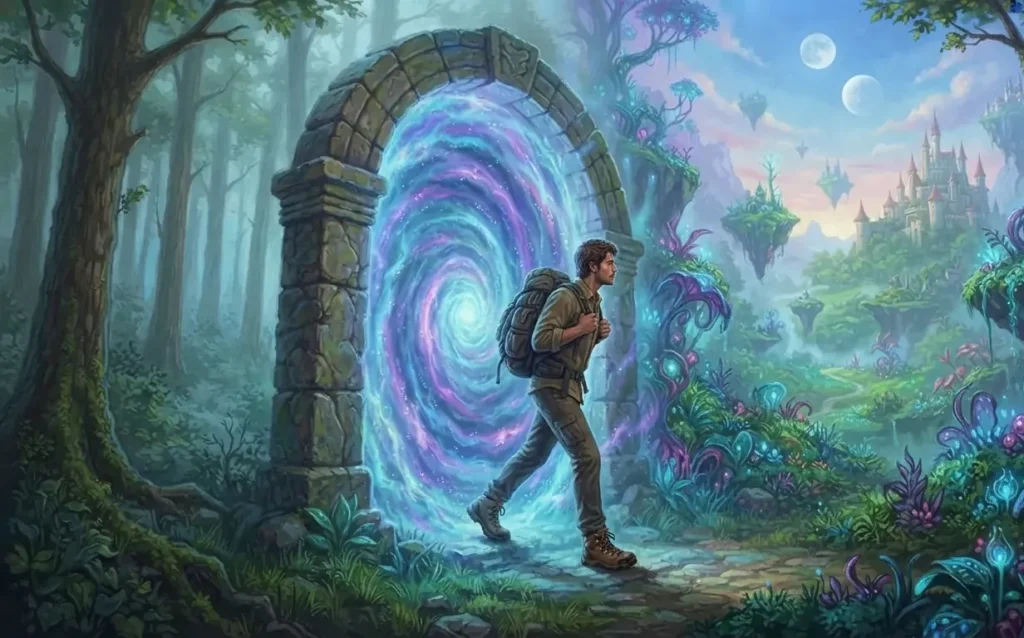
Portal fantasy sends a character from our world into a secondary world, typically through a specific mechanism (a wardrobe, a rabbit hole, a dream, a mysterious object). The protagonist’s outsider perspective becomes the reader’s way into the secondary world.
The portal is both a literal device and a narrative strategy: the character who doesn’t know the rules of the new world asks the questions that help readers understand it without the explanation feeling forced.
Defining characteristics:
- Protagonist from our world enters a secondary world through a specific mechanism
- The protagonist’s ignorance of the secondary world drives world-building exposition naturally
- Return to the original world is often either impossible or the central tension
- The contrast between our world’s logic and the secondary world’s logic is often thematically important
- The protagonist’s growth in the secondary world typically reflects what they needed to learn rather than what the secondary world needs
Best Portal Fantasy Books on Amazon:
You’ll Love This If: You want a protagonist who shares your initial unfamiliarity with the fantasy world. Discovery is your favorite part of fantasy reading. You like the thematic resonance of the real world and the secondary world reflecting each other.
You’ll Struggle If: You find the fish-out-of-water dynamic condescending or repetitive. You prefer protagonists who are native to their world and don’t need things explained to them (or you).
6. Urban Fantasy
What It Is
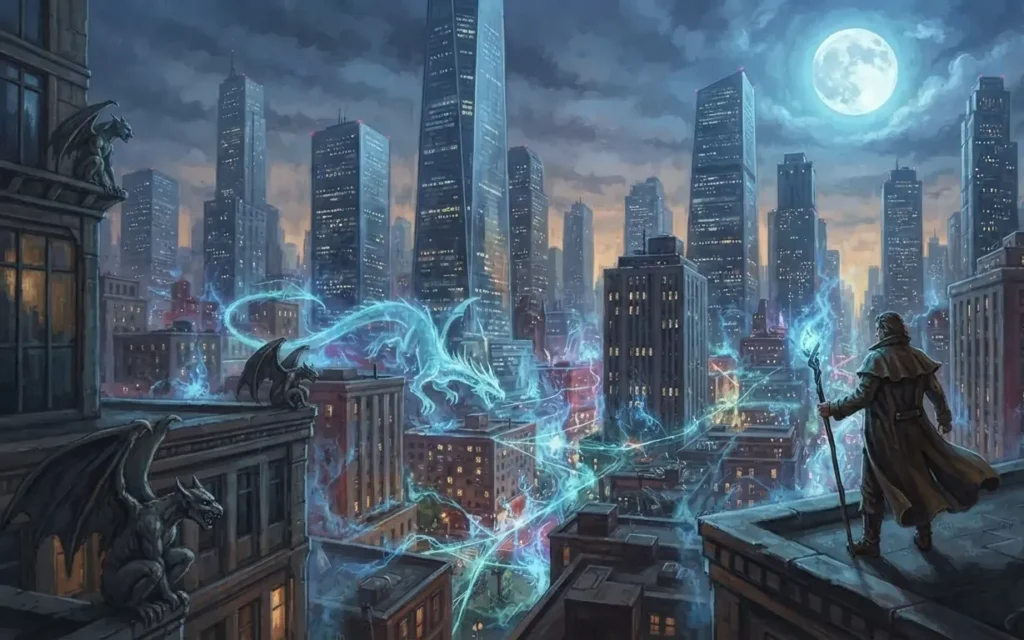
Urban fantasy places fantastic elements in the contemporary world, typically in a city, with the supernatural existing either secretly alongside ordinary human society or openly integrated into it. The contrast between modern, mundane reality and magical reality is the genre’s central engine.
Two distinct modes exist: the hidden world (magic is real but most humans don’t know it) and the revealed world (magic is publicly known and integrated into contemporary society). Each produces different narrative possibilities.
Defining characteristics:
- Contemporary real-world settings, usually urban
- Supernatural beings (vampires, werewolves, fae, witches, or invented equivalents) present in the modern world
- The relationship between the supernatural world and ordinary human society as a recurring concern
- Modern technology and culture interacting with ancient supernatural reality
- Often faster-paced and more action-oriented than epic fantasy
Best Urban Fantasy Books on Amazon:
You’ll Love This If: You want the pleasures of fantasy without leaving the contemporary world entirely. You’re interested in what magic would actually look like in the context of modern life. Fast pace and contemporary voice appeal to you more than the slower rhythm of secondary world building.
You’ll Struggle If: The secondary world is specifically what attracts you to fantasy. You want to fully leave the contemporary world when you read rather than see it recontextualized.
7. Sword and Sorcery
What It Is
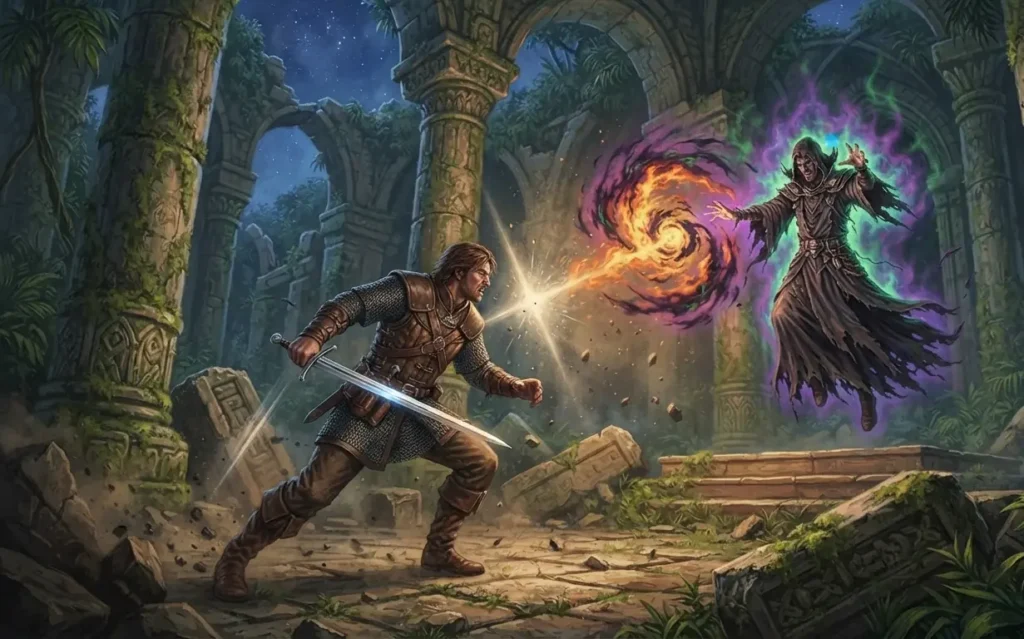
Sword and sorcery is the genre’s oldest established commercial subgenre, predating epic fantasy’s dominance. Robert E. Howard’s Conan stories defined the template in the 1930s: a capable, physical protagonist navigating a dangerous world through individual skill and cunning, with magic present as a genuinely threatening force rather than a systematic toolkit.
The scale is personal rather than world-threatening. The protagonist solves their own problems rather than saving civilization. The stories are often shorter and faster than epic fantasy, prioritizing adventure momentum over world-building depth.
Defining characteristics:
- Protagonist defined by physical capability, cunning, and individual agency
- Adventure and action as the primary narrative mode
- Magic as a dangerous, often sinister force rather than a managed power system
- Personal stakes rather than world-saving stakes
- Morally flexible protagonists who operate outside conventional social structures
Best Sword & Sorcery Books on Amazon:
You’ll Love This If: You want action and adventure without the commitment of multi-volume epic world-building. The lone competent protagonist appeals more than ensemble casts. You want your fantasy fast and focused.
You’ll Struggle If: World-building depth matters as much to you as plot. You want morally clear protagonists or world-threatening stakes that justify the narrative investment.
8. Low Fantasy
What It Is
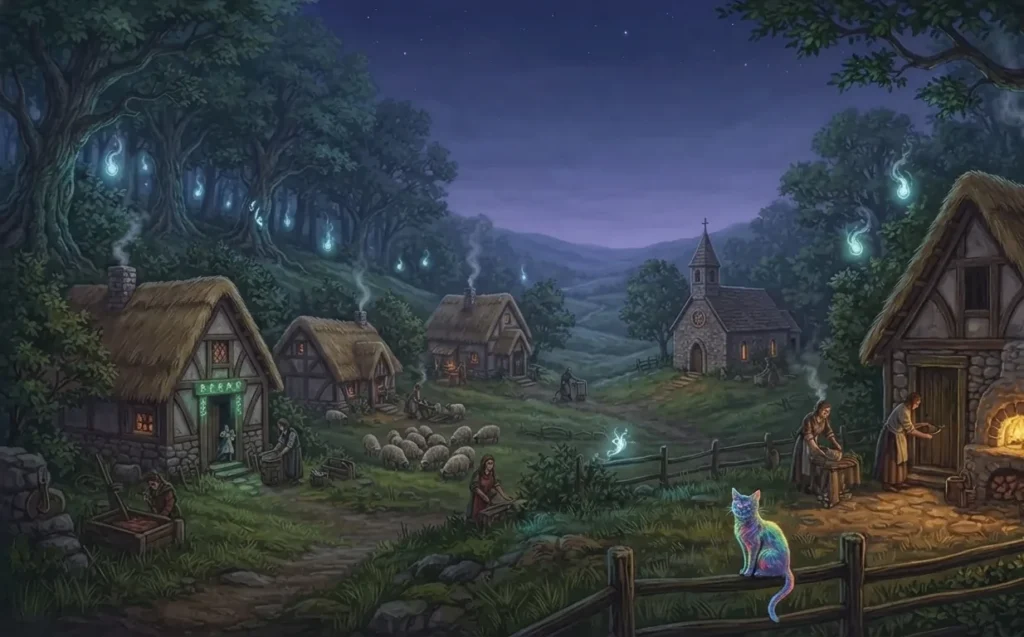
Low fantasy is defined not by dark tone (that’s dark fantasy’s territory) but by the limited presence of magical or supernatural elements. The world is recognizable, either our world or a thinly fantastical one, and magic is rare, subtle, or operating at the margins rather than centrally.
The genre is defined by its restraint. What it doesn’t show is as important as what it does.
Read: High vs Low Fantasy: Why the Distinction Actually Matters
Defining characteristics:
- Magic present but rare, subtle, or limited in scope
- The world otherwise operates on recognizable physical and social laws
- Characters more likely to solve problems through mundane competence than magical capability
- Often closer in feel to historical fiction or literary fiction than to conventional fantasy
- The rarity of magic makes its appearances genuinely significant
Best Low Fantasy Books on Amazon:
You’ll Love This If: You love realistic fiction but want the world slightly different. The constant presence of magic in high fantasy feels like it lowers the stakes for you. Literary quality matters more to you than spectacular magical events.
You’ll Struggle If: Magic systems and their possibilities are specifically what you come to fantasy for. You want frequent and significant magical events throughout the narrative.
9. Progression Fantasy
What It Is
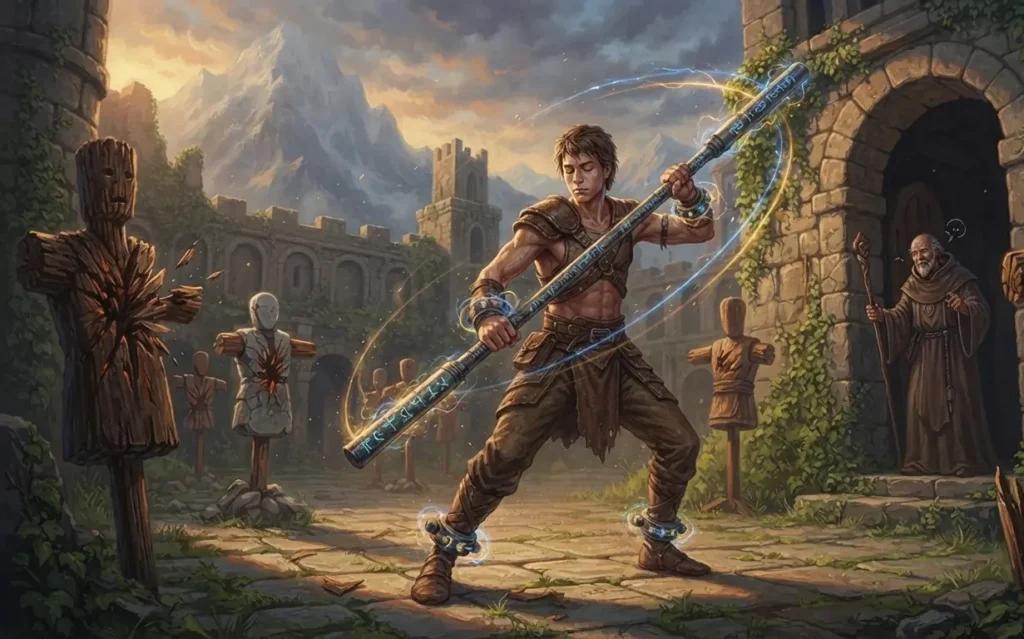
Progression fantasy centers explicitly on the protagonist’s power advancement. The reader tracks measurable growth through a structured power system, and the satisfaction of advancement is as central to the genre’s appeal as plot or character.
The genre developed primarily in web fiction communities and has significant overlap with Eastern cultivation fiction traditions. Its defining feature is that the power system is foregrounded rather than being a narrative backdrop.
Defining characteristics:
- Explicit power hierarchy with named stages or levels the protagonist advances through
- The progression itself is a source of reader satisfaction, not just a narrative means to an end
- Magic or power systems that are internally consistent and tracked carefully throughout
- Often longer form than published fantasy, reflecting web serial origins
- Protagonist advancement as the primary narrative engine
Best Progression Fantasy Books on Amazon:
You’ll Love This If: You love the satisfaction of watching measurable growth. Power systems fascinate you specifically. You want to track where the protagonist stands relative to the world’s power hierarchy at all times.
You’ll Struggle If: Explicit power advancement feels mechanical to you. You prioritize literary prose and character interiority over advancement mechanics. You find long web-serial formats less satisfying than traditionally published novels.
10. Military Fantasy
What It Is
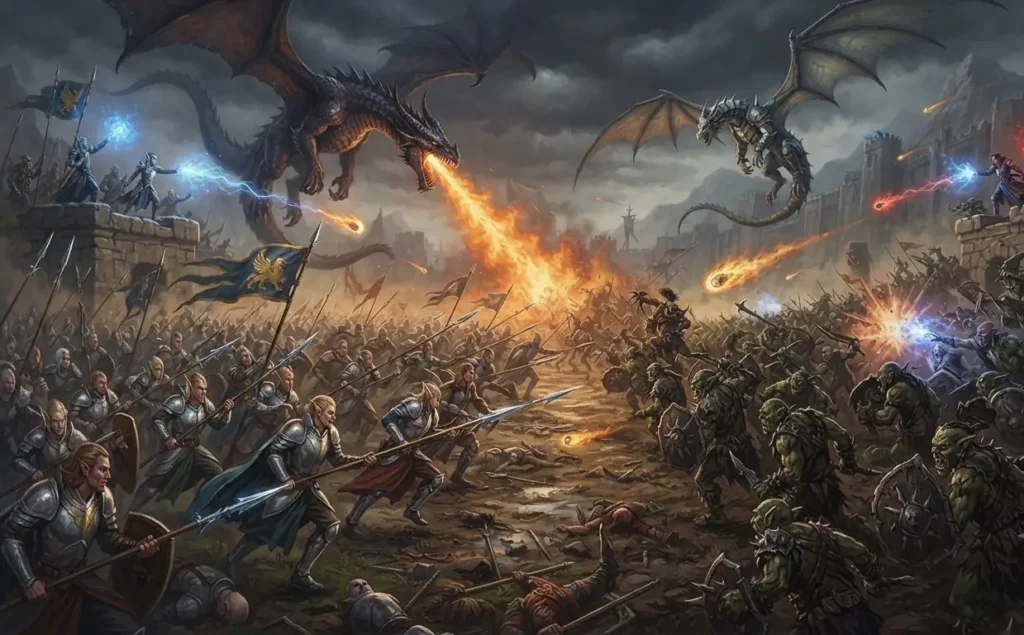
Military fantasy centers on warfare, military organization, and the mechanics and ethics of combat at scale. Where sword and sorcery focuses on individual combat, military fantasy is interested in armies, strategy, logistics, chain of command, and what large-scale organized violence actually looks like and costs.
Defining characteristics:
- Military organization and warfare as the central subject rather than a backdrop
- Significant attention to strategy, logistics, and the mechanics of conflict at scale
- Characters defined partly by their military role and relationship to the chain of command
- The ethics of warfare, including questions of loyalty, orders, and the cost to individuals within military structures
- Magic often integrated into military strategy rather than being primarily individual-scale
Best Military Fantasy Books on Amazon:
- The Chronicles of the Black Company (Cook)
- The First Law Trilogy (Abercrombie)
- Malazan Book of the Fallen (Erikson)
You’ll Love This If: Military history is as interesting to you as fantasy. The organization and strategy of large-scale conflict fascinates you. You want fiction that takes the human cost of warfare seriously rather than making combat exciting.
You’ll Struggle If: Large-scale strategy and logistics feel like necessary evil rather than genuine interest. Individual character development matters more to you than collective military dynamics.
11. Romantasy
What It Is
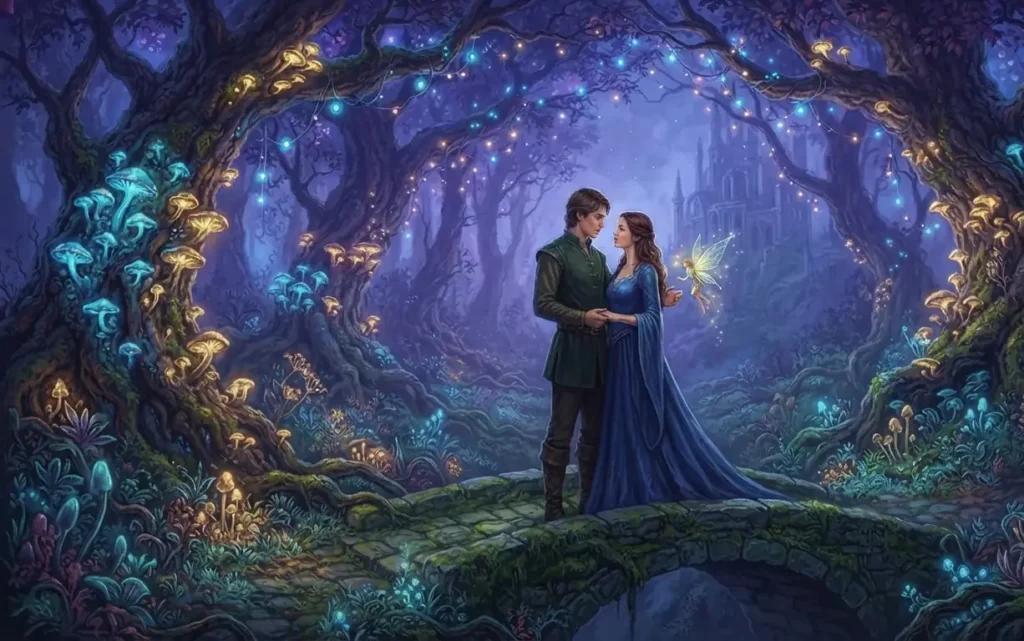
Romantasy centers a romantic relationship as the primary narrative driver, with fantasy elements providing the world and sometimes the specific obstacles to the relationship’s resolution. The genre occupies a genuine space between fantasy and romance fiction rather than being a compromised version of either.
Defining characteristics:
- The central romantic relationship as the primary plot driver
- Fantasy elements that create the setting and specific obstacles rather than being the story’s primary concern
- Emotional beats of the romantic arc as the reader’s primary investment
- Resolution typically involves both the romantic and the fantastical conflicts being resolved
- Character interiority and emotional dynamics prioritized over world-building depth or action sequences
Best Romantic Fantasy Books on Amazon:
- Spinning Silver (Novik)
- Uprooted (Novik)
- A Court of Thorns and Roses (Maas)
- The Bear and the Nightingale (Arden)
You’ll Love This If: Character relationships and emotional dynamics are your primary reason for reading fiction. Fantasy settings appeal to you but you want the romantic arc to be as developed as the adventure. You read for emotional investment rather than action or world-building.
You’ll Struggle If: Romance elements feel like they slow down the “real” story to you. You want the fantasy elements to be the primary focus rather than the backdrop.
12. Comic Fantasy
What It Is
Comic fantasy uses fantasy’s impossible elements as vehicles for humor, satire, philosophical observation, or all three simultaneously. The best comic fantasy isn’t fantasy that happens to be funny. It’s fantasy where humor is the primary mode of engaging with serious ideas.
Terry Pratchett is the genre’s master and its clearest example of why taking comic fantasy seriously is correct: the Discworld novels are simultaneously very funny and genuinely concerned with death, justice, the nature of belief, and what stories do to human beings.
Defining characteristics:
- Humor as a primary mode rather than incidental relief
- Often satirical, targeting fantasy conventions themselves or broader social and cultural targets through the fantasy lens
- Characters who are aware of the absurdity of their situations in ways that serious fantasy characters rarely are
- Philosophical seriousness delivered through comedic means rather than earnest dramatic means
- Subversion of genre expectations is frequently the source of both humor and insight
Best Comic Fantasy Books on Amazon:
- Discworld series (Pratchett)
- The Hitchhiker’s Guide to the Galaxy (Adams, science fiction but adjacent)
You’ll Love This If: Humor is as important to you in fiction as plot or character. You appreciate when satirical intent and genuine philosophical depth coexist with comedy. You find earnest heroic fantasy takes itself too seriously.
You’ll Struggle If: You read fantasy for emotional immersion and humor breaks that immersion for you. Satirical distance from genre conventions is the opposite of what you want.
13. Secondary World Literary Fantasy
What It Is
This is the most specific category on the list and the hardest to summarize briefly. Secondary world literary fantasy prioritizes prose quality, structural innovation, and literary ambition over genre convention or entertainment satisfaction. It uses fantasy’s toolkit in service of literary goals that conventional genre publishing doesn’t typically prioritize.
It’s fantasy most likely to be reviewed in literary publications and least likely to be found prominently placed in genre sections. It often has a difficult relationship with genre identity, sometimes being claimed by literary fiction and sometimes by fantasy depending on who’s doing the claiming.
Defining characteristics:
- Prose quality and stylistic ambition as a primary concern alongside or above genre satisfaction
- Structural innovation that may resist conventional narrative expectations
- Themes that connect to broader literary and philosophical traditions rather than primarily to genre conventions
- Secondary worlds that serve literary purposes rather than world-building satisfaction
- Often shorter than epic fantasy and less concerned with power systems or large casts
Best Secondary World Literary Fantasy Books on Amazon:
You’ll Love This If: You read literary fiction and want fantasy that meets its prose standards. Structural innovation and formal experimentation interest you. You’re as interested in how the story is told as in what happens.
You’ll Struggle If: You come to fantasy for entertainment and adventure rather than literary experience. Dense, allusive prose feels like an obstacle rather than a pleasure. You want genre satisfaction alongside literary quality.
Quick Reference: Find Your Genre
| If You Want… | Read This Genre |
|---|---|
| Complete world immersion, large scale | Epic Fantasy |
| Moral realism, no false hope | Dark Fantasy |
| History plus impossible | Historical Fantasy |
| Mythology taken seriously | Mythic Fantasy |
| Discovery through an outsider’s eyes | Portal Fantasy |
| Magic in the modern world | Urban Fantasy |
| Fast, personal adventure | Sword and Sorcery |
| Subtle magic, literary feel | Low Fantasy |
| Measurable power advancement | Progression Fantasy |
| Warfare, strategy, military ethics | Military Fantasy |
| Emotional relationships front and center | Romantic Fantasy |
| Seriously funny and philosophically rich | Comic Fantasy |
| Literary ambition within impossible worlds | Literary Fantasy |
Frequently Asked Questions
Can I like multiple fantasy genres or does this force me to choose?
Absolutely not a forced choice. Most dedicated fantasy readers love several subgenres. The guide helps you identify which to prioritize when you want something specific, not to limit you. Many readers cycle between genres depending on their current mood and reading goals.
Why isn’t science fantasy on this list?
Science fantasy occupies genuinely contested ground between science fiction and fantasy. Including it would require distinguishing it from science fiction sufficiently, which is a separate article’s worth of work. This list covers what most readers would recognize as primarily fantasy rather than primarily science fiction.
Which genre produces the most complete standalone novels rather than long series?
Historical fantasy, mythic fantasy, low fantasy, comic fantasy, and secondary world literary fantasy all produce strong standalone novels more consistently than epic fantasy or progression fantasy. If you dislike committing to long series, these genres offer more single-volume satisfying experiences.
Is there a genre for readers who are completely new to fantasy?
Portal fantasy is traditionally recommended for new readers because the protagonist’s outsider perspective mirrors the reader’s unfamiliarity. Comic fantasy (especially Pratchett) is another strong entry point because the humor makes the genre’s conventions more approachable. Epic fantasy at its most accessible (early Sanderson) also works well.
What’s the difference between dark fantasy and low fantasy since neither is “high” fantasy?
These are entirely different axes. High versus low fantasy refers to the presence and centrality of magic. High fantasy has magic at the center; low fantasy has it at the margins. Dark versus light fantasy refers to tone and moral character. You can have dark high fantasy (Malazan) or dark low fantasy (some historical fantasy). The terms operate independently.
Final Thoughts
Thirteen genres. Thirteen different answers to what fantasy is for and who it serves.
The mistake most readers make isn’t liking the wrong genre. It’s picking up a book from a genre whose conventions don’t match their reading needs and concluding that they don’t like fantasy when they actually just haven’t found their specific corner of it yet.
The categories matter not because any one is superior but because knowing what you’re looking for saves enormous amounts of time and produces more consistent reading satisfaction.
Find your genre. Then find the best books it has to offer. The list is long enough to last a lifetime.
Related Articles
- Why Fantasy is More Popular Than Ever Backed By Data
- 12 Best Dragon Books of 2026 [From the Hobbit to Seraphina]
- How Fantasy World-Building Actually Works [Full Breakdown]
- 13 Overlooked Dragon Books Worth Reading in 2026
- Hard Magic vs Soft Magic: What Every Reader Should Know
- Why Millennials and Gen Z Love Dark Fantasy
- Fantasy vs Sci-Fi vs Horror: What Actually Separates Them?
- What Is LitRPG? The Genre Where Games Meet Fiction
Further Reading & References
- Rhetorics of Fantasy – Wesleyan University Press
- The Encyclopedia of Fantasy – John Grant, John Clute
- Strategies of Fantasy – Attebery, Brian
- Tzvetan Todorov – The Fantastic: A Structural Approach to a Literary Genre
- H. P. Lovecraft – Supernatural Horror in Literature
- Tolkien – On Fairy-Stories
- The Evolution of Modern Fantasy: From Antiquarianism to the Ballantine Adult – Jamie Williamson
- The Cambridge Companion to Fantasy Literature
- Ursula K. Le Guin – Some Assumptions About Fantasy
Written by Batin Khan, a curious free spirit who loves reading and exploring the worlds of fantasy, mythology, and ancient stories. Through this blog, Batin hopes to share that sense of wonder with readers while building an exciting future along the way.