
 By
By Cultivation stories, especially within the Xianxia genre, are defined by specific, recurring patterns. These Xianxia Cultivation Tropes, like Golden Fingers OP, form the backbone of many narratives. While some tropes provide familiar comfort, others become overused, leading to predictability. As a Xianxia reader myself who loves cultivation novels, I am writing this article to list commonly overused tropes in Xianxia.
This article examines 15 of the most overused cultivation tropes in 2026, analyzes why they’ve lost their luster, and identifies which tropes still resonate with readers. We’ll also explore how to use tropes effectively and highlight what modern readers expect from the genre.
Cultivation tropes offer several benefits: they create recognizable structures, accelerate pacing, and provide emotional payoffs. However, overuse can lead to face-slapping fatigue, flat characters, and a lack of real stakes.
To avoid these pitfalls, writers need to subvert expectations, add character depth, focus on meaningful stakes, and limit repetition. Readers in 2026 crave smarter protagonists, consequences for actions, unique cultivation systems, and strong side characters.
This article breaks down the most common pitfalls in the genre, like confusing power scaling with storytelling, overusing filler arcs, and ignoring character development. Ultimately, by understanding which tropes are tired and how to refresh them, writers can craft compelling cultivation stories that engage modern audiences.
Discover how Xianxia is different from Isekai here
What Are Cultivation Tropes?

Definition and Role in Storytelling
Cultivation tropes are recurring elements and conventions commonly found in cultivation fiction, particularly within the Xianxia, Wuxia, and related genres. These tropes serve as building blocks for the narrative, shaping character archetypes, plot structures, and the magic system.
They provide a familiar framework that readers recognize and expect, influencing the cultivation progression system and immortal cultivation realms. Think of them as shared understandings that define the cultivation world building.
Why Tropes Become Overused
Tropes become overused when they are relied upon too heavily without innovation or subversion. The initial appeal of a trope, like the Overpowered Protagonists or a guaranteed Luck-Based Advancement, diminishes as it appears repeatedly across numerous stories.
This repetition leads to predictability and a lack of tension, resulting in reader fatigue. The common xianxia tropes, initially exciting, can become stale when not executed with a fresh perspective.
15 Most Overused Cultivation Tropes in 2026
1. The “Trash Talent → Hidden God” Protagonist
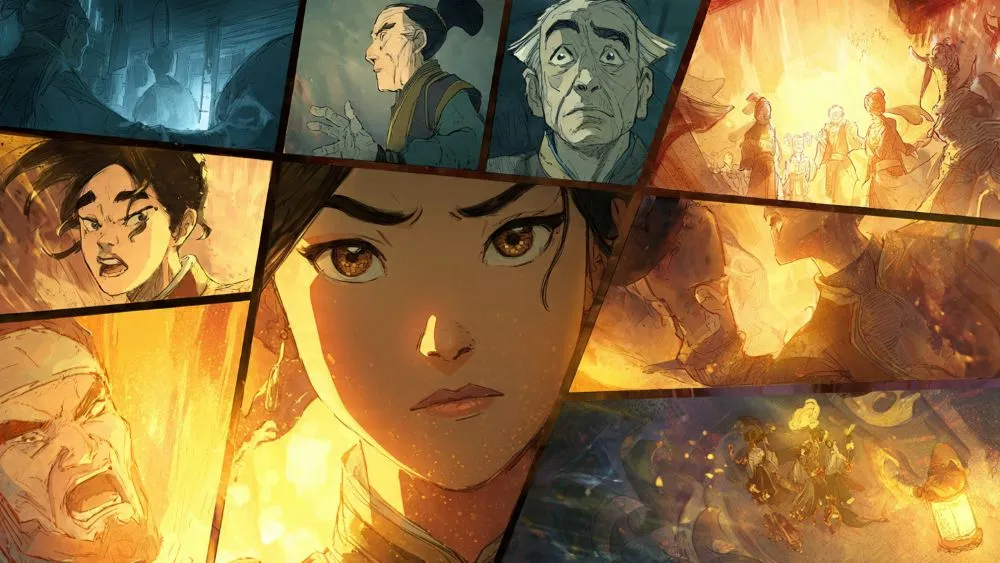
This trope involves a protagonist initially deemed talentless trash who later reveals extraordinary potential, often through a Special Bloodlines awakening or the discovery of an ancient artifact. While the underdog story can be compelling, it becomes cliché when the protagonist’s rise to power is too rapid or unexplained.
This again is one most commonly used trope in Xianxia. Its an easy way to power-up the protagonist.
2. Face-Slapping Arrogant Young Masters
Face-slapping refers to the repeated humiliation of arrogant young masters by the protagonist. While satisfying initially, this trope becomes tiresome when it’s the primary source of conflict and character interaction, especially if these heaven-defying young masters are one-dimensional bullies with no redeeming qualities.
Because of this type tropes alone I look down on most of the Young Masters in Xianxia as plain-stupid.
3. Endless Tournament Arcs
Tournament arcs, designed to showcase the protagonist’s strength, often drag on excessively with repetitive battles and predictable outcomes. These arcs can become filler, slowing the story’s momentum without contributing significantly to character development or plot progression.
4. Convenient Ancient Inheritance
The protagonist frequently stumbles upon ancient inheritances, such as a cultivation manual or a Heaven-Defying Artifacts, granting them instant power boosts. This trope loses its appeal when these inheritances appear too conveniently, undermining the protagonist’s hard work and skill.
5. Jade Beauties With No Depth
Jade beauties, often depicted as stunningly beautiful female characters, are frequently relegated to the role of love interests with little agency or depth. Their primary purpose is to admire and support the protagonist, perpetuating shallow characterization.
They are often the cause of of conflict for the protagonist. as they say beauty can topple nations.
6. Instant Power Breakthroughs in Crisis
The protagonist experiences instant power breakthroughs during moments of crisis, allowing them to overcome seemingly insurmountable odds. While dramatic, this trope becomes predictable when it’s used repeatedly to resolve conflicts, diminishing the sense of danger.
7. Sect Politics That Go Nowhere
Sect politics, intended to add complexity and intrigue, often become convoluted and ultimately inconsequential. These subplots may introduce numerous characters and factions, but they rarely contribute meaningfully to the main storyline.
Most of the time they are targeting the MC for some stupid reason that does not make sense.
8. Overpowered Cheat Systems
System-Based Cultivation, where protagonists gain abilities and rewards through a game-like system, can be engaging. However, when the system becomes an all-powerful cheat code, it removes the need for the protagonist to develop genuine skills or face real challenges.
9. Endless Realm Inflation
Realm inflation refers to the constant introduction of new and higher cultivation realms, diminishing the significance of previous achievements. This trope creates a sense of endless power escalation without meaningful character growth.
10. Revenge-Only Motivation
The protagonist’s sole motivation is revenge for past wrongs, driving their actions and decisions. While revenge can be a compelling motivator, it becomes limiting when it’s the character’s only defining trait, preventing them from developing other aspects of their personality.
11. Auction House Miracle Wins
Auction houses frequently serve as venues for the protagonist to acquire rare treasures or powerful artifacts at surprisingly low prices, often through sheer luck or clever tactics. This trope becomes predictable when the protagonist consistently wins against wealthier and more experienced bidders.
Even the main character does not win the auction the item he need somehow ends up in MC hands one way or another.
12. “Courting Death” Dialogue Spam
Characters frequently use the phrase “courting death” or similar variations to express their disdain or challenge others. This dialogue becomes repetitive and loses its impact when overused, especially in face-slapping scenarios.
The Only other phrases that comes close are “Kneel and Kowtow Nine Times to me” and “Dying by my hands is your honor”.
14. Time Skip Power Jumps
Time skips are used to rapidly advance the plot and allow the protagonist to gain significant power without showing the training process. While time skips can be useful, they become jarring when the protagonist’s power jumps are disproportionate to the time elapsed.
15. Invincible Plot Armor
The protagonist benefits from invincible plot armor, ensuring they survive even the most dangerous situations without suffering any lasting consequences. This trope removes tension and stakes, as readers know the protagonist will always emerge unscathed.
Which Cultivation Tropes Still Work in 2026?

Tropes That Still Perform Well
Despite the overuse of certain tropes, some remain effective when executed well.
Underdog Stories (If Earned)
Underdog stories resonate when the protagonist’s rise to power is earned through hard work, perseverance, and strategic decision-making, rather than relying solely on luck or cheat codes.
Mentor–Student Dynamics
The mentor-student relationship can be compelling when the mentor is well-developed and provides meaningful guidance and support to the protagonist, fostering character growth and emotional connection.
Slow, Meaningful Progression
Slow, meaningful progression allows readers to witness the protagonist’s gradual development of skills and abilities, creating a sense of accomplishment and investment in their journey.
Unique Worldbuilding Systems
Unique worldbuilding systems, with intricate rules and mechanics, add depth and complexity to the story, making the cultivation world feel more immersive and believable.
Why These Tropes Still Work
Emotional investment
These tropes foster emotional investment by creating relatable characters, meaningful relationships, and a sense of genuine struggle and triumph.
Clear stakes
Clear stakes ensure that the protagonist faces real consequences for their actions, creating tension and suspense.
Fresh execution
Fresh execution involves subverting expectations, adding unique twists, and exploring new perspectives on familiar themes.
How to Use Tropes Without Being Generic
Subvert Expectations
Instead of adhering strictly to established tropes, writers can subvert expectations by twisting familiar elements or introducing unexpected outcomes. For example, the Reincarnated Souls might retain trauma from their past-life trauma, leading to unexpected character flaws.
Add Character Depth
Focus on developing well-rounded characters with complex motivations, flaws, and relationships. Avoid relying solely on tropes to define character traits.
Focus on Stakes, Not Just Power
Emphasize the consequences of the protagonist’s actions, both positive and negative. Create situations where the protagonist faces genuine risks and sacrifices, rather than simply accumulating more power.
Limit Repetition
Avoid repeating the same tropes or plot devices excessively. Mix things up by introducing new challenges, characters, and subplots. one of the annoying thing about xianxia is that due to long length that plot sometimes gets repeated.
Expert Insights: What Readers Actually Want in 2026

- Smarter protagonists Readers in 2026 want protagonists who are intelligent, resourceful, and capable of making strategic decisions, rather than relying solely on brute force or luck.
- Consequences for actions Readers appreciate stories where characters face real consequences for their actions, creating a sense of fairness and accountability.
- Unique cultivation systems Readers are drawn to cultivation systems that are well-defined, internally consistent, and offer unique mechanics and challenges.
- Strong side characters Readers want strong side characters who are well-developed, have their own motivations and goals, and contribute meaningfully to the story.
Want to understand the difference between cultivation and progression fantasy? Read my full breakdown here
Common Mistakes Writers Still Make
Confusing power scaling with storytelling
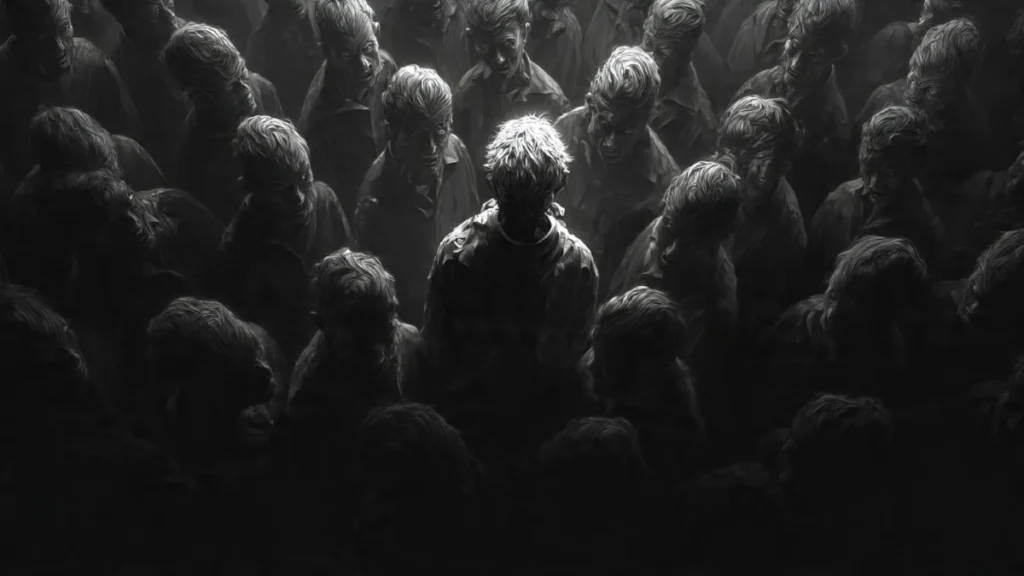
Power scaling should serve the story, not the other way around. Focus on character development, plot progression, and thematic exploration, rather than simply escalating power levels.
Overusing filler arcs
Avoid filler arcs that add little to the overall story. Ensure that every arc contributes to character development, plot progression, or worldbuilding.
Ignoring character development
Prioritize character development over power accumulation. Create characters who grow and evolve throughout the story, learning from their mistakes and facing meaningful challenges.
Conclusion

In 2026, the Xianxia Cultivation Trope landscape is a blend of familiar comfort and evolving expectations. While tropes like Golden Fingers OP have defined the genre, overuse has led to face-slapping fatigue and predictable narratives.
This article identified 15 such overused tropes, from the “trash talent → hidden god” protagonist to endless tournament arcs, highlighting their weaknesses and how they diminish reader engagement.
However, certain tropes, when executed with skill, still resonate: underdog stories earned through effort, mentor-student dynamics that foster growth, slow and meaningful progression, and unique worldbuilding systems.
The key to success lies in subverting expectations, adding character depth, focusing on stakes, and limiting repetition. Readers in 2026 crave smarter protagonists, consequences for actions, unique cultivation systems, and strong side characters.
By avoiding common pitfalls like confusing power scaling with storytelling and prioritizing character development, writers can craft compelling cultivation stories that honor the genre’s traditions while offering fresh and engaging experiences. Ultimately, wielding cultivation tropes with wisdom and intention remains the path to creating legendary Xianxia sagas.
Why do cultivation tropes feel overused?
They’re repeated across web novels with little variation, often due to fast publishing cycles and algorithm-driven platforms prioritizing quantity over originality.
What are cultivation tropes in xianxia stories?
Cultivation tropes are recurring patterns like underdog protagonists, power breakthroughs, sect hierarchies, and ancient inheritances used to structure progression fantasy narratives.
Why do cultivation tropes feel overused?
They’re repeated across web novels with little variation, often due to fast publishing cycles and algorithm-driven platforms prioritizing quantity over originality.
Which cultivation tropes are most overused right now?
Common overused tropes include arrogant young masters, instant breakthroughs, revenge-only plots, repetitive tournaments, and convenient hidden inheritances.
Are tropes bad for storytelling?
No, tropes are useful frameworks. They only become a problem when used without creativity, depth, or meaningful variation.
Which cultivation tropes still work in 2026?
Underdog progression, mentor–student relationships, and slow, earned power growth still work when combined with strong character development and stakes.
How can writers make tropes feel fresh?
By subverting expectations, adding consequences, deepening characters, and creating unique cultivation systems or worldbuilding elements.
Why do readers still enjoy cultivation stories?
They offer clear progression, power fantasy, and immersive worlds, making character growth satisfying and engaging.
What makes a cultivation story stand out today?
Original execution, emotional depth, unique systems, and meaningful stakes—not just power scaling or familiar tropes.
What is the difference between xianxia and progression fantasy tropes?
Xianxia focuses on immortality and mythology, while progression fantasy emphasizes structured growth systems and character advancement.
Are cultivation systems becoming too repetitive?
Yes, many reuse similar realm structures, but creative variations and hybrid systems can still stand out.