

 By
By - This list covers the best cultivation novels across Xianxia, Xuanhuan, Danmei, Wuxia, and English-language progression fantasy, not just the most popular
- Rankings are based on four criteria: craft and writing quality, cultivation system originality, character depth, and long-term community consensus
- Every pick includes an honest analysis of weaknesses alongside strengths. No novel on this list is perfect
- The top three picks, Lord of the Mysteries, Reverend Insanity, and I Shall Seal the Heavens, appear at the top of almost every serious reader ranking for reasons this article explains in full
- Updated for 2026 with translation status and accessibility notes for new readers
Disclosure: As an Amazon Associate, I earn from qualifying purchases. This means I may receive a small commission if you buy through links on this site, at no extra cost to you. I appreciate your support
Every time my friend finishes a novel, they ask me what the best cultivation novels are. Basically, he is asking for a recommendation for his next read. And every time I resist giving a single answer. Not because the question is unanswerable, after a decade and more series than I can accurately count, I have clear opinions, but the honest answer is that the best cultivation novel depends on what you want the novel to do.
The best cultivation novel for someone who wants psychological depth and literary construction is not the same as the best one for someone who wants pure power escalation satisfaction. The best one for a reader who is new to xianxia is not the best one for someone who has read fifty series and wants something that challenges their expectations of the genre. Because if you are an experienced reader, you know that many novels repeat the same plot without anything new.
What this list does is take all of that complexity seriously. The novels below are ranked and grouped by tier, with explicit criteria stated upfront and honest analysis of both strengths and weaknesses for each pick. Consensus community opinion is one input. my personal reading experience is another. Where they agree, the placement is confident. Where they diverge, I say so.
Best Cultivation Novels Ranking Methodology
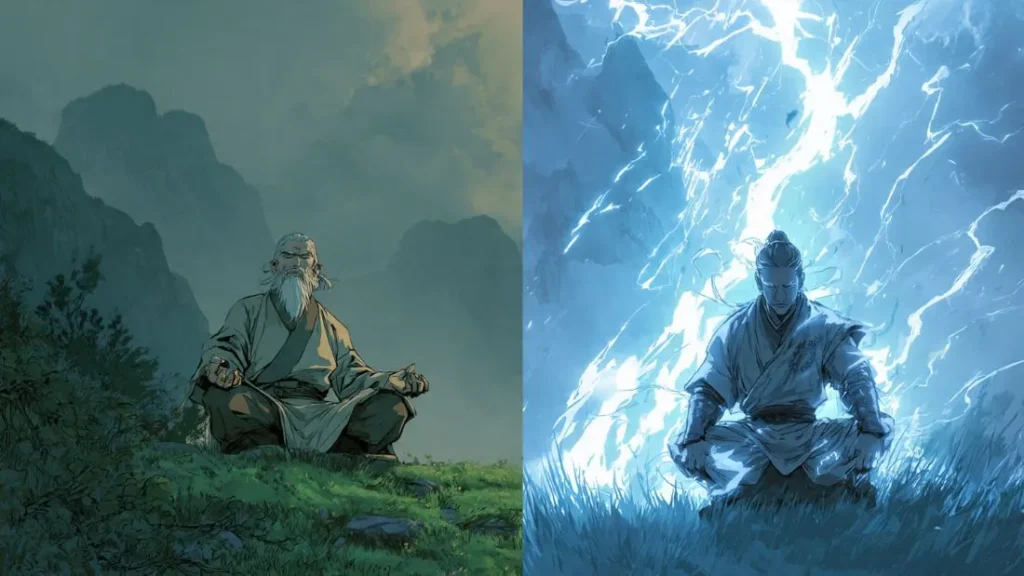
Four criteria drive every placement on this list.
Craft and writing quality evaluates prose, structure, characterisation, and the author’s control over pacing and emotional payoff across a long run. A novel that starts brilliantly and collapses after two thousand chapters scores lower than one that maintains consistent quality throughout.
Cultivation system originality rewards novels that build internally consistent, genuinely creative power systems rather than recycling the standard xianxia framework without contribution. The cultivation system is the genre’s core creative vehicle and the novels that take it seriously deserve recognition for doing so.
Character depth evaluates whether the protagonist and key supporting cast are fully realised people whose choices and development feel driven by who they are rather than what the plot requires. In a genre prone to cardboard protagonists who exist primarily as power-scaling vessels, genuine character work is worth recognising.
Long-term community consensus uses NovelUpdates ratings, Reddit community rankings, and reader discussion over multiple years as a check against idiosyncratic personal taste. A novel I love but that the broader community has consistently found wanting will not rank as high as a novel where my enthusiasm and community consensus align.
Discover how Xianxia is different from Isekai here
Tier One: Transcendent – The Absolute Peaks of The Genre
These are the novels that appear at the top of serious reader lists repeatedly, across communities, across years, and for reasons that go beyond hype. Each one does something the genre had not fully done before and has not been fully replicated since.
1. Lord of the Mysteries – Cuttlefish That Loves Diving
- Cultivation system: Sequence pathway system, 10 ranks across 22 pathways.
- Best for: Readers who want the genre’s absolute ceiling in terms of construction and craft.
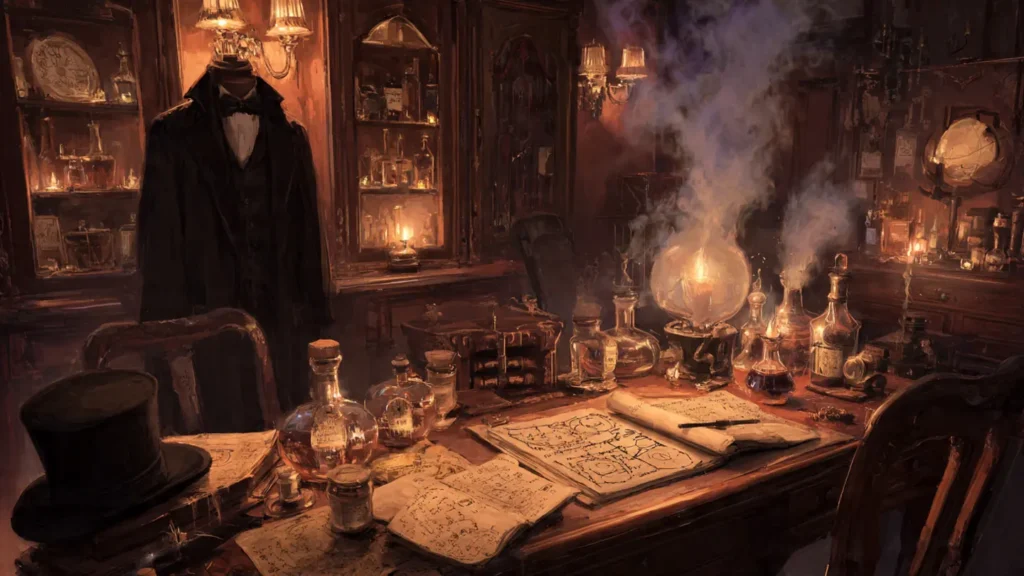
Lord of the Mysteries(LOTM) is the novel I recommend when someone asks me what cultivation fiction looks like at its best. Klein Moretti wakes in a Victorian-era world that blends Lovecraftian cosmic horror, occultist mythology, steampunk aesthetics, and a progression system of extraordinary elegance.
The ten-Sequence, twenty-two-pathway structure gives the novel more combinatorial depth than any other cultivation system in the genre, and Cuttlefish uses every level of it.
What separates LOTM from other great cultivation novels is the quality of its mystery construction. Each chapter in the early arcs is doing multiple things simultaneously, advancing Klein’s Sequence progression, developing the world’s mythology, planting clues for revelations hundreds of chapters later, and characterizing Klein through his choices under pressure.
The density of intentional craft is unusual even by the standards of the genre’s best.
The weaknesses are real. The early arcs require patience. Klein’s world is built through accumulation rather than exposition, and readers who need immediate payoff may find the first hundred chapters slow.
The later arcs shift tone significantly as Klein’s power level moves him beyond the human-scale mysteries of the early story, and some readers find this transition disappointing. These are valid criticisms and worth knowing before starting.
The case for first place rests on one argument: no other cultivation novel sustains this level of intentional construction across its entire run. Not every arc is equally strong. But the weakest arc of LOTM is still better written than the best arc of most of its competitors.
2. Reverend Insanity – Gu Zhen Ren
- Cultivation system: Gu worm refinement system.
- Best for: Experienced readers who want the genre’s most original cultivation system and its most uncompromising protagonist.
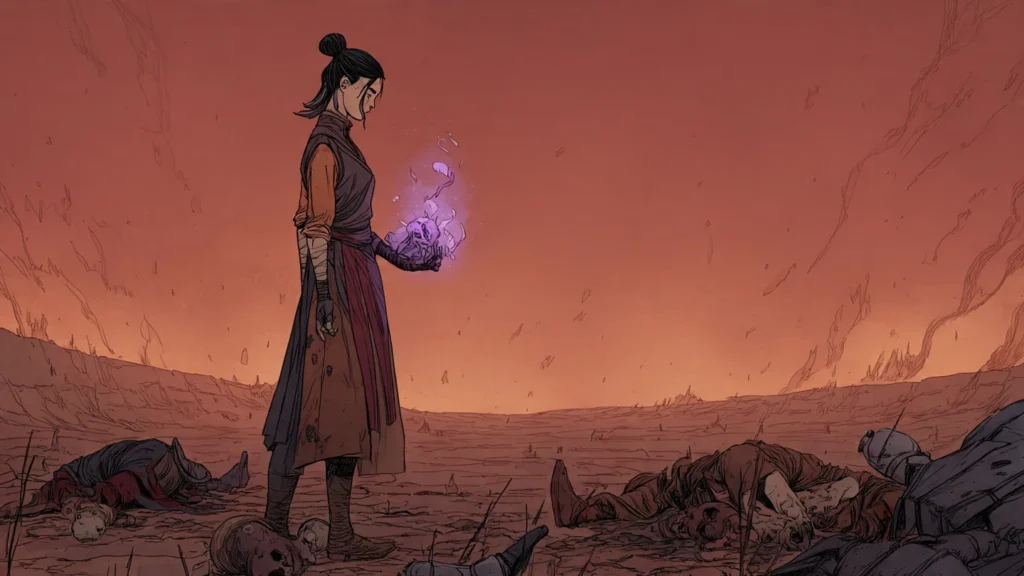
Fang Yuan is the most controversial protagonist in cultivation fiction and simultaneously the most rigorously written. He is a five-hundred-year-old demonic cultivator who reincarnates to his youth with full memories and immediately begins optimizing his path to immortality through methods the novel never softens or redeems.
He is not misunderstood, not secretly good-hearted, not building toward a moral awakening. He is exactly what the novel presents him as, an intelligent, patient, ruthlessly effective person who has rejected the cultivation world’s moral frameworks entirely.
The Gu worm system is the genre’s most original cultivation mechanic. Gu are creatures that embody concepts. A strength Gu embodies the concept of strength, a speed Gu embodies speed, and a more complex Gu embodies progressively more abstract concepts.
Refining and combining Gu produces abilities of extraordinary variety, and Gu Zhen Ren constructs the system with enough internal consistency that readers can follow the logic of combat and advancement without needing the author to explain each outcome.
The worldbuilding is comparably ambitious. The five regions of Reverend Insanity have distinct political structures, cultivation traditions, and resource economies that interact with each other in ways that feel like an actual functioning world rather than a series of backdrop settings for fight scenes.
The reason Reverend Insanity sits second rather than first is craft consistency. Gu Zhen Ren’s prose, even in translation, has passages of genuine power alongside passages that are competent but not exceptional. Cuttlefish That Loves Diving is a more technically consistent writer. But on pure originality of cultivation system and protagonist construction, nothing else in the genre matches it.
3. I Shall Seal the Heavens – Er Gen
- Cultivation system: Multiple original frameworks across different cultivation realms.
- Best for: Readers who want the emotional peak of traditional xianxia alongside exceptional creativity and genuine character depth.
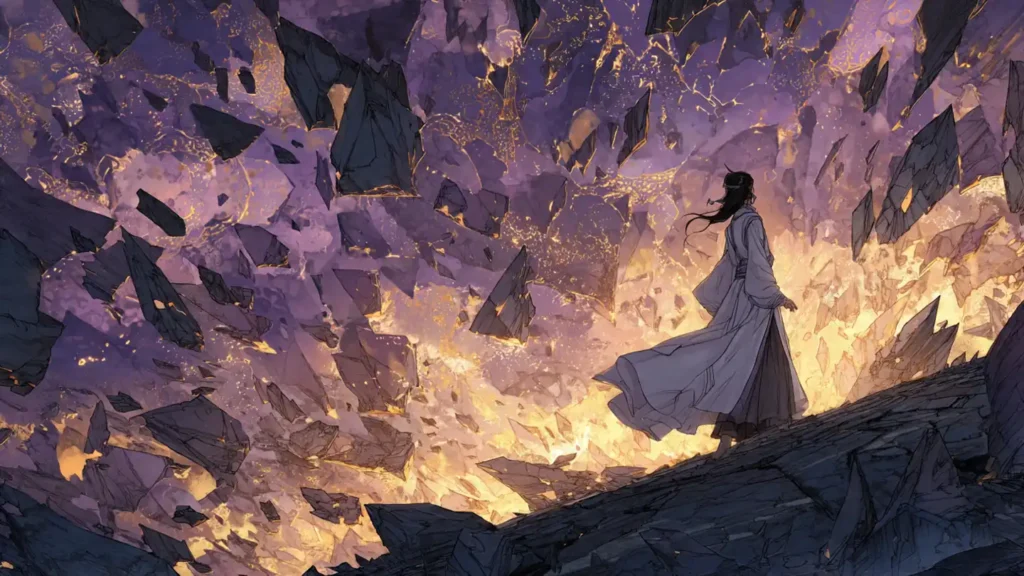
I Shall Seal the Heavens(ISSTH) is the novel that made Er Gen’s reputation and the one that most long-time cultivation readers cite when they try to explain what the genre is capable of. Meng Hao is a failed scholar who is accidentally pulled into the cultivation world and spends the next several thousand chapters becoming one of its most powerful and most fully realized protagonists.
Er Gen’s particular genius is emotional architecture. The individual arcs of ISSTH are constructed so that each one pays off on seeds planted dozens of arcs earlier. The Ji clan arc, the pill cauldron arc, and the Demon Immortal Sect arc each delivers its emotional payload with a precision that requires the kind of long-game plotting that very few authors sustain.
The final arc of the novel is one of the most emotionally devastating and satisfying conclusions in cultivation fiction, and it works because everything building to it has been built with genuine care.
The honest caveat: ISSTH has quality variation across its run that the top two picks do not. The middle arcs are occasionally slower than the brilliant early and late sections. The cultivation system, while creative, is less rigorously constructed than Reverend Insanity‘s Gu framework. Readers who come to it expecting perfection across every arc will be slightly disappointed. Readers who come to it expecting the genre’s emotional peak will not be.
Tier Two: Essential – Novels Every Serious Reader Should Know
These are the novels that define what cultivation fiction can be across a range of approaches. They are not ranked against each other within this tier. Each is essential for different reasons and to different readers.
A Record of a Mortal’s Journey to Immortality (ARMJTOI) – Wang Yu
- Cultivation system: Classical xianxia full ladder, executed with unusual mechanical rigor.
- Best for: Readers who want the purest, most coherent classical xianxia experience and a protagonist who survives on intelligence rather than destiny.
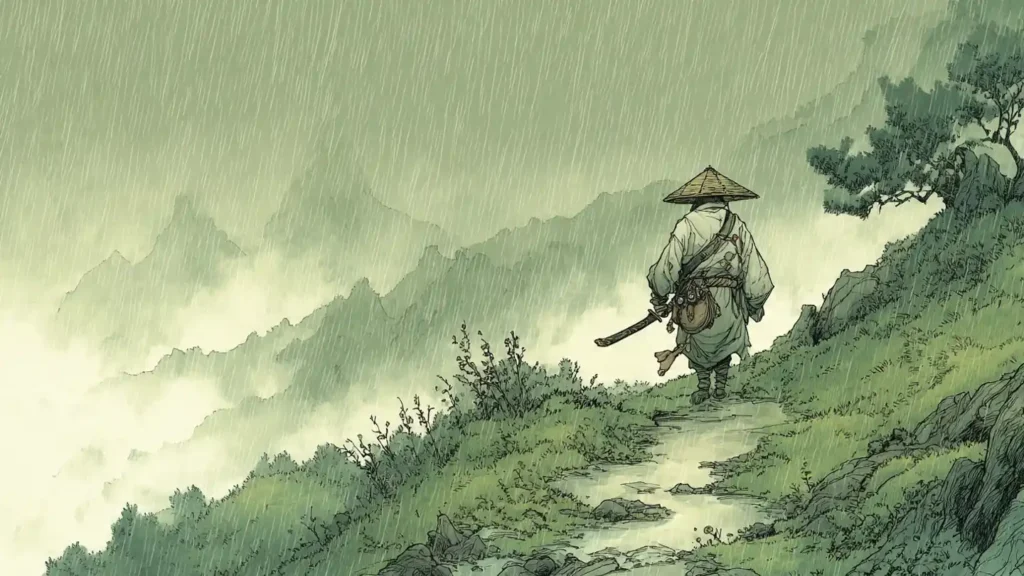
Han Li is cultivation fiction’s most complete refutation of the genre’s prodigy protagonist default. He has mediocre spiritual roots, no special destiny, no ancient legacy waiting to be unlocked, and no sect backing his advancement. He survives, and eventually thrives, through a combination of caution, preparation, resource management, and the willingness to play a longer game than his opponents.
ARMJTOI is the novel I recommend to readers who want to understand how cultivation mechanics actually function at a deep level. Our piece on cultivation realms explained uses its framework precisely because Wang Yu treats the progression system as a genuine constraint rather than a series of checkboxes the protagonist moves through on the way to eventual dominance. The detail around pill refinement, treasure cultivation, and formation arrays is the genre’s most thorough.
The weakness is pace. ARMJTOI is a slow novel by xianxia standards, and readers who want constant forward momentum will find it demanding. The reward for patience is a cultivation world that feels genuinely inhabited rather than constructed for a single protagonist’s benefit.
Essential because: It is the definitive classical xianxia novel, the reference point against which all other classical-framework series are measured.
The Legend of Condor Heroes – Jin Yong

- Cultivation system: Classical wuxia internal energy and martial arts.
- Best for: Readers who want the foundational text of Chinese martial arts fiction and the gold standard of single-romance writing in the broader genre.
Jin Yong is the author against whom every subsequent wuxia and xianxia writer has measured themselves, whether they acknowledge it or not. The Legend of Condor Heroes is not xianxia, it is wuxia, grounded in mortal human limits, but it belongs on this list because no understanding of cultivation fiction’s literary heritage is complete without it.
Guo Jing and Huang Rong are the template for every well-written cultivation novel romance that followed. The novel’s treatment of loyalty, moral complexity in wartime, and the relationship between personal virtue and world events has informed the genre’s ethical imagination in ways that persist in contemporary xianxia.
Essential because: It is the genre’s foundational text, the standard for romantic writing, and essential context for understanding where cultivation fiction’s literary values come from.
A Will Eternal – Er Gen
- Cultivation system: Extended xianxia framework with original mechanics at each major tier.
- Best for: Readers who want Er Gen’s most playful and comedic work without sacrificing the emotional depth his best writing delivers.
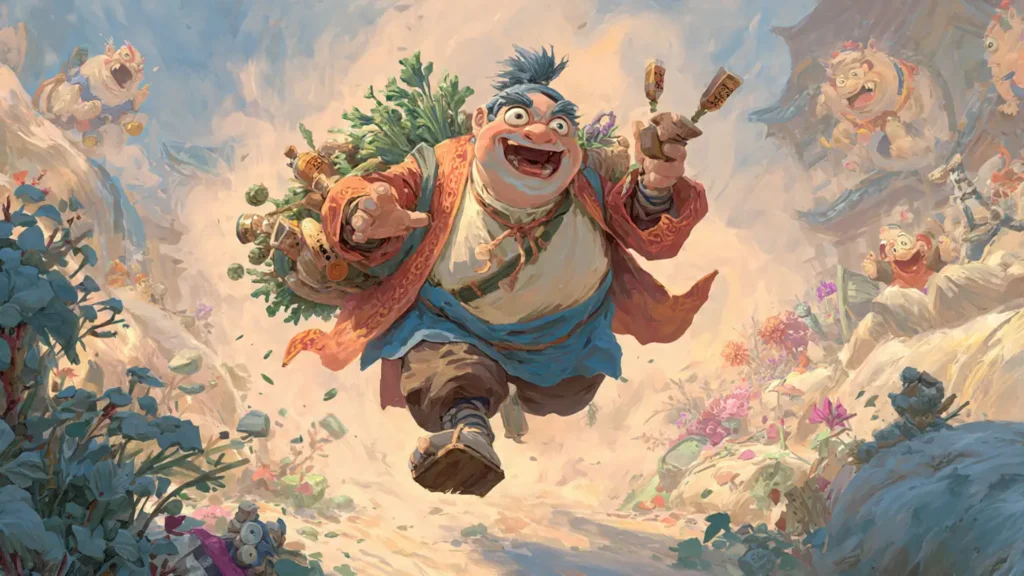
Bai Xiaochun is one of the genre’s most divisive protagonists and, in my opinion, one of its most rewarding. He is cowardly, self-aggrandising, frequently absurd, and genuinely funny in ways that cultivation fiction rarely attempts. He is also, when the novel requires it, emotionally devastatingly effective in ways that only work because Er Gen has spent thousands of chapters building who Bai Xiaochun actually is.
A Will Eternal is the novel that demonstrates Er Gen’s full range as an author. ISSTH is his most emotionally powerful work. A Will Eternal is his most complete, the one where every aspect of his craft, comedy, tragedy, romance, power escalation, worldbuilding, fires simultaneously.
Essential because: It demonstrates the full range of what cultivation fiction’s emotional register can include, and Bai Xiaochun is one of the genre’s genuinely original protagonists.
Beware of Chicken – Casualfarmer
- Cultivation system: Farming qi cultivation, ambient spiritual energy.
- Best for: New readers entering cultivation fiction, and experienced readers who want proof the genre can be warm, funny, and genuinely humane.
Beware of Chicken belongs on this list not just because it is a fine novel but because of what it did for the genre’s reach and its demonstration of what cultivation fiction could be when stripped of its default escalation instincts. Our full breakdown of how it broke cultivation fiction into the Western mainstream covers this in detail.
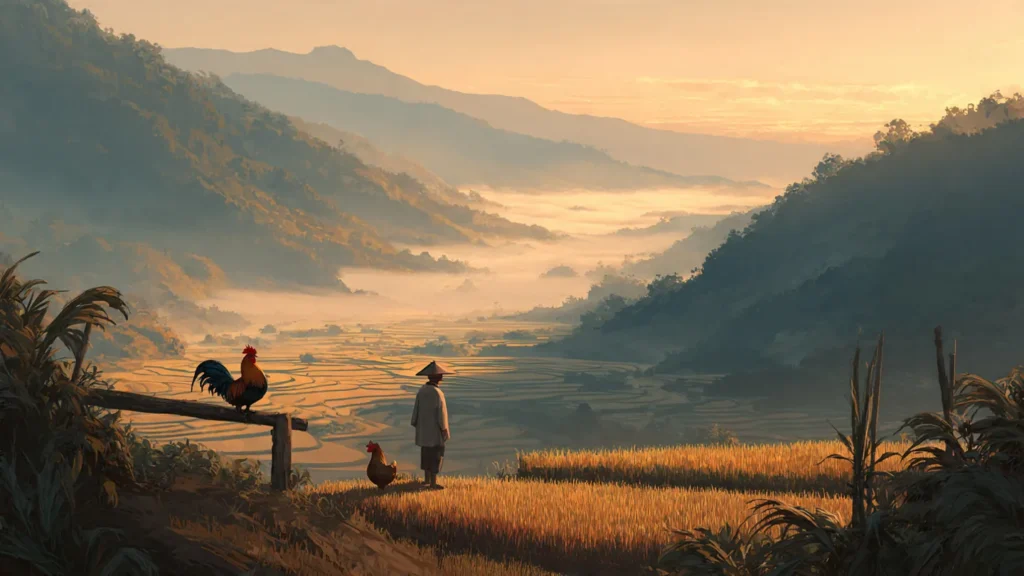
Jin Rou’s farming life is a philosophical counter-argument to everything traditional xianxia celebrates, and Casualfarmer makes that counter-argument with craft and genuine warmth. Bi De the rooster remains the most unexpectedly moving cultivation protagonist in English-language fiction.
Essential because: It is the novel that opened cultivation fiction to a mainstream Western audience and the proof that the genre’s mechanics can support stories with entirely different emotional goals.
Lord of Mysteries 2: Circle of Inevitability – Cuttlefish That Loves Diving

- Cultivation system: Continuation of the Sequence pathway system.
- Best for: Readers who have completed the original Lord of the Mysteries and want to continue in the same world.
Lord of the Mysteries 2 carries forward Cuttlefish That Loves Diving’s established world into a new era with a new protagonist.
While it has not yet accumulated the long-term community consensus to rank alongside its predecessor, early reception among dedicated readers has been strong, and the cultivation system foundations are as rigorous as ever. It earns a place in the essential tier based on its first volume’s quality and the strength of what it is building on.
Essential because: The most anticipated continuation in the genre from the genre’s most technically accomplished active author.
Tier Three: Landmark – Novels That Defined Their Moment
These are novels that may not rank at the absolute peak on every criterion but that contributed something specific and irreplaceable to cultivation fiction’s development.
Battle Through the Heavens – Heavenly Silkworm Potato
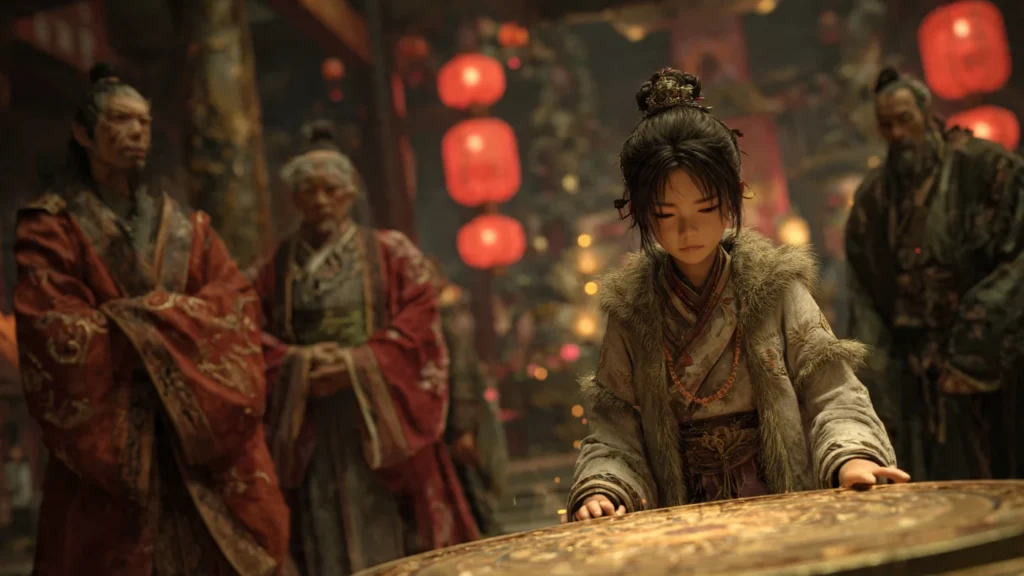
Battle Through the Heavens is the novel that introduced millions of readers to xianxia and remains the clearest example of the genre’s emotional core done right: a protagonist who had something taken from him and spends thousands of chapters earning it back.
Xiao Yan’s loss of his cultivation talent is one of the genre’s most effective opening setups, and the Dou Qi system is well enough constructed to carry the story through a long run without losing internal logic.
It is not the most sophisticated novel on this list, but it is the one that most honestly represents why the genre’s emotional template works so reliably.
Landmark because: It is the entry point that shaped the Western xianxia readership more than any other single novel.
Coiling Dragon – I Eat Tomatoes
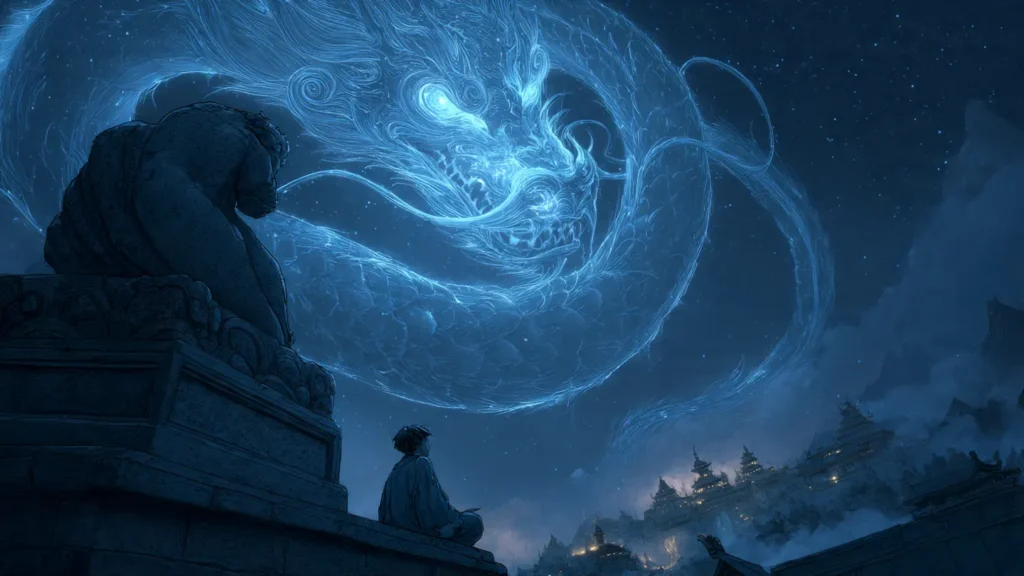
Coiling Dragon is the third novel I have read when I first started reading cultivation novels, and a decade later, I understand its flaws more clearly than I did then. The power escalation loses some coherence in the later arcs, and Linley’s relationships thin out as the scale increases.
But the dual-cultivation framework combining Magus and Dragon Blood Warrior paths was genuinely creative for its time, and the novel’s treatment of friendship and loss in the middle arcs represents some of the genre’s most affecting character work.
Coiling Dragon made Western readers understand that xianxia could sustain genuine emotional investment across a very long run.
Landmark because: It was the novel that established xianxia as a viable genre for Western web fiction readers and demonstrated the emotional range the format could sustain.
The Scum Villain’s Self-Saving System – Mo Xiang Tong Xiu
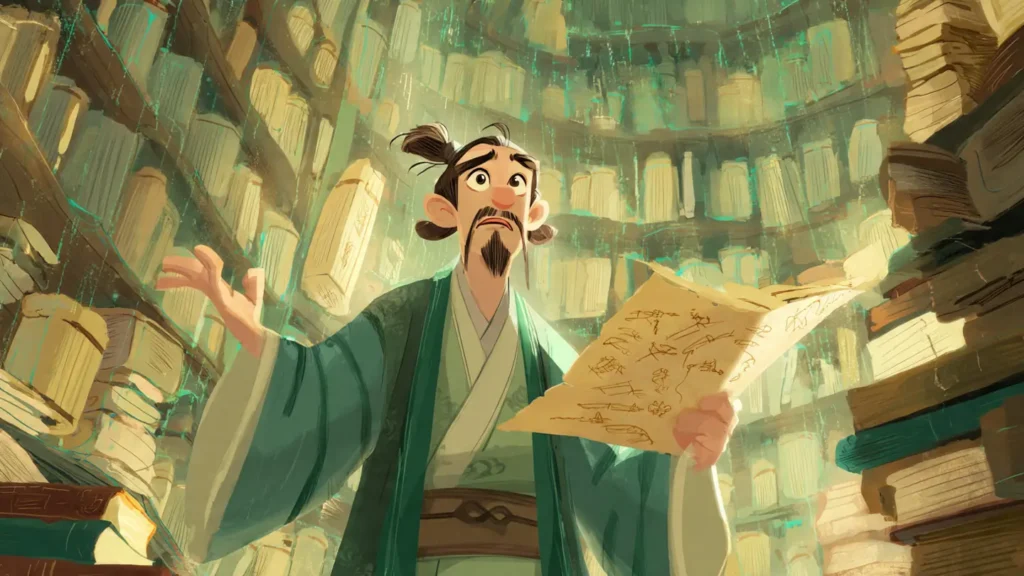
The Scum Villain’s Self-Saving System expanded the genre’s tonal range in ways that mattered. It demonstrated that cultivation fiction’s framework could support meta-comedy, genre self-awareness, and genuinely funny character writing without sacrificing emotional payoff.
Shen Qingqiu’s transmigration into a villain role he recognises from a web novel he hated is one of the genre’s most creative premises, and Mo Xiang Tong Xiu executes it with a lightness that other authors rarely manage.
Landmark because: It proved cultivation fiction’s tonal range extended to self-aware comedy without losing what makes the genre worth reading.
Tales of Demons and Gods – Mad Snail
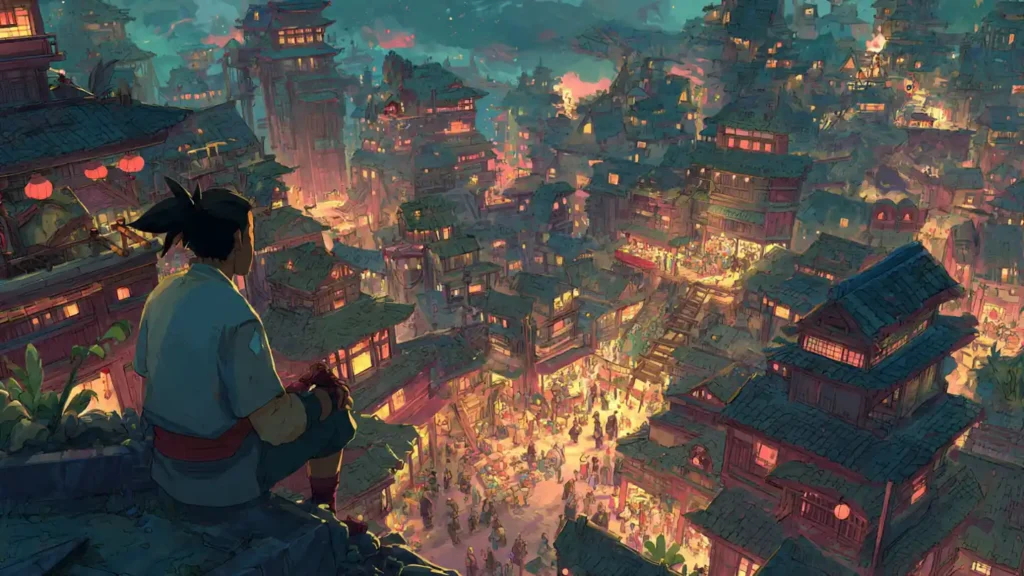
Tales of Demons and Gods is on this list primarily for the influence of its manhwa adaptation, which introduced xianxia to a massive readership who had never encountered the webnovel format.
The reincarnation premise. Nie Li, returning to his youth with full knowledge of the future, was not invented by Mad Snail, but its execution here and the subsequent manhwa adaptation made it the template that hundreds of subsequent series followed. Its place in the genre’s history is secured regardless of its standing relative to the tier-one and tier-two picks.
Landmark because: Its manhwa adaptation is one of the most important gateway texts in cultivation fiction’s crossover to Western audiences.
Honourable Mentions

These novels did not make the main list but deserve acknowledgment for readers looking beyond the core picks.
The Beginning After The End by TurtleMe is the best English-language cultivation-adjacent novel for readers who want Western fantasy structure with xianxia progression mechanics, and its handling of character development across a very long run is impressive.
Martial World and True Martial World by Cocooned Cow are the best examples of high-quality traditional xianxia with strong internal consistency in their power systems, and both are recommended for readers who specifically want the classical formula executed well.
The Human Emperor by Huangfu Qi is the best cultivation-adjacent historical fiction in the genre, combining Tang Dynasty history with xianxia power mechanics in ways that reward readers interested in the historical dimensions of cultivation fiction’s cultural roots.
He Who Fights With Monsters by Jason Cheyne is the best English-language entry point for Western readers who want the cultivation progression structure without the cultural translation step that Chinese xianxia requires.
Quick-Reference Comparison Table
| Novel | Author | Genre | System type | New reader friendly | Completed |
|---|---|---|---|---|---|
| Lord of the Mysteries 1, 2 | Cuttlefish That Loves Diving | Xuanhuan | Sequence pathways | Moderate | Yes |
| Reverend Insanity | Gu Zhen Ren | Xianxia | Gu worm system | No | Ongoing |
| I Shall Seal the Heavens | Er Gen | Xianxia | Multi-framework | Moderate | Yes |
| A Record of a Mortal’s Journey to Immortality | Wang Yu | Xianxia | Classical ladder | Yes | Yes |
| The Legend of Condor Heroes | Jin Yong | Wuxia | Internal energy | Yes | Yes |
| A Will Eternal | Er Gen | Xianxia | Extended xianxia | Yes | Yes |
| Beware of Chicken | Casualfarmer | Progression fantasy | Farming qi | Very easy | Ongoing |
| Battle Through the Heavens | Heavenly Silkworm Potato | Xianxia | Dou Qi system | Yes | Yes |
| Coiling Dragon | I Eat Tomatoes | Xuanhuan | Dual cultivation | Yes | Yes |
| The Scum Villain’s Self-Saving System | Mo Xiang Tong Xiu | Danmei xianxia | Classical qi | Yes | Yes |
| Tales of Demons and Gods | Mad Snail | Xianxia | Soul force | Yes | Ongoing |
Frequently Asked Questions
What is the best cultivation novel of all time?
By community consensus and critical analysis, Lord of the Mysteries by Cuttlefish has the strongest claim. It pairs an exceptionally sophisticated power system with consistently high-level execution. Reverend Insanity and I Shall Seal the Heavens remain top contenders, making all three parts of any serious discussion of the genre’s peak.
What is the best cultivation novel for beginners?
A Record of a Mortal’s Journey to Immortality and Beware of Chicken are the three most recommended entry points, covering three different approaches to the genre. ARMJTOI is the best classical xianxia entry. Beware of Chicken is the best entry for readers with no prior xianxia experience who want an accessible, warm starting point.
Is Reverend Insanity really worth reading despite the antihero protagonist?
Yes, provided you understand what you are committing to. Fang Yuan is not written to be conventionally likable. The novel’s strength lies in the rigor of his logic and the originality of its Gu cultivation system. Readers comfortable with a morally extreme protagonist may find it among the genre’s most original works. Those wanting a sympathetic lead should begin elsewhere.
How does Er Gen rank among cultivation novel authors?
Er Gen is the most consistently beloved author in the genre and the only writer with two novels in this list’s essential tier: I Shall Seal the Heavens and A Will Eternal. His strengths are emotional architecture, long-term plotting, and making breakthroughs feel meaningful. His main weaknesses are mid-arc pacing issues and occasional inconsistency across very long runs.
What is the difference between xianxia and xuanhuan cultivation novels?
Xianxia is rooted in Chinese Daoist cultivation traditions such as qi, dantian, immortal realms, spiritual roots, and the classic progression from Qi Condensation upward. Xuanhuan is broader, blending cultivation with Western fantasy or original systems. Lord of the Mysteries is xuanhuan, using a Sequence pathway system in a Victorian-inspired world with Western occult influences.
Are there cultivation novels as good as Lord of the Mysteries that most readers have not heard of?
The Human Emperor by Huangfu Qi is often underrated in Western communities due to incomplete translation exposure. Martial World remains underappreciated relative to its quality as a classic xianxia. Among English progression fantasy, A Practical Guide to Evil deserves more crossover attention from cultivation readers. All are worthwhile after the main essentials.
Which cultivation novel has the best power system?
Reverend Insanity has the most original cultivation system through its distinctive Gu worm framework. Lord of the Mysteries offers the most elegantly structured system with its Sequence pathways. A Record of a Mortal’s Journey to Immortality delivers the most rigorous classical implementation. The best depends on whether you value originality, elegance, or mechanical rigor most.
Final Thoughts
My reading cultivation fiction has given me strong opinions about this list and genuine uncertainty about parts of it. The top three are not in doubt. LOTM, Reverend Insanity, and ISSTH are the genre’s absolute peaks by any serious measure, and their placement reflects years of community consensus alongside personal conviction.
The essential tier is where the genuine complexity lives. A Record of a Mortal’s Journey to Immortality belongs there by quality. The Legend of Condor Heroes belongs there by historical significance and the impossibility of understanding the genre’s literary values without it. Beware of Chicken belongs there because it changed what the genre was capable of reaching, and that matters as much as internal quality for any honest all-time assessment.
If you are new to cultivation fiction and want to know where to start from this list, the answer is simple. If you want the genre at its literary best and are prepared to invest in a slow build, start with LOTM. If you want the genre’s emotional peak in the traditional xianxia form, start with ISSTH. If you want the most accessible entry point that will give you an accurate sense of what makes cultivation fiction worth reading, start with Beware of Chicken and move to the classical picks once it has convinced you.
The genre has a decade of my reading life in it. These are the novels that deserved it most.
Related Articles
- 7 Best Cultivation Novels With An OP MC Ranked
- Best Xianxia Novels of 2026: From Hidden Gems to Legends
- 13 Best Cultivation Novels With No Harem [2026 Picks]
- 7 Best Completed Cultivation Novels [2026 Binge List]
- 7 Female MC Cultivation Novels Where the Female MC Shines [2026]
- 9 Best Progression Fantasy Books 2026 [Ranked List]
- What Is Fantasy? Do Cultivation Novels Actually Qualify?
- 12 Best Dragon Books of 2026 [From the Hobbit to Seraphina]
2 Comments