
 By
By Quick takeaways:
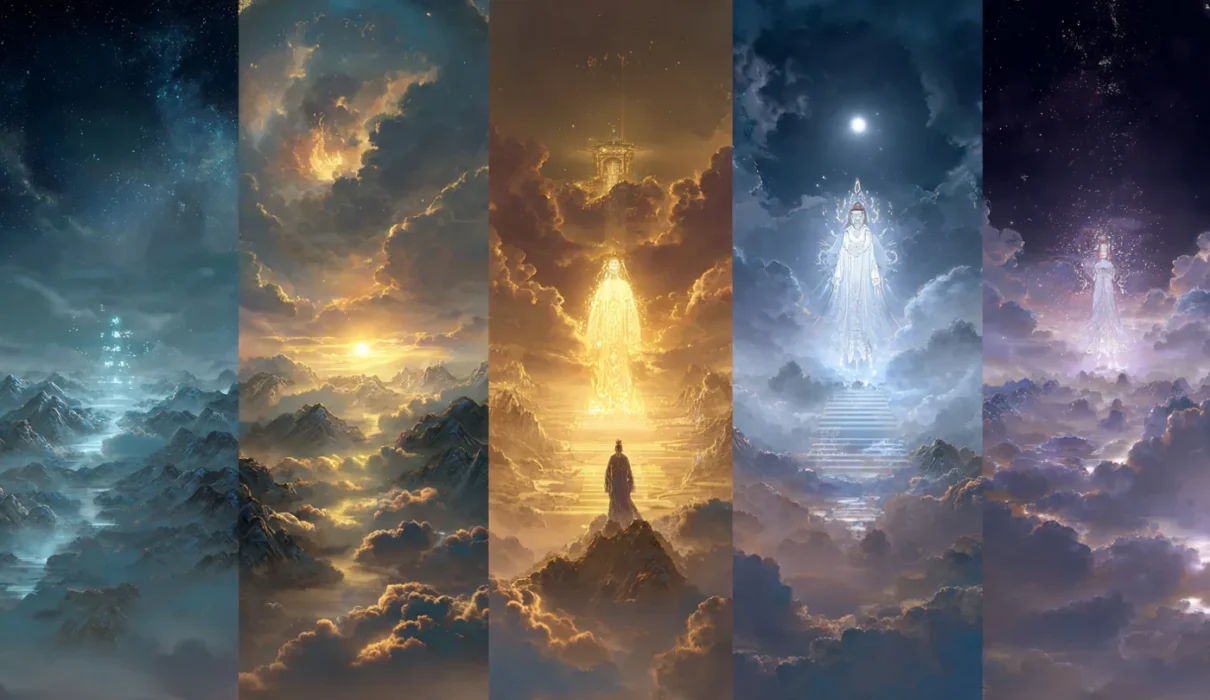
- Cultivation stages are the progression stages a cultivator moves through on the path from ordinary mortal to immortal, each one representing a fundamental transformation of body, mind, and qi
- No two xianxia series use exactly the same realm names, which is one of the most common points of confusion for new readers
- Most systems share the same broad structural logic: a mortal stage, a qi-refining stage, a core or soul formation stage, and an ascending immortal stage
- Tribulation events mark the transitions between the major cultivation stages. They are not optional, and failing one is usually fatal
- Understanding the shared logic underneath different naming systems makes switching between series dramatically easier
One of the most disorienting experiences for a new xianxia reader is picking up a second novel after their first and discovering that all the realm names have changed. The Foundation Establishment stage you learned in A Record of a Mortal’s Journey to Immortality does not appear in Battle Through the Heavens. The Nascent Soul that felt so significant in one series has a completely different name and slightly different implications in another.
After navigating tens of novels, I have watched more readers give up on their second cultivation novel than their first, not because the second novel was worse, but because the new terminology felt like starting over from scratch. Sometimes the problem is not with the author but the translator, especially AI translations, where cultivation stage names get confusing.
One example is the Martial Emperor and the Martial Sovereign realm. AI translation always confuses them by translating them incorrectly. The Martial Emperor realm is often used for two major realms, whereas in reality, one is the Martial Sovereign realm.
It does not have to feel that way. Underneath the naming variation, virtually every xianxia cultivation system shares the same structural DNA. Once you understand the underlying logic of the progression, the specific names individual series choose become much easier to absorb. This guide maps the full journey from ordinary mortal to true immortal, explains what is actually happening at each stage, and notes where major series diverge so you can navigate between them confidently.
Why Realm Names Differ So Much Across Series
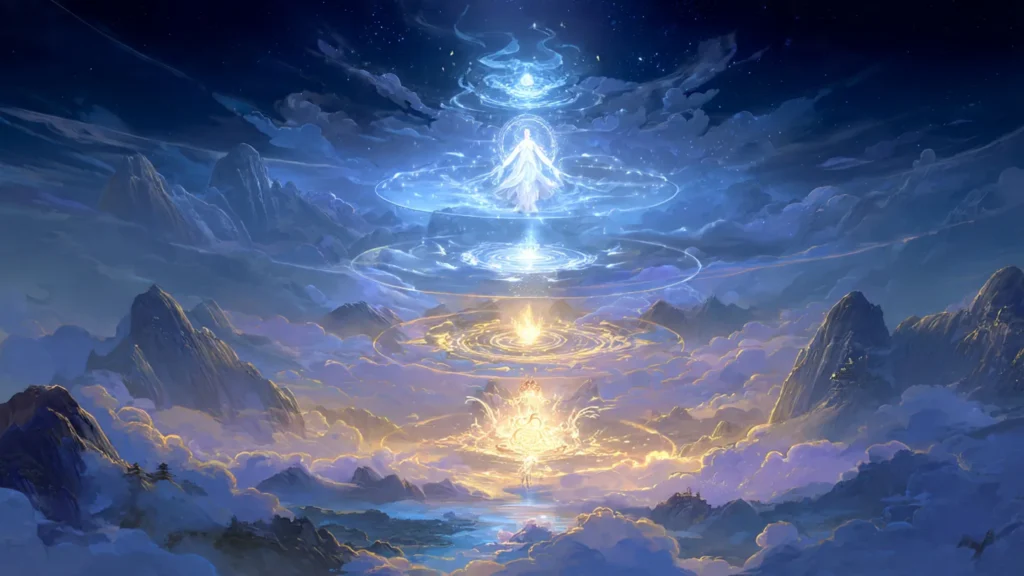
Before diving into the cultivation stages themselves, it is worth explaining why the naming inconsistency exists at all, because understanding this saves a lot of confusion later.
Cultivation fiction draws on genuine Chinese philosophical and religious traditions: Daoist internal alchemy, Buddhist path frameworks, and classical Chinese cosmological thinking. These traditions use specific terms for stages of spiritual development, but they do not agree with each other on a single unified ladder. Different xianxia authors draw on different traditions, invent their own terminologies, or deliberately create unique systems as part of their worldbuilding.
The result is that A Record of a Mortal’s Journey to Immortality uses one framework rooted in classical Daoist cultivation terminology, while Martial Peak uses an almost entirely invented system with different names and subcategories, while Martial God Asura uses yet another framework, and Snake Immortal Tale uses yet another still.
What they share is structure. Almost every system has a mortal starting point, a series of qi-refining stages, a transformative middle tier where the cultivator’s fundamental nature begins to change, and ascending immortal tiers that most cultivators will never reach. The names differ. The architecture is consistent.
The Mortal tier: Before Cultivation Begins
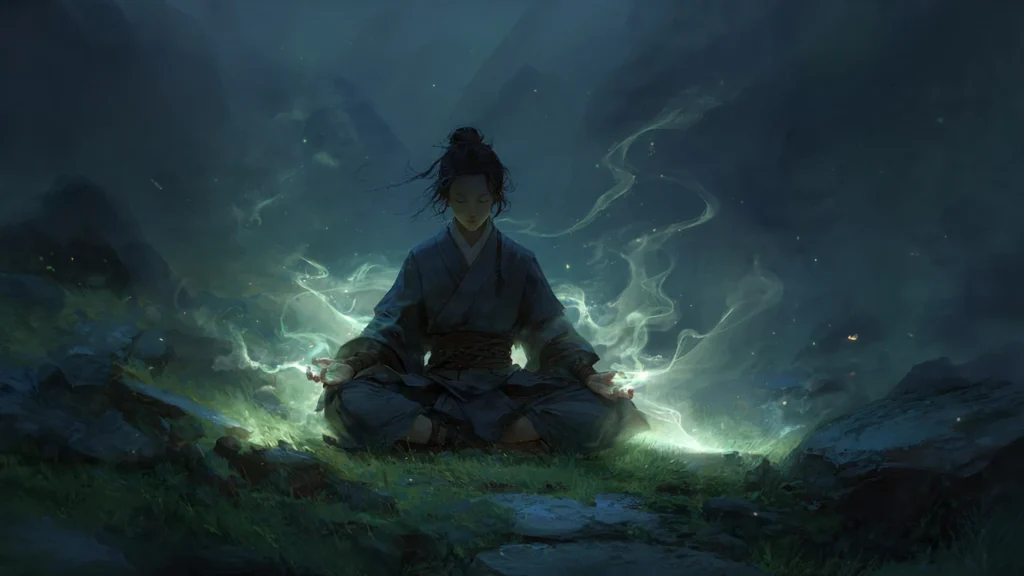
Every cultivation journey starts here. Mortals cannot absorb or circulate qi, have no spiritual root activation, and have a natural lifespan of perhaps seventy to one hundred years. In most xianxia worlds, the vast majority of the population lives and dies at this level. You guessed right, not everyone is a cultivator in the Xianxia world, there exist little mortal humans like you and me 🙂
What distinguishes this stage: To call it a cultivation stage would be wrong, as there is no cultivation at this level. No qi cultivation is possible by conventional means. A mortal can practice martial arts and achieve extraordinary physical conditioning, but the wuxia tradition sits here, but they cannot break through into the spiritual cultivation that defines xianxia power scaling. The ceiling is the human body’s natural limits.
The transition point: Spiritual root activation through an aptitude test, awakening of a martial soul, a lucky encounter with a cultivation manual, a fortuitous qi absorption event, or a master recognising potential. This transition is often the opening scene of a cultivation novel. The protagonist crosses out of the mortal tier, and the story begins.
Series variation: Some novels spend considerable time in the mortal tier establishing the protagonist’s character before cultivation begins. I Shall Seal the Heavens opens with Meng Hao as a mortal scholar. A Record of a Mortal’s Journey to Immortality establishes Han Li’s background thoroughly before he enters the world of cultivation. Other series begin at the moment of cultivation awakening or even after, treating the mortal origin as backstory.
I think the protagonist’s character development in the mortal stage is very important, as a fellow mortal, the reader feels more connected to the MC.
The Qi-Gathering Stage: The First Steps
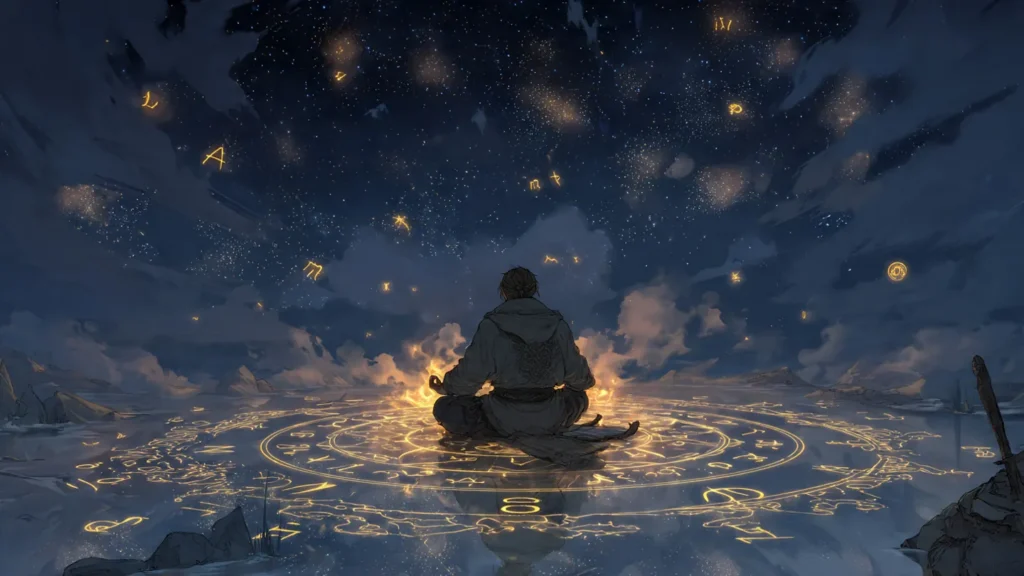
This is where cultivation begins. The cultivator starts absorbing spiritual qi from the environment and storing it in their dantian. The body begins its first transformations, nothing dramatic yet, but the foundation is being laid.
Classic Stage Names for This Tier
Body Tempering or Martial Mortal, in systems that include pre-qi physical cultivation as a formal stage. The cultivator uses qi to strengthen and refine the physical body before attempting to circulate it internally.
Qi Condensation or Spirit Gathering, in classical xianxia frameworks. This is the first cultivation stage where MC learns to draw qi in, compress it, and begin building internal reserves. Most systems subdivide this into nine or more minor stages. Han Li enters Qi Condensation early in A Record of a Mortal’s Journey to Immortality, and the novel is meticulous about what each sub-stage involves and requires.
Houtian and Xiantian, terms that appear in more classically oriented systems. Houtian cultivation refers to post-natal training — techniques that work with the body as it already is. Xiantian represents a qualitative breakthrough where the cultivator achieves a purer, more fundamental connection with qi. Crossing the Xiantian threshold is often treated as a significant landmark even though it sits early in the overall progression. The Nine Star Hegemon Body Arts uses Houtian and Xiantian as cultivation stages.
What a cultivator can do at this tier: Basic qi circulation, minor physical enhancement, the earliest combat applications of qi, and a dramatically extended lifespan compared to mortals, though still far from immortal. A peak Qi Condensation cultivator might live two to three hundred years. Cultivators at this cultivation stage can still smoke more than 90 percent of Western comic heroes, xD.
Series variation: Battle Through the Heavens uses Dou Qi ranks that roughly map onto this early tier while having their own internal logic. Tales of Demons and Gods uses soul force ratings. The underlying experience of gradually accumulating power and facing increasingly difficult obstacles is identical across all of them.
The Foundation Stage: Building Permanence
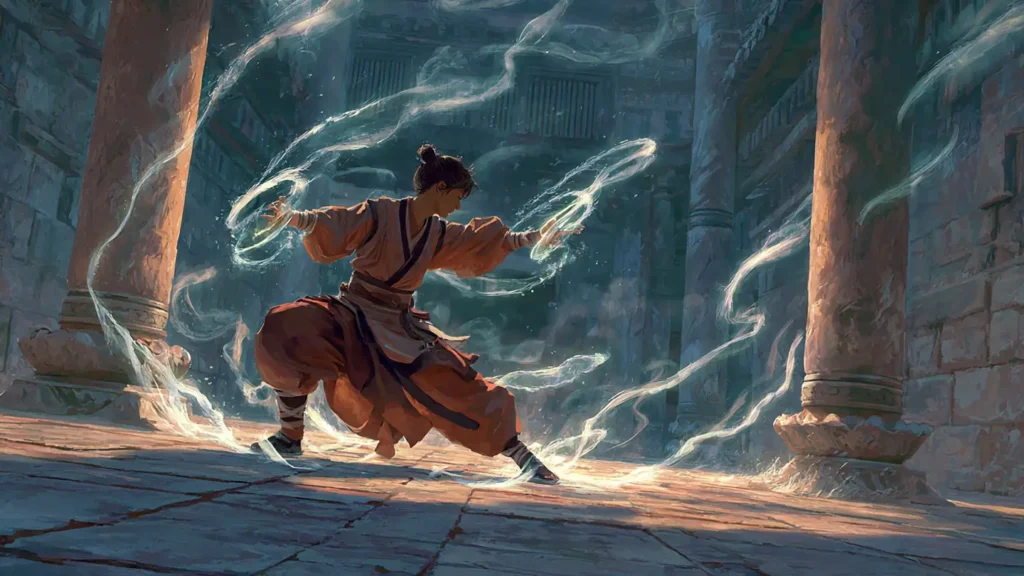
This cultivation stage represents the cultivator’s first truly irreversible transformation. The qi gathered in the previous tier is used to establish a permanent cultivation foundation, in classical systems, a literal Foundation in the dantian that changes the cultivator’s body at a fundamental level. This is the most important cultivation stage in a cultivator’s journey. This is where MC builds the Invincible foundation for future realm advancements.
Classic Stage Names
Foundation Establishment, the term used in A Record of a Mortal’s Journey to Immortality and many classically oriented xianxia. This is a major breakthrough requiring a Foundation Establishment Pill or equivalent resource in most series, and failing the attempt is not uncommon. Han Li’s repeated failed attempts to establish his Foundation are among the novel’s defining early arcs.
Spirit Building or Spirit Condensation in some frameworks. The principle is the same: a qualitative leap that establishes a permanent base for future cultivation rather than a temporary accumulation.
What a cultivator can do at this stage: Genuine combat capability beyond what physical training alone can produce, flight in some systems, more sophisticated technique usage, and a lifespan measured in centuries. Foundation Establishment cultivators are respected figures in most cultivation societies. They have crossed a threshold that the majority of qi-gathering cultivators never manage. In terms of power scaling, cultivators at this cultivation stage are powerful enough to flatten a small town.
The key reader insight: Foundation Establishment is often where the gap between talented and mediocre cultivators first becomes clearly visible. A perfect Foundation achieved through exceptional resources, talent, or both yields significantly better results than a cracked or impure one. This is why sects invest so heavily in talented young disciples at this stage.
The Core and Soul Stage: Fundamental Transformation
This is the cultivation stage where cultivation fiction’s most iconic stages live, and where the protagonist of a typical xianxia novel will spend the majority of their early-to-mid story arcs. The cultivator is no longer simply accumulating qi. They are transforming their fundamental nature.
Core Formation, in classical frameworks. The diffuse spiritual qi accumulated through Foundation Establishment is compressed and refined into a Golden Core in the dantian. This is not a metaphor. The Golden Core is a literal object, a crystallization of the cultivator’s power and spiritual insight. Its quality at formation determines the cultivator’s ceiling for the entire next phase of their development. A perfect golden core is the foundation of future greatness. A cracked or impure core is a permanent limitation.
A Core Formation cultivator has crossed a meaningful threshold in most cultivation worlds. Lifespan extends to five hundred years or more. Combat power reaches a level where a single cultivator can defeat entire armies of Foundation Establishment opponents. Flying swords, complex elemental techniques, and the first genuine Dao insights become accessible here.
Nascent Soul, the stage that follows Core Formation in the most widely used classical framework. The Golden Core eventually gestates into a Nascent Soul, a spiritual infant that embodies the cultivator’s accumulated power, understanding, and personality in a concentrated, portable form. This transformation is one of the most significant in the entire cultivation journey because the Nascent Soul can, in most systems, survive the destruction of the physical body and eventually form a new one.
The Nascent Soul stage is where most supporting characters in classical xianxia cap out. Reaching Nascent Soul is an achievement that marks a cultivator as exceptional. The elders who run powerful sects are typically Nascent Soul cultivators. Protagonist rivals at mid-novel are often Nascent Soul.
The stage carries enormous weight in series like A Record of a Mortal’s Journey to Immortality, where Han Li’s long struggle toward Nascent Soul formation forms a central narrative spine. They can flatten a large city easily. The cultivators at this stage are almost superman-level.
Soul Formation and Void Refinement, in systems that extend the classical framework further. The Nascent Soul matures and eventually integrates more deeply with the cultivator’s understanding of the Dao, producing increasingly subtle but powerful transformations. The cultivator begins to interact directly with the laws of heaven and earth rather than simply channeling qi through them. A cultivator at this cultivation stage can survive in extreme environments.
Series variation across this entire stage: Coiling Dragon uses Magus and Dragon Beware of Chicken parallel progression systems with their own tier names. Battle Through the Heavens uses Dou Zong, Dou Zun, and ascending Dou Di rankings. Martial God Asura uses Martial King, Martial Emperor, and Half Martial Ancestor as stage names for roughly equivalent levels. The reader who understands what Core Formation and Nascent Soul represent in structural terms will recognize their equivalents in any system they encounter.
The Immortal-Approaching Stages: Heaven Reaching

This is where even dedicated readers start losing track across series, because the cultivation stages here are named more variably, and the power scaling becomes more abstract. The cultivator is no longer operating within the normal laws governing mortals. They are beginning to transcend them.
Body Integration, in extended classical frameworks. The Nascent Soul and the physical body, which have been developing somewhat independently through the previous stages, fully unify. The cultivator becomes a qualitatively different kind of entity, not quite immortal yet, but no longer operating under purely mortal constraints. Cultivators at this cultivation stage can give Superman Prime a run for his money.
Mahayana, a term borrowed from Buddhist philosophy that appears in many classical xianxia systems. This is the final cultivation stage before true immortal transcendence. Mahayana cultivators are extraordinarily rare in a typical cultivation world. There might be only a handful in a major region. Their combat power operates on a different scale from everything below, and their understanding of the Dao has reached a level where they perceive reality in ways lesser cultivators cannot.

Tribulation Transcendence, the crossing point into immortality proper. The heavenly tribulation at this stage is the most severe a cultivator faces. lightning, fire, and other manifestations of heaven will attempt to destroy the cultivator before they can break free of mortal limits entirely. Failing this tribulation is final. Succeeding produces a True Immortal. Now we are talking interstellar-level powers. A cultivator in this cultivation realm can easily destroy a star.
Series variation: Many novels compress or rename these stages significantly. I Shall Seal the Heavens uses its own framework of Spirit Severing, Dao Seeking, and Ancient Realm stages that serve the same structural function while having their own specific implications. Against the Gods uses Divine Profound Realm stages at this level. The key structural marker the point where cultivators begin transcending the laws governing the mortal world, is consistent across all of them.
The Immortal and Sovereign tier: Beyond Mortal Limits
Here, the geography of cultivation systems diverges most dramatically, because authors face the creative challenge of describing power and existence that has no meaningful human reference point. I mean, seriously, cultivators at these cultivation stages are so powerful that it’s hard to describe. They are simply galactic to universal and multiversal level entities at this level.
True Immortal and Golden Immortal, in systems that follow the classical Chinese immortal hierarchy. The cultivator has survived their tribulation and entered the immortal realm proper. They can no longer inhabit the mortal world comfortably. Their qi density alone disrupts it. Lifespan is no longer a meaningful concept. Power scales that were previously comprehensible become difficult to express in concrete terms. Destroying a star system is so easy for them as it is drinking water for us.
Dao Lord and Dao Ancestor are terms that appear in multiple major series. These stages represent cultivators who have not only entered immortality but have achieved fundamental insights into the laws of the universe itself. A Dao Ancestor does not simply use the laws of reality but partially embodies them. In terms of power scaling, they are true universe-level entities.
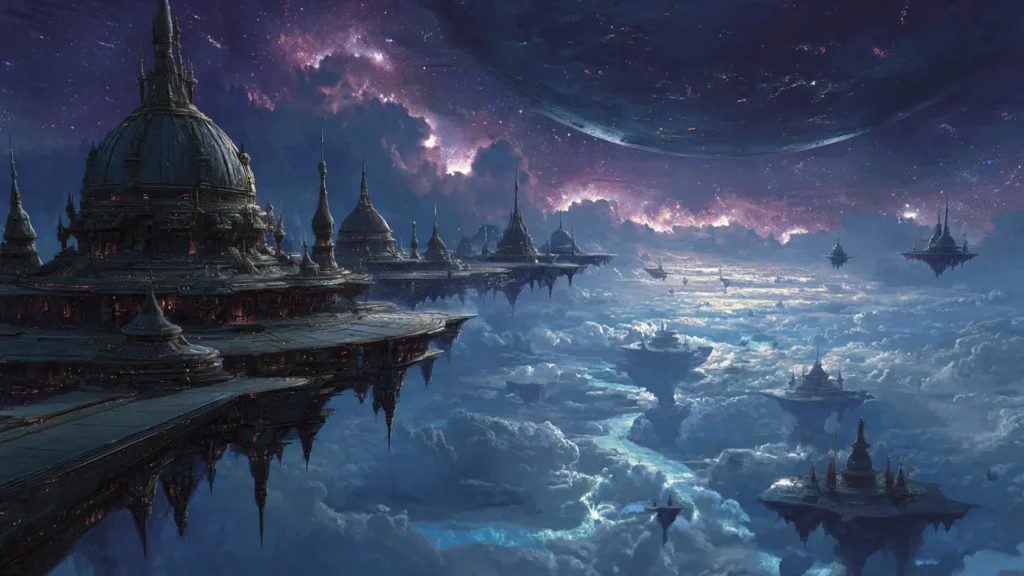
Great Emperor and Immortal Emperor, terms used in series like Against the Gods and several others. These represent the peaks of power within their respective systems, figures so far beyond ordinary immortals that they are effectively forces of nature. Cultivators at this cultivation stage are true overlords and dominators of the world. The concept of time is irrelevant to them. They can traverse the river of time and go to the past and the future.
Sovereign and Chaos Realm stages, in novels that push the escalation furthest. Some series, particularly those with very long chapter counts, continue expanding the ceiling indefinitely, adding new tiers above what previously seemed like the apex. This is a legitimate worldbuilding choice, though it occasionally strains credibility when handled without care. The cultivators at this stage are multiversal and omniverse level, they can create and destroy universes as they like, they create their own universes and cultivation systems.
The honest reader’s perspective: After 10 years, I have noticed that the immortal and sovereign tiers are where cultivation novels most frequently lose their structural coherence. The mortal-to-nascent-soul journey almost always feels earned and comprehensible because the stakes are human-scaled. The immortal tiers work best when authors anchor them to continued character development and philosophical stakes rather than relying purely on increasingly large numbers. The series that handles this best, Lord of the Mysteries being my personal favorite example, uses the upper tiers to explore what it actually means to hold that much power, rather than simply demonstrating that the protagonist has more of it than anyone else.
Quick Reference: Realm Names Across Major Series
The table below maps equivalent stages across five major series. Stages in the same row represent roughly comparable levels of power and cultivation development, not exact equivalents.
| Structural tier | ARMJTIA | Battle Through the Heavens | I Shall Seal the Heavens | Against the Gods | Martial God Asura |
|---|---|---|---|---|---|
| Mortal | Mortal | Mortal | Mortal | Mortal | Mortal |
| Qi gathering | Qi Condensation | Dou Zhi | Qi Condensation | Elementary Profound | Spirit Profound |
| Foundation | Foundation Establishment | Dou Ke / Dou Zhe | Foundation Establishment | Nascent Profound | Earth Profound |
| Core formation | Core Formation | Dou Ling / Dou Wang | Core Formation | True Profound | Sky Profound |
| Soul tier | Nascent Soul | Dou Zong / Dou Zun | Spirit Severing | Emperor Profound | Martial King |
| Pre-immortal | Soul Formation / Void Refinement | Dou Sheng | Dao Seeking | Sovereign Profound | Martial Emperor |
| Immortal threshold | Body Integration / Mahayana | Half-Dou Di | Ancient Realm | Divine Profound | Exalted |
| True immortal | True Immortal | Dou Di | Allheaven Dao Immortal | Divine Master | True God |
| Sovereign | Great Emperor and above | Heavenly Spirit and Beyond | Beyond Allheaven | Creation God Level | Heavenly God and Above |
Note: These mappings are approximate. Each series has its own internal logic, and stages that share a row are structurally similar without being functionally identical.
Frequently asked questions
What is the first cultivation stage in most xianxia novels?
The first formal cultivation stage is usually Qi Condensation or Spirit Gathering, where the cultivator absorbs ambient qi and forms internal reserves. Some systems include Body Tempering before this. Regardless of name, it marks the transition from ordinary mortal into the world of cultivation.
What comes after Nascent Soul in cultivation novels?
In classical xianxia, Nascent Soul is followed by Soul Formation, Void Refinement, Body Integration, Mahayana, and finally Tribulation Transcendence into true immortality. Not all series use every stage or the same names. A Record of a Mortal’s Journey to Immortality explores one of the most complete versions of this progression.
Why do different cultivation novels use different stage names?
Different authors draw on varied Chinese philosophical traditions or invent their own systems. There’s no single authoritative cultivation framework. But understanding the shared structure, mortal, qi-refining, core-soul, and immortal tiers makes it easier to follow each series’ unique terminology.
What is the Mahayana cultivation stage?
The Mahayana stage is a late cultivation realm just before immortality. The cultivator has unified body, soul, and qi, and begins aligning with cosmic laws. It serves as the final preparation before Tribulation Transcendence, where one attempts to ascend into true immortality.
What is a tribulation in cultivation novels?
A tribulation is a heavenly trial at major breakthrough, where destructive forces like lightning or fire test the cultivator. It attempts to block advancement, and failure often means death or regression. These high-stakes trials are a defining feature of xianxia’s drama and scale.
How long does it take to advance through cultivation stages?
Progress varies widely, but generally: lower stages take years or decades, middle stages decades to centuries, and upper stages millennia or may never be reached. Breakthrough speed is a key narrative tool. Unusually fast advancement signals exceptional talent, outside help, or a unique advantage.
Do all cultivation novels follow the same realm structure?
No. The classical Qi Condensation–to–Tribulation Transcendence ladder is common, but many series use entirely different systems. Lord of the Mysteries uses a Sequence 9–0 pathway, while The Beginning After the End follows a mage-style progression. The core logic, accumulation, transformation, and transcendence, remains consistent.
Final thoughts

Every cultivation realm, regardless of what a particular series calls it, represents the same fundamental thing: a cultivator refusing to accept the ceiling the world assigned them and working, chapter by chapter, to push through it. The specific terminology is the surface. The journey is the substance.
After a decade of switching between series and re-learning naming conventions each time, the framework I keep returning to is simple. Ask yourself where a character sits on the mortal-to-sovereign spectrum in terms of what they can do, how long they will live, and what their relationship to heaven’s laws is. Those three questions will orient you in any cultivation system faster than trying to memorize series-specific stage names.
The table above is a starting point. NovelUpdates and dedicated series wikis are the best places to go deeper on any individual system. And if you want to understand not just what the realms are called but why moving through them feels so compelling to read, our piece on what makes cultivation novels psychologically appealing is worth the time.
The path from mortal to immortal is long. That is exactly the point.
Related Articles
- Best Xianxia Novels of 2026: From Hidden Gems to Legends
- 13 Best Cultivation Novels With No Harem [2026 Picks]
- 12 Best Cultivation Novels [Ranked by Genre Fans]
- 7 Female MC Cultivation Novels Where the Female MC Shines [2026]
- 9 Best Progression Fantasy Books 2026 [Ranked List]
- 13 Fantasy Genres Ranked: Which One Actually Suits You?
- How Fast Would You Die in a Cultivation Novel World?
Sources & Further Reading
- Stanford Encyclopedia of Philosophy – Daoism
- Joseph Needham, Science and Civilisation in China
- Dao De Jing (Tao Te Ching)
- Zhuangzi
- Taoist Alchemy insights on Neidan and Waidan
- Stanford Encyclopedia of Philosophy – Heart Mind in Chinese Philosophy
- Wing-tsit Chan – A Source Book in Chinese Philosophy
- Daoism and Chinese Culture – Livia Kohn
- Damien Keown – Buddhism: A Very Short Introduction
- Birrell, Anne. Chinese Mythology: An Introduction.