
 By
By Quick Takeaways:
- What is Cultivation? At its core, it is the claim that an ordinary being can deliberately transform into something categorically greater through sustained personal effort combined with genuine understanding, not through a single granted event
- The real word behind the entire genre is xiu, a character used across Confucian, Daoist, and Buddhist thought for over two thousand years, long before any novel used it
- The actual Chinese term for this genre, xiuxian, literally means cultivating toward immortality, which tells you the fiction never hid what concept it was built on
- Cultivation’s core promise, that anyone with sufficient will and understanding can climb the ladder, is what separates it structurally from Western chosen one and inherited magic traditions
- Understanding this one premise properly changes how every other genre convention I’ve written about on this blog, realms, Dao Heart, qi, actually clicks together
I’ve written a fair amount on this blog about the individual pieces of cultivation fiction, the realms, the Dao Heart, the tiered cosmology a protagonist eventually climbs through. What I haven’t done yet is stop and actually answer the question sitting underneath all of it: what is cultivation, as a concept, before any of those specific mechanics get bolted on top of it.
That’s worth doing properly, because the answer isn’t just genre trivia. It’s borrowed from something genuinely old, and knowing where it came from changes how the whole rest of the genre reads.
The Actual Definition
Not a Power. A Claim About Transformation
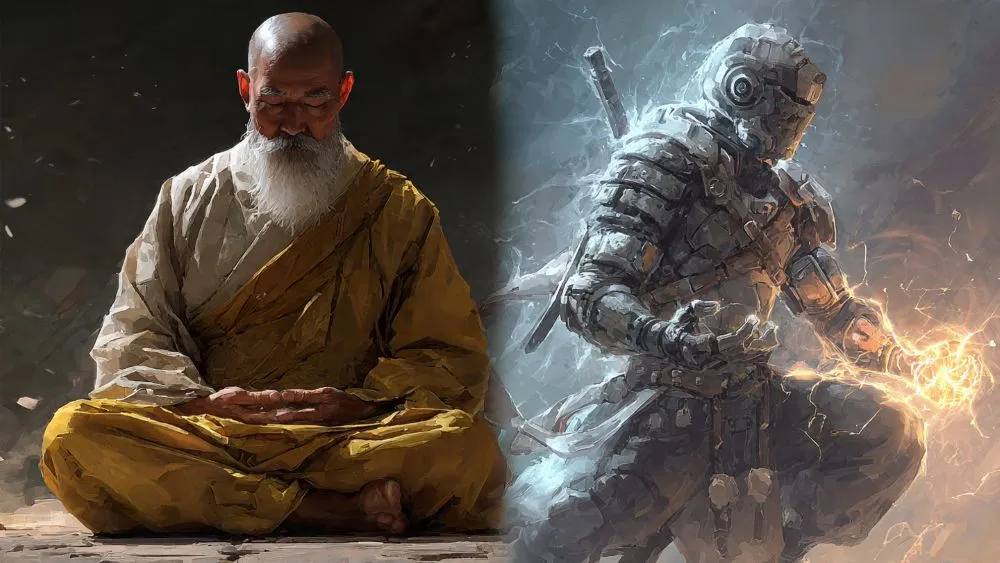
Cultivation, stripped down to its actual premise, is the claim that an ordinary being can deliberately transform into something categorically greater than what they started as, through sustained personal effort combined with genuine understanding, rather than through any single granted event.
That’s a more specific definition than it sounds, and every word in it is doing real work. Deliberate means the character is choosing this path, not stumbling into it.
Sustained means it happens across real time, not in a single transformative instant. Categorically greater means the end state isn’t just a stronger version of the same being, it’s something that’s crossed into a fundamentally different order of existence entirely, mortal into immortal, human into something closer to divine.
Why Effort Alone in the Definition Isn’t Enough
Notice I included understanding alongside effort, and that’s deliberate too. A huge number of cultivation novels like A Record of Mortal’s Journey to Immortality are explicit that raw training time isn’t sufficient on its own.
A character can meditate correctly, breathe correctly, and still plateau indefinitely if they haven’t genuinely grasped something deeper about the nature of what they’re doing. Han li emphasizes careful, incremental cultivation.
In my blog post about Dao Heart and Dao comprehension, specifically because this dual requirement, effort plus insight, is baked directly into the genre’s founding premise rather than being one optional flavor choice among several.
The Real Word Behind the Entire Genre
Xiu: One Character, Three Traditions
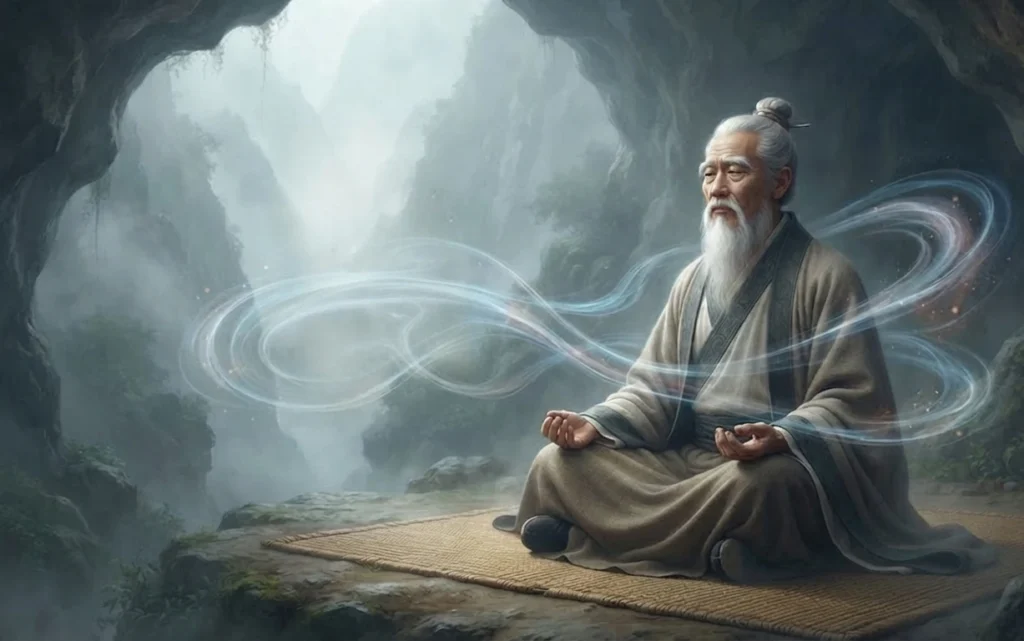
The actual term underneath all of this is xiu, 修, meaning to cultivate, refine, or practice, and it’s genuinely one of the most load bearing single characters in Chinese philosophical vocabulary. It appears across three separate traditions, each using it for a slightly different kind of self-transformation, well over two thousand years before any cultivation novel existed.
Confucian thought uses xiu in xiushen, cultivating the self, referring to moral and ethical refinement, the ongoing personal work of becoming a genuinely superior person, a junzi, through study, ritual propriety, and cultivated benevolence. Daoist internal alchemy uses xiu in neidan, internal cultivation, referring to the refinement of jing, qi, and shen toward physical transformation and eventual immortality.
Buddhist practice uses xiu in xiuxing, cultivating practice, referring to the disciplined path toward enlightenment and release from the cycle of suffering and rebirth.
The Genre’s Real Name Gives the Whole Game Away
Here’s the detail I find most genuinely clarifying. The actual Chinese term for this fiction genre is xiuxian, 修仙, which translates literally as cultivating immortality, or cultivating toward becoming an immortal. That’s not a marketing label somebody invented for a bookshelf category. It’s the same xiu character, applied directly to the specific Daoist goal the genre’s power systems most obviously borrow from.
The fiction never disguised what it was building on. It took a real philosophical verb that Chinese thought had been using for personal transformation for two millennia, and pointed it specifically at the most dramatic possible outcome, becoming a genuinely immortal being, then built an entire narrative structure to dramatize what that transformation would actually require.
Why This Definition Matters More Than It Looks
It’s a Different Kind of Power Fantasy Entirely
Once you have this proper definition, cultivation fiction’s structural difference from much of Western power fantasy becomes genuinely obvious rather than just a vague vibe.
Many Western fantasy and superhero stories grant their central advantage through a single defining event or inherited condition: Peter Parker is bitten by a radioactive spider, Harry Potter is born into a magical world, and countless heroes begin with a prophecy or bloodline that marks them as exceptional before they’ve chosen anything at all.
Cultivation fiction starts from a different default assumption. While many novels still feature advantages such as rare physiques, exceptional spiritual roots, reincarnation, or ancient inheritances, those advantages are rarely enough on their own. Han Li from A Record of a Mortal’s Journey to Immortality is a good example.
He begins with modest talent compared to many of his peers, and his progress comes less from overwhelming gifts than from patience, careful planning, relentless cultivation, and a willingness to outlast stronger opponents.
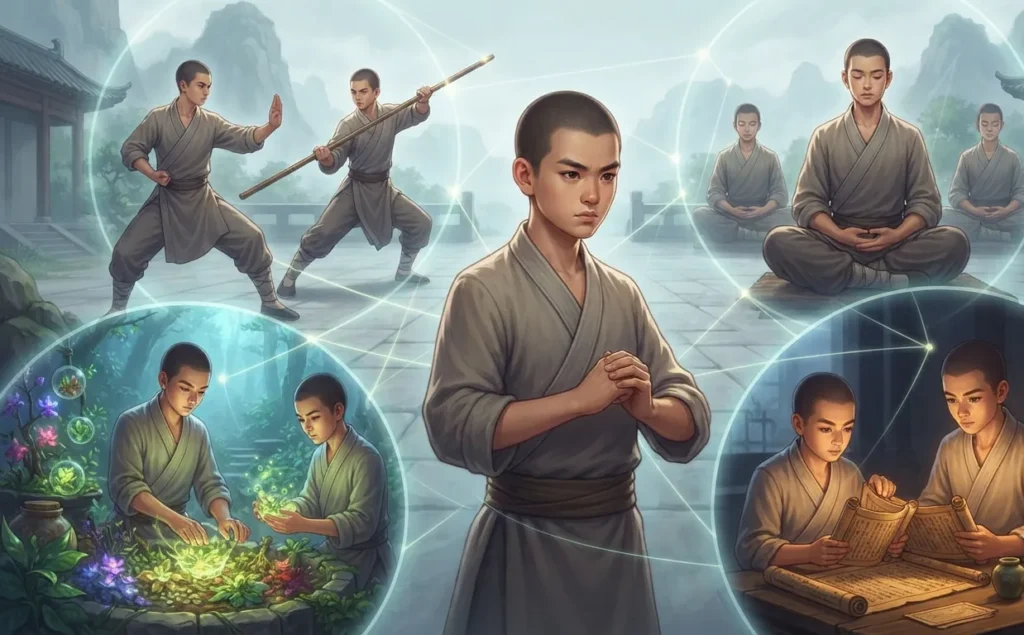
A gifted protagonist who refuses to cultivate goes nowhere, while a less talented one can often climb astonishingly far through relentless effort, accumulated experience, and genuine insight. Power is built continuously rather than granted all at once, which is exactly why cultivation novels comfortably stretch into thousands of chapters.
The premise itself rewards that kind of length. You can’t convincingly dramatize a decades-long process of gradual transformation in three hundred pages the way you can dramatize a single radioactive spider bite.
The Meritocratic Promise Underneath the Whole Genre
This is also where I think cultivation fiction makes its most genuinely appealing structural promise. In principle, anyone with a body and sufficient will and understanding can climb this ladder. Talent and spiritual root still matter at the margins, and I’ve written about that system elsewhere, but the fundamental door is open to effort in a way that inherited magical bloodlines and chosen one prophecies simply aren’t.
That’s the specific emotional engine behind the genre’s most beloved trope, the dismissed nobody who turns out capable of climbing further than anyone expected. It only works as a satisfying trope because the underlying premise genuinely holds that the ladder was always climbable by anyone willing to actually do the climbing.
The Real History Sitting Underneath the Fiction
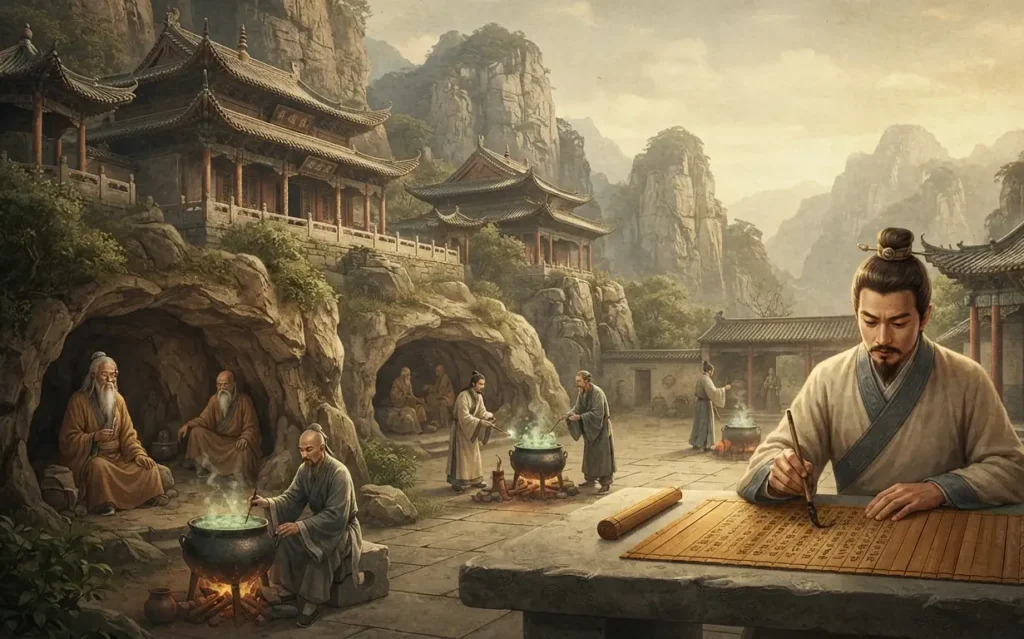
Ge Hong and a Genuinely Serious Attempt
This premise wasn’t invented for entertainment. Real historical figures took the goal of cultivated immortality with complete seriousness. Ge Hong, a scholar and alchemist active in the third and fourth centuries CE, wrote the Baopuzi, a genuinely foundational Daoist text laying out specific methods, breathing techniques, dietary practices, and alchemical formulas, that a practitioner could follow toward achieving physical immortality.
Ge Hong wasn’t writing fiction. He was documenting what he understood to be an actual, achievable practice, built on the same underlying premise cultivation novels still use today, that a person’s own sustained effort and understanding could produce a transformation ordinary human biology shouldn’t allow.
The Part the Fiction Usually Leaves Out
I’ve briefly discussed darker historical footnote in my previous blog post, and it’s worth restating briefly because it’s the part cultivation fiction almost never dramatizes honestly. Several real Tang dynasty emperors died from consuming alchemical elixirs prepared through exactly this pursuit, the waidan or external alchemy tradition, frequently containing mercury and other genuinely toxic compounds.
That’s a sobering real cost sitting underneath a premise that fiction usually renders as pure adventure. The actual historical pursuit of cultivated immortality had genuine casualties. Knowing that, honestly, makes we me appreciate the fictional version more rather than less, because it means the genre’s core fantasy is dramatizing something people once risked, and sometimes lost, their actual lives attempting.
What This Means for How You Read the Genre

Every Other Concept Follows From This One
Once you hold this proper definition, cultivation, effort plus understanding, transforming an ordinary being into something categorically greater, every other piece of genre machinery I’ve written about elsewhere on this blog clicks into place as a specific answer to a specific question this premise raises.
Realms exist to measure progress along that transformation in legible stages. Qi and the dantian exist to give the effort a concrete, trackable resource. Dao Heart exists because the definition specifically requires genuine understanding alongside raw effort, and understanding can crack under pressure the way raw power alone can’t.
Tribulation exists because a genuine categorical transformation should logically require the cosmos itself to test whether it’s actually earned.
Why the Genre Rewards Patience the Way It Does
This is also, I think, the honest explanation for why cultivation novels run as long as they do, and why that length is a feature of the premise rather than a flaw in the writing. A story built on the claim that transformation requires sustained effort across real time genuinely can’t be told quickly without betraying its own founding logic. The thousands of chapters aren’t padding. They’re the definition being taken at its word.
Frequently Asked Questions
Is cultivation the same thing as having magic in a story?
Not quite. Magic in most fantasy is either inherited or learned relatively quickly. Cultivation specifically requires sustained personal effort combined with genuine understanding across real time to produce a categorical transformation, which is a narrower and more specific premise than magical ability generally.
What does xiu actually mean in Chinese?
Xiu means to cultivate, refine, or practice, and it appears across Confucian moral self cultivation, Daoist internal alchemy, and Buddhist spiritual practice, each using the same character for a different kind of personal transformation, well over two thousand years before any cultivation novel existed.
Why is the genre’s actual Chinese name xiuxian?
Xiuxian literally means cultivating immortality, directly combining the same xiu character with xian, immortal. It’s the genre’s real Chinese language name, and it shows the fiction was always explicitly built around the Daoist goal of cultivated immortality rather than inventing a disguised or separate concept.
Is the pursuit of cultivated immortality based on anything real?
Yes. Historical figures including the scholar Ge Hong, author of the Baopuzi, documented genuine methods believed to produce physical immortality. Several real Tang dynasty emperors are also documented to have died from consuming alchemical elixirs pursued under this same real historical tradition.
Why do cultivation novels run so much longer than typical Western fantasy?
Because the founding premise specifically requires sustained effort across real time to produce a categorical transformation. A story built on that premise can’t compress the process without contradicting its own logic, which is why the genre’s typical length is a structural consequence rather than unnecessary padding.
Final Thoughts
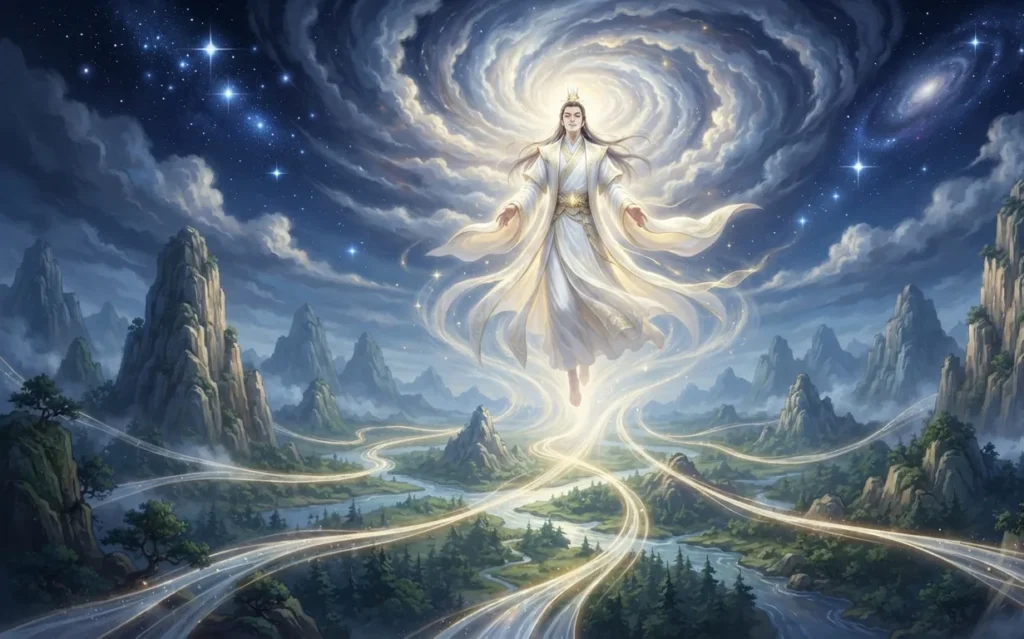
Cultivation isn’t a power somebody hands a protagonist. It’s a claim, borrowed from a genuinely old and genuinely serious Chinese philosophical tradition, that sustained effort and honest understanding can turn an ordinary being into something the world didn’t think was possible.
Every realm, every tribulation, every cracked Dao Heart is just that single claim, worked out in specific, dramatized detail across however many thousand chapters it takes to actually earn it.
Related Articles
- Best Xianxia Novels of 2026: From Hidden Gems to Legends
- 13 Best Cultivation Novels With No Harem [2026 Picks]
- 12 Best Cultivation Novels [Ranked by Genre Fans]
- 7 Female MC Cultivation Novels Where the Female MC Shines [2026]
- 9 Best Progression Fantasy Books 2026 [Ranked List]
- 13 Fantasy Genres Ranked: Which One Actually Suits You?
- 12 Best Dragon Books of 2026 [From The Hobbit to Seraphina]