 By
By You finish a binge-read of a popular xianxia web novel and feel like you just absorbed ancient wisdom. The protagonist meditates, swallows pills, breaks through realms, and defies the heavens to become an immortal powerhouse. It sounds profound. But the “Dao” these stories chase has almost nothing in common with actual Taoism.
Real Taoism teaches harmony, effortless action, and returning to the natural flow of life. Cultivation novels turn that into a high-stakes power grind filled with killing, rival sects, and constant struggle. This gap creates a fake Tao that thousands of readers absorb without realizing it. Let’s unpack exactly where the misunderstanding happens, why it matters, and what genuine Taoist practice actually looks like.
What Cultivation Novels Really Borrow from Taoism
Xianxia stories draw surface-level inspiration from Chinese folklore, alchemy, and Taoist imagery. Terms like qi, dantian, golden core, nascent soul, and “comprehending the Dao” come straight from historical sources. Authors often quote lines from the Dao De Jing or mention Laozi to add flavor. In essence, Taoism is the foundation of Xianxia stories.
Yet the core engine of these novels, relentless progression through ranked realms, pill refining for instant boosts, and battling to seize heavenly treasures, flips Taoist ideas on their head. In the novels, the Dao becomes a resource to conquer. In real Taoism, the Dao is the effortless way of the universe that you align with, not dominate.

The Heart of Real Tao: Simplicity Over Struggle
Taoism, rooted in texts like the Dao De Jing by Laozi and the writings of Zhuangzi, centers on living in accordance with the Dao – the underlying principle that flows through everything. Key ideas include:
- Wu Wei: Action through non-action. You move with the current instead of fighting it. Cultivation protagonists rarely embody this; they force breakthroughs and slaughter obstacles.
- Naturalness (Ziran): Things unfold best when left alone. Novels treat nature as something to harvest or transcend.
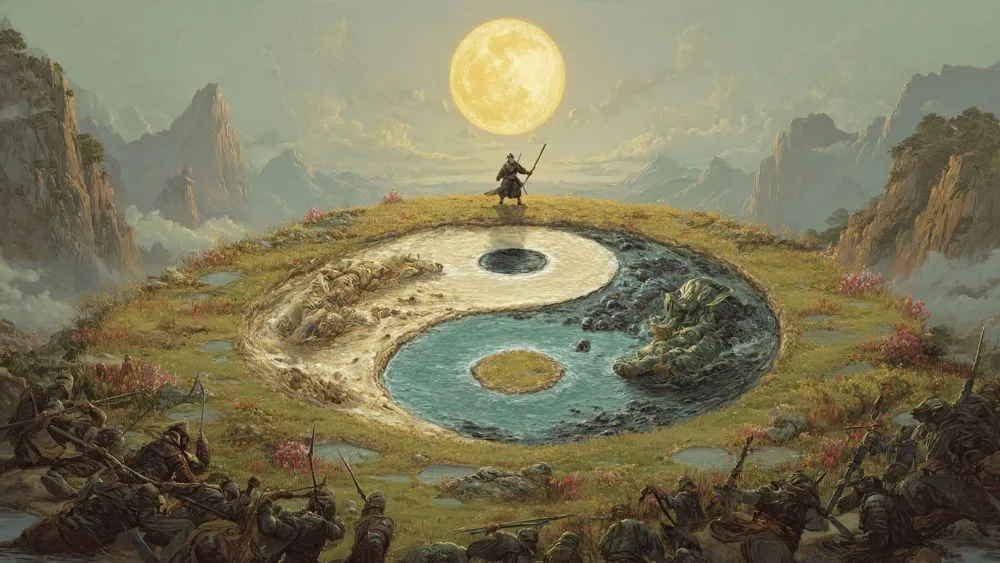
- Yin-Yang Balance: Opposites complement each other. Stories often reduce this to power scaling mechanics.
- Non-attachment: Clinging to status, revenge, or immortality leads to suffering. Yet xianxia heroes hoard treasures and chase eternal life as the ultimate prize.
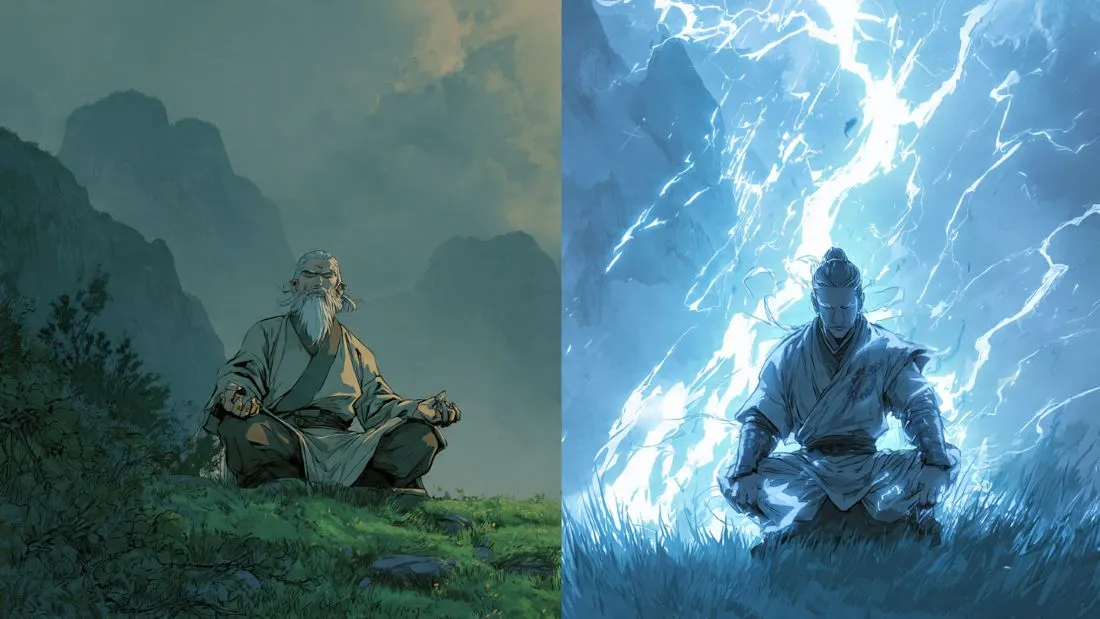
These principles appear in the novels as window dressing. A character might meditate under a waterfall while reciting “the Dao that can be told is not the eternal Dao,” but the plot demands aggression, competition, and material accumulation.
Five Major Misconceptions That Create the Fake Tao
Here are the biggest ways immortal hero tales distort Taoist thought:
Misconception 1: Cultivation means grinding for power levels Real Taoist cultivation (neidan or internal alchemy) focuses on refining the body’s vital energies through meditation, breathing, diet, and ethical living to achieve harmony and longevity. It is quiet, inward, and often solitary. Novels turn it into a video-game progression system with clear stages, bottlenecks, and explosive power-ups that require rare herbs or demonic beast cores.
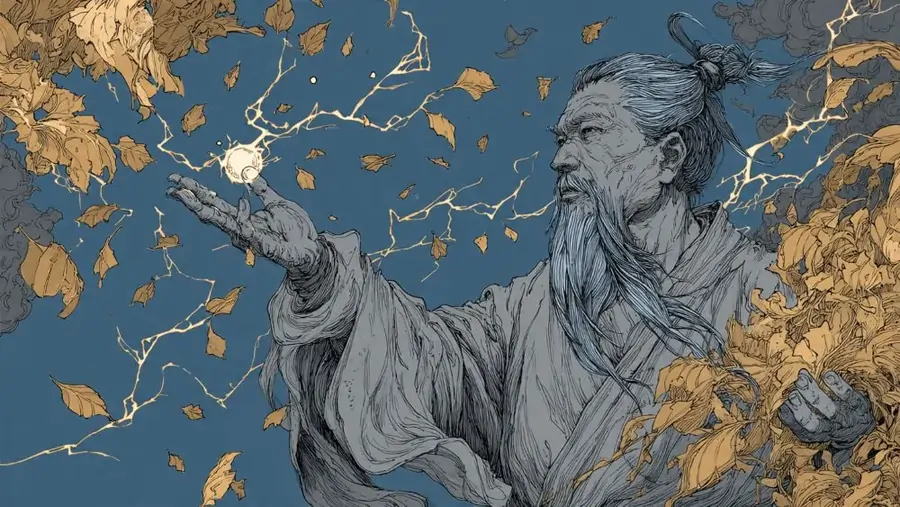
Misconception 2: The Dao is something you seize or comprehend for superpowers In Taoism, comprehending the Dao brings peace and alignment with nature. You dissolve the ego rather than expand it. In novels, “grasping a strand of the Dao” grants lightning bolts from your fingertips or domain abilities that let you dominate battlefields.
Misconception 3: Immortality equals god-like combat ability Taoist immortals (xian) achieve long life or spiritual transcendence through virtue and inner work. They often live as hermits or subtle guides. Xianxia immortals punch mountains, fly across continents, and rule sects while maintaining massive grudges.
Misconception 4: Sects and rivalries reflect Taoist community Historical Taoist temples and lineages emphasized transmission of teachings, ritual, and moral conduct. Novels portray sects as hierarchical gangs where disciples kill each other for resources and elders scheme for dominance.
Misconception 5: Pills and treasures replace personal effort. External alchemy (waidan) existed historically but was largely abandoned because it was dangerous. Internal alchemy became the path. Stories glorify mass pill consumption and heavenly treasures as shortcuts, turning cultivation into consumerism.
These distortions make entertaining stories, but they create a cartoon version of Taoism that feels exciting yet empty when compared to the real philosophy.
How Historical Taoist Practices Differ from Novel Tropes
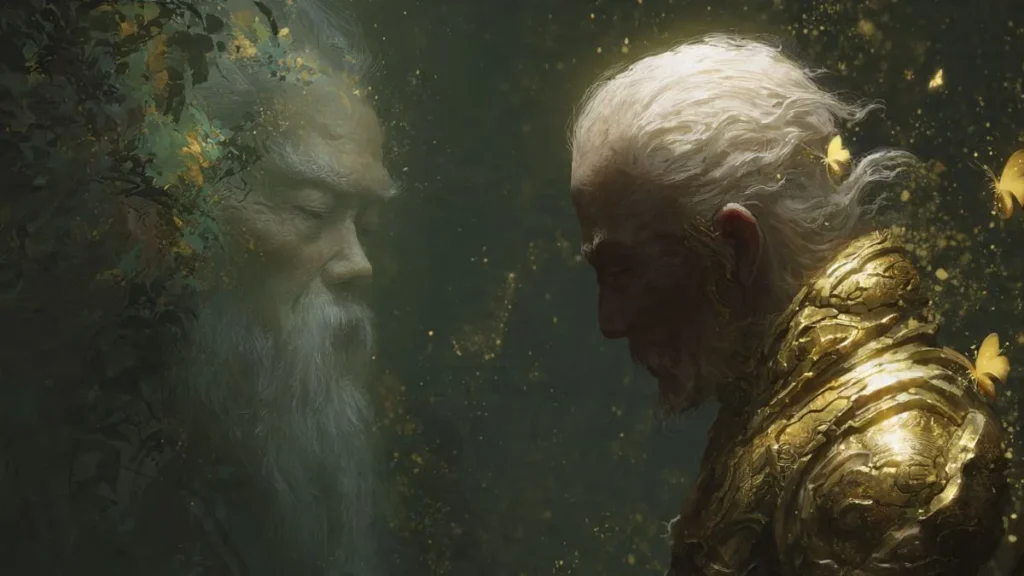
Let’s look at actual methods people used for centuries.
Neidan involves three treasures: jing (essence), Qi(vital energy), and shen (spirit). Practitioners circulate these energies through the body’s meridians via meditation, visualization, and gentle movement. The goal is to form an “immortal embryo” inside a spiritual refinement that leads to harmony with the Dao, not battlefield supremacy.
Texts like the Cantong Qi (Kinship of the Three) describe elaborate symbolic processes that mirror seasonal cycles and cosmic patterns. No exploding with golden light at each breakthrough. Progress is measured in subtle shifts of awareness and health, not visible realm jumps.
Many historical Taoists lived simply in mountains, practiced qigong and tai chi, studied herbal medicine, and avoided meat or stimulants to keep the mind clear. Contrast that with protagonists who slaughter spirit beasts for their cores and pop qi-condensing pills by the handful.
Why Cultivation Novels Twist Taoism This Way
Entertainment demands conflict. A story about a quiet hermit achieving inner peace through decades of meditation would not rack up millions of views on web novel platforms. Authors need:
- Clear power progression for reader satisfaction
- High-stakes battles and revenge plots
- World-building with factions, tournaments, and loot
They borrow cool-sounding Taoist vocabulary because it feels authentic to Chinese readers raised on folklore. The result is a genre that feels deeply cultural on the surface while delivering Western-style power fantasy underneath.
Some modern authors do try to stay closer to the source. Books like A Thousand Li by Tao Wong or certain slower-paced tales emphasize philosophy and gradual growth. But the blockbuster xianxia hits lean hard into the action-packed fake Tao.
What You Gain by Understanding the Real Tao
Reading these novels can spark genuine interest in Taoism. Once you see the gap, you can explore the real thing and discover tools that actually improve daily life:
- Reduced stress through wu wei thinking
- Better decision-making by flowing with circumstances instead of forcing outcomes
- Simple practices like standing meditation or mindful breathing that build real qi without fantasy pills
You stop chasing fictional breakthroughs and start noticing the quiet strength already present in ordinary life.
Practical Ways to Experience Authentic Taoist Cultivation Today
You don’t need a sect or spirit stones. Start small:
- Read the Dao De Jing in a good translation (Red Pine or D.C. Lau editions work well)
- Practice basic qigong forms from reputable instructors
- Spend time in nature without devices to feel the flow of the Dao
- Keep a journal tracking moments when you let go instead of forcing results
These steps bring more lasting benefit than any novel’s “Dao heart” epiphany.
FAQs
What is the main difference between cultivation in novels and real Taoism?
Cultivation novels treat the process as aggressive power leveling through pills, battles, and realm breakthroughs to become a combat god. Real Taoism focuses on internal harmony, ethical living, and aligning with the natural Dao through meditation and non-striving. The novels prioritize drama and progression; Taoism prioritizes peace and effortless living.
Do xianxia novels accurately represent Taoism?
No. They borrow terms and imagery but flip core ideas. Wu wei becomes constant fighting. Immortality shifts from spiritual refinement to battlefield dominance. Most stories use Taoism as aesthetic flavor for power fantasy rather than faithful philosophy. A few thoughtful authors come closer, but mainstream hits do not.
Why do cultivation protagonists ignore wu wei?
Wu wei means acting without forced effort by flowing with the Dao. Novel heroes must create endless conflict to drive the plot, so they defy heaven, seek revenge, and hoard power. This makes exciting reading but directly contradicts the Taoist call to release control and embrace naturalness.
Is immortality in cultivation novels based on real Taoist beliefs?
Partially. Taoism does discuss achieving longevity or spiritual immortality through inner alchemy. However, the novels exaggerate it into superhuman fighting ability and eternal youth gained through violence and treasures. Historical Taoists sought subtle transcendence and often lived as recluses, not sect overlords.
Why is there so much violence in stories inspired by Taoism?
Taoism values harmony and non-harm, but novels need high-stakes action to entertain readers. Authors amplify rivalries, tournaments, and grudges to create tension and progression. The violence serves the genre’s fantasy structure rather than reflecting Taoist ethics.
What does the Dao actually mean in real Taoism versus novels?
In Taoism, the Dao is the ineffable source and flow of the universe. You align with it through simplicity and non-attachment. In novels, the Dao becomes a personal power system or “law” you comprehend to unlock abilities and dominate others. The meaning shifts from harmony to conquest.
How does real Taoist cultivation (neidan) actually work?
Neidan uses meditation, breathing exercises, and lifestyle adjustments to refine the body’s three treasures, jing, qi, and shen. Practitioners visualize energy circulation, balance yin and yang, and gradually form an inner spiritual embryo. Progress feels subtle and inward, measured by clarity and health rather than explosive power spikes.
Can reading cultivation novels help someone learn real Taoism?
They can spark curiosity and introduce vocabulary, but they often create misconceptions that require unlearning. Treat the novels as fun fiction. Follow up with primary texts like the Dao De Jing, reliable translations, and simple practices from qualified teachers for an accurate understanding.
The gap between the fake Tao in popular immortal-hero tales and the living tradition of Taoism runs deeper than most readers realize. Next time you see a protagonist swallow a pill and ascend to the next realm, remember the quiet mountain hermits who spent decades breathing with the wind and found something far more profound. That is where the real Dao has always waited, not in the arena, but in the effortless flow of life itself.
Related Articles
- Best Xianxia Novels of 2026: From Hidden Gems to Legends
- 13 Best Cultivation Novels With No Harem [2026 Picks]
- 12 Best Cultivation Novels [Ranked by Genre Fans]
- 7 Female MC Cultivation Novels Where the Female MC Shines [2026]
- 9 Best Progression Fantasy Books 2026 [Ranked List]
- 13 Fantasy Genres Ranked: Which One Actually Suits You?
- What If Cultivation Was Real, Starting Tomorrow?
References & Further Reading
- Stanford Encyclopedia of Philosophy – Daoism
- Joseph Needham, Science and Civilisation in China
- Dao De Jing (Tao Te Ching)
- Zhuangzi
- Taoist Alchemy insights on Neidan and Waidan
- Stanford Encyclopedia of Philosophy – Heart Mind in Chinese Philosophy
- Wing-tsit Chan – A Source Book in Chinese Philosophy
- Daoism and Chinese Culture – Livia Kohn
- The Way of Qigong
Written by Batin Khan, a curious free spirit who loves reading and exploring the worlds of fantasy, mythology, and ancient stories. Through this blog, Batin hopes to share that sense of wonder with readers while building an exciting future along the way.