

 By
By Quick takeaways:
- This list covers eleven xianxia novels across all reader types. entry-level, experienced, harem-free, dark, cozy, literary, and pure power fantasy
- Every novel has been personally read during my years of following the genre
- Translation status and reading platform are noted for each entry
- Entries are organized loosely from most accessible to most niche. The top entries are safer bets for new readers, the latter entries reward genre familiarity
Disclosure: As an Amazon Associate, I earn from qualifying purchases. This means I may receive a small commission if you buy through links on this site, at no extra cost to you. I appreciate your support
10 plus years of reading xianxia means a lot of abandoned series, a lot of late nights, and a clear picture of which novels actually hold up. This list covers the eleven I recommend without hesitation in 2026. The classics that earned their reputation, the mid-tier series that consistently get overlooked, and a handful of hidden gems that deserve more attention than they get.
No filler. No padding. Just the novels, honest takes, and enough information to decide whether each one is for you.
How this list was built

Four criteria drove every placement:
- Quality of writing and cultivation system – not just whether the novel is popular but whether it is actually good
- Reader accessibility – noted separately so you can calibrate expectations
- Translation completeness – partial translations are flagged where relevant
- Community longevity – novels that are still being recommended years after completion rank higher than flash-in-the-pan titles
The list covers xianxia specifically, not pure wuxia, not LitRPG, not Western progression fantasy. All 11 have qi cultivation, realm ladders, and the philosophical dimension that defines the genre.
The 11 best Xianxia Novels
1. I Shall Seal the Heavens – Er Gen
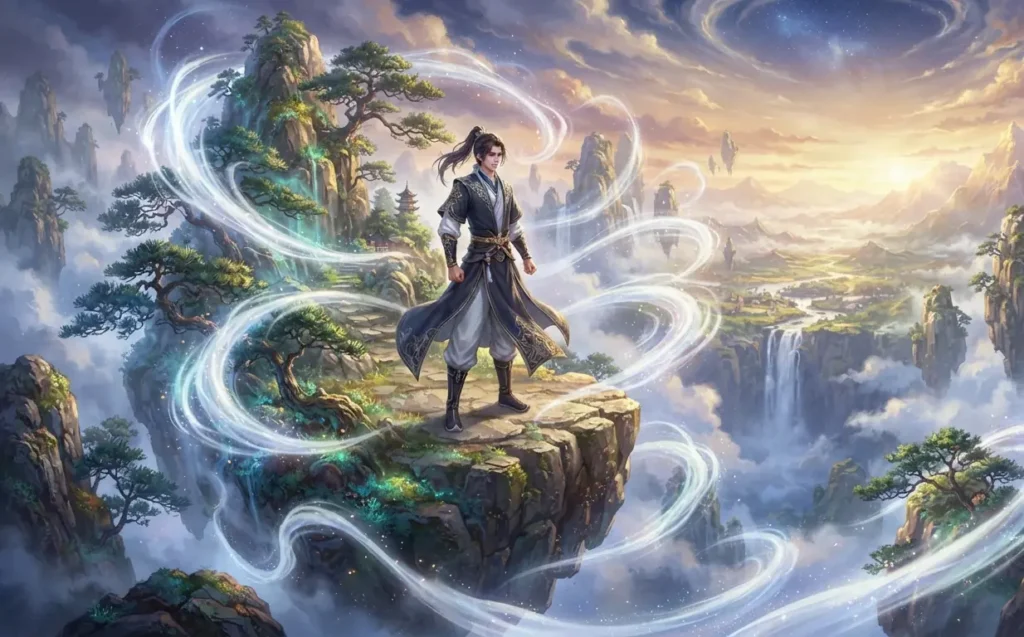
Er Gen’s masterpiece is the novel most cited by experienced readers when asked what the genre’s emotional ceiling looks like. Meng Hao starts as a failed scholar accidentally pulled into the cultivation world and spends several thousand chapters becoming one of the most compelling protagonists the genre has produced.
The early arcs establish his voice, scheming, funny, deeply feeling, and the later arcs pay off on setups that began hundreds of chapters earlier.
The cultivation system across the novel’s multiple stages is creative and internally consistent. The payoffs in the final arcs are devastating in the best way. Quality variation across the middle sections is real and worth knowing about, but the novel’s peaks justify everything around them.
- Best for: Readers who want the genre’s emotional peak in traditional xianxia form.
- Accessibility: Moderate – The humor in early chapters makes it accessible, but the full reward requires commitment.
2. A Record of a Mortal’s Journey to Immortality – Wang Yu

The classical xianxia novel for readers who want mechanical rigour and a protagonist who wins through intelligence rather than destiny. Han Li has mediocre spiritual roots and no special talent. He survives and eventually thrives through preparation, resource management, and the willingness to play a longer game than anyone around him.
The novel is slow by xianxia standards – this is its feature, not a flaw. The cultivation system is the most mechanically detailed in the classical xianxia tradition, and Han Li’s methodical approach to every problem produces a reading experience that rewards close attention. Those who want constant dramatic breakthroughs should look elsewhere.
- Best for: Readers who want the purest classical xianxia with no power fantasy shortcuts and a protagonist who earns everything honestly.
- Accessibility: High for experienced readers, potentially slow for newcomers.
3. Reverend Insanity – Gu Zhen Ren
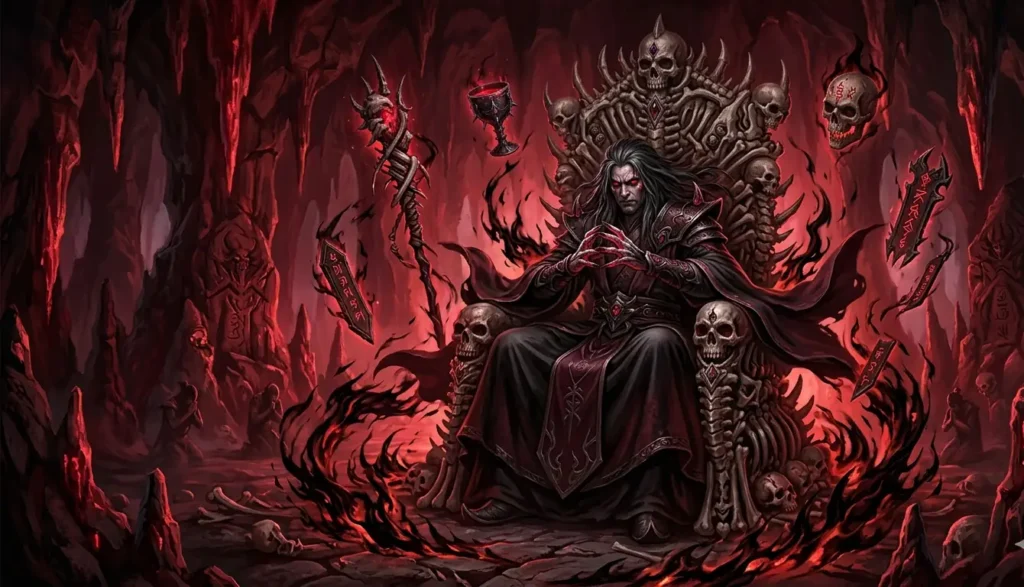
The most original cultivation system in the genre and the most uncompromising protagonist. Fang Yuan is a five-hundred-year-old demonic cultivator who reincarnates to his youth with full memories and immediately begins optimizing his path to immortality through means the novel never softens. He is not secretly good-hearted. The novel does not redeem him. This is the premise.
The Gu worm system, where cultivators refine creature-embodiments of concepts to acquire abilities, is genuinely unlike anything else in xianxia. The worldbuilding is deep, and the internal logic is rigorous. For readers who can engage with an antihero on the furthest extreme, this is a remarkable piece of work.
- Best for: Readers who want an antihero protagonist, maximum cultivation system originality, and a story that follows its own logic without moral accommodation.
- Accessibility: Low for newcomers requires commitment and a specific reader disposition.
4. A Will Eternal – Er Gen
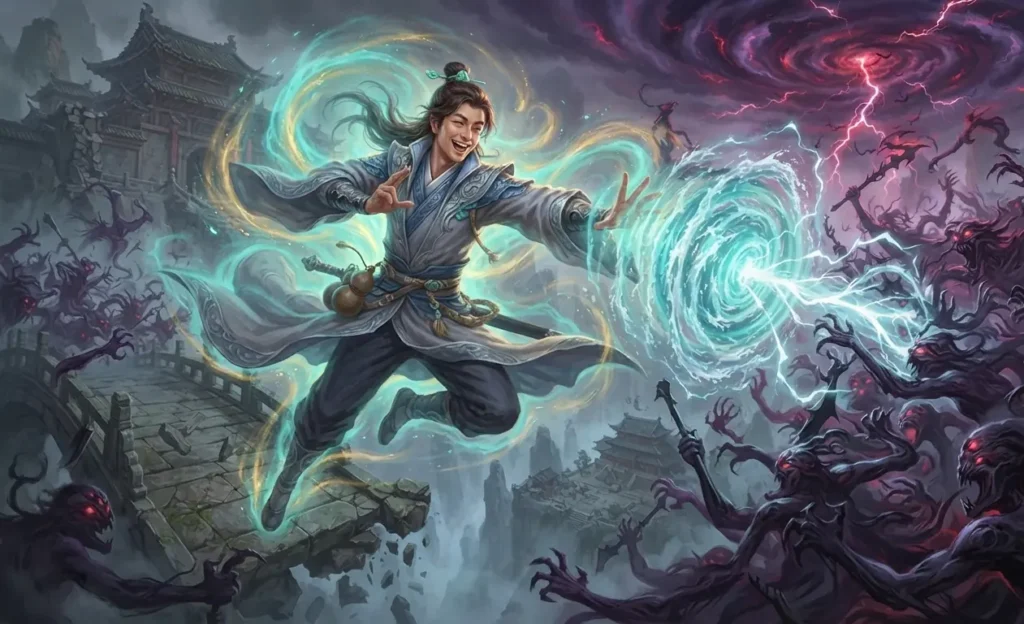
Er Gen’s most complete novel and the one that demonstrates his full range. Bai Xiaochun is cowardly, loud, frequently absurd, and one of the most genuinely funny protagonists in the genre. He is also, when the novel requires it, emotionally devastating in ways that only work because Er Gen spent thousands of chapters building who he actually is.
The comedy lands consistently, the cultivation system is inventive, and the emotional payoffs in the later arcs match the best of I Shall Seal the Heavens. For readers who want to see what xianxia looks like when it is allowed to be genuinely funny without sacrificing emotional depth, this is the answer.
- Best for: Readers who want cultivation fiction’s widest emotional range, comedy, tragedy, and romance handled simultaneously by the genre’s most versatile author.
- Accessibility: High – the comedy in early chapters makes it the most immediately enjoyable Er Gen novel.
5. Beware of Chicken – Casualfarmer
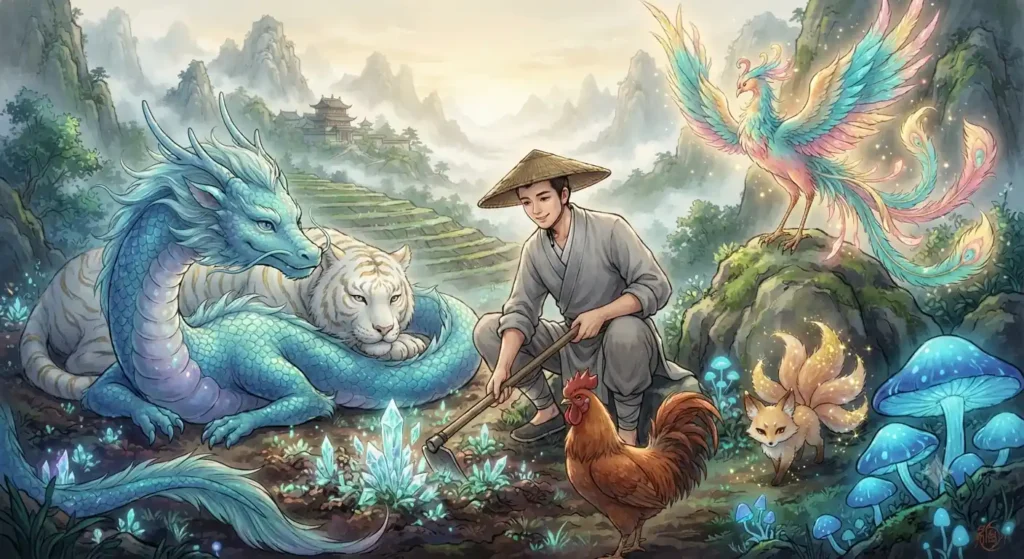
The novel that broke cultivation fiction into the Western mainstream and the best entry point for readers with no prior xianxia experience. Jin Rou walks away from the brutal cultivation world and starts a farm. He tends crops, raises animals, falls in love, and accumulates qi through a life lived with genuine care rather than competitive grinding.
The warmth is real. Bi De, the philosophically inclined rooster, is one of English-language cultivation fiction’s most memorable characters. For experienced xianxia readers, this is a thoughtful deconstruction. For newcomers, it is the most accessible starting point in the genre.
- Best for: New readers entering xianxia, and anyone who wants cultivation fiction that is genuinely warm rather than relentlessly competitive.
- Accessibility: Very high – requires zero prior xianxia knowledge.
6. Coiling Dragon – I Eat Tomatoes
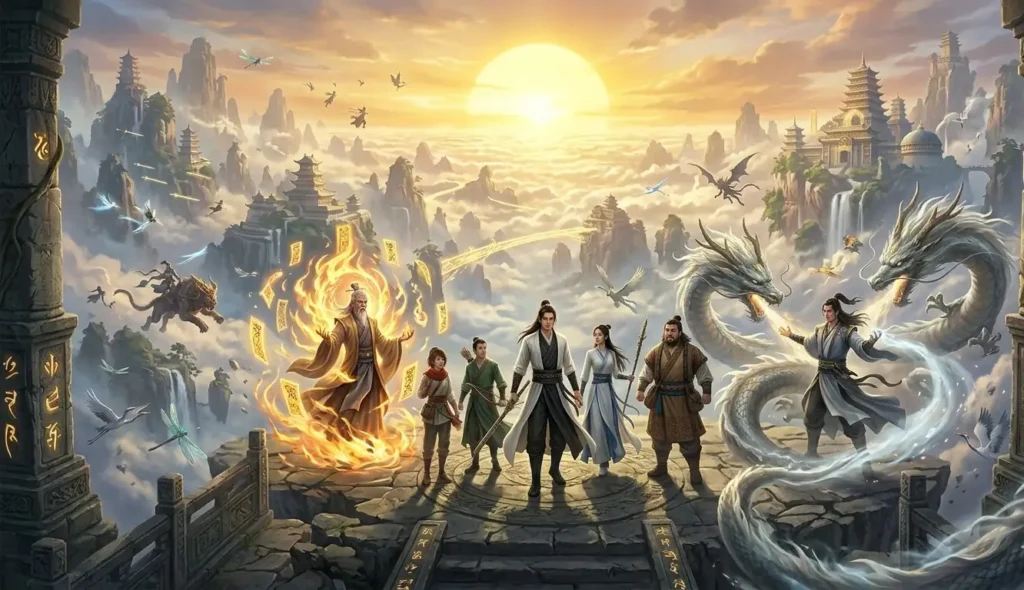
The novel that established xianxia as a viable genre for Western web fiction readers and the series that introduced many long-term fans to the genre. Linley Baruch discovers an ancient ring containing a powerful being and begins a cultivation journey across a world of deep magic and intense competition.
The dual cultivation path (Magus and Dragon Blood Warrior) was genuinely creative for its time, and the treatment of friendship and loss in the middle arcs is among the genre’s most affecting character work. The later arcs lose some of the early coherence, but the novel’s historical importance and genuine quality in its prime make it essential reading.
- Best for: Genre history and the novel that started many readers’ xianxia journeys still holds up as a reading experience.
- Accessibility: High – one of the more accessible classical xianxia novels.
7. Battle Through the Heavens – Heavenly Silkworm Potato
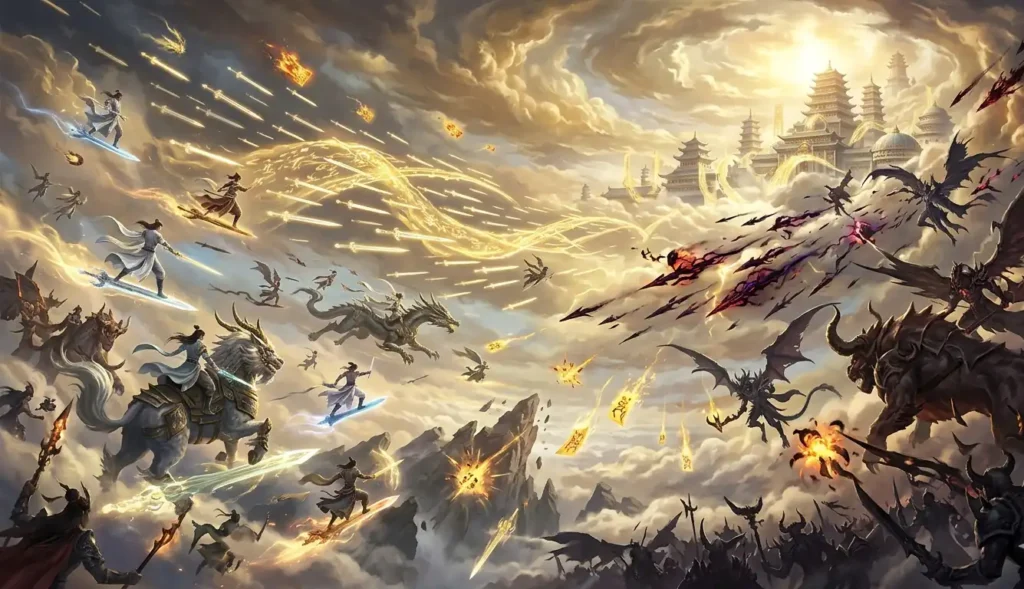
The novel with the most emotionally direct setup in the genre. Xiao Yan is a cultivation prodigy who has his talent sealed, becoming functionally powerless in front of his entire clan. The novel is the story of recovering what was taken and proving himself to a world that wrote him off.
The Dou Qi system is well-constructed, and the emotional engine of the protagonist’s motivation runs cleanly throughout. The manhwa adaptation is one of the most popular in the genre. This is xianxia doing the underdog story with maximum directness and minimum philosophical complexity, which is exactly what it sets out to do.
- Best for: Readers who want the core xianxia emotional arc, fall from grace, grinding recovery, and eventual dominance delivered cleanly without philosophical detours.
- Accessibility: High – one of the genre’s best entry points.
8. Tales of Demons and Gods – Mad Snail
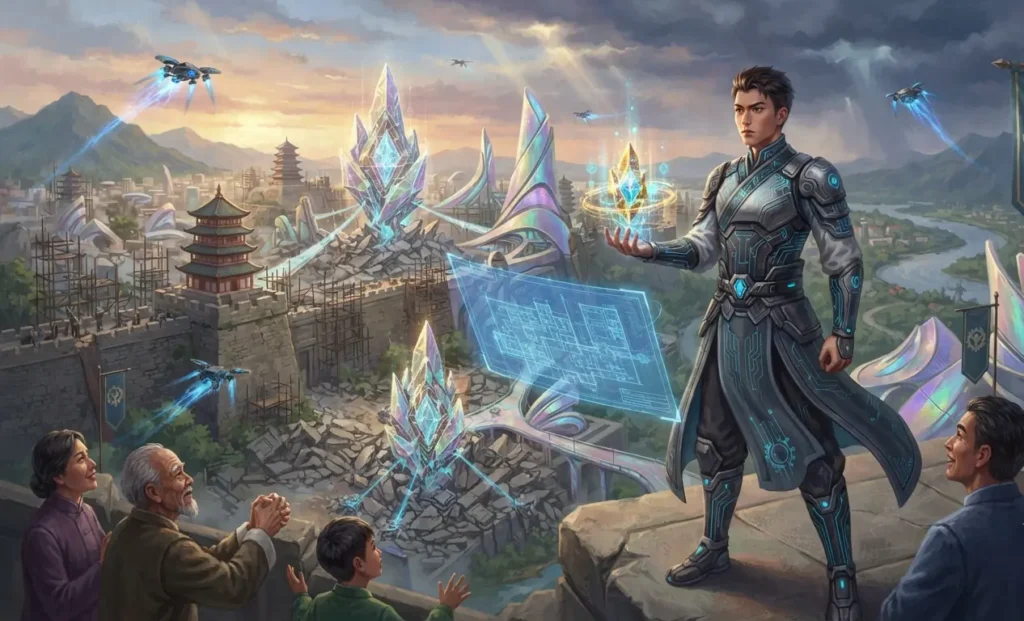
Nie Li reincarnates as an adult consciousness into the body of the weakest student in his school, with complete knowledge of a future where his city falls to a demon beast tide. He uses this knowledge to change outcomes, accelerate his cultivation, and protect the people he could not save the first time.
The information-arbitrage premise is well-executed, and the early arcs maintain genuine tension about whether foreknowledge is enough to change a determined fate. The manhwa adaptation became one of the most popular gateway texts for Western readers discovering xianxia. The novel is stronger than the manhwa in characterisation but looser in its later pacing.
- Best for: Readers who want a reincarnation premise where the protagonist’s advantage is knowledge rather than a cheat system, and anyone drawn to the manhua/manhwa adaptation who wants to go deeper.
- Accessibility: High – the school setting and reincarnation premise are familiar entry points.
9. Martial World – Cocooned Cow
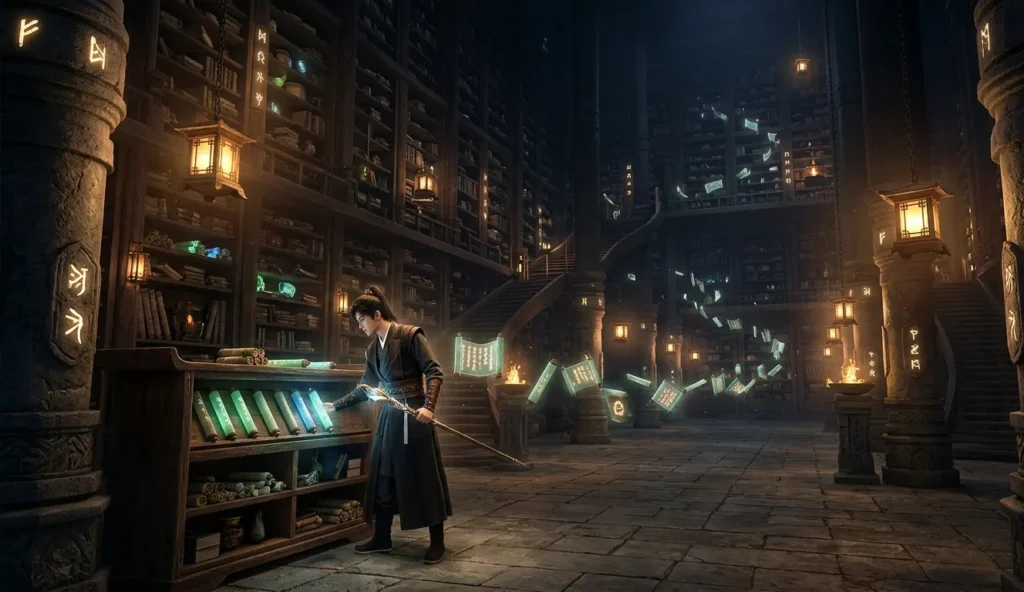
One of the most underrated classical xianxia novels in the genre and the series most consistently overlooked relative to its actual quality. Lin Ming discovers a mysterious cube during a martial arts test and begins a cultivation journey characterised by unusually rigorous internal consistency in its power system.
The cultivation mechanics in Martial World are among the most carefully constructed in the genre. Cocooned Cow pays genuine attention to how different meridian qualities, spiritual root affinities, and technique tiers interact at different realm levels. The protagonist is less charismatic than Meng Hao or Bai Xiaochun, but the worldbuilding and system coherence more than compensate.
- Best for: Readers who want classical xianxia with a rigorously consistent power system and are willing to invest in a protagonist whose appeal builds slowly.
- Accessibility: Moderate – rewards patience.
10. The Beginning After the End – TurtleMe
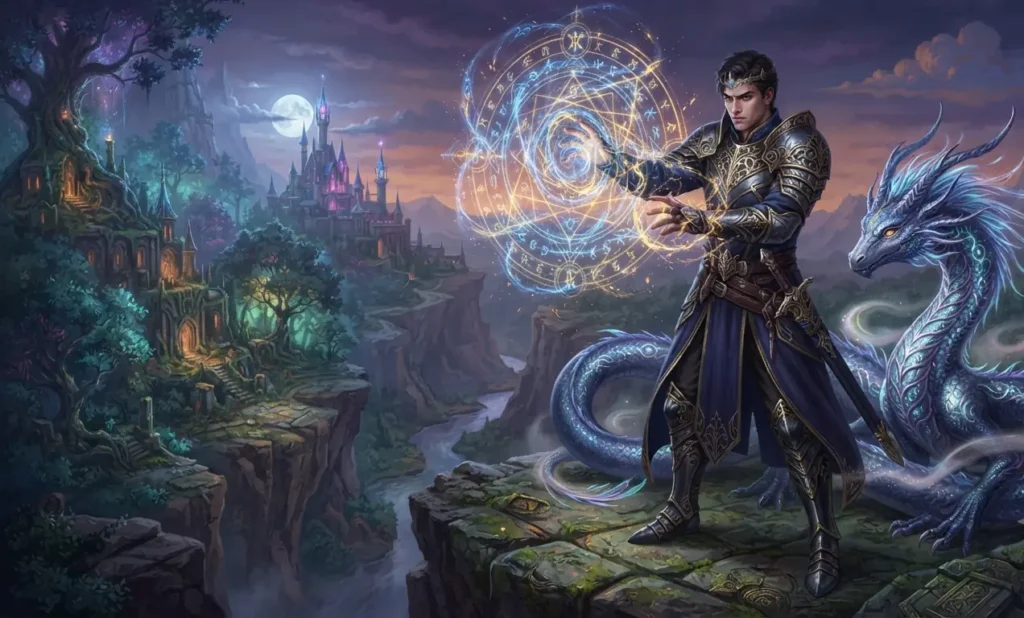
The English-language cultivation novel with the highest mainstream crossover and the series that demonstrated definitively that Western authors could produce long-form cultivation fiction with genuine emotional stakes. King Grey is reincarnated into a magical world as the son of a minor noble family and must rebuild his strength while navigating a world that is considerably more complex than his previous life suggested.
The protagonist’s previous life as a warrior king gives him a psychological depth unusual for the genre’s starting characters. The cultivation system blends xianxia mechanics with Western fantasy structure smoothly. Quality dips in certain mid-series arcs but the emotional core holds.
- Best for: Western readers entering xianxia-adjacent fiction who want a familiar narrative voice with cultivation mechanics, or experienced xianxia readers curious about English-language cultivation fiction.
- Accessibility: Very high – the most accessible novel on this list for readers coming from Western fantasy.
11. Renegade Immortal – Er Gen

Er Gen’s first major novel and the one that established his reputation before I Shall Seal the Heavens and A Will Eternal confirmed it. Wang Lin is a talentless young man from a mortal family whose determination to cultivate takes him through a series of experiences that are consistently darker and more morally ambiguous than the genre typically attempts.
The novel is rawer and less polished than Er Gen’s later work. The early chapters show the author still developing his craft. Still, Renegade Immortal contains some of the genre’s most visceral emotional moments and a protagonist whose psychology is unusually coherent with his experiences. For readers who have finished Er Gen’s better-known novels and want more, this is essential.
- Best for: Er Gen completionists and readers who want darker xianxia with a protagonist whose cultivation path is genuinely shaped by trauma rather than triumph.
- Accessibility: Moderate – best appreciated with some prior xianxia experience.
Quick Reference Table
| # | Novel | Author | Tone | Romance | Length | Best entry point? |
|---|---|---|---|---|---|---|
| 1 | I Shall Seal the Heavens | Er Gen | Epic, emotional | Single | Very long | Experienced |
| 2 | A Record of a Mortal’s Journey | Wang Yu | Methodical, rigorous | Minimal | Very long | Patient readers |
| 3 | Reverend Insanity | Gu Zhen Ren | Dark, philosophical | None | Very long | Experienced only |
| 4 | A Will Eternal | Er Gen | Comedy, emotional | Single | Long | New readers |
| 5 | Beware of Chicken | Casualfarmer | Cozy, warm | Single | Medium | Complete beginners |
| 6 | Coiling Dragon | I Eat Tomatoes | Adventure, friendship | Present | Long | New readers |
| 7 | Battle Through the Heavens | Heavenly Silkworm Potato | Action, underdog | Present | Long | New readers |
| 8 | Tales of Demons and Gods | Mad Snail | Adventure, reincarnation | Present | Ongoing | New readers |
| 9 | Martial World | Cocooned Cow | Classic, rigorous | Present | Very long | Experienced |
| 10 | The Beginning After the End | TurtleMe | Western hybrid | Present | Long | Western readers |
| 11 | Renegade Immortal | Er Gen | Dark, raw | Present | Long | Experienced |

Frequently Asked Questions
What is the best xianxia novel for complete beginners?
Beware of Chicken for readers coming from no prior Xianxia background. A Will Eternal or Battle Through the Heavens for readers who want traditional xianxia from the first page.
What is the difference between xianxia and wuxia?
Xianxia involves spiritual qi cultivation toward immortality realm ladders, dantian, spiritual roots, and the full cultivation system. Wuxia involves martial arts within mortal lifespans, no qi cultivation system, no immortality pursuit, human-scale stakes. Most novels on this list are xianxia.
Which novels on this list have no harem?
I Shall Seal the Heavens, A Record of a Mortal’s Journey to Immortality, Beware of Chicken, and A Will Eternal are all harem-free or near-harem-free. My dedicated guide to the best cultivation novels with no harem covers this in full detail.
Is Lord of the Mysteries actually xianxia?
It is Xuanhuan – a Chinese fantasy that uses cultivation mechanics but is not strictly rooted in the classical Daoist xianxia tradition. The Sequence pathway system is original rather than drawn from the classical xianxia realm ladder. It is included because its cultivation structure is substantial and because most xianxia readers consider it part of their reading ecosystem.
Which novel should I read after finishing all the beginner recommendations?
I Shall Seal the Heavens or Lord of the Mysteries for the genre’s ceiling. Reverend Insanity for the most original cultivation system and the hardest narrative challenge. Martial World for underrated classical xianxia that rewards experienced readers. Renegade Immortal, if you have finished Er Gen’s other works and want the complete picture.
Are these novels available in English?
All 11 are available in English translation, either through official publishers or through established fan translation sites. Wuxiaworld and official platforms (Seven Seas Entertainment, Podium Publishing) cover most of the list. Translation completeness is noted individually for each entry above.
Final Thoughts
Eleven novels across years of reading. Everyone on this list was placed because it does something genuinely well, not because it is popular, not because the community expects to see it, and not because it fills a list slot.
The best place to start depends entirely on what you want. For pure craft: Reverend Insanity. For emotional depth in traditional form: I Shall Seal the Heavens. For warmth and accessibility: Beware of Chicken.
All 11 are worth your time. That is the only qualification for being on this list.
Related Articles
- 7 Best Cultivation Novels With An OP MC Ranked
- 13 Best Cultivation Novels With No Harem [2026 Picks]
- 12 Best Cultivation Novels [Ranked by Genre Fans]
- 7 Best Completed Cultivation Novels [2026 Binge List]
- 7 Female MC Cultivation Novels Where the Female MC Shines [2026]
- 9 Best Progression Fantasy Books 2026 [Ranked List]
- What Is Fantasy? Do Cultivation Novels Actually Qualify?
- 12 Best Dragon Books of 2026 [From the Hobbit to Seraphina]