
 By
By Quick Takeaways:
- This list leans heavily into full best YA dragon books series rather than scattered standalones, since eleven of the fifteen titles here are sequential volumes across five different series
- A few picks are technically shelved outside the YA category, and I’ll tell you honestly which ones and why they still belong on this list
- The range runs from classic 1990s dragon rider fantasy through Christian fantasy, middle grade epic world building, and one genuinely charming children’s classic that started the whole modern sympathetic dragon trope
- If you want one full series to commit to this year, the quick reference table at the end will help you pick based on tone and reading level
- Every title here has dragons doing real narrative work, not just decorating the cover
Disclosure: As an Amazon Associate, I earn from qualifying purchases. This means I may receive a small commission if you buy through links on this site, at no extra cost to you. I appreciate your support
The best YA dragon books often capture a kind of magic that adult fantasy leaves behind. They trust young protagonists with real consequences, impossible choices, and emotional weight without forcing them to become cynical first.
That simple difference creates some of the most heartfelt, unforgettable dragon stories you’ll ever read. If you’re wondering which ones truly deserve a place on your TBR this year, these fifteen titles are where I’d start.
The Inheritance Cycle: Eldest and Brisingr

Eldest
Christopher Paolini’s second Inheritance Cycle book picks up immediately after Eragon, splitting its narrative between Eragon’s continued training under the elves and his cousin Roran’s desperate defense of their home village.
Saphira’s presence throughout remains the series’ strongest asset, her growing power and her specific personality giving the book emotional ballast the plot sometimes needs.
This is where the series’ worldbuilding genuinely deepens, particularly around elven culture and the deeper history of the Riders that Eragon is trying to understand his place within.
Best for: readers who want the series to slow down and actually build its world before the larger conflict escalates.
Brisingr
The third volume ups the stakes considerably, with Eragon and Saphira taking on more direct responsibility in the war against the Empire while Eragon’s own moral compass gets tested repeatedly. The book’s title, meaning fire in the ancient language, foreshadows a specific and memorable development for Eragon’s sword.
Longtime readers tend to either love or find this volume’s length excessive, since Paolini expanded his page count considerably here. I land on the side of loving it, mainly because Saphira gets more interior space than in either previous book.
Best for: readers already invested who want the series’ emotional and political stakes to escalate.
The Dragon Chronicles: Dragon’s Milk
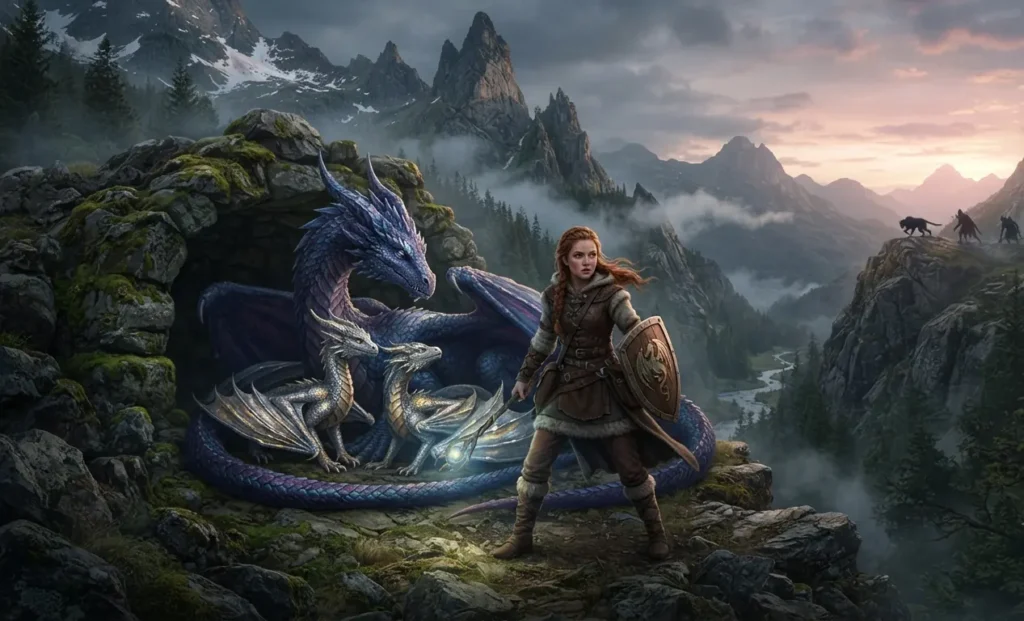
Susan Fletcher’s Dragon’s Milk opens her trilogy with a premise that’s stayed with me since I first read it: a young woman named Kaeldra enters a dragon’s lair to obtain milk for her dying infant sister, and finds herself drawn into a conflict over dragon lore that those in power want suppressed.
Fletcher’s prose has a lyrical quality that most YA dragon fiction doesn’t attempt, and her dragons feel ancient rather than simply large and scaly.
The protagonist’s power here is specifically communicative rather than martial, which sets this apart from most dragon rider fiction on this list.
Best for: readers who want gorgeous, quieter prose and a dragon relationship built on communication rather than combat.
The Dragon Keeper Chronicles: DragonSpell and DragonFire
DragonSpell
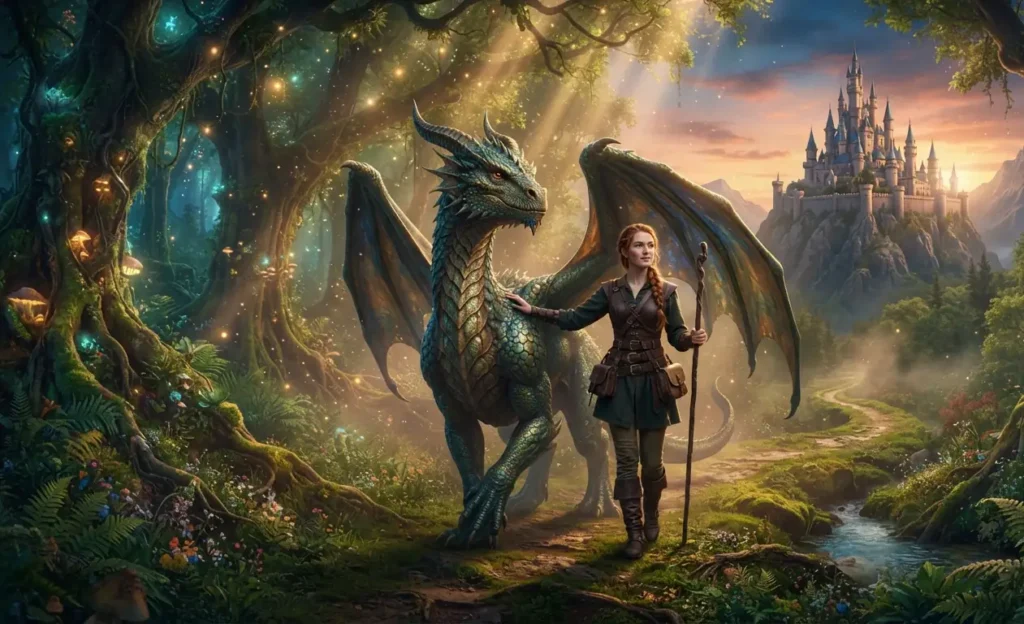
Donita K. Paul’s DragonSpell opens her Christian fantasy series following Kale, a young slave girl who discovers she has the ability to sense and communicate with dragon eggs, a rare gift that pulls her into a quest involving seven meech dragon eggs that must be found before they fall into the wrong hands.
The series blends conventional YA fantasy adventure with an underlying Christian allegorical framework, giving it a specific flavor distinct from most secular dragon fiction on this list.
Best for: readers who want dragon companionship stories with an explicit faith based dimension.
DragonFire
The fourth book in Paul’s series finds Kale considerably more developed in her abilities and her role within the wider conflict between the forces of good and the series’ recurring villain, Risto. Longtime series readers generally point to the later volumes as where Paul’s worldbuilding and character work hit their stride.
Best for: readers already committed to the series who want to see Kale’s arc mature.
DragonWatch
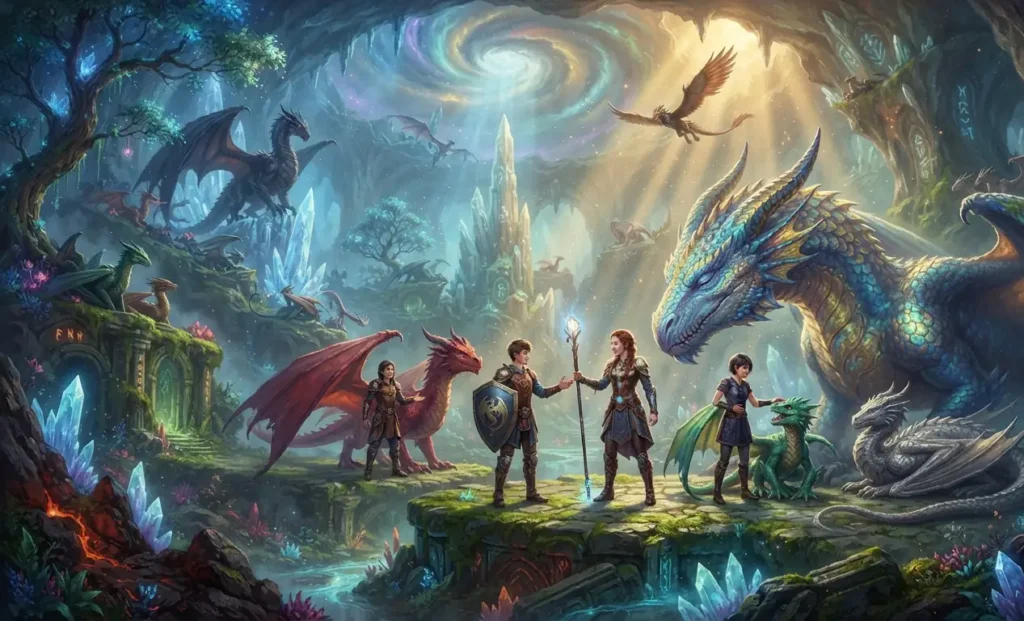
Brandon Mull’s Dragonwatch opens a spinoff series connected to his popular Fablehaven books, following Kendra and Seth as they’re pulled into a mission to keep dragons contained after a magical barrier holding them back begins to fail.
Mull’s specific strength across his body of work is making magical creatures feel terrifyingly dangerous rather than simply spectacular, and the dragons here carry real menace even within a story built for a middle-grade to younger YA audience.
Best for: readers who came from Fablehaven and want more of Mull’s specific blend of danger and heart, or new readers who want an accessible entry point into dragon fantasy.
Heartstone
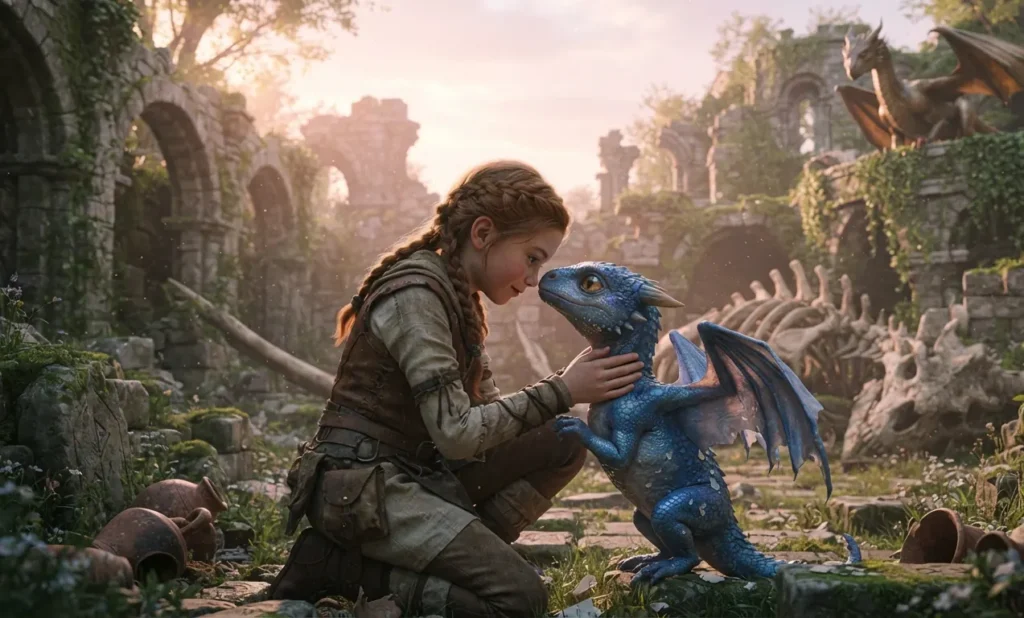
This one needs an honest flag before anything else: Elle Katharine White’s Heartstone is generally shelved as adult fantasy romance rather than YA, since it’s an explicit Pride and Prejudice retelling with a fully adult cast and romantic arc.
I’m including it because the tone, a witty, Austen inflected fantasy following a monster hunter and a proud dragon rider whose partnership starts with real friction, reads accessibly enough that older teen readers who love Austen adaptations will likely enjoy it, even though it isn’t marketed to them directly.
Best for: older teen or adult readers who want dragon riders crossed with a Jane Austen sensibility, understanding this sits just outside strict YA shelving.
Dragonworld

Another honest flag: Byron Preiss and Michael Reaves wrote Dragonworld in 1979 as an adult fantasy novel, extensively illustrated by Joseph Zucker, and it predates the YA category as we currently use it.
I’m including it because its quieter, elegiac tone, following an investigation into why two warring kingdoms’ dragons have mysteriously vanished, makes it a incredibly lovely bridge read for YA fans ready to step into adult fantasy without a hard tonal jump.
Best for: advanced YA readers looking for their first adult fantasy dragon novel, and anyone who wants a beautifully illustrated, out of print classic worth tracking down secondhand.
The Enchanted Forest Chronicles: All Four Books
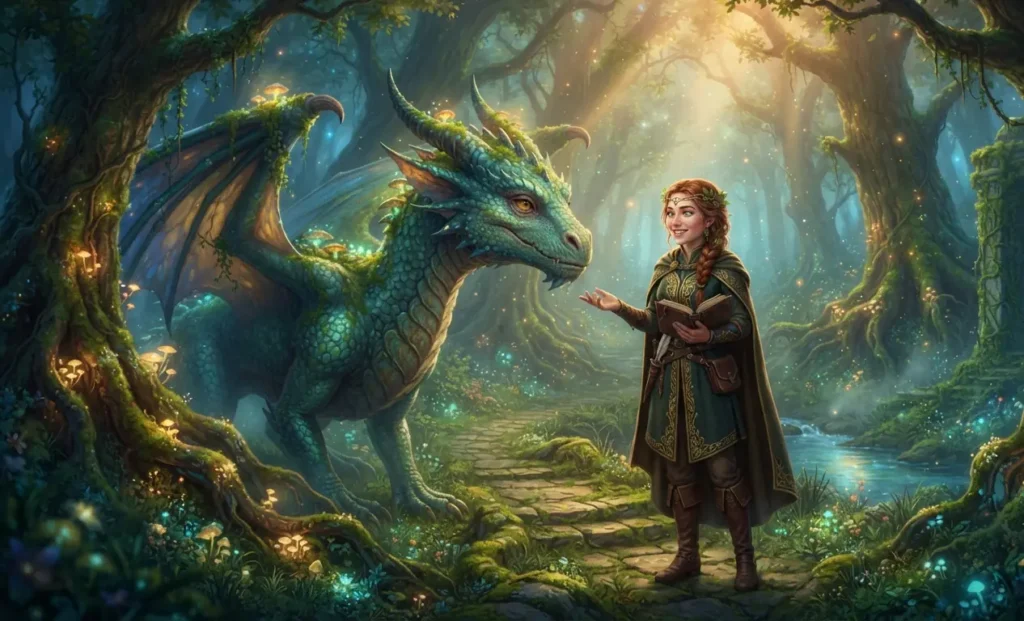
Patricia C. Wrede’s complete four book series belongs on this list as a full unit, because reading Dealing With Dragons without following through Searching for Dragons, Calling on Dragons, and Talking to Dragons would mean missing most of what makes the series special.
Dealing With Dragons
Princess Cimorene, bored by the expectations of royal life, runs away and volunteers to be a dragon’s princess, ending up as the dragon Kazul’s useful household manager rather than a rescued damsel. This opening volume sets the series’ comic, subversive tone immediately.
Searching for Dragons
The second book shifts focus toward Mendanbar, the King of the Enchanted Forest, whose investigation into missing magical items intersects with Cimorene’s own concerns, deepening the world’s political stakes while keeping Wrede’s wit fully intact.
Calling on Dragons
The third volume brings the full cast together against a wizardly threat to the Enchanted Forest itself, with witches, dragons, and the previous books’ characters converging into the series’ most ensemble driven entry.
Talking to Dragons
The final book jumps forward to follow Cimorene and Mendanbar’s son Daystar on his own quest, giving the series a generational close that pays off threads planted across the earlier three books.
Best for: readers who want the funniest, most subversive dragon series on this entire list, and who appreciate comic fantasy that respects its readers’ intelligence.
The Reluctant Dragon
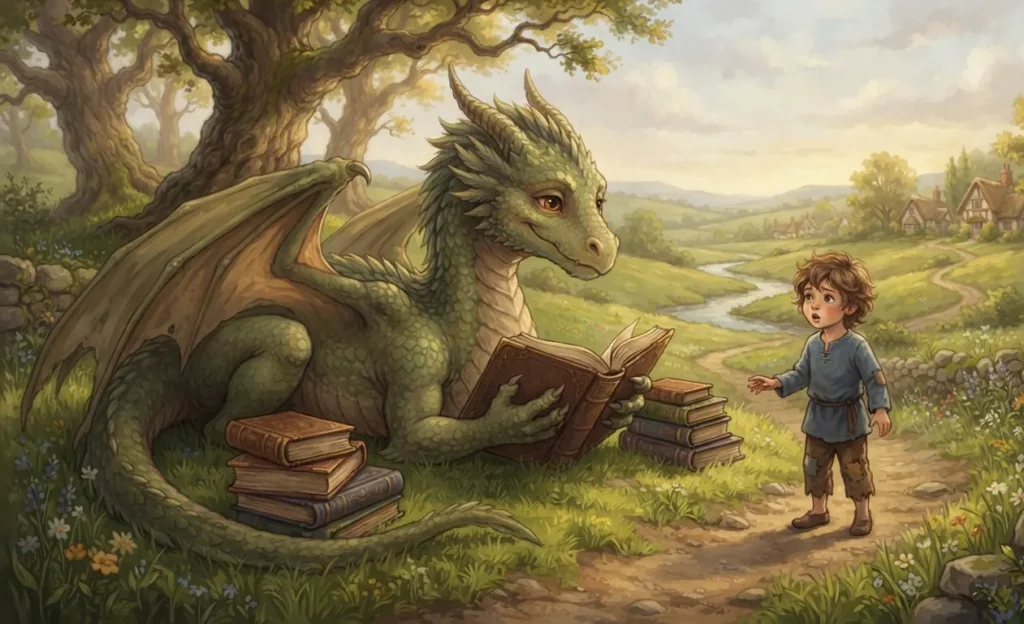
Kenneth Grahame’s 1898 short story deserves a place here even though it predates YA as a category by close to a century. It follows a gentle, poetry loving dragon who has absolutely no interest in fighting, and the boy who has to convince both the local villagers and Saint George himself that a staged, harmless battle would satisfy everyone without anyone actually getting hurt.
This is the story that essentially invented the sympathetic, non violent dragon archetype that shows up everywhere in modern dragon fiction, and it’s short enough to read in a single sitting between longer series on this list.
Best for: a quick, charming palate cleanser, and for understanding where the gentle dragon trope actually started.
Wings of Fire: The Dragonet Prophecy and The Lost Heir
The Dragonet Prophecy
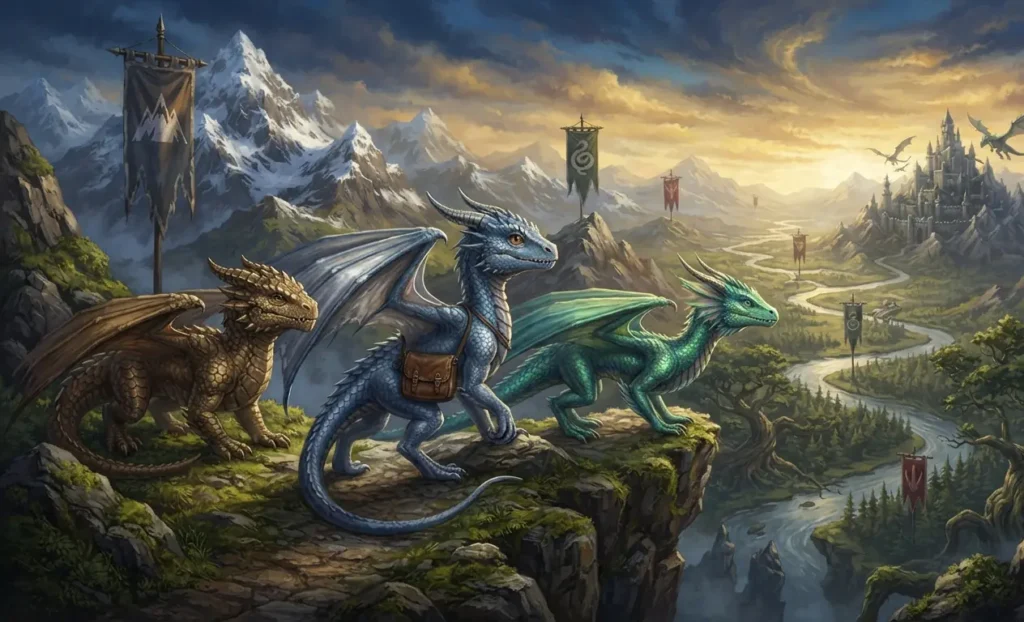
Tui T. Sutherland’s Wings of Fire opens with The Dragonet Prophecy, introducing five young dragons of different tribes raised in hiding and destined, according to prophecy, to end a war none of them asked to inherit. The tribe based worldbuilding here, SeaWings who breathe underwater, SandWings with venomous tails, IceWings who exhale frost, is genuinely impressive for its target age range.
The Lost Heir
The Lost Heir follows immediately with Tsunami, one of the five dragonets, returning to her own SeaWing kingdom and discovering that claiming her birthright is considerably more complicated and more dangerous than the prophecy suggested.
Best for: younger YA and upper middle grade readers who want real political, tribe based dragon worldbuilding without needing to be an adult reader to follow it.
Quick Reference Table
| Title | Series | Category Note | Best For |
|---|---|---|---|
| Eldest | Inheritance Cycle #2 | YA | World building depth |
| Brisingr | Inheritance Cycle #3 | YA | Escalating stakes |
| Dragon’s Milk | Dragon Chronicles #1 | YA | Lyrical prose |
| DragonSpell | Dragon Keeper Chronicles #1 | YA, Christian fantasy | Faith based readers |
| DragonFire | Dragon Keeper Chronicles #4 | YA, Christian fantasy | Series completists |
| DragonWatch | Dragonwatch #1 | Middle grade to YA | Fablehaven fans |
| Heartstone | Heartstone #1 | Adult crossover | Austen fans |
| Dragonworld | Standalone | Adult crossover, 1979 | Advanced readers |
| Dealing With Dragons | Enchanted Forest #1 | YA, all ages | Comic fantasy |
| Searching for Dragons | Enchanted Forest #2 | YA, all ages | Political worldbuilding |
| Calling on Dragons | Enchanted Forest #3 | YA, all ages | Ensemble cast |
| Talking to Dragons | Enchanted Forest #4 | YA, all ages | Generational close |
| The Reluctant Dragon | Standalone | Children’s classic | Quick, gentle read |
| The Dragonet Prophecy | Wings of Fire #1 | Upper middle grade to YA | Tribe world building |
| The Lost Heir | Wings of Fire #2 | Upper middle grade to YA | Political stakes |
Frequently Asked Questions
Are Heartstone and Dragonworld actually appropriate for teen readers?
Both are generally clean and accessible in content, though they’re marketed and shelved as adult fantasy rather than YA. Older teen readers, particularly those who already enjoy adult fantasy, will find both approachable without content concerns specific to either book.
Do I need to read all four Enchanted Forest Chronicles books in order?
Yes, ideally. While each book can technically stand alone, the series builds its cast and running jokes cumulatively, and Talking to Dragons in particular pays off character and plot threads planted across the earlier three books.
Which series on this list has the most books left to read after these entries?
The Inheritance Cycle has one more volume, Inheritance, after Brisingr. Wings of Fire continues for many more volumes beyond The Lost Heir. The Dragon Keeper Chronicles has one further book, DragonLight, after DragonFire.
Is The Reluctant Dragon really worth reading as an adult?
Yes, and quickly. At under an hour to read, it’s the single most efficient way to understand where the entire modern tradition of gentle, reluctant, non violent dragons actually originated, well before any other title on this list existed.
Final Thoughts

Fifteen books, five series, and one short story old enough to have started a trope that’s still running through everything else on this list.
If you only commit to one full series this year, I’d point you toward the Enchanted Forest Chronicles for pure enjoyment or Wings of Fire if you want worldbuilding that rewards close attention. Either way, you’ll come out the other side with a truly good sense of what YA dragon fiction can do when it takes its young readers, and its dragons, seriously.
Related Articles
- 13 Overlooked Dragon Books Worth Reading in 2026
- 12 Best Dragon Books Ever Written [Updated 2026]
- 12 Best Dark Fantasy Books 2026: You Should Never Miss Out
- 15 Best Dragon Books for Adults [Dark & Epic Picks of 2026]
- 11 Multi-Book Dragon Series Worth Starting in 2026
- 11 Best Dragon Fantasy Books With Female Leads [2026 Picks]
- Fourth Wing Review: Enjoyable, Not Groundbreaking