
 By
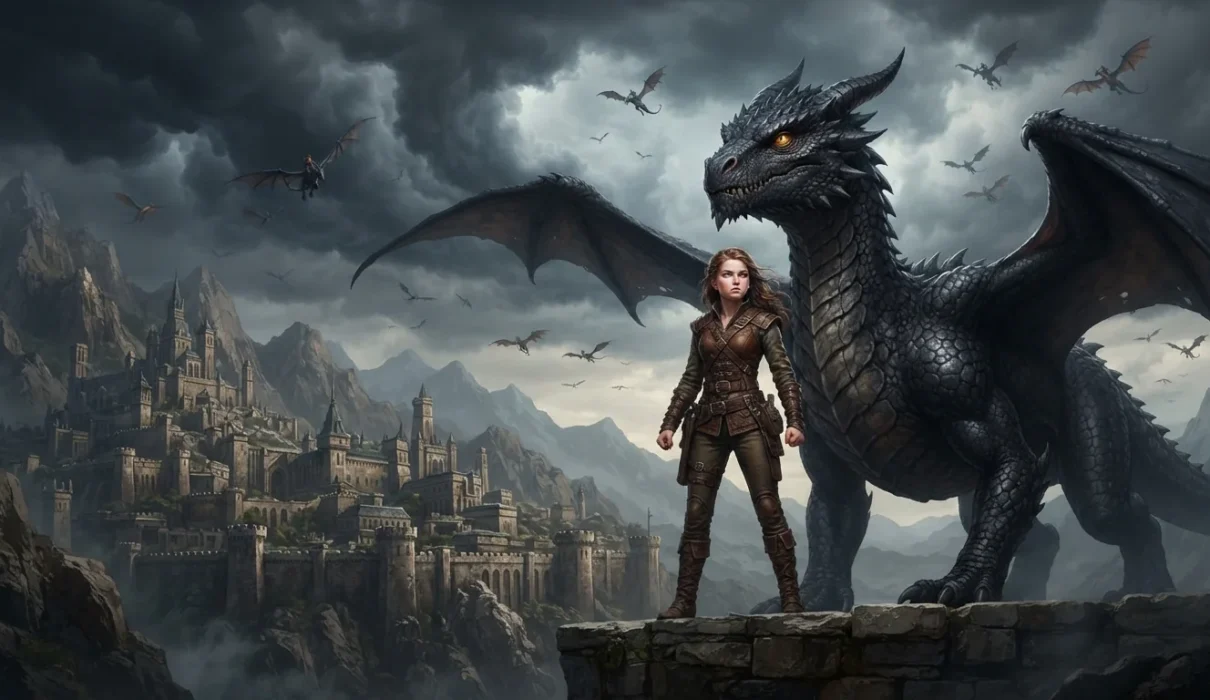
By I read Fourth Wing in two sittings, which tells you something before I say anything else. It’s a well-built page-turner: a propulsive opening, a dragon relationship worth caring about, and a sustained enemies-to-lovers tension that Rebecca Yarros handles better than most of the genre manages.
Then I sat with why it worked on me that completely, and why I still don’t think it earns the specific scale of cultural conversation surrounding it. Both things are true, and I want to show you exactly where.
Here’s the gap, named directly instead of gestured at: the book’s craft and its cultural footprint, the fastest-selling adult title in BookScan history for its sequel, don’t match. The worldbuilding and political backstory are noticeably thinner than the romantic plotting, and that shows up in specific places, not just as a vague feeling.
I’ll also make the counterargument directly: some of the dismissal aimed at this book’s success tracks uncomfortably closely to how commercial fiction written for women is treated differently from equivalent male-led blockbusters.
What Fourth Wing Does Right
The Parapet Sets the Tone Immediately
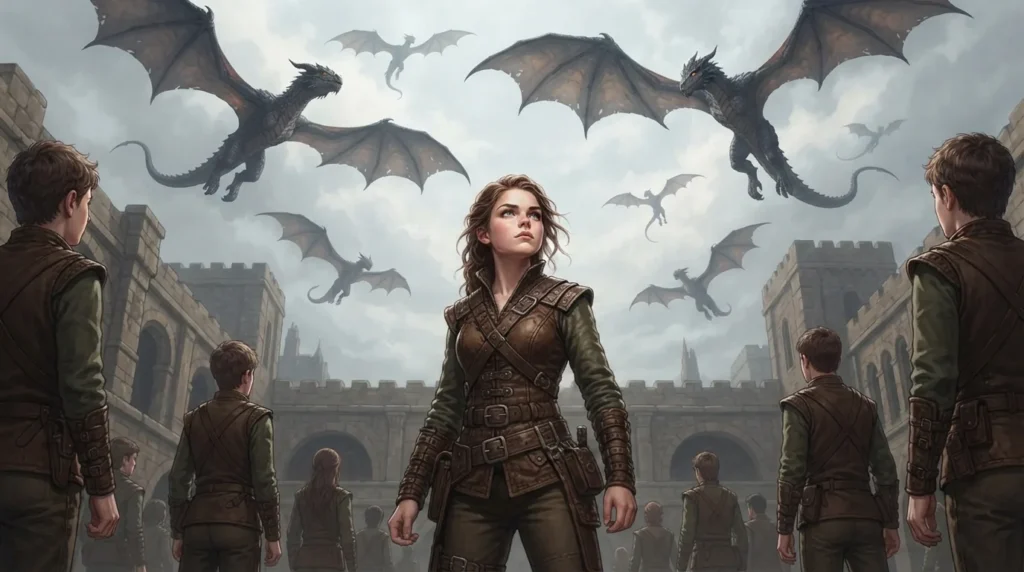
Violet Sorrengail’s first real trial at Basgiath War College is crossing a narrow parapet where falling means dying, and Yarros doesn’t soften the stakes for a protagonist she’s already established as physically fragile. Cadets die in this opening stretch, not symbolically, literally.
That’s smart craft. Most fantasy takes chapters to convince you the danger is real. Fourth Wing tells you within the first hundred pages that this school kills a percentage of its own students on purpose, and then keeps that promise.
Tairn Is the Best Written Relationship in the Book
Violet’s bond with Tairn, the ancient, visibly unimpressed dragon she ends up paired with, is where Yarros’s character work is genuinely strongest. Tairn’s dry, superior tone toward Violet in their early exchanges reads like an actual personality rather than a convenient plot device, and the slow shift from his disdain toward something closer to respect is earned across specific, small moments rather than declared outright.
I found myself more invested in Tairn’s approval than in most of the romantic beats surrounding him, which is unusual thing to say about a dragon in a book this romance forward.
The Sustained Ambiguity About Xaden
The book’s smartest structural choice is keeping real doubt alive about whether Xaden Riorson might actually kill Violet. His father was executed as a rebel leader, her mother was the general responsible, and Yarros lets that tension sit unresolved across enough chapters that it never reads as manufactured suspense you know will resolve safely on schedule.
That’s harder to sustain than it looks. A lot of enemies to lovers plotting tells you within a chapter that the enemy part is decorative. This one truly doesn’t, for a while.
Where the Craft Actually Thins Out
The Politics Behind the War College Are Underexplained
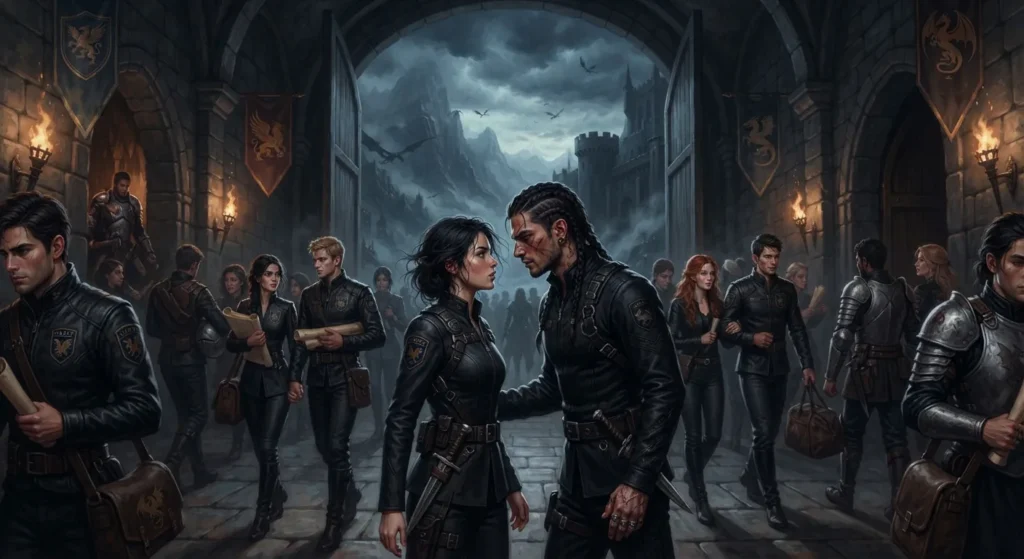
Navarre’s government, the specifics of the rebellion that got Xaden’s father executed, and the actual mechanics of why this particular war college operates through deliberate culling rather than any less lethal training method, all stay considerably vaguer than the romantic plotting does.
This matters because the book eventually asks you to care about a larger political reveal involving what the government has been hiding about the actual threat at the border, and that reveal lands with less weight than it should specifically because the political scaffolding supporting it was never built with the same care as the character relationships.
The Prose Is Functional, Not Distinctive
Yarros writes propulsively, and propulsion is a real skill. It isn’t the same skill as sentence level craft, and the clearest way to show that is to compare how each author handles a structurally similar kind of scene rather than quoting either book directly, I want to be precise about the actual technique rather than risk reconstructing a passage from memory and calling it verbatim.
Take the parapet crossing in Fourth Wing. The prose there works the way most tense action in this book works, short sentences, present tense urgency, physical sensation delivered almost sequentially, cold air, the drop below, the specific muscle strain of the next step. The sentence rhythm mimics the pacing of the danger itself. That’s a real, deliberate technique, and it’s effective at generating momentum.
Now take Tigana’s central reveal, the moment the reader fully understands what it means that an entire province’s name has been magically erased from everyone’s memory except those born there.
Kay doesn’t write that scene in short, urgent bursts. He builds it across longer, accumulating sentences that fold historical weight, personal grief, and the specific ache of cultural erasure into the same breath, letting a single sentence carry multiple registers of feeling at once rather than moving quickly past them.
Neither approach is objectively better as a technique. But only one of them is asking you to slow down and sit inside a sentence rather than move through it toward the next plot beat, and that’s the specific difference I mean by functional versus distinctive.
Why Fourth Wing Became So Huge
This Isn’t Subjective Impression
Rebecca Yarros’s Onyx Storm, the third book in this series, sold 1.288 million hard copies through outlets tracked by Circana BookScan in its first week, making it the fastest-selling adult title in BookScan’s recorded history at the time. That’s not hype in the loose sense. That’s a documented, specific, industry-defining sales record.
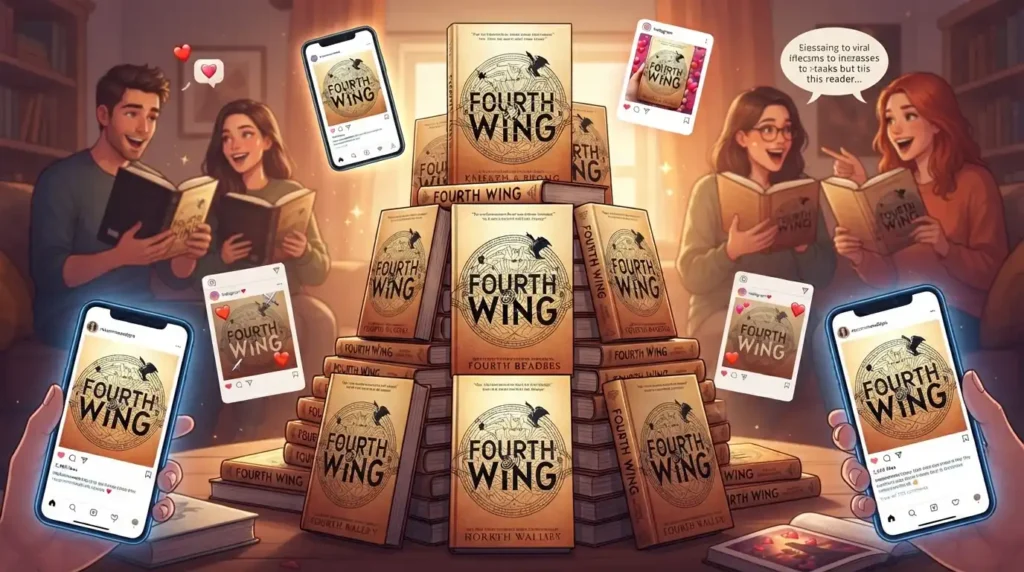
Fourth Wing itself has generated midnight release parties, dedicated bookstore sections, and sustained BookTok attention running into the billions of views across related hashtags. Fourth Wing isn’t an isolated success; it arrived amid a much larger expansion of romantasy.
What That Scale Implies, and Doesn’t
A sales record this size implies the book is doing something an enormous number of readers really want. It doesn’t imply the book is doing more, craft wise, than fantasy that never approaches this attention.
The Farseer trilogy has never approached the current BookTok-driven commercial visibility of the Empyrean series, despite offering, in my view, more psychologically developed character work.
Commercial scale and craft depth are simply not the same measurement, and treating record sales as proof of literary achievement is exactly the conflation that produces overhype.
An Honest Counterargument
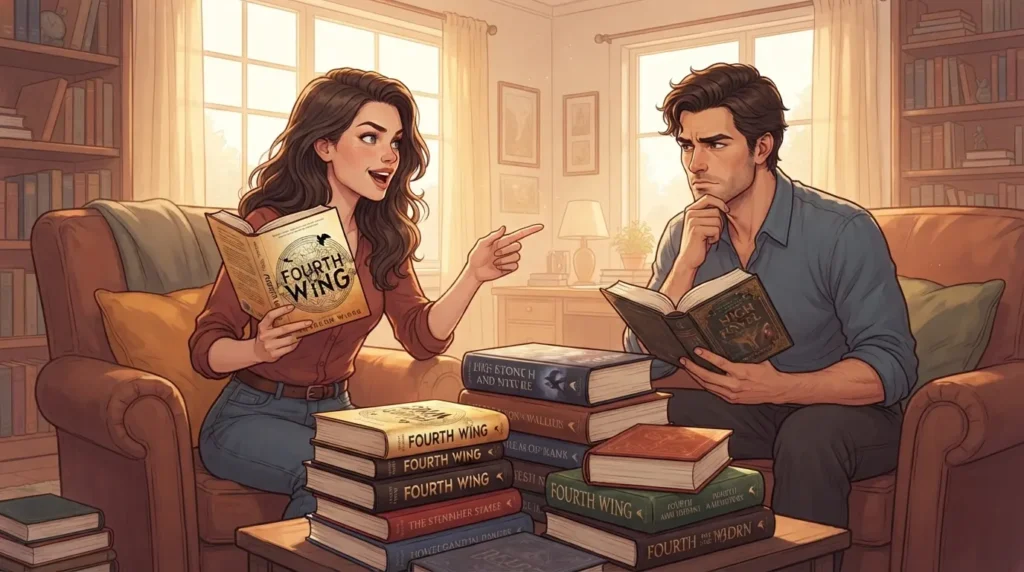
I want to push back on my own framing here, because it deserves real scrutiny.
Commercial fiction written primarily for and consumed by women gets labeled overhyped with a specific frequency and intensity that equivalent male led commercial fantasy blockbusters rarely receive in the same terms. Nobody built an entire critical cottage industry around whether a bestselling military thriller or a bestselling epic fantasy doorstop with a male protagonist was secretly just okay.
That pattern is real, and I don’t think Fourth Wing’s critics are all immune to it. Some of the specific intensity aimed at this book’s success is doing double duty as a broader discomfort with women driving a publishing category this visibly and this profitably.
I still think my craft-based critique holds on its own terms, the political worldbuilding is thinner than the romantic plotting, the prose genuinely favors momentum over sentence level distinction. But it’s worth naming honestly that not every voice currently calling this book overhyped is doing so purely on craft grounds, and pretending otherwise would be its own kind of dishonesty.
Who Should Actually Read This
| Category | My assessment |
|---|---|
| Pacing | Very fast |
| Romance | Major component |
| Fantasy/worldbuilding | Moderate |
| Dragon content | Excellent |
| Political intrigue | Moderate/underdeveloped |
| Prose | Functional |
| Violence | High |
| Sexual content | Explicit |
| Difficulty | Easy/moderate |
| Best for | Romantasy readers |
If you want a fast, emotionally engaging dragon-rider story with real physical stakes and a slow-burn story with real physical stakes and a slow-burn romance that earns its tension, this is a genuinely strong pick, and you don’t need to have read anything else in the genre first.
If you’re coming from literary or classic epic fantasy, Guy Gavriel Kay, Ursula K. Le Guin, Robin Hobb, and specifically want prose you’ll want to reread for its own sake, temper your expectations accordingly. The plot will carry you. The sentences mostly won’t.
If spice content is a dealbreaker for you, skip this one entirely. I’ll say more on that in the FAQ, but it’s a real and significant part of the reading experience here, not an incidental detail.
If you’re burned out on chosen one narratives specifically, this won’t be your antidote. Violet’s arc leans on several of the same beats I’ve written about elsewhere on this blog, just applied inside a war college setting rather than a prophecy.
Final Thoughts – The Actual Verdict
Fourth Wing earns its page turning reputation completely. Tairn is without a doubt one of the better realized dragon relationships in recent fantasy, and the sustained ambiguity around Xaden is smarter plotting than the book usually gets credit for.
It doesn’t earn the specific scale of cultural attention currently surrounding it, measured against what the actual prose and worldbuilding are doing relative to fantasy that receives a fraction of this conversation. Both of those things are true at once, and I don’t think the book needs the second claim resolved in its favor to still be worth reading.
I’ll read the next book. I already know I will. That’s not a contradiction of anything I’ve written here. It’s exactly the tension this piece has been trying to hold onto the whole way through.
Frequently Asked Questions
Is Fourth Wing appropriate for readers who want to avoid mature content?
No. The series contains explicit sexual content and should be treated as adult fiction throughout. Readers specifically wanting clean fantasy with dragon riders should check out for my best dragon books with female lead recommendations for content-appropriate alternatives.
How does Fourth Wing compare to Rebecca Yarros’s earlier contemporary romance work?
Yarros published extensively in contemporary romance before Fourth Wing, and her prior work generally centered on grounded, realistic settings rather than secondary world fantasy, making the series a true genre pivot rather than an extension of her earlier catalog.
Is the political worldbuilding critique addressed in later books in the series?
Later volumes do expand on Navarre’s government and the true nature of the border threat considerably, though whether that expansion fully resolves the thinness of the opening book’s political scaffolding is a genuinely reasonable point of ongoing reader disagreement.
Why does Onyx Storm’s sales record matter more than Fourth Wing’s own initial sales?
Onyx Storm’s first week performance reflects an already established, fully mobilized readership rather than organic discovery, which is actually the more telling data point for measuring genuine cultural saturation rather than initial critical or commercial reception alone.
Is the enemies to lovers tension in Fourth Wing considered particularly innovative within romantasy?
Not structurally innovative on its own, since the trope predates this book considerably. What’s genuinely well executed is the sustained physical stakes attached to it, since Xaden’s potential threat to Violet carries real, demonstrated lethal danger rather than purely emotional risk.
Related Articles
- 13 Overlooked Dragon Books Worth Reading in 2026
- 12 Best Dragon Books Ever Written [Updated 2026]
- 15 Best Dragon Books for Adults [Dark & Epic Picks of 2026]
- Why Dragons Took Over Romantasy, Thanks to Fourth Wing?
- Is Romantasy Actually a Genre or a Marketing Label?
- Why Fated Mates Are So Hard to Put Down
- Why Romantasy Connects So Deeply With Female Readers
- Would You Be Able to Survive in the Fourth Wing World?
Further Reading
- Fourth Wing – Rebecca Yarros
- First Week Sales of ‘Onyx Storm’ Top One Million
- Romantasy and BookTok driving a huge rise in science fiction and fantasy sales | Books | The Guardian
Written by Batin Khan, a curious free spirit who loves reading and exploring the worlds of fantasy, mythology, and ancient stories. Through this blog, Batin hopes to share that sense of wonder with readers while building an exciting future along the way.