
 By
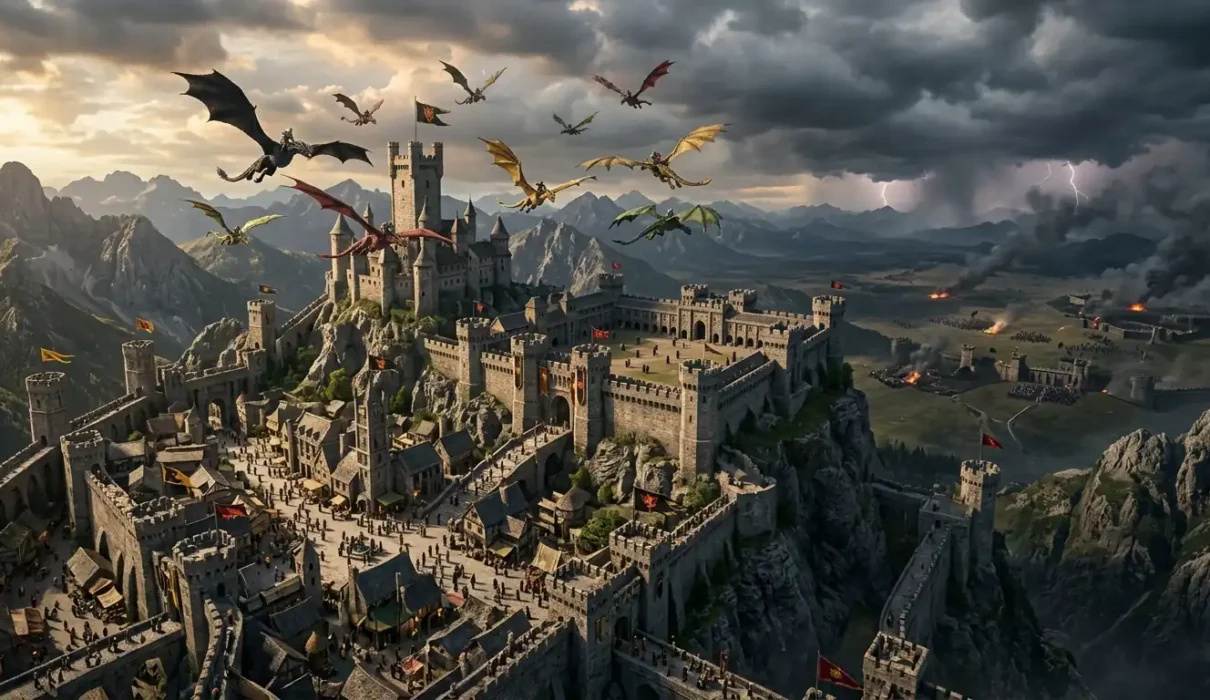
By Most people answering this question picture themselves as Violet, fragile looking but secretly formidable, bonding a legendary dragon on their first try.
So, How Long Would You Last in Fourth Wing World?
The realistic answer depends entirely on a choice you’d actually get to make before any of that happens, and most readers skip straight past it.
The Choice Nobody Talks About
You Don’t Have to Be a Rider
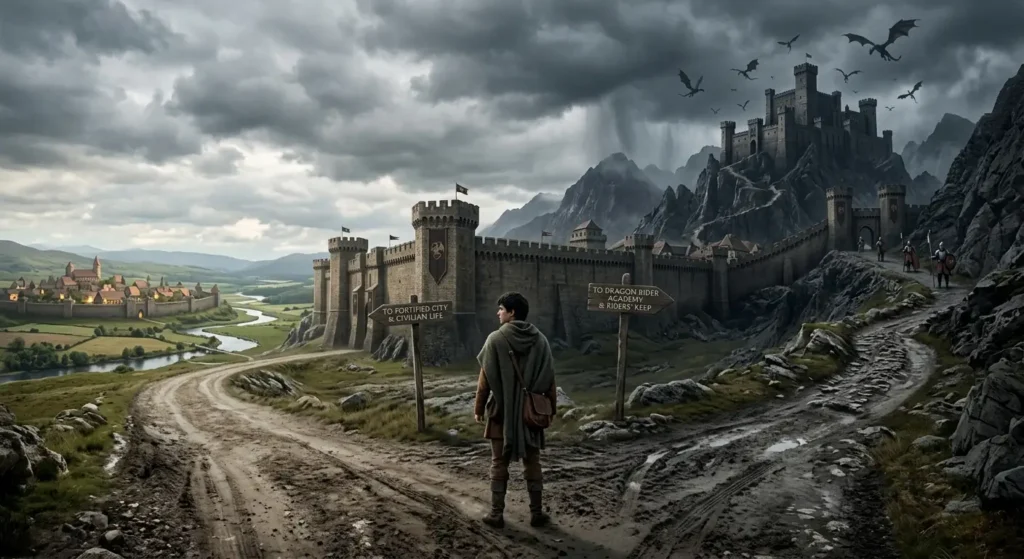
Navarre’s conscription system sorts people into multiple quadrants, not just Riders. Scribes and Healers exist as genuine alternatives, and neither one requires standing on a parapet where falling means dying or walking onto a field where hundreds of untested candidates hope a dragon picks them before something else does.
This matters enormously for answering the actual question. Fourth Wing follows Violet specifically because she’s forced into the Rider quadrant against her own body’s better judgment. Most conscripts in this world aren’t required to make that same choice.
Realistic first move: if you have any say in the matter, you choose Scribe or Healer. This isn’t cowardice. It’s reading the actual odds correctly before anyone hands you a sword.
Scenario One: Ordinary Civilian in Navarre
Life Behind the Wards
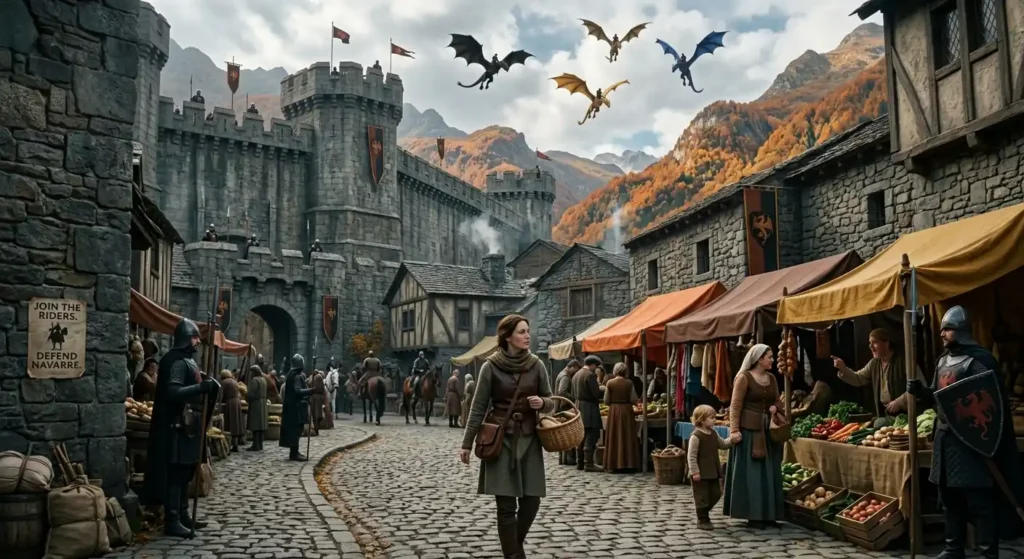
Most people in this world never see a dragon up close, never fight a venin, and live their entire lives under the protection the war college’s brutal training exists specifically to provide. That protection is the whole justification the system uses for everything it does to its cadets.
Civilian life is the safest tier available in this world, structurally comparable to how I’ve described mortal life under sect protection in the cultivation world in my blog post. Someone else is absorbing the actual risk so you don’t have to.
Realistic estimate: a full, ordinary lifespan, assuming the border holds and the war doesn’t reach your specific town.
The Gap in This Answer
I want to flag something directly rather than pretend I have better information than I do. Fourth Wing’s worldbuilding, and I’ve said this in my fourth wing review on this blog, spends considerably less detail on ordinary civilian society than it does on the war college and the romance running through it.
We don’t get a clear picture of Navarre’s economy, its civilian legal system, or what daily disruption from the border conflict looks like for someone who never enrolls anywhere. Any confident claim about civilian life beyond broad safety is filling in gaps the text simply doesn’t close.
Scenario Two: Conscripted Into the Rider Quadrant Anyway
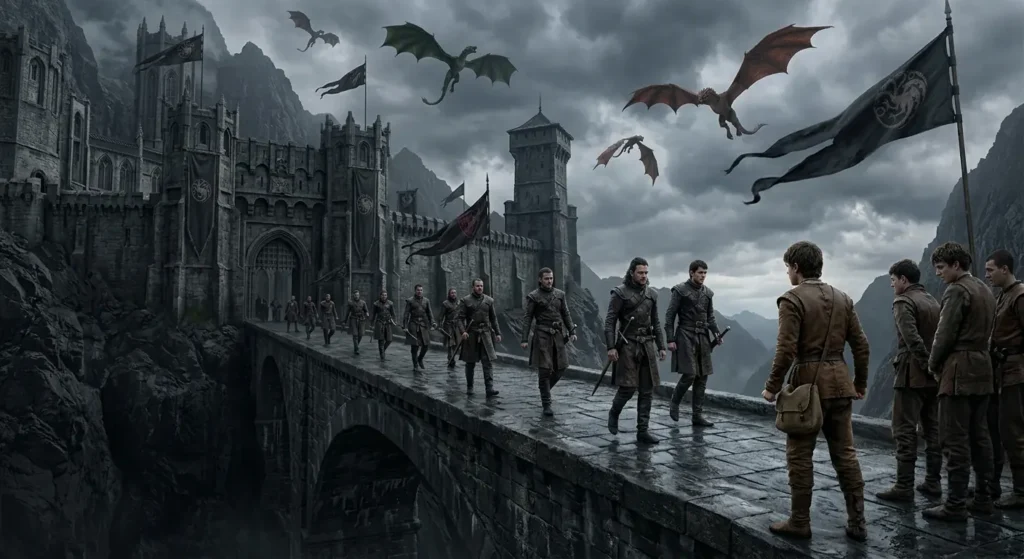
Say you don’t get a choice, or you make the wrong one. This is where the numbers turn brutal.
The Parapet Comes First
Basgiath’s early trials include a crossing where falling means death, and the school runs this before cadets have had any real chance to prove themselves. This isn’t hazing dressed up as tradition. It’s an actual filter, and the text is explicit that people don’t survive it.
The Threshing Is Worse
The bonding ceremony itself puts hundreds of candidates into a chaotic field where dragons choose riders, and the candidates a dragon doesn’t choose are in true physical danger from the sheer chaos of hundreds of enormous, unpredictable animals making individual choices at once.
Getting trampled isn’t a dramatic exception here. It’s a documented risk of simply attending your own bonding ceremony.
Upperclassmen Are a Real Threat Too
Basgiath’s internal culture tolerates violence between cadets that would be criminal almost anywhere else, and stronger, more senior students preying on weaker first years is treated as an expected feature of the system rather than a scandal requiring intervention.
This is the detail I think matters most for an honest survival estimate. Even surviving the Threshing and the parapet doesn’t mean the danger comes primarily from dragons or the border war. A meaningful share of it comes from your own classmates.
Realistic estimate: poor odds in the first several months, specifically, improving considerably if you make it past the earliest culling events with either a bonded dragon or a specific alliance protecting you.
Scenario Three: You Bond a Dragon
Congratulations, Your Problems Changed Shape
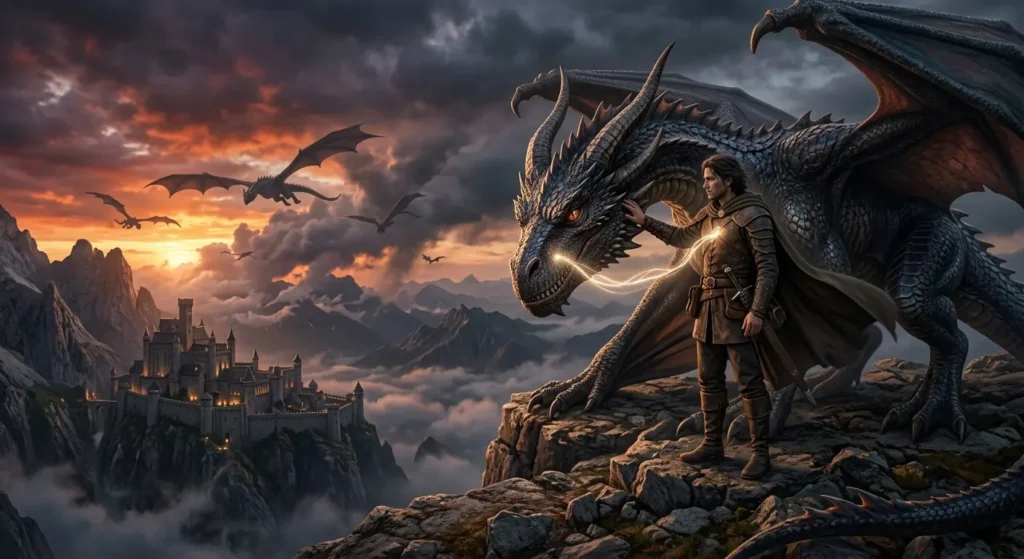
A bonded dragon offers real protection nobody unbonded has access to. Tairn’s dry disdain toward Violet in their early exchanges reads as genuine personality, and that personality becomes an asset once the relationship develops past its rocky start.
But bonding doesn’t end the danger. It relocates it toward combat training, political entanglement, and eventually the actual border conflict the entire school exists to prepare cadets for.
The Politics Get You Even If the Dragons Don’t
Navarre’s government has been hiding the true nature of the border threat, and Violet’s own family history, her mother’s specific role in executing Xaden’s father, means her survival increasingly depends on navigating inherited political enmity rather than just combat skill.
That’s the specific way this tier of the world kills people who technically made it through the dangerous early culling. Not a dragon. A grudge somebody’s parents started before either of them was born.
Realistic estimate: meaningfully better odds than an unbonded rider candidate, still incredibly dangerous, with political assassination now a real category of risk alongside physical combat.
The Real Killer Isn’t What You’d Expect
It’s Rarely the Dragons Themselves
Across all three tiers, dragons are one of the more predictable dangers in this world. They have documented preferences, recognizable personalities, and in Tairn’s case, a willingness to protect a rider they’ve decided is worth the trouble.
It’s the People
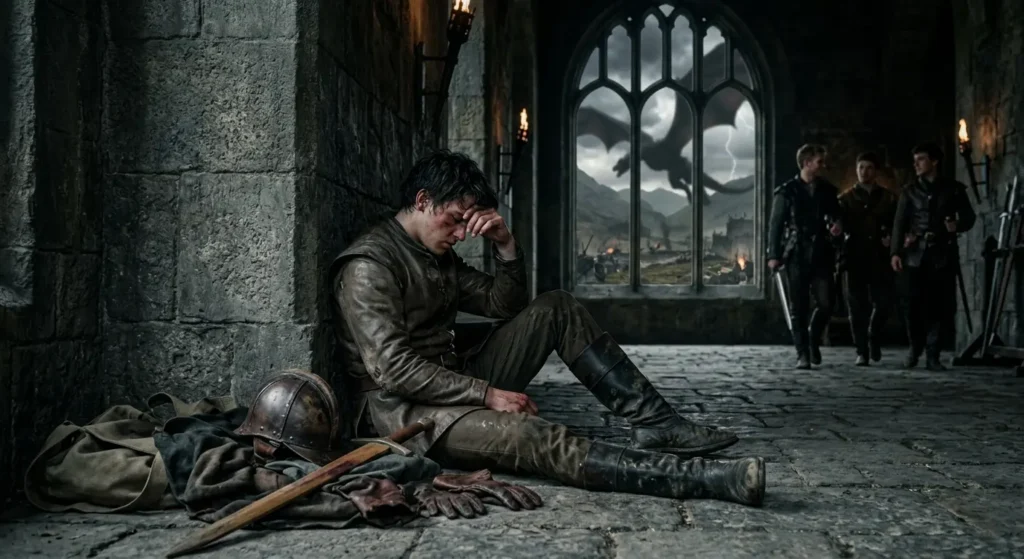
Rival cadets. Political enemies inherited from your own family. An upperclassman who’s decided you’re an easy target before you’ve even finished your first month. The actual pattern of death and danger in this world tracks human cruelty and human politics far more consistently than it tracks dragon fire.
The practical implication: your survival odds correlate more with reading people accurately, who has power over you, who’s testing you, who’s dangerous versus posturing, than with how tough you personally are in a straight fight.
An Honest Rebuttal

I’ve stacked this toward lethality by focusing heavily on the Rider quadrant specifically, and that framing deserves pushback.
Most people in Navarre never join the Rider quadrant at all, and the ones who do generally have some real aptitude the system has already screened for before the Threshing even happens.
The book follows Violet specifically because her situation, forced into the most dangerous quadrant against her own physical fragility, is the exception rather than the norm.
A reasonably capable, reasonably lucky conscript choosing Scribe, staying alert to political currents without getting personally entangled in them, and simply not volunteering for anything heroic, would likely have a considerably more survivable experience than this article’s Rider quadrant focused analysis suggests.
The world is dangerous specifically at its sharpest edge. Most people never stand on that edge at all.
A Somewhat Practical Survival Guide
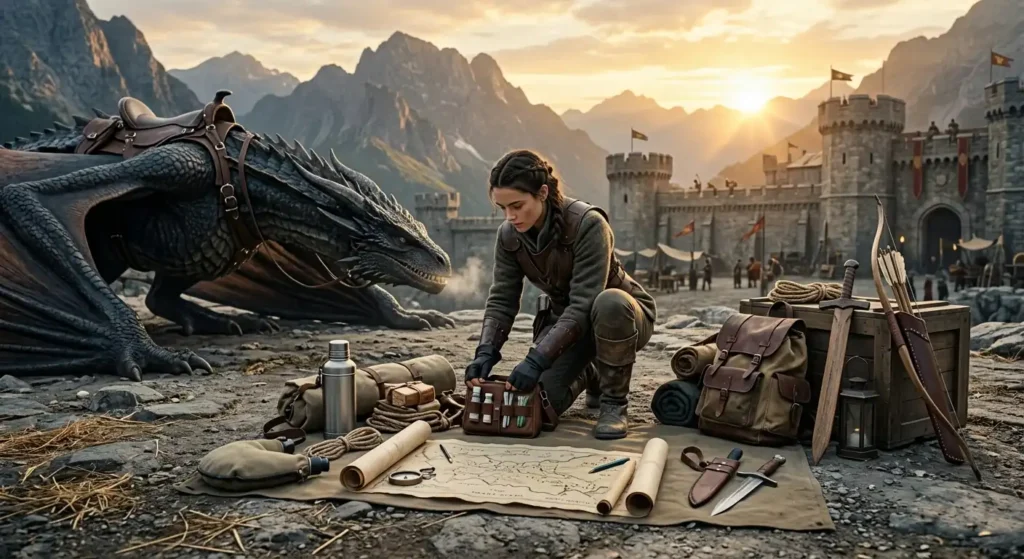
If you’re placed into this world and want real odds, five rules follow directly from the mechanics above.
Choose Scribe or Healer if you have any say at all. The Rider quadrant’s specific dangers are optional for most people in this world.
If you’re conscripted into Rider anyway, survive the Threshing by staying at the edges of the field. Chaos concentrates in the center. Distance from other candidates reduces your exposure to trampling risk specifically.
Never assume an upperclassman’s cruelty has a ceiling. The culture tolerates more than almost any real institution would, and testing that limit personally is a bad way to find out where it sits.
Treat political neutrality as a genuine survival skill, not cowardice. Violet’s specific danger comes substantially from inherited political entanglement she didn’t choose. Avoiding entanglements you can avoid is rational, not weak.
If you do bond a dragon, listen to it. Tairn’s judgment about people proves more reliable than most human characters’ judgment across the story. A dragon’s instinct about a threat is worth taking seriously rather than overriding out of pride.
Frequently Asked Questions
Does the Scribe or Healer quadrant appear in enough detail to know how much safer it is?
Not in great depth. The books focus overwhelmingly on the Rider quadrant specifically, which means claims about relative safety in Scribe or Healer training rest on reasonable inference from their non combat function rather than detailed depiction of their own specific risks.
Is the Threshing’s lethality ever quantified with a specific statistic in the text?
The books convey danger through depicted events and character reactions rather than stated casualty percentages, so any specific numeric mortality rate would be reader estimation rather than something the text directly confirms.
Would being from a powerful or well connected family help someone survive Basgiath?
Likely yes in some respects, given how much of the story’s danger comes from inherited political relationships, though Violet’s own case shows that a powerful family connection, her mother’s position, can just as easily create danger as prevent it.
Do all dragons behave similarly toward their bonded riders, or does this vary significantly?
It varies considerably. Tairn’s specific personality, dry, protective, and eventually truly invested in Violet, isn’t necessarily representative of every dragon bond depicted, and other pairings in the story show different dynamics and levels of warmth.
Is there a safer path within the Rider quadrant itself, once someone is already conscripted into it?
The books don’t clearly present an obviously safer internal track once conscripted specifically into Rider training, since the parapet, the Threshing, and ongoing cadet violence appear to apply broadly across that quadrant rather than offering a distinctly gentler sub path.
How Long Would You Last in Fourth Wing World – Final Thoughts
The honest answer is that you’d probably survive if you made one boring, unglamorous decision early. Choose the quadrant that doesn’t require crossing a parapet where falling kills you and let somebody else’s dragon do the dangerous work this world needs done.
Which is, when you think about it, exactly the decision Violet never actually got to make herself.
Related Articles
- 13 Overlooked Dragon Books Worth Reading in 2026
- 12 Best Dragon Books Ever Written [Updated 2026]
- 15 Best Dragon Books for Adults [Dark & Epic Picks of 2026]
- 11 Best Dragon Fantasy Books With Female Leads [2026 Picks]
- Why Dragons Took Over Romantasy, Thanks to Fourth Wing?
- Is Romantasy Actually a Genre or a Marketing Label?
- Why Fated Mates Are So Hard to Put Down
- Why Romantasy Connects So Deeply With Female Readers
Written by Batin Khan, a curious free spirit who loves reading and exploring the worlds of fantasy, mythology, and ancient stories. Through this blog, Batin hopes to share that sense of wonder with readers while building an exciting future along the way.