
 By
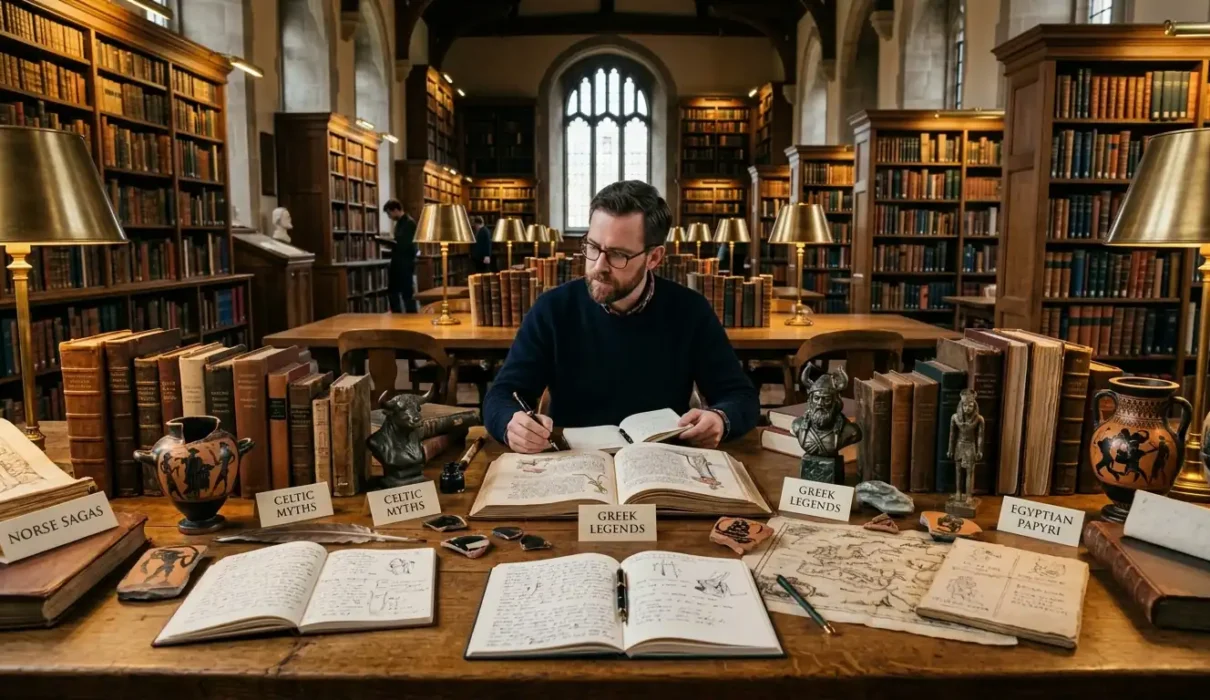
By Every mythology on this blog has been borrowed by someone. Greek from Hittite sources, Roman from Greek, romantasy’s fated mates from Chinese and Greek soulmate traditions.
Borrowing isn’t the problem. The actual question is narrower and considerably more useful than a blanket anxiety about theft.
The Real Test Isn’t Whether You Borrowed
Function Versus Surface, Applied to Myth Specifically
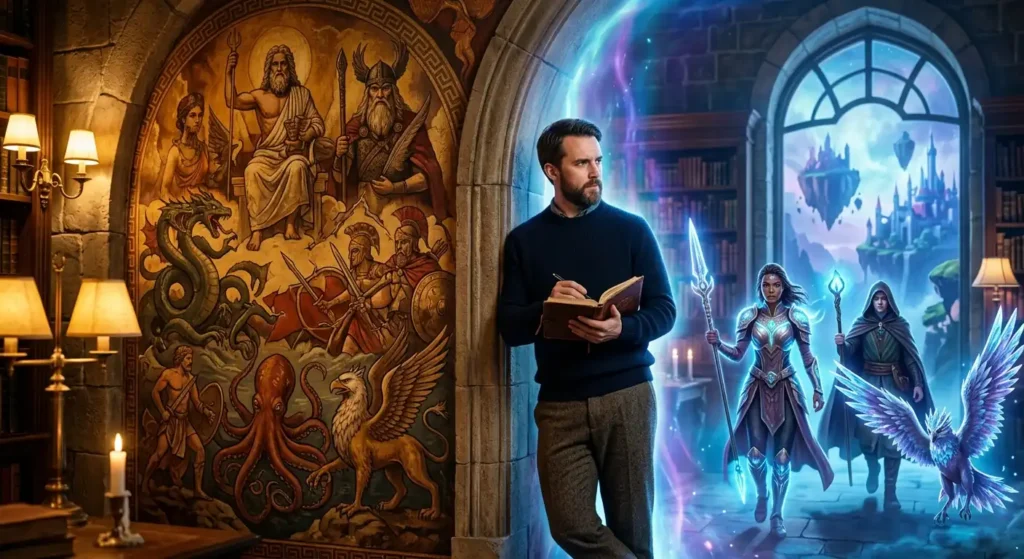
I’ve argued on this blog that the strongest worldbuilding borrows causal structure from real history rather than surface costume, and mythology deserves the same distinction, sharpened further.
Surface borrowing takes a name, an image, a general vibe of ancientness, and drops it into an otherwise unrelated invented framework.
Structural borrowing takes the actual logic a myth is doing, what problem it solves, what fear it names, what social function it serves, and lets that logic genuinely shape the story built around it.
A Name Without Its Function Is the Clearest Failure Case
Bahamut, the name most fantasy fans now associate with an apocalyptically powerful dragon.
The original Arabic cosmological Bahamut is a massive fish supporting a stacked cosmic structure, not a dragon at all. Dungeons and Dragons borrowed the name’s weight and discarded everything the name actually meant.
That’s theft in the specific sense worth naming. Not because using an old word is inherently wrong, but because the borrowing kept only the prestige and none of the understanding.
What Doing It Right Actually Looks Like
Marlon James Spent Two Years Before Writing a Sentence
Marlon James, who’d already won the Booker Prize for A Brief History of Seven Killings, told NOW Magazine directly what preceded Black Leopard, Red Wolf. I spent two years researching before I wrote a single line, going back to African mythology and history from before the corruptive influences of colonialism, aiming specifically at material predating European contact.
He built the novel from Yoruba and Fon mythology and the oral traditions of West and Central Africa, working from original research papers and epics rather than secondhand summaries.
He Named a Problem Deeper Than the Myths Themselves
The detail I think matters most, and it’s not something most craft discussions of this topic raise.
James told Electric Literature that existing translations of African epics were frequently filtered through what he called an Orientalist eye, and that the same distorting lens applied to the Iliad would make it sound just as strange.
That’s a sharper problem than simply researching a myth properly. Sometimes the existing scholarly apparatus surrounding a tradition is itself doing the flattening, and an author has to work past both the myth’s obscurity and the condescension baked into how it’s been previously translated.
He Named His Own Corrective Purpose Directly
James framed the project explicitly as a corrective to a genre long dominated by European source material and pointed to something genuinely personal underneath the research.
He learned much of this material himself only in his forties, despite it belonging to his own broader cultural inheritance, which is precisely the kind of erasure his novel was built to push back against.
Tolkien Did This From the Other Direction
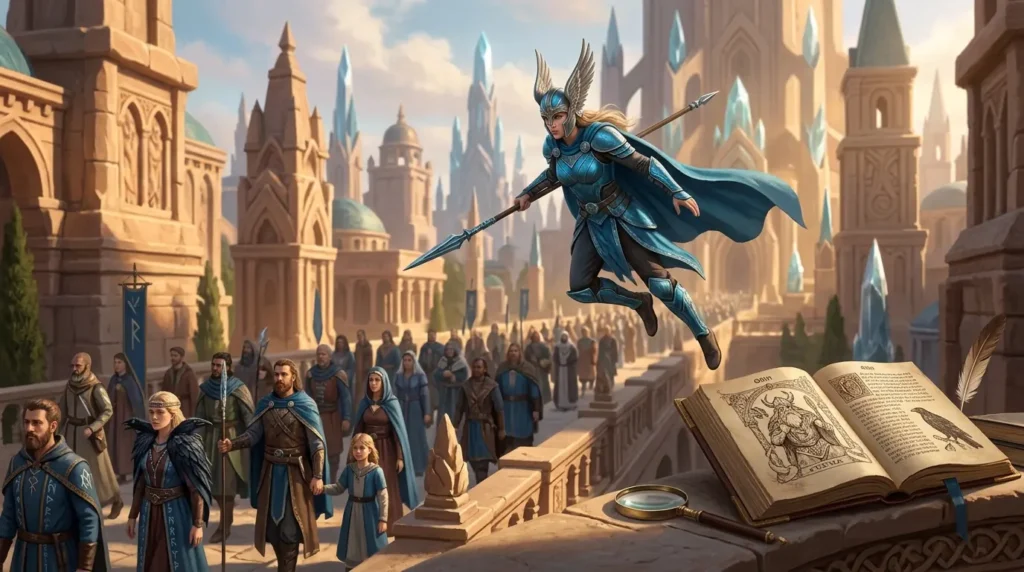
Tolkien’s own version of this discipline, reading William Morris’s saga translations directly, conducting his own independent academic research into Old English and Old Norse heroic material, and building Middle Earth from primary engagement rather than secondhand summary.
Different tradition, different century, same underlying requirement. Real research, done before the writing starts, not decorative flavor added afterward.
The Complication Modern Writers Face
Ancient Myth Makers Were Doing This Constantly
Here’s where I want to push back on treating this as a simple, universal rule.
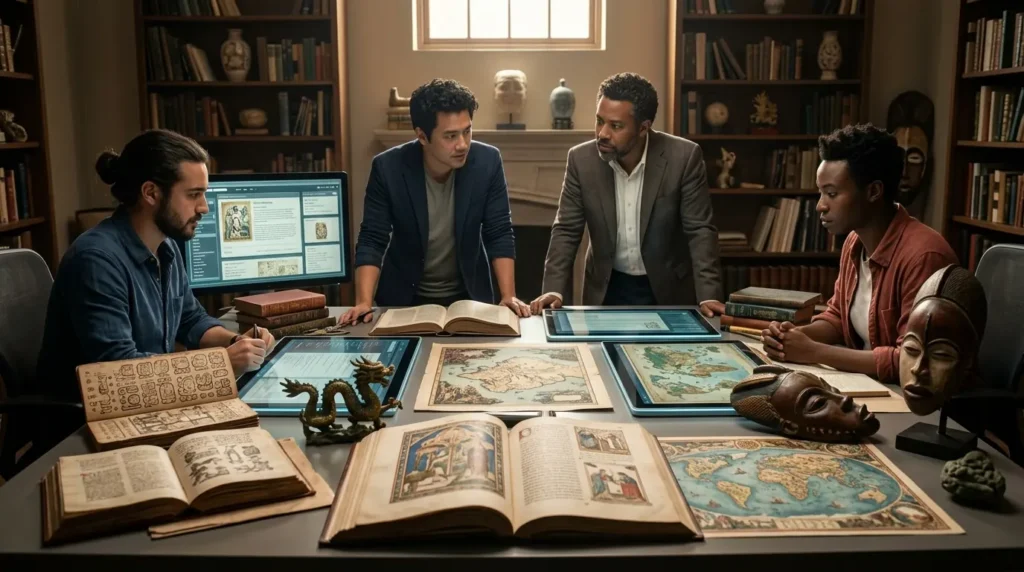
The Hittite Song of Kumarbi’s clear structural relationship to Hesiod’s Theogony: castration, swallowing, a warning ignored, a storm god ending the cycle. Greek myth wasn’t invented in isolation. It absorbed Near Eastern material through trade contact and retold it.
Borrowing across cultures is mythology’s actual, documented norm, not a modern crisis unique to fantasy publishing.
What’s Actually Different Now
Two things genuinely distinguish the modern situation, and neither one existed for an eighth century BCE poet compiling inherited oral tradition.
Power asymmetry is the first. Ancient Greece and the Hittite Empire were comparably resourced, independent political entities in a two-way cultural exchange.
A well-funded modern publisher borrowing from a historically colonized or marginalized culture’s tradition operates inside a genuinely different power relationship, where one side has vastly more access to publish, profit from, and control the narrative around shared material.
Research access is the second. Hesiod had no library of primary sources to consult and no realistic way to verify Hittite tradition against its own speakers. A contemporary author has actual archives, actual scholarship, and in many cases actual living communities they could consult directly.
The bar for what counts as real effort is legitimately higher today, because the tools for meeting it actually exist now.
The Purity Test Risks Freezing Cross Cultural Creativity Entirely
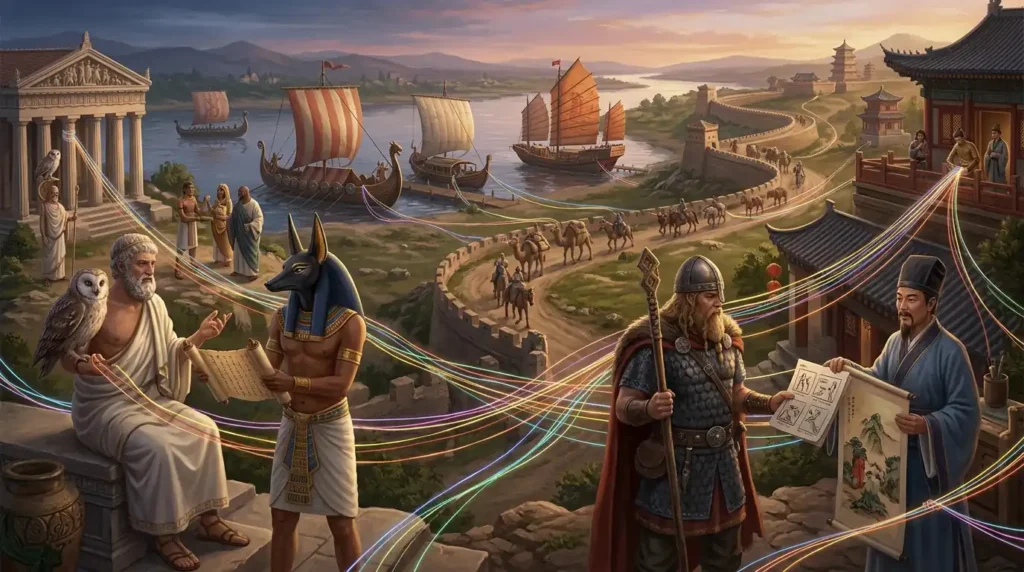
I want to take seriously the objection that strict standards for cultural engagement could produce a truly damaging chilling effect.
If every act of mythological borrowing requires years of primary research and direct community consultation, a great deal of valuable, imaginative cross-cultural work simply won’t get attempted, and readers lose access to stories that might have been told imperfectly but were still told with real care.
This is a contested area of cultural criticism, and reasonable people land in different places on where exactly the line sits.
Some critics argue the standard should be primarily about outcome, does the finished work actually respect and illuminate its source, while others argue process matters just as much, who did the borrowing and under what conditions.
My Own Position, Stated Plainly
I don’t think the answer is a purity test requiring perfection before anyone’s allowed to touch material outside their own direct heritage. I think the actual, workable standard is closer to what James and Tolkien both demonstrate.
Do the research before you write. Understand the function a piece of mythology actually serves before you borrow its imagery. Name what you’re doing honestly rather than presenting borrowed material as pure invention.
That’s a considerably lower bar than perfection, and a considerably higher one than the Bahamut approach of taking a resonant name and discarding everything it once meant.
Frequently Asked Questions
Did Marlon James face any criticism for his approach to African mythology in Black Leopard, Red Wolf?
Some critics and readers debated specific stylistic and structural choices in the novel, as happens with any ambitious literary work, though his extensive documented research process and explicit framing of the project’s corrective purpose were widely acknowledged as genuine and substantial.
Is there a term literary critics use specifically for surface level mythological borrowing without genuine engagement?
No single standardized academic term covers this precisely, though discussions of cultural appropriation in literature and media studies address closely related questions about power, credit, and genuine versus superficial engagement with source material.
Did Tolkien ever address concerns about his own use of Norse and Old English material directly?
Tolkien wrote extensively about his scholarly engagement with these traditions in his academic essays and letters, generally framing his fiction as growing out of genuine philological study rather than addressing the ethics of the borrowing itself, which wasn’t discussed in these terms during his lifetime.
Are there other contemporary fantasy authors known for similarly extensive mythological research before writing?
Yes. Authors including Nnedi Okorafor and Tomi Adeyemi have both been credited with bringing genuine cultural and mythological depth to fantasy drawing on African traditions, part of a broader wave of writers reshaping the genre away from purely European source material.
Is it possible to do genuine research and still get the adaptation wrong?
Yes, genuinely. Research reduces the risk of surface level extraction but doesn’t guarantee a finished work will be read as respectful or accurate by the communities the source material belongs to, since reasonable disagreement about interpretation and representation remains possible even with sincere effort.
Final Thoughts
Two years before a single line, primary sources over secondhand summaries, and an honest reckoning with the fact that even the existing scholarship on a tradition can be part of the problem.
That’s a genuinely higher bar than borrowing a name because it sounds ancient and powerful. It’s also a considerably more achievable one than most writers assume, and Marlon James just showed exactly what meeting it actually requires.
Related Articles
- Grimdark vs Dark Fantasy: Are They One & The Same
- 12 Best Dark Fantasy Books 2026: You Should Never Miss Out
- Is Dark Fantasy Horror? Where the Line Actually Falls
- How to Build a Dark Fantasy World That Actually Disturbs
- Chaos: The Primordial Void Before the Greek Gods
- How Zeus Overthrew His Father to Rule Olympus
- The 12 Olympian Gods: Powers, Symbols & Key Stories
- Who Were the Titans? Names, Powers & Their Downfall
- 13 Legendary Greek Heroes, Ranked by Their Feats
Written by Batin Khan, a curious free spirit who loves reading and exploring the worlds of fantasy, mythology, and ancient stories. Through this blog, Batin hopes to share that sense of wonder with readers while building an exciting future along the way.