
 By
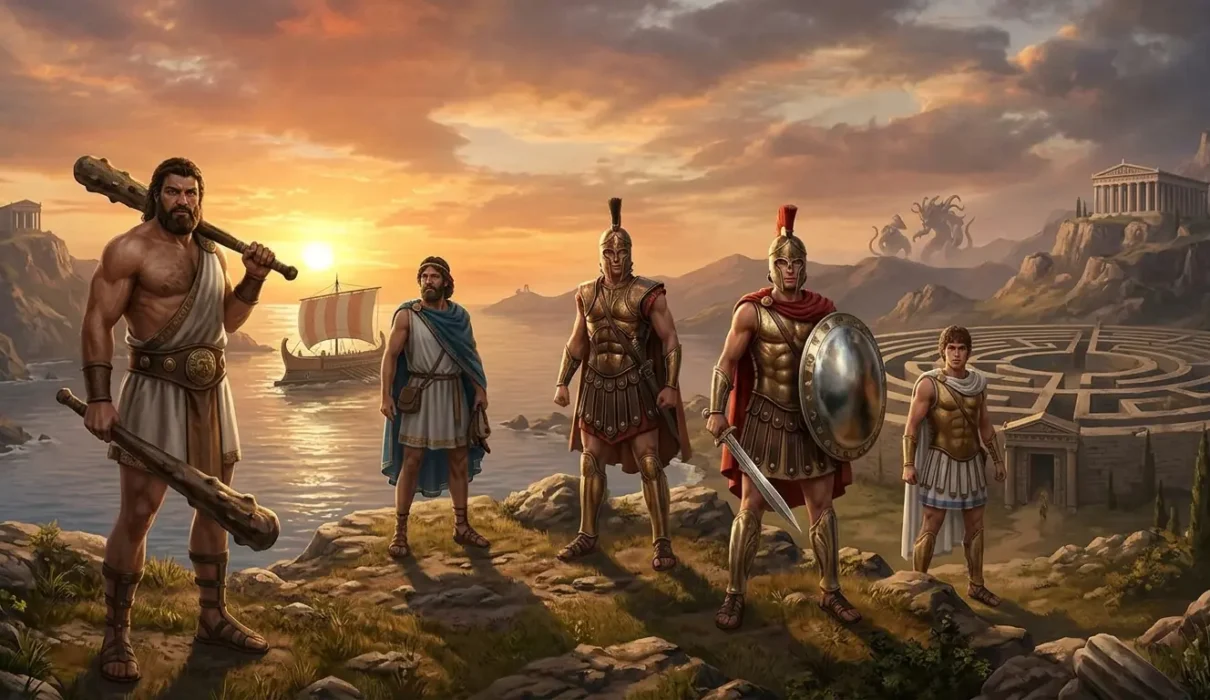
By Fame and accomplishment aren’t the same measurement. Rank Greek heroes by what they actually did rather than by how well their stories survived, and several very famous names drop hard while a few obscure ones climb past them.
One hero on this list wounded two Olympian gods in a single afternoon and most people have never heard of him.
How I’m Actually Ranking These
Four criteria, applied consistently.
Difficulty of opposition measures what was genuinely being overcome. A monster that had killed everyone who came before it counts for more than a strong animal.
Independence measures how much of the work the hero actually did. A hero handed divine equipment and a detailed plan achieved less, by this standard, than one who improvised with nothing.
Volume measures the documented count. One extraordinary deed ranks below a dozen substantial ones.
Permanent consequence measures whether the world stayed changed afterward. Founding a city, ending a monster’s line, or altering the relationship between gods and mortals counts for more than winning a fight that changed nothing structural.
13. Jason
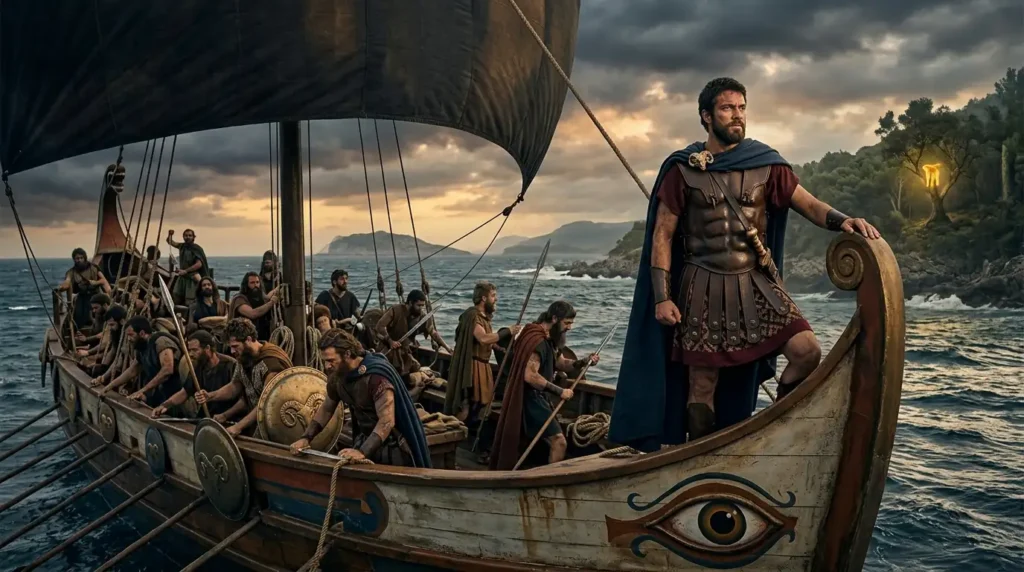
Jason led the Argonauts to Colchis and returned with the Golden Fleece, which sounds like an elite resume until you check who actually solved each problem.
Medea drugged the sleepless dragon guarding the fleece. Medea gave him the ointment that let him survive the fire breathing bulls. Medea told him to throw a stone among the sown warriors so they’d kill each other.
His genuine achievement is assembling and holding together the greatest crew in Greek myth, which is real leadership. On independence specifically, he ranks last on this list by a considerable margin.
12. Meleager
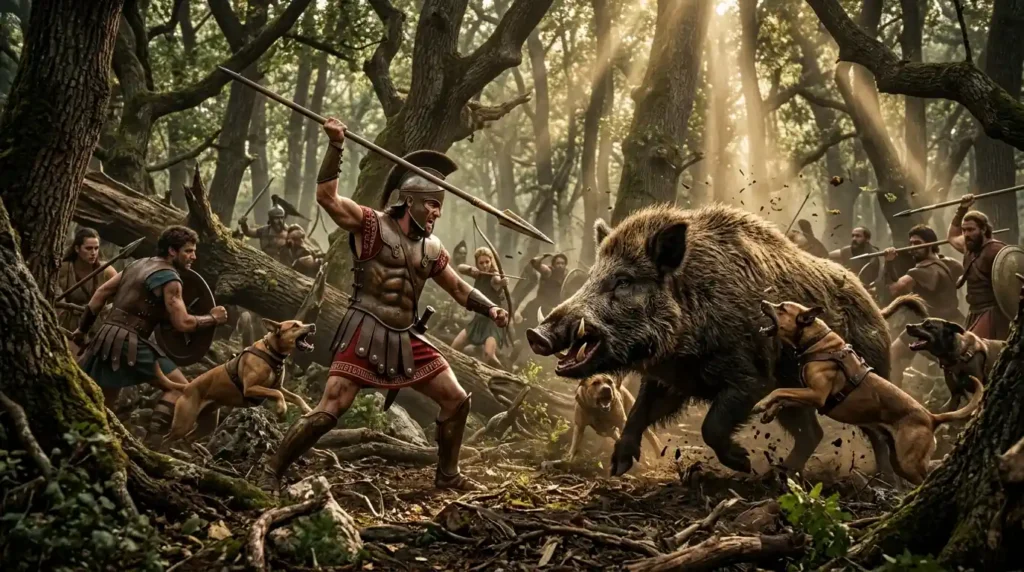
Meleager organized and led the Calydonian Boar hunt, gathering many of the era’s finest hunters against a monstrous boar sent by Artemis to ravage the countryside.
He landed the killing blow, which is genuinely the decisive act. The hunt was collaborative though, and Atalanta drew first blood before he finished it.
His life was bound to a burning brand, which his mother destroyed after he killed her brothers in the dispute over the boar’s hide. Dying because your mother threw a log on a fire is a strange end for a hero with real accomplishments.
11. Cadmus
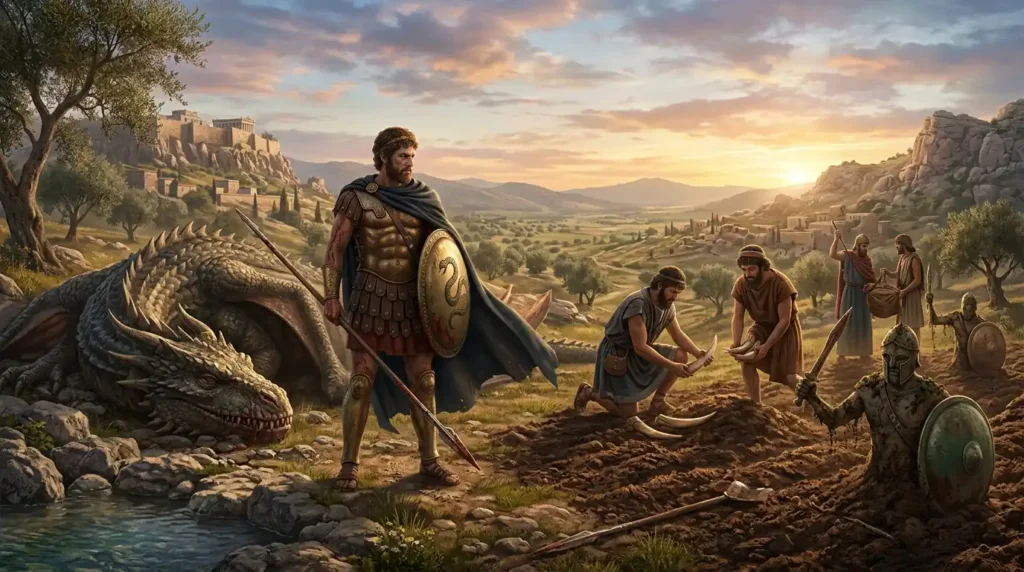
Cadmus killed the dragon of Ares guarding the spring of Ismene, then sowed its teeth on Athena’s instruction and watched armed men spring from the ground.
He set them fighting each other, and the five survivors became the founding nobility of Thebes. That’s one of the more consequential city foundings in Greek tradition.
Herodotus credits him with bringing the Phoenician alphabet to Greece, which if you’re counting permanent consequence is arguably a larger contribution than anything else on this list. His combat volume is thin, but his structural impact is enormous.
10. Orpheus
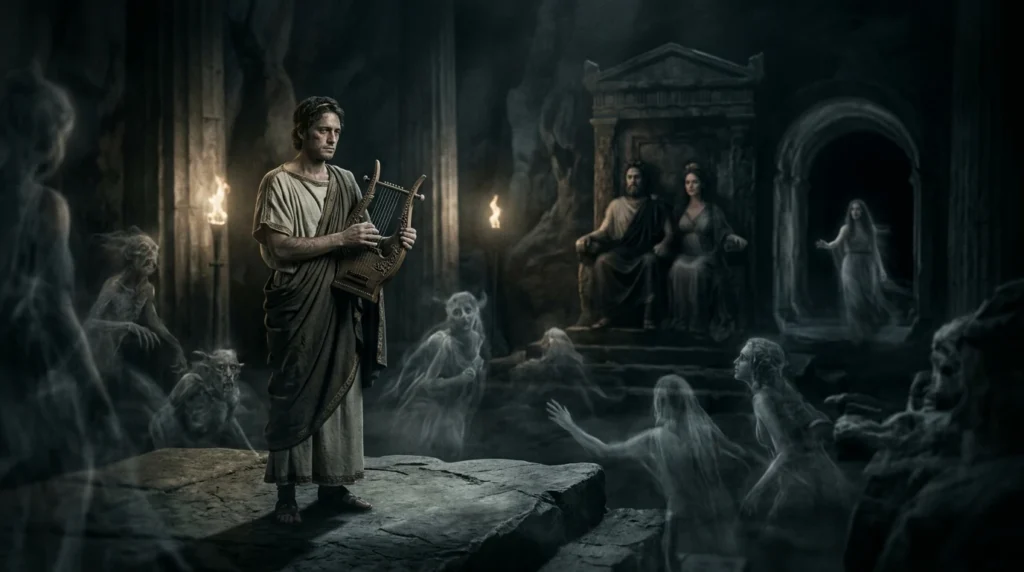
Orpheus has no combat record whatsoever, and he ranks here anyway because of one thing nobody else managed.
His music moved stones, trees, and animals. Sailing with the Argonauts, he drowned out the Sirens by playing louder and better than they sang, saving the entire crew.
Then he walked into the underworld and persuaded Hades and Persephone to release Eurydice. Not tricked them, not fought past them, persuaded them. He’s the only figure in Greek tradition who genuinely softened the rulers of the dead through argument alone, and he still lost her by looking back at the threshold.
9. Ajax the Great
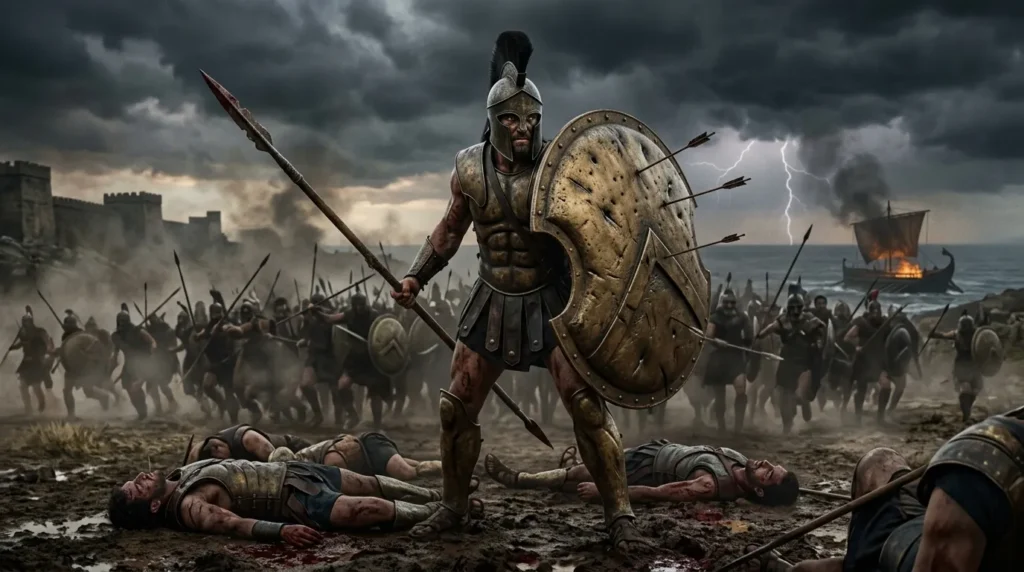
Ajax fought Hector to a standstill in single combat, held the Greek ships almost alone when the Trojans broke through, and carried Achilles’ body off the battlefield under fire.
The Iliad never shows him wounded, which is genuinely rare across a poem that catalogues injuries obsessively.
What caps him here is that his record is entirely defensive and entirely human. No monsters, no gods, no permanent change to anything. He was extraordinarily reliable at exactly one thing, and then killed himself after losing Achilles’ armor to Odysseus in a contest of persuasion rather than strength.
8. Atalanta
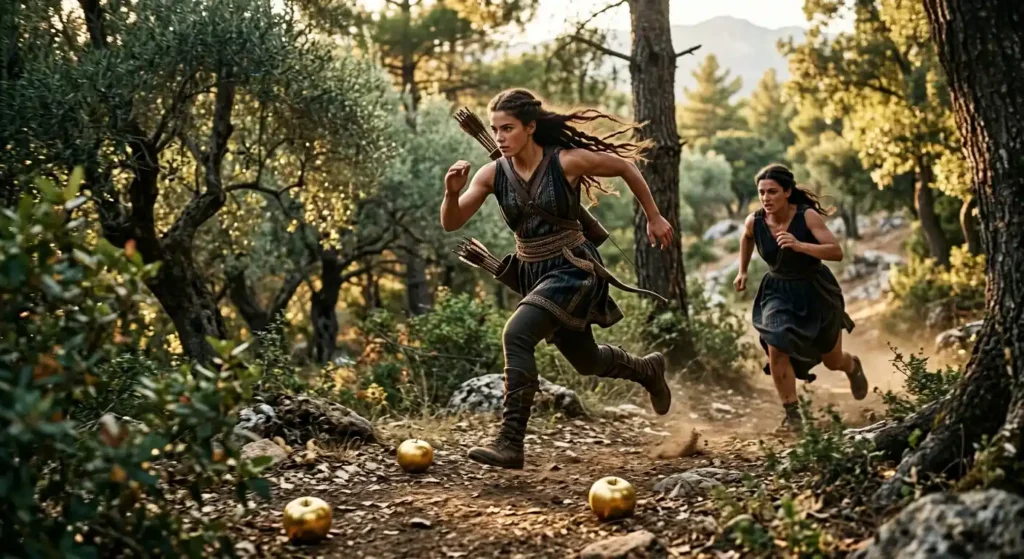
Atalanta drew first blood on the Calydonian Boar, before Meleager finished it, which means she outperformed a field of celebrated male hunters at the moment it mattered.
She wrestled Peleus at the funeral games of Pelias and won. Peleus later married a goddess and fathered Achilles, so this wasn’t a minor opponent.
She remained undefeated in footraces until Hippomenes beat her with golden apples supplied by Aphrodite, which is to say she was never actually outrun. Whether she sailed with the Argonauts varies by source, with Apollodorus including her and Apollonius leaving her out.
Her documented volume is smaller than the men above her, but her win rate against elite competition is close to perfect.
7. Bellerophon
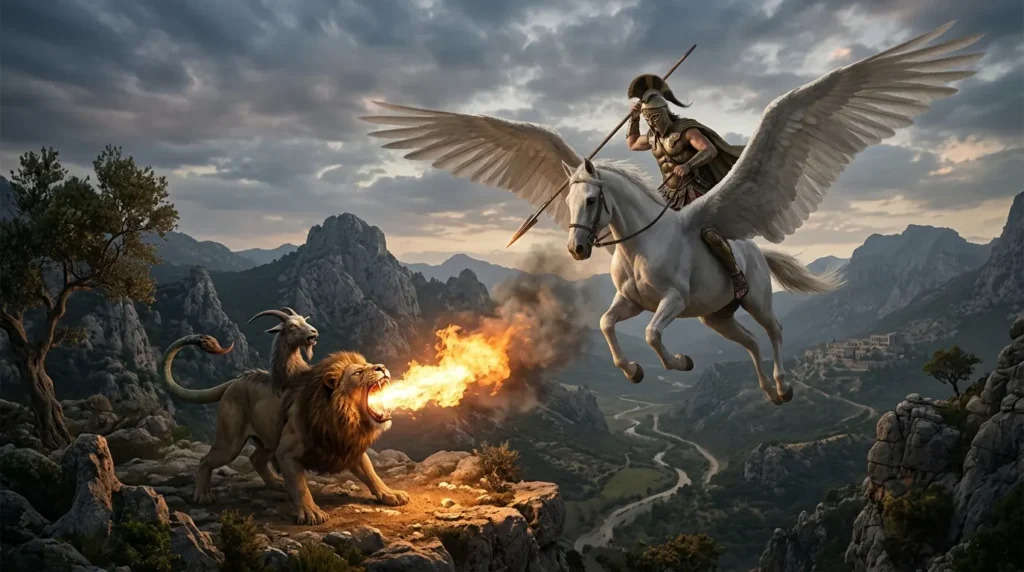
Bellerophon tamed Pegasus using a golden bridle from Athena, then killed the Chimera, a fire breathing composite of lion, goat, and serpent that had proved unkillable by conventional means.
He followed that by defeating the Solymi and then the Amazons, two campaigns either of which would headline a lesser hero’s career.
The Pegasus assist keeps him from ranking higher on independence. His ending is the most instructive on this list though. He attempted to fly to Olympus, was thrown down, and spent his remaining years crippled and wandering.
The hero who beat the Chimera was destroyed by ambition rather than by any opponent.
6. Diomedes
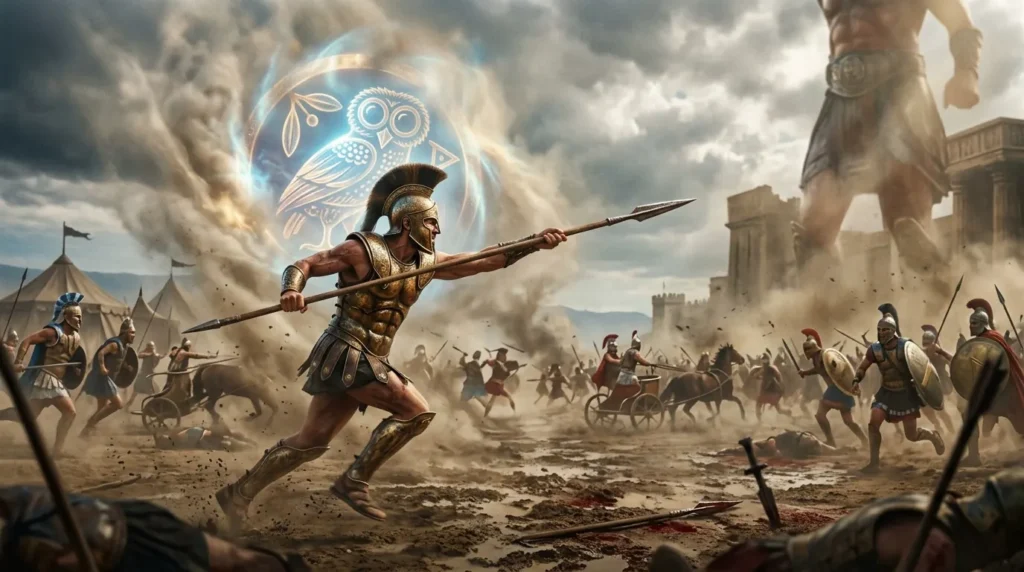
In Book Five of the Iliad, Diomedes wounds Aphrodite in the hand, forcing her to flee the battlefield. Later the same day, he wounds Ares badly enough that the war god retreats to Olympus to complain to Zeus.
Two Olympians injured by one mortal within a single day. Nobody else on this list wounded a god at all.
He did it with Athena’s assistance, which matters for the independence criterion, but he physically drove the weapons. He also infiltrated Troy with Odysseus to steal the Palladium, and survived the war without the catastrophic homecoming that ruined most of his peers.
He’s the most underrated hero in Greek myth and the ranking above him is genuinely difficult to justify on raw feats alone.
5. Perseus
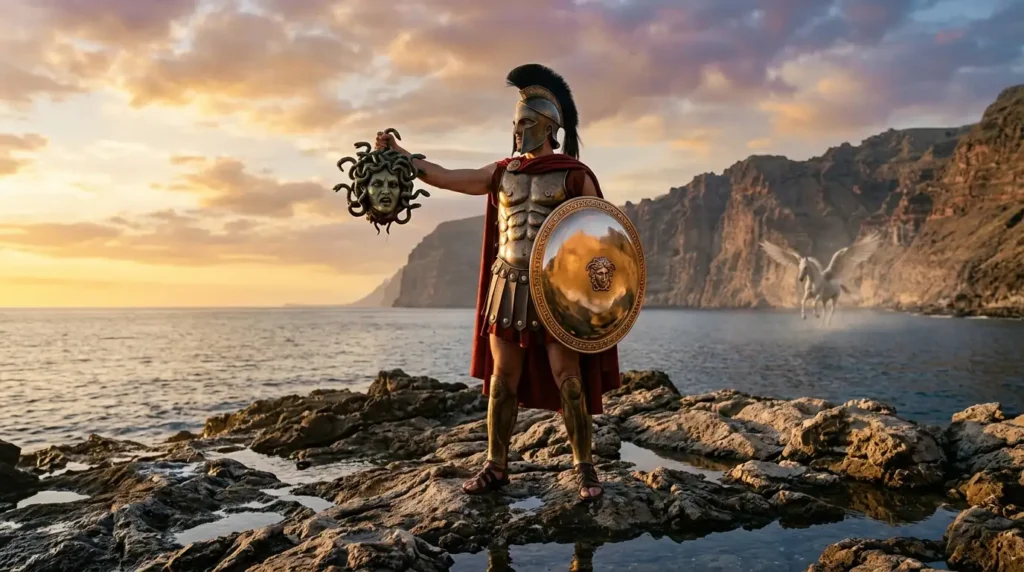
Perseus killed Medusa, whose gaze turned men to stone and who had killed everyone who attempted her before him. He then killed the sea monster Cetus to save Andromeda, turned Polydectes to stone, and founded Mycenae.
The founding matters. Mycenae becomes the seat of Agamemnon and the center of the Trojan War’s Greek command.
What holds him at fifth is equipment. He received winged sandals, the helm of Hades granting invisibility, a reflective shield, and an adamantine sword, essentially a complete divine loadout before he started. He executed brilliantly. He was also more thoroughly supplied than anyone else here.
He’s also one of very few Greek heroes with an actual happy ending, which says something about how rarely competence alone protected anyone.
4. Achilles
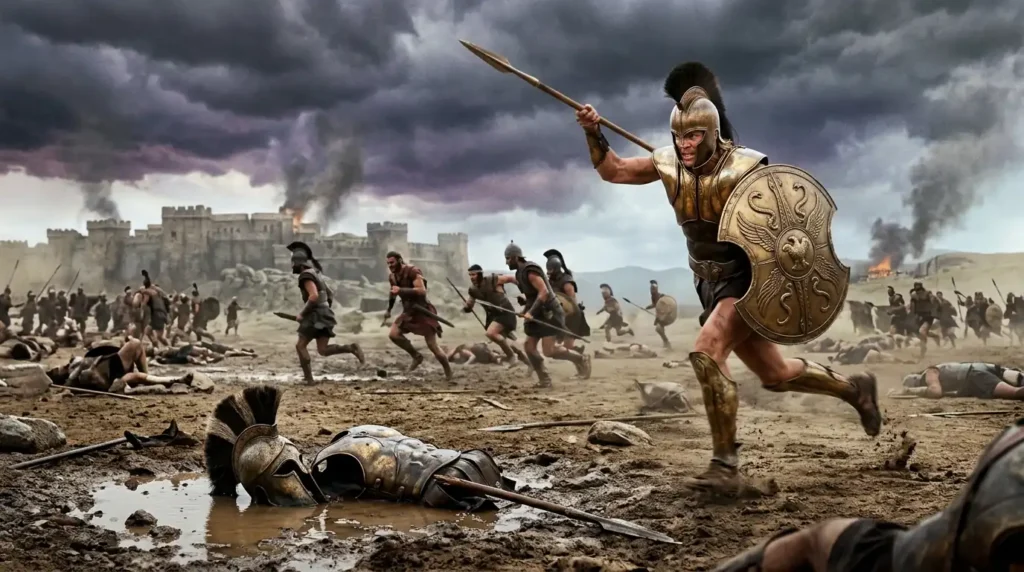
Achilles is the consensus greatest warrior at Troy, and the Iliad treats his return to battle as decisive in a way no other single fighter’s participation is.
He killed Hector, Troy’s best defender. He killed Penthesilea, the Amazon queen. He killed Memnon, son of the dawn goddess Eos. He sacked numerous cities across the surrounding region before the poem even begins.
A Correction Worth Making
The famous invulnerability does not appear in Homer. The Iliad’s Achilles is simply the best fighter alive, and he can be wounded like anyone else.
The story of Thetis dipping him in the Styx and leaving one heel dry comes from considerably later sources, with the fullest early account appearing in Statius. Ranking Achilles on his Homeric feats rather than on a later addition is the more accurate approach, and it doesn’t hurt his placement at all.
3. Theseus
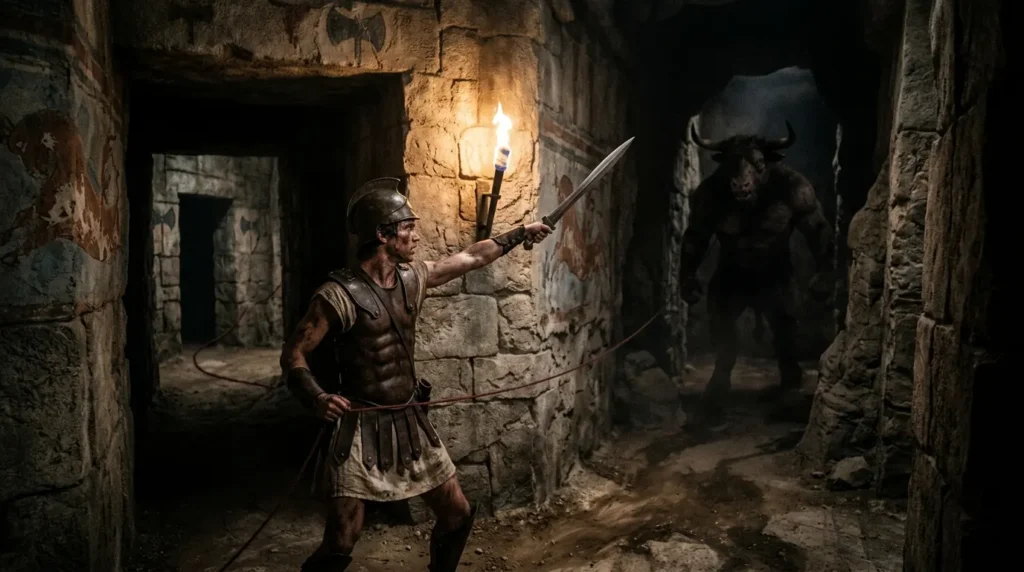
Theseus chose the dangerous land route to Athens deliberately and cleared it, killing Periphetes, Sinis, the Crommyonian Sow, Sciron, Cercyon, and Procrustes along the way. Six documented kills before his career properly started.
Then the Minotaur, in the Labyrinth, which nobody had ever escaped.
He unified Attica into a single political entity centered on Athens, which is genuinely the most consequential political achievement by any hero here. He campaigned against the Amazons and descended to the underworld with Pirithous, where he was trapped until Heracles freed him.
That underworld failure is the only significant blemish on an otherwise elite volume and independence record.
2. Odysseus
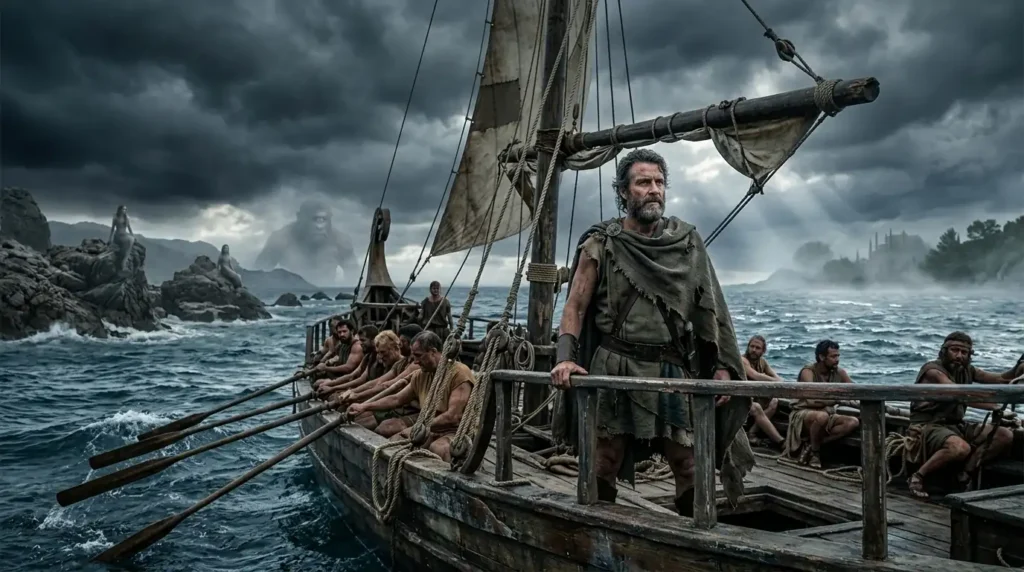
Odysseus conceived the Trojan Horse, which ended a ten year war that the greatest warriors in the Greek world had failed to conclude through force.
He blinded Polyphemus and escaped a sealed cave by thinking his way out. He survived Scylla and Charybdis, Circe, the Sirens, Calypso, and the loss of every ship and man he commanded. He then killed over a hundred suitors occupying his own home.
What earns him second is that essentially none of it came from divine equipment or physical superiority. Athena favored him, but the plans were his. He’s the only hero on this list whose entire resume was built from intelligence, and he ran it against gods actively working to destroy him.
1. Heracles
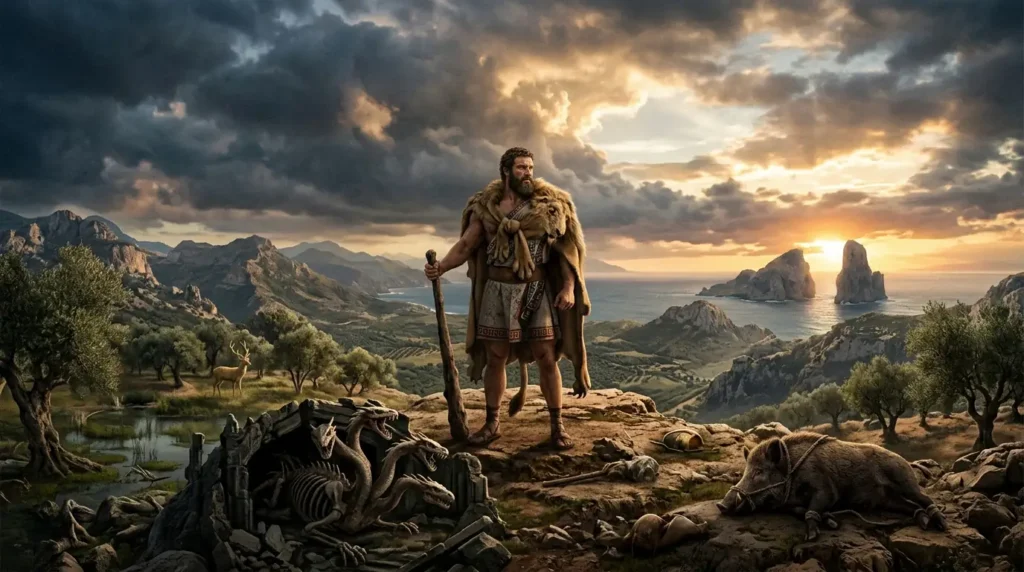
This isn’t close, and I don’t think a serious feats based ranking can put anyone else here.
Twelve Labors, each of which would be a career for anyone else. The Nemean Lion with impenetrable hide. The Hydra that grew two heads for every one removed. Cerberus, retrieved from the underworld itself, alive.
Then the side deeds. He fought in the Gigantomachy, where the gods truly needed a mortal’s help to win. He wounded Hades. He freed Prometheus. He briefly held up the sky so Atlas could fetch the apples of the Hesperides. He sacked Troy a generation before the famous war.
His volume alone exceeds everyone else combined. His opposition included gods, monsters no weapon could harm, and the underworld twice.
And then he became a god, which no other hero here managed. Apotheosis is the ceiling on the entire heroic category, and only one person reached it.
A Note on Who Isn’t Here
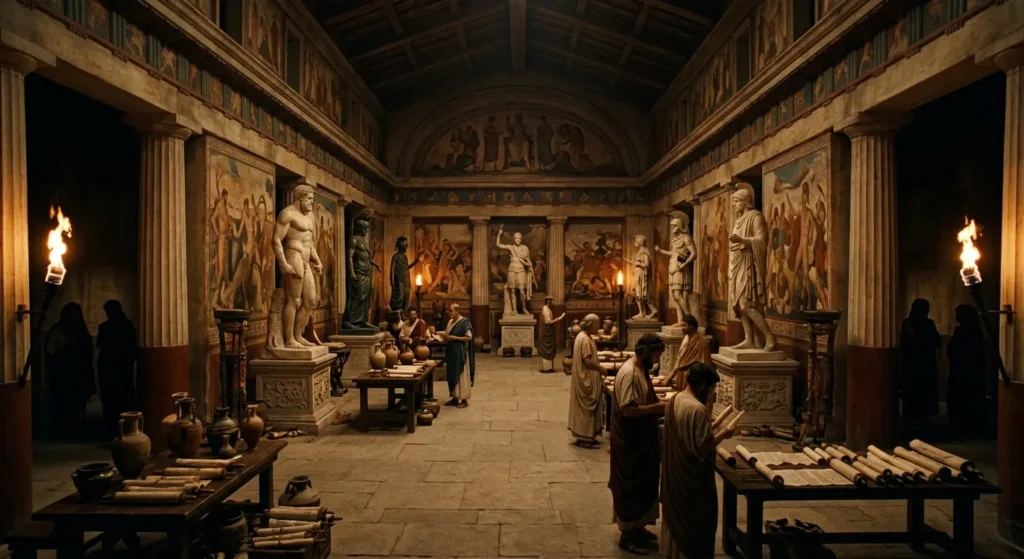
Hector is frequently the first name people ask about, and he’s excluded on a technicality worth explaining.
Hector is Trojan. He’s unquestionably a hero within Greek mythology, and arguably its most sympathetic warrior, but he fights against the Greeks rather than among them. Whether “Greek hero” means “hero of Greek myth” or “hero on the Greek side” is a real ambiguity in the question.
On feats alone, he’d rank around eighth or ninth, comparable to Ajax, with the significant caveat that he loses his defining fight.
What Ranking by Feats Actually Reveals
Applying these criteria consistently produced two findings that surprised me.
The independence criterion demolishes Jason and meaningfully damages Perseus, both of whom sit much higher on fame based lists. Divine equipment and a competent partner do a great deal of work that gets attributed to the hero’s own name.
Intelligence outranks strength more often than the popular image of Greek heroism suggests. Odysseus at second, Orpheus in the top ten with zero combat, and Cadmus ranking on an alphabet all point the same direction.
An Honest Counterargument
My four criteria aren’t neutral, and someone weighting them differently would produce a legitimately different list.
Prioritize cultural influence and Achilles arguably takes first, since the Iliad is the foundational text of Western literature and his rage is its actual subject. Prioritize permanent consequence alone and Cadmus climbs enormously on the alphabet claim.
There’s also a real source problem underneath all of this. These heroes come from texts written centuries apart, by authors with different agendas, in traditions that contradicted each other freely.
Heracles’ labor count varies. Atalanta’s Argonaut membership varies. Ranking figures across sources that never agreed with each other is imposing a consistency the material doesn’t actually have.
I still think the exercise is worthwhile, mainly because working through it forces you to notice how much of heroic reputation rests on story survival rather than on documented achievement. Diomedes wounded two gods and lost the popularity contest anyway.
Frequently Asked Questions
Why is Heracles sometimes called Hercules?
Hercules is the Roman name for the same figure, adopted alongside most of Greek mythology into Roman religion. Heracles is the original Greek form, meaning roughly glory of Hera, which is bitterly ironic given her sustained persecution of him.
Were there other Greek heroines besides Atalanta with documented feats?
Yes, though fewer survive with detailed accounts. Figures including Hippolyta and the Amazons generally, along with Medea’s own considerable achievements, appear across the sources, though Medea is typically classified as a sorceress rather than a hero.
Did any Greek hero besides Heracles achieve apotheosis?
A small number of figures achieved various forms of elevation, including Asclepius, who was placed among the stars after being struck down by Zeus, and Ganymede, though these differ substantially from Heracles’ full admission to Olympus as a god.
What happened to Diomedes after the Trojan War?
Accounts vary considerably. Some traditions have him returning home to find his wife unfaithful and departing for Italy, where he founded cities and was eventually honored as a divine figure, giving him one of the gentler post war outcomes among Greek commanders.
Is there a canonical list of the Argonauts that all sources agree on?
No. Crew lists differ substantially between Apollonius of Rhodes, Apollodorus, Hyginus, and other sources, with some heroes appearing in certain accounts and absent from others, reflecting the tradition’s growth across centuries rather than any single fixed roster.
Final Thoughts
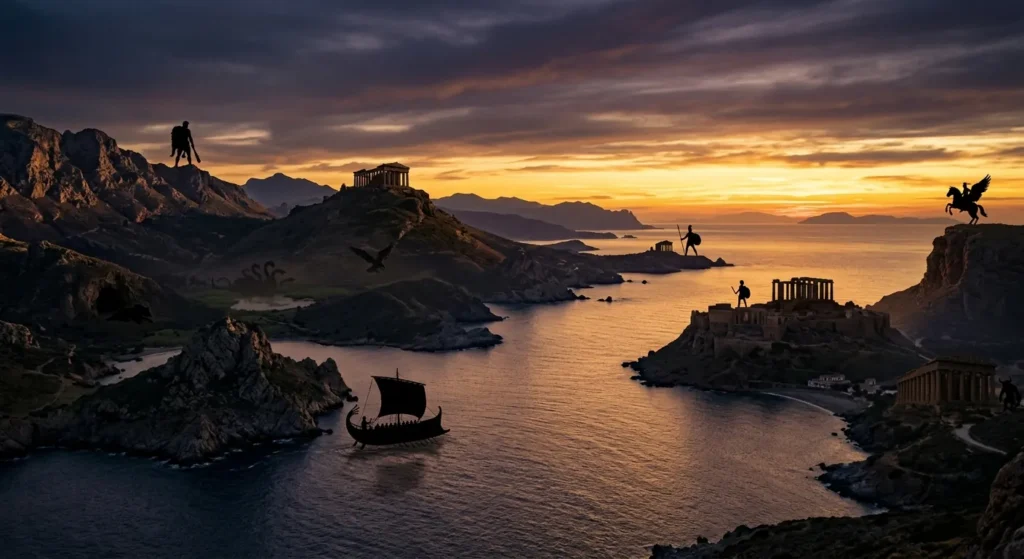
Thirteen heroes, one methodology applied honestly, and a first place finish that was decided before I started because nobody else built a resume like that.
The real useful takeaway isn’t the ranking. It’s noticing how much of heroic fame comes down to which poems survived, and how many people wounded gods, founded alphabets, or outran everyone alive without ever making the household name list
Related Article
- How Zeus Overthrew His Father to Rule Olympus
- Who Were the Titans? Names, Powers & Their Downfall
- Gaia: Greek Mythology’s Original Mother Goddess
- Chaos: The Primordial Void Before the Greek Gods
- How Norse & Greek Mythology Built Modern Dark Fantasy
- Cronus: The Titan Who Feared His Own Children
Further Reading & Sources
- Homer. Iliad.
- Homer. Odyssey.
- Apollodorus. The Library.
- The Argonautica, by Apollonius Rhodius
- Herodotus, Histories
- Pausanias. Description of Greece.
- Ovid. Metamorphoses.
- Heracles by Euripides
Written by Batin Khan, a curious free spirit who loves reading and exploring the worlds of fantasy, mythology, and ancient stories. Through this blog, Batin hopes to share that sense of wonder with readers while building an exciting future along the way.