
 By
By Most fantasy magic systems follow a recognizable shape. Special people learn spells, get stronger with practice, and stay morally separate from the power they wield.
These nine systems each break one specific piece of that shape, and naming exactly which piece each one breaks tells you more about the genre’s assumptions than any of them would alone.
Earthsea: Magic as Restraint, Not Force

The Convention Being Broken
Fantasy usually treats more magical power as straightforwardly better. Bigger spells, bigger effects, bigger wins.
What Le Guin Does
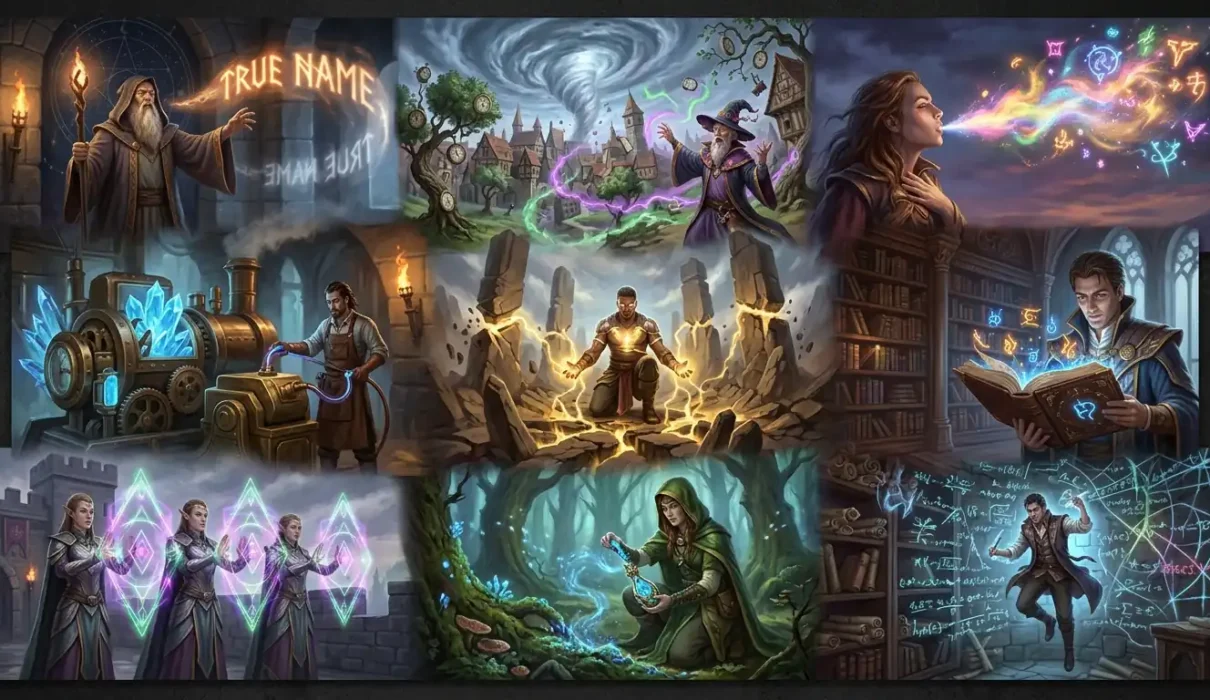
Ursula K. Le Guin’s Earthsea runs on the true names of things in the Old Speech, and knowing a name gives you power over what it names. The system’s real center of gravity isn’t force.
It’s the Equilibrium, a doctrine holding that every act of magic must be weighed against its cost to the world’s overall balance.
A Wizard of Earthsea’s entire plot follows directly from Ged overreaching, casting a spell beyond his mastery to prove himself, and releasing a shadow that then hunts him across the archipelago. The lesson embedded in the system isn’t learn more spells. It’s know precisely when not to cast one.
Why This Goes Against the Usual Power Fantasy
Skill in Earthsea is measured by restraint rather than output, which makes the wisest wizards the ones who do the least visible magic rather than the most.
Discworld: Magic Made of Story Logic
The Convention Discworld Breaks
Hard magic systems generally aspire to something physics adjacent, consistent rules a reader could theoretically graph.
What Pratchett Built
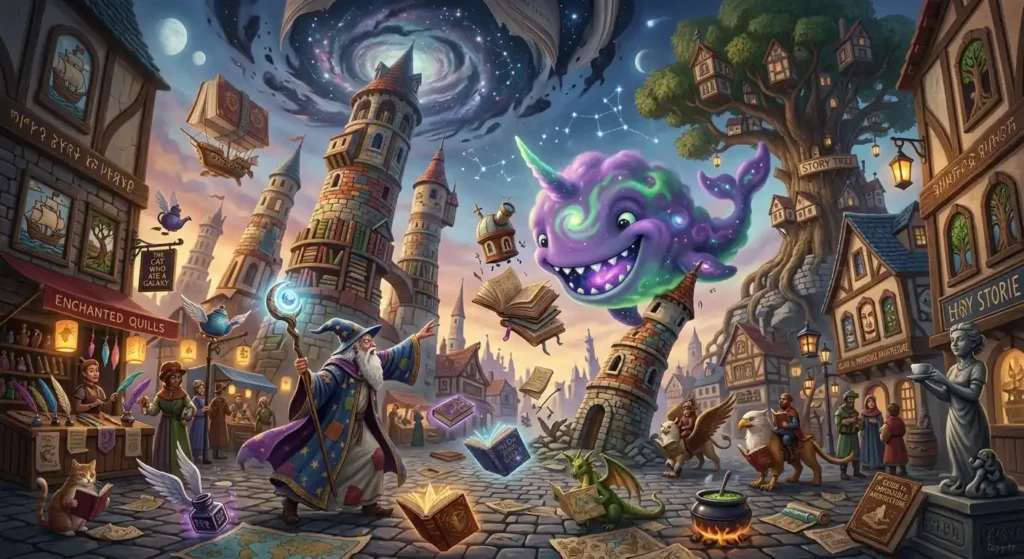
Terry Pratchett’s Discworld runs partly on narrative causality, the principle that events on the Disc are truly influenced by story logic itself, sometimes personified through the concept of narrativium, treated as an real element woven into reality.
Million to one chances succeed noticeably more often on the Disc than probability alone would predict, specifically because narrative expects them to. That’s not physics. It’s genre convention promoted to an actual law of the universe.
Why This Inverts the Usual Approach
Most magic systems try to feel less arbitrary than reality. Pratchett’s makes the arbitrariness of storytelling itself the true mechanism, which is a considerably stranger foundation than any elemental or energy based system attempts.
Warbreaker: Magic as Visible, Literal Life
The Convention
Magical cost in fantasy is frequently abstract, fatigue, a headache, a vague drain readers have to take on faith.
Sanderson’s Way of Doing Things
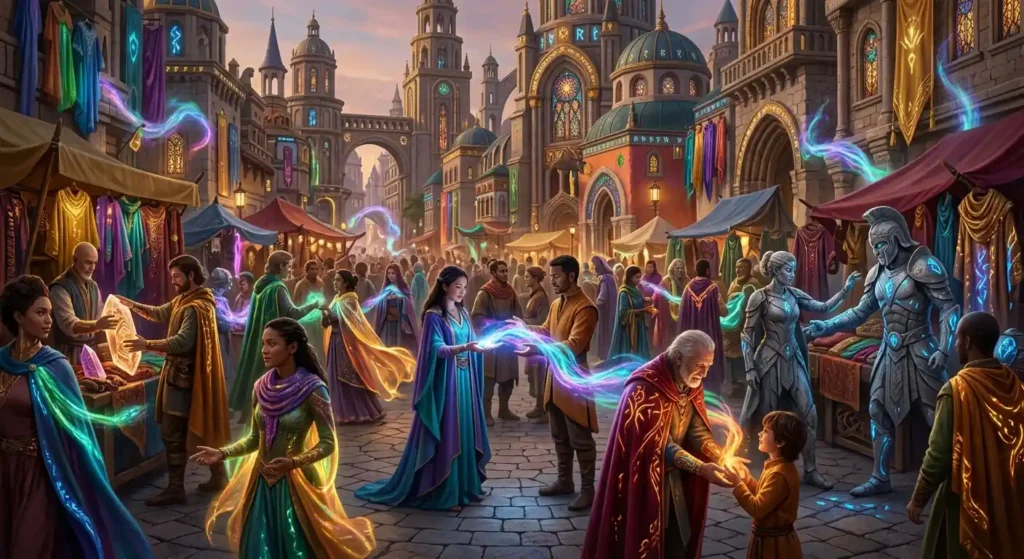
Brandon Sanderson’s Warbreaker runs on Breath, a literal, transferable quantity of life essence that can be given willingly or taken, and every person’s Breath visibly maintains the vividness of color in their perception of the world.
Losing Breath doesn’t just weaken you abstractly. It visibly desaturates your entire experience of color, an effect the text describes directly rather than implying.
Gaining enough Breath grants Awakening, the ability to bring objects briefly to animated life by commanding them with a Breath and a specific Command.
Why This is Not Usual
The cost isn’t hidden inside a character’s interior state. It’s externally visible to everyone around them, which makes Breath one of the few magic systems where you could, in principle, look at a crowd and immediately see who’s been paying the price.
Perdido Street Station: Magic Fused With Industry
The Convention Being Broken
Fantasy typically keeps magic and technology in separate, often opposed categories, one ancient and mystical, the other modern and mechanical.
What Miéville Really Built
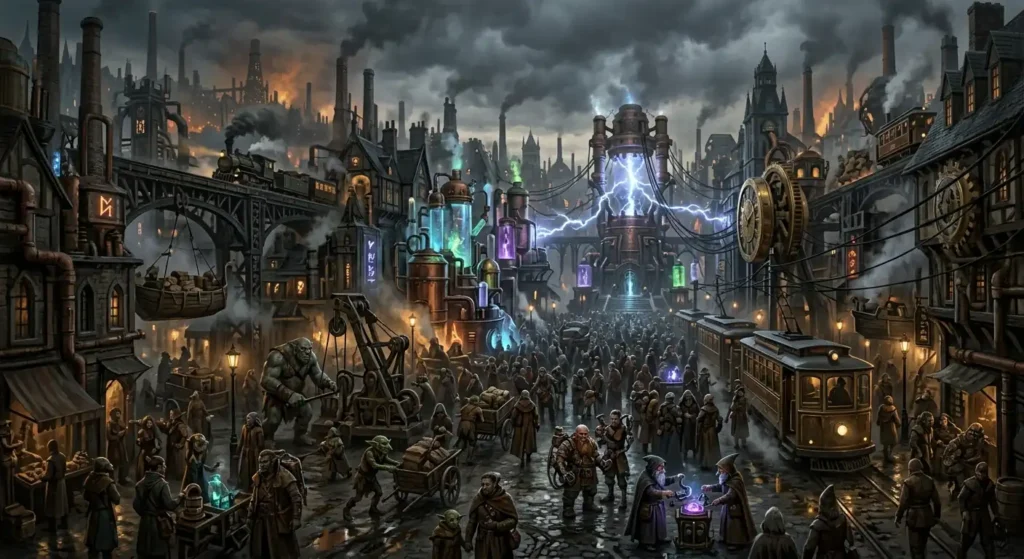
China Miéville’s Bas-Lag setting, most fully realized in Perdido Street Station, builds thaumaturgy directly into an industrial revolution era cityscape, biothaumaturgy, crisis energy, and magical engineering operating alongside factories, steam power, and grimy urban infrastructure as part of one unified applied science.
Why This Is the Opposite of The Norm
New Crobuzon’s magic isn’t a survival from an older, purer age standing against encroaching modernity. It’s fully integrated into the same industrial machine, which means the setting’s moral rot, exploitation, pollution, remade convict labor, applies to magic exactly as much as it applies to any factory.
The Broken Earth: Magic as Enslaved Underclass
The Convention Being Broken
Fantasy magic users are usually elevated, respected, or at minimum feared as a distinct upper tier of society.
What Jemisin Built
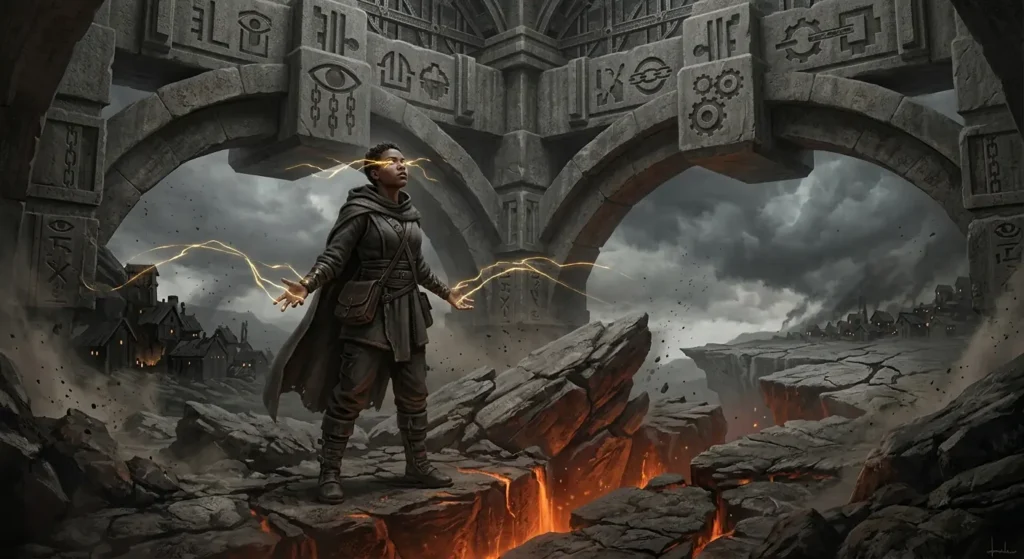
N.K. Jemisin’s orogenes can control seismic and thermal energy directly, a world altering capability. The society built around them, rather than elevating them, systematically enslaves and controls them through the Fulcrum, treating their power as a threat requiring constant institutional suppression.
Why Jemisin Is Different
The magic itself isn’t the source of the tragedy. The social response to it is, and Jemisin builds an entire trilogy around what it means to hold world altering power while occupying the bottom of your own society’s hierarchy rather than its top.
Jonathan Strange & Mr Norrell: Magic as Lost Scholarship

The Convention Being Broken
Magical ability is usually innate, a gift you’re born with or entirely without.
Clarke’s Idea
Susanna Clarke’s alternate England has magic that left the world, and the entire plot follows two men attempting to revive English magic through obsessive study of obscure, half forgotten texts rather than through any inherited talent.
Norrell’s magic comes from his library. Strange’s comes from reckless, self taught experimentation building on what Norrell guards jealously.
Why This Inverts the Usual Approach
The barrier to magic in this world isn’t a bloodline test. It’s archival access and scholarly patience, which makes the entire system function like a lost academic discipline rather than a superpower.
Dune’s Bene Gesserit: Power Bred, Not Granted
The Convention Being Broken
Chosen protagonists usually receive their extraordinary capability through prophecy or birthright treated as a settled, external fact.
What Herbert Built
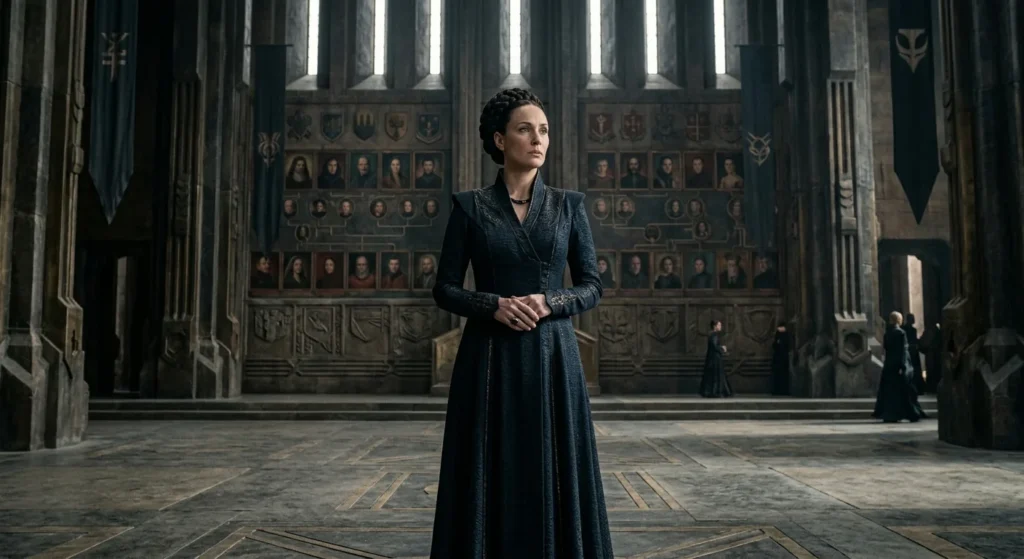
Frank Herbert’s Bene Gesserit sisterhood cultivates abilities resembling magic, the Voice’s compulsive command, precise bodily control, inherited memory access, through a deliberate, generations spanning breeding and training program aimed at eventually producing the Kwisatz Haderach.
Paul Atreides isn’t chosen by fate in the way that phrase usually implies. He’s the product of a specific, calculated genetic program that miscalculated its own timeline.
Why This Inverts the Usual
The prophecy in Dune isn’t a cosmic fact waiting to be fulfilled. It’s partly an engineering project, and partly a piece of protective folklore, the Missionaria Protectiva, seeded into local populations generations earlier specifically so a stranded Bene Gesserit could exploit it later.
The Kingkiller Chronicle: Magic Bound by Conservation
The Convention Being Broken
Magic frequently runs on willpower or emotional intensity, letting a sufficiently determined character simply push harder.
Rothfuss Approach
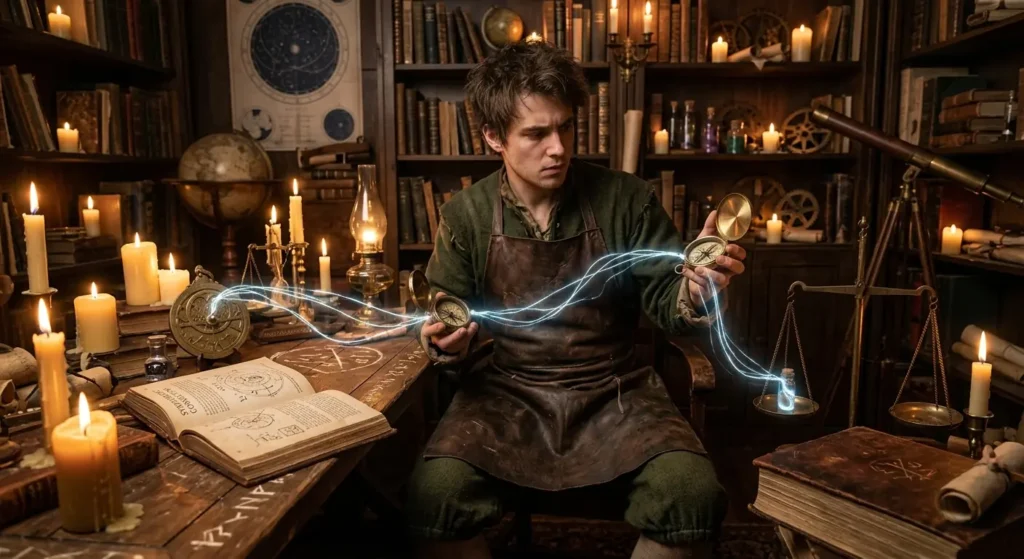
Patrick Rothfuss’s Sympathy operates on principles resembling real thermodynamics, energy can be linked and transferred between objects but never created from nothing, and using it carelessly can draw heat or force directly from the caster’s own body, sometimes lethally.
A sympathist burning through their own body heat to power a working isn’t a metaphor. It’s the system’s literal mechanism, and miscalculating it can kill you through hypothermia.
Why This Is Against The Conventions
Willpower barely factors in. What matters is correct calculation, closer to an engineering discipline than an act of self expression, and the system punishes emotional overreach with real physical injury rather than simple failure.
Robin Hobb’s Wit: Magic as Social Taboo
The Convention Being Broken
Magic is usually feared for its destructive potential or admired for its usefulness, rarely treated as morally disgusting on its own terms.
What Hobb Built
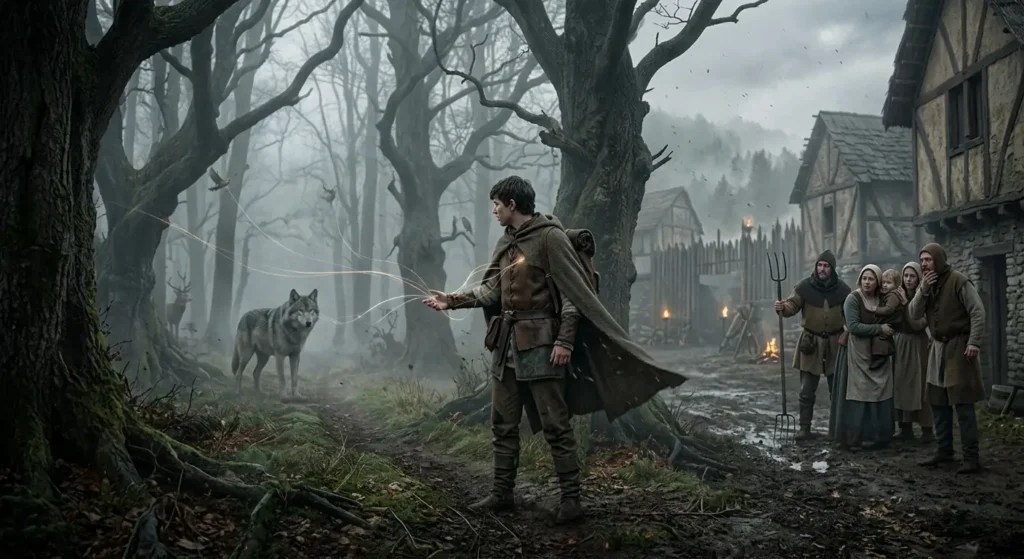
The Wit, in Robin Hobb’s Realm of the Elderlings, lets a practitioner bond with an animal, sharing senses and eventually a kind of joined consciousness. The Wit is treated by Hobb’s society as something close to bestial perversion, punishable by execution.
Fitz’s own Wit bond with the wolf Nighteyes is something he has to actively conceal, not because it’s dangerous to others in any direct sense, but because his own culture finds the intimacy involved obscene.
Why This Inverts the Usual Approach
The threat isn’t what the magic can do to the world. It’s what the magic supposedly says about the user’s character, which makes the Wit one of the few fantasy systems where the stigma is explicitly moral and sexual in register rather than practical.
Breaking Convention Doesn’t Automatically Makes a Magic System Great
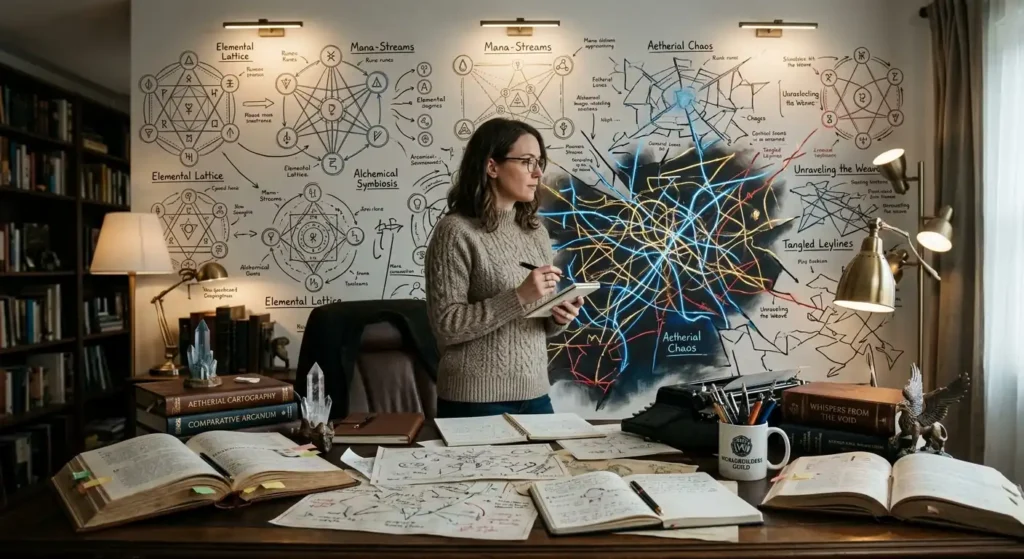
I want to push back on the framing of this whole list before closing it out, because breaking convention isn’t automatically a mark of quality.
A magic system that inverts every familiar rule can just as easily become unreadable as it can become brilliant, if the inversion isn’t married to genuine internal consistency.
Sanderson has argued for exactly this discipline in his own writing about magic systems, that a reader needs to understand a system’s rules well enough to predict how a character might solve a problem with it, regardless of how unconventional those rules actually are.
Several entries here work specifically because the author kept internal logic intact even while breaking external genre expectation.
Rothfuss’s Sympathy is strange relative to typical fantasy magic, but it’s rigorously consistent within its own book. A system that breaks convention purely for novelty, without that internal discipline, usually just confuses readers rather than subverting anything.
Frequently Asked Questions
Is narrativium considered an actual magic system, or purely a comedic device in Discworld?
Both, genuinely. Pratchett used it for comic effect constantly, but it also functions as a real, consistently applied cosmological principle throughout the series, affecting outcomes in ways characters within the world can observe and occasionally exploit deliberately.
Does the Wit ever gain wider social acceptance across Robin Hobb’s later books?
Attitudes shift gradually across her later series set in the same world, though deep seated prejudice against Wit users persists for a considerable span of the overall timeline, reflecting how slowly Hobb depicts entrenched social taboos changing.
Is the Bene Gesserit breeding program ever shown succeeding exactly as planned?
No. Paul Atreides arrives a generation earlier than the program intended, specifically because his mother Jessica defied her order’s instructions to bear a daughter instead, which is precisely the miscalculation that destabilizes the sisterhood’s careful timeline.
Why does Sympathy specifically require understanding real seeming physics rather than pure willpower?
Rothfuss has discussed wanting a magic system with genuine internal consistency that rewards careful study, and grounding it in conservation of energy gives Sympathy testable, learnable rules rather than a system where sufficient desire alone could accomplish anything.
Do any of these nine systems combine more than one convention break at once?
The Broken Earth arguably does, since orogeny is both an unusually destructive elemental power and a socially enslaved status simultaneously, meaning Jemisin breaks the typical elevated magic user trope and typical magic scale assumptions within the same system.
Final Thoughts
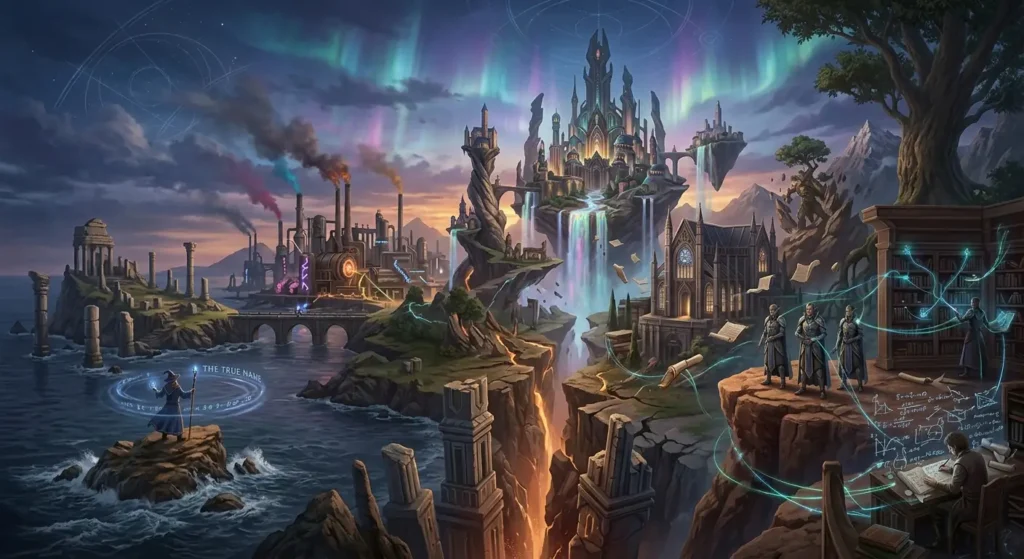
Nine systems, and nine different assumptions about what magic is supposed to reward, protect, or punish.
Run any fantasy magic system you’re currently reading against this list and ask which convention it’s following without question. Most will follow several.
The interesting ones, like these nine, usually pick exactly one assumption to break completely and then follow that single decision all the way through.
Related Articles
- How Fantasy World-Building Actually Works [Full Breakdown]
- High vs Low Fantasy: Why the Distinction Actually Matters
- Hard Magic vs Soft Magic: What Every Reader Should Know
- How to Build a Fantasy World Readers Will Believe
- How to Build a Dark Fantasy World That Actually Disturbs
- How Tolkien & Martin Built Two Very Different Fantasies
- How Great Fantasy Writers Adapt Mythology Without Stealing
- 7 Things Modern Fantasy Writers Can Learn From Tolkien
Written by Batin Khan, a curious free spirit who loves reading and exploring the worlds of fantasy, mythology, and ancient stories. Through this blog, Batin hopes to share that sense of wonder with readers while building an exciting future along the way.