
 By
By Quick Takeaways:
- High fantasy vs low fantasy has nothing to do with quality, prestige, or how seriously the genre takes itself
- The distinction is specifically about how much magic is present and how central it is to the world, not about tone, scale, or whether the story is dark or light
- High fantasy has a world permeated by magic as a genuine feature of reality. Low fantasy has a world where magic is rare, peripheral, or operates at the absolute margins of experience.
- A second competing definition uses the secondary world versus primary world distinction, and this article addresses both
- Many fantasy readers have spent years using these terms without knowing what they mean, which produces exactly the kind of genre confusion this article exists to fix
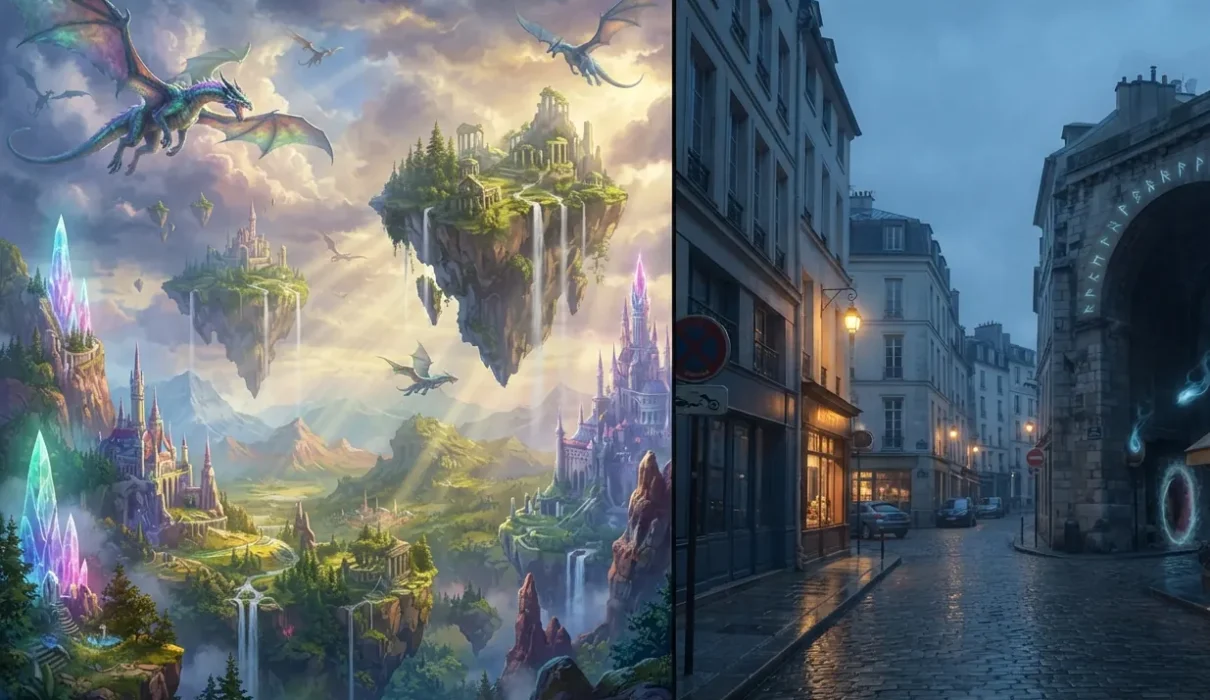
Here’s a quick test. Ask someone who reads fantasy regularly what the difference between high fantasy and low fantasy is. Most answers will be some version of “high fantasy is like Lord of the Rings, epic and serious, and low fantasy is more grounded.” Some people will say high fantasy is better. Some will say low fantasy is darker.
Almost nobody will give you the actual answer.
My years of reading across the range of fantasy fiction has taught me that these two terms are among the genre’s most consistently misused, and that the misuse causes genuine confusion when readers try to find books that match what they want. Getting this right is worth the effort.
High Fantasy vs Low Fantasy: The Misconceptions First
What High and Low Do Not Mean
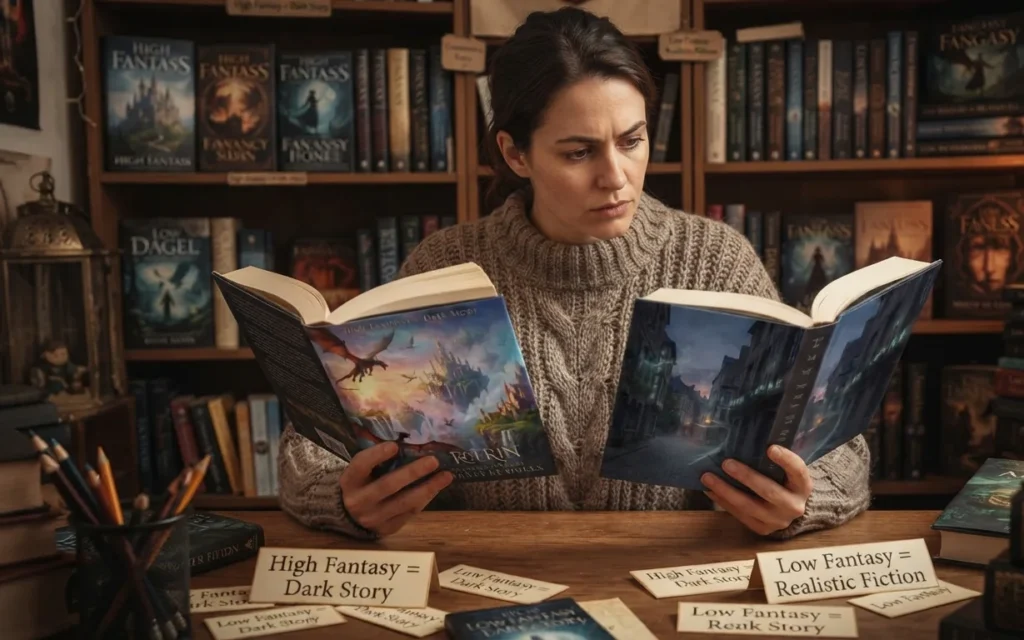
Before explaining what the distinction actually is, clearing out the wrong answers helps.
High and low do not indicate quality. This is the most damaging misconception, particularly for low fantasy, because readers who encounter the term often assume it means lesser, cheaper, or less ambitious fiction. It doesn’t. Conan the Barbarian, one of the clearest examples of low fantasy, is a landmark of the genre. Piranesi, a recent low fantasy novel, won the Women’s Prize for Fiction. Low fantasy is not bad fantasy.
High and low do not indicate tone. High fantasy can be dark, comedic, tragic, or satirical. Low fantasy can be whimsical, epic in scope, or deeply moving. The tone is a completely separate axis from the high/low distinction.
High and low do not indicate scale. Epic scope, world-threatening stakes, and large casts of characters are associated with high fantasy but aren’t definitional. You can have a small-scale high fantasy story about a single character in a magic-permeated world, and you can have an enormous, sprawling low fantasy epic.
The Actual Distinction: Magic Presence and Centrality
The Definition That Works
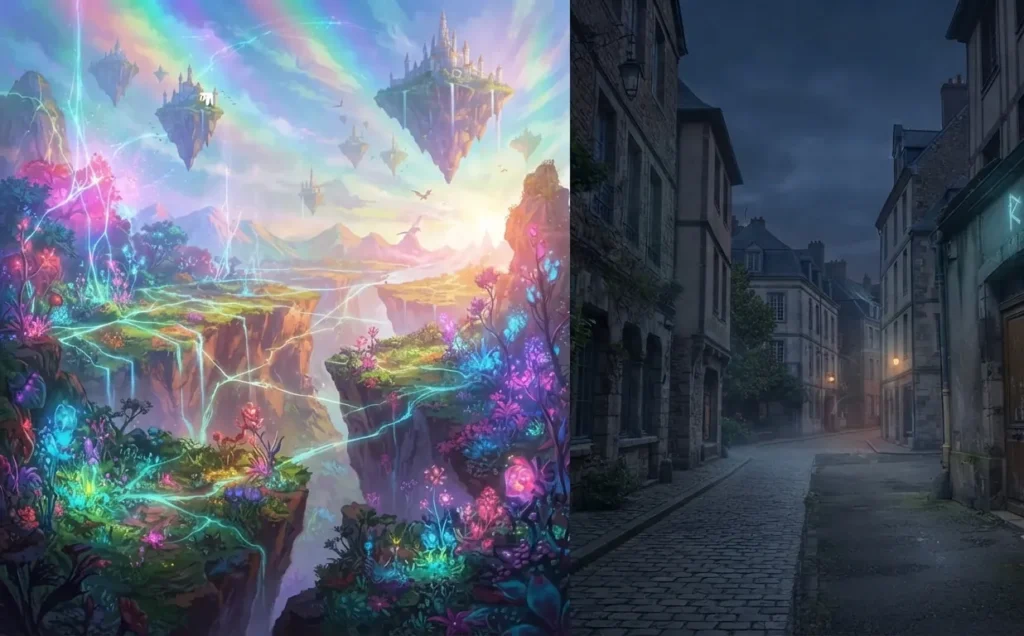
The distinction between high and low fantasy is specifically about how much magic is present in the world and how central that magic is to the world’s reality.
High fantasy: Magic is a pervasive feature of the world. It’s woven into the ecology, the politics, the culture, the history, and the everyday experience of the world’s inhabitants. The world couldn’t be what it is without the magic. Remove the magic from Middle-earth and you don’t have a slightly different version of the same world. You have a completely different world, because the magic is structurally integral to everything about it.
Low fantasy: Magic is rare, peripheral, or operates at the absolute edges of ordinary experience. The world otherwise functions according to recognizable physical and social laws, and the intrusion of magic is an exception rather than the background state. Conan’s world has magic in it, but magic is rare, mostly dangerous, and generally avoided by sensible people. The world functions on ordinary medieval principles punctuated by occasional supernatural events.
Why This Definition Holds
This definition works because it’s specific enough to be useful. When you ask “how much magic is in this world and how central is it to how the world operates,” you can give an answer that meaningfully distinguishes between fantasy works.
The Stormlight Archive is high fantasy: the storms are magical, the Shards are magical, the Spren are magical, the ecological system is shaped by magic, the political history is driven by magical events. The world permeated by magic in every dimension is the defining feature.
Susanna Clarke’s Jonathan Strange and Mr Norrell is low fantasy: magic has returned to England after a long absence, it’s rare, only a handful of people can use it, and the world is otherwise Regency England operating on Regency England’s entirely mundane principles. The contrast between the mundane world and the magical exception is the novel’s entire premise.
Read: 13 Fantasy Genres Ranked: Which One Actually Suits You?
The Secondary World Definition
A Competing Framework
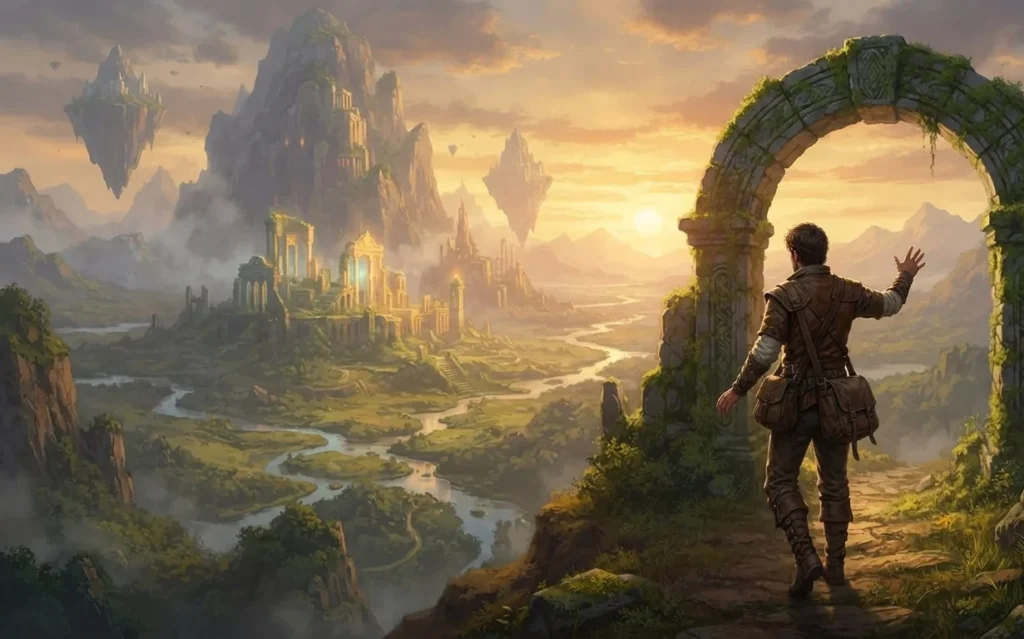
Some critics and reference sources use a different definition for the high/low distinction: high fantasy is set in a secondary world (a fully invented world separate from our own), while low fantasy is set in the primary world (our actual world with fantasy elements added).
By this definition, Lord of the Rings is high fantasy because Middle-earth is an entirely invented secondary world. Urban fantasy, which adds supernatural elements to contemporary cities in our world, would be low fantasy by this definition regardless of how much magic is present.
This definition has genuine usage behind it and is worth knowing, particularly for conversations where someone might be using it.
Why the Magic-Presence Definition Is More Useful
The secondary world versus primary world distinction produces confusions that the magic-presence definition avoids.
By the secondary world definition, Tolkien’s high fantasy and Sanderson’s Stormlight Archive are the same category as a very small-scale, intimate story about a single character in a minor secondary world with almost no magic. They’re all “high” because they’re all secondary worlds. The definition doesn’t discriminate between works that feel utterly different to read.
Conversely, urban fantasy (our world plus magic) and low fantasy (any world with minimal magic) get lumped together despite often feeling very different. A novel set in contemporary New York where magic is pervasive and central feels very different from a novel set in our world where a single magical event occurs once and changes everything. The secondary world definition calls both “low fantasy.”
The magic-presence definition separates these more usefully because it’s pointing at something readers actually experience differently: the density and centrality of the impossible in the world they’re reading.
Read: Why Dragons Dominate Every Fantasy Tradition on Earth
High Fantasy in Practice
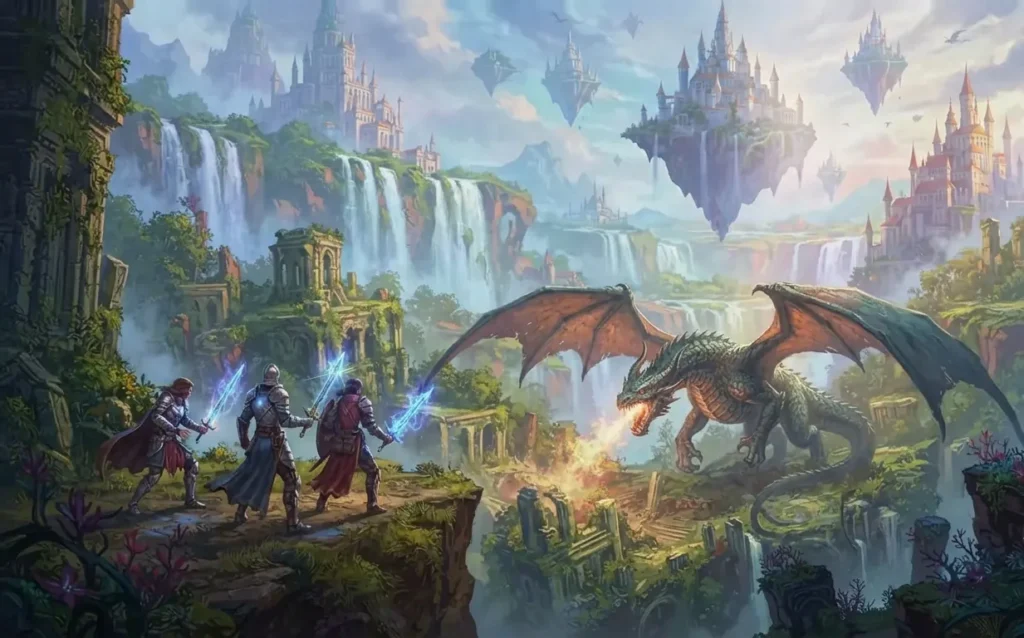
What High Fantasy Feels Like to Read
High fantasy readers are immersed in worlds where the magical is not exceptional but normal. The question isn’t whether magic will appear but how it will appear, what form it will take, and how it will interact with the other magical systems and magical beings already present.
This immersion creates specific reading pleasures:
- The sense of a fully realized world with its own internal logic operating at every level
- The ability to learn the world’s magical rules and apply that understanding to anticipate events
- The specific satisfaction of seeing how a magic-permeated world differs from our own at every level, from ecology to politics to everyday life
- The scale that a world where magic is universal can achieve: magical threats, magical solutions, magical histories
Classic high fantasy examples:
- The Lord of the Rings (Tolkien) – the world is saturated with magic at every level
- The Stormlight Archive (Sanderson) – magic shapes ecology, warfare, and society simultaneously
- The Wheel of Time (Jordan) – a magic-permeated world with its own complete cosmological framework
- The Name of the Wind (Rothfuss) – a secondary world where magic (sympathy) is learnable and central
What Makes High Fantasy Work
The thing that distinguishes excellent high fantasy from merely elaborate high fantasy is whether the magic is genuinely integrated into the world’s logic or whether it’s simply the aesthetic surface.
A world where magic exists but doesn’t change the economics, the warfare, the political structures, or the ecological systems it should change is a world where the magic is decorative rather than structural. The best high fantasy has thought through the implications: if certain magic is possible in this world, what has that done to the world over the centuries it’s been possible?
Tolkien’s thought through this across the entire mythology of Middle-earth. Sanderson thinks through it systematically for every system. The depth of implication is what separates high fantasy that feels like a genuinely different world from high fantasy that feels like an ordinary medieval setting with some spectacular events occurring.
Low Fantasy in Practice
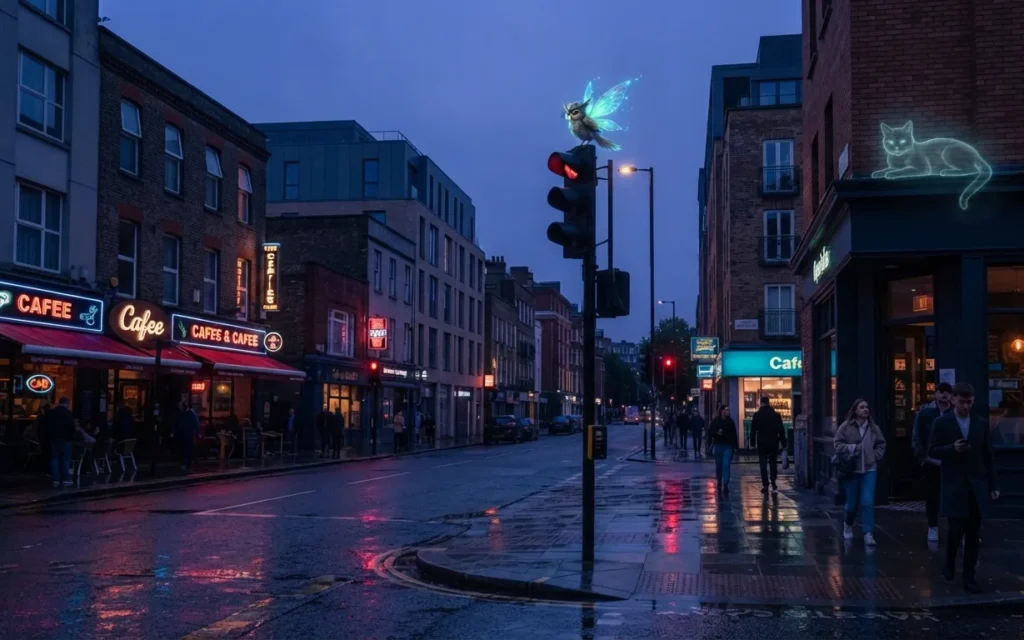
What Low Fantasy Feels Like to Read
Low fantasy readers are in worlds where the magical is exceptional, rare, or mysterious. When magic appears, it registers as a disruption of the normal rather than an expression of it. The stakes of magical events are often higher precisely because magic is not the background state.
This produces different reading pleasures:
- The sense that the real world and the magical world are genuinely different things, with the contrast between them doing meaningful work
- The specific impact of rare magical events, which feel significant precisely because they’re exceptions
- Characters navigating primarily through ordinary human means, which grounds the story in familiar psychology and social dynamics even when impossible things occur
- The mystery of magic that isn’t fully systematized, which can produce genuine wonder in ways that fully explained hard magic systems don’t
Classic low fantasy examples:
- Conan the Barbarian (Howard) – magic exists and is genuinely dangerous, but the world runs on ordinary sword-and-muscle principles
- Jonathan Strange and Mr Norrell (Clarke) – Regency England where magic has returned after an absence, and its rarity is the entire premise
- Piranesi (Clarke) – a world where strange things happen but the strangeness is specific and minimal rather than pervasive
- The Chronicles of the Black Company (Cook) – magic exists but is rare, mostly held by specific powerful individuals, and not part of ordinary experience
What Makes Low Fantasy Work
Low fantasy works when the restraint is purposeful. The choice to keep magic rare or peripheral should be doing something for the story: creating contrast, making magical events feel genuinely significant, keeping the focus on human psychology and social dynamics, or producing the specific sense of a world where the extraordinary is genuinely extraordinary.
The failure mode of low fantasy is accidentally limiting itself: keeping magic rare not because the rarity is serving the story but because the author isn’t sure what to do with it. Purposeful restraint reads differently from uncertain restraint, and readers can usually feel the difference.
The Interesting Middle Cases
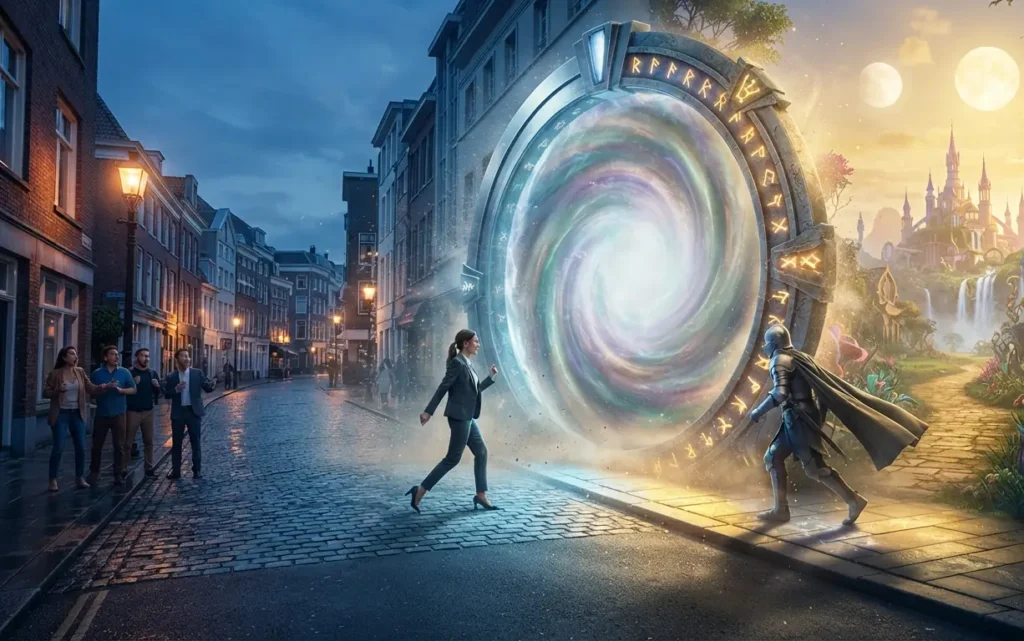
Works That Complicate the Distinction
Some of the most interesting fantasy works sit at the boundary in ways worth noting.
A Song of Ice and Fire (Martin): Begins as what feels like low fantasy: a politically realistic world where magic has faded from relevance and the supernatural is at the margins. Then it isn’t. The series is doing something specific with this: starting in an apparent low fantasy and deliberately introducing more and more high fantasy elements as the series progresses. The reader’s relationship with the magical is designed to change.
The Hobbit (Tolkien): Technically high fantasy in the same world as Lord of the Rings, but the magic in The Hobbit has a lighter, almost fairy-tale quality compared to the pervasive deep magic of the Lord of the Rings trilogy. The world is the same. The register is different. This is a reminder that the high/low distinction is a spectrum rather than a binary.
Tigana (Kay): A secondary world with genuine magic that is being systematically erased by a political act. The magic presence in the world is specifically being reduced as the plot progresses. The status of magic in the world is the story’s subject.
These middle cases are worth knowing because they demonstrate that high and low aren’t rigid categories you’re placed into. They’re descriptions of a world’s relationship with its impossible content.
Why the Distinction Matters for Readers
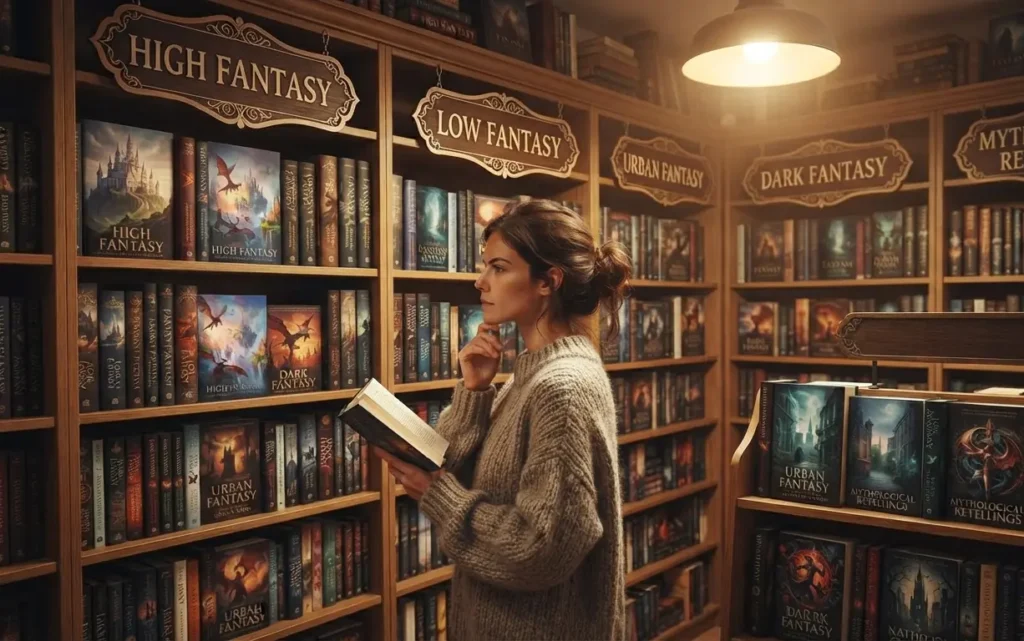
Finding What You Actually Want
The reason to understand this distinction clearly is practical: it helps you find books that match what you’re looking for.
If what you want is complete immersion in a world where the magical is normal, where you can learn the rules and apply them, and where the world’s ecology and politics and history are all shaped by magic: that’s the high fantasy experience. Look for Tolkien, Sanderson, Jordan, Rothfuss.
If what you want is a world that feels grounded in recognizable human dynamics, where magic is rare enough to matter when it appears, where the focus is more on character and social reality than on magical systems: that’s the low fantasy experience. Look for Howard, early Martin, Clarke.
Knowing which you prefer isn’t a statement about taste or sophistication. It’s a practical tool for matching your reading to your actual preferences rather than to what you think you should like.
Understanding Authors’ Choices
The distinction also helps you understand what authors are choosing when they place their magic at a specific density.
When Clarke keeps magic rare in Jonathan Strange and Mr Norrell, she’s making a deliberate choice to keep England recognizable enough that the contrast between its mundane reality and the magical exception produces specific effects. If magic were pervasive, the novel would be about something different. The restraint is purposeful.
When Sanderson makes magic pervasive and systematic in the Stormlight Archive, he’s choosing to build a world where the magical implications can be followed through to their logical conclusions at every level. The density is purposeful.
Understanding this makes you a better reader of both.
Read: Fantasy vs Sci-Fi vs Horror: What Actually Separates Them?
Frequently Asked Questions
Is dark fantasy the same as low fantasy?
No. These are completely different axes. Dark fantasy refers to tone and moral content: morally complex characters, unflinching violence, bleak themes. Low fantasy refers to magic presence: how rare or peripheral magic is in the world. You can have dark high fantasy (Malazan Book of the Fallen) or light low fantasy (early Conan stories that are more adventure than horror).
Is epic fantasy the same as high fantasy?
Almost always overlapping but not identical. Epic fantasy typically involves large scale, world-threatening stakes, and multiple viewpoint characters. High fantasy is specifically about magic density. Most epic fantasy is high fantasy, but you can have high fantasy at small scale (intimate stories in a magic-permeated world) and epic fantasy with relatively little magic.
Which is more popular, high or low fantasy?
High fantasy is commercially dominant in terms of bestseller lists and series sales. The Tolkien tradition established high fantasy as the genre’s commercial default, and most major fantasy bestsellers are high fantasy. Low fantasy has produced acclaimed literary works but doesn’t dominate commercial fantasy the way high fantasy does.
Is urban fantasy high or low?
Urban fantasy sits interestingly relative to both definitions. By the secondary world definition, it’s low fantasy (set in our world). By the magic-presence definition, it varies: some urban fantasy has very dense magical content (The Dresden Files, where magic is pervasive in Chicago’s supernatural underworld), while others have minimal magical presence. Urban fantasy is best understood as its own category rather than forced into the high/low distinction.
Can a series start as low fantasy and become high fantasy?
Yes, and some of the most interesting fantasy works do exactly this deliberately. A Song of Ice and Fire begins with magic at the margins and introduces more magical content as the series progresses. The reader’s relationship with the impossible is designed to change, which is a specific narrative choice rather than an accident. The transition from apparent low fantasy to something approaching high fantasy is itself the story.
Final Thoughts
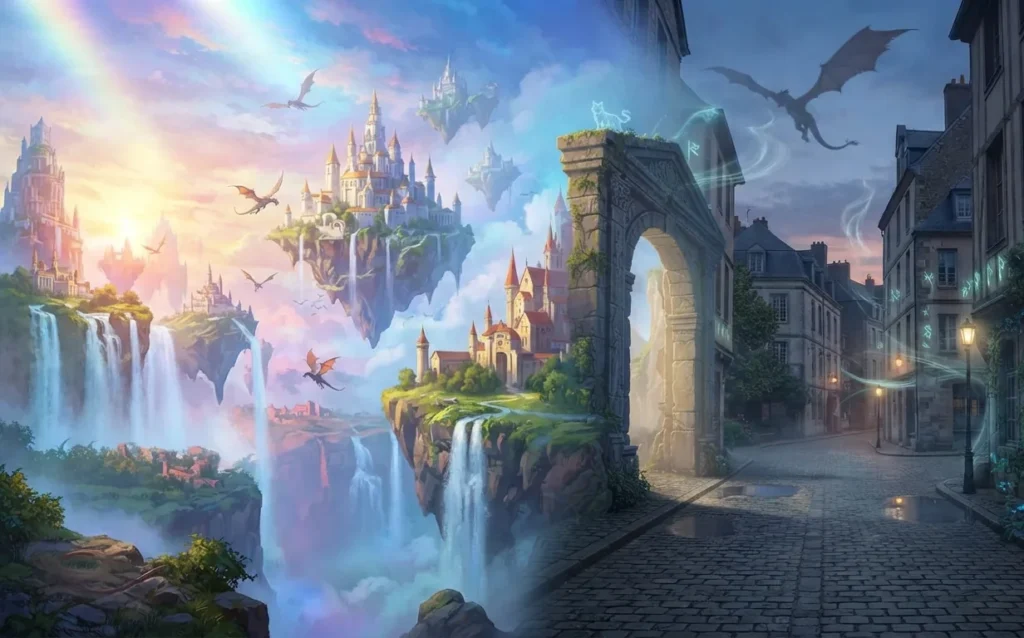
High and low. Two terms, one axis, and a genre conversation that has been misusing both for decades.
The actual distinction is simple once you’ve got it: how much magic is in the world, and how central is it to how the world operates? High density, central to everything: high fantasy. Low density, peripheral or rare: low fantasy.
Neither is better. Neither is darker or lighter or more serious or more accessible. They’re different relationships between a world and its impossible content, and understanding the difference helps you find what you’re actually looking for with considerably more precision than “I like fantasy” provides.
The readers who understand their genre’s vocabulary find better books faster than the readers who don’t. This is a small piece of that vocabulary. Use it well.
Related Articles
- 13 Fantasy Genres Ranked: Which One Actually Suits You?
- How Fantasy World-Building Actually Works [Full Breakdown]
- 12 Best Dragon Books Ever Written [Updated 2026]
- 15 Best Dragon Books for Adults [Dark & Epic Picks of 2026]
- Why Millennials and Gen Z Love Dark Fantasy
- How to Build a Fantasy World Readers Will Believe
- Mana, Chi & Aether: Three Traditions, One Idea?
- 9 Fantasy Magic Systems Unlike Anything Else
Further Reading & References
- Rhetorics of Fantasy – Wesleyan University Press
- The Encyclopedia of Fantasy – John Grant, John Clute
- Strategies of Fantasy – Attebery, Brian
- Tolkien – On Fairy-Stories
- The Cambridge Companion to Fantasy Literature
- Evaporating Genres: Essays on Fantastic Literature – Gary K. Wolfe
- On Fantasy: The J.R.R. Tolkien Lecture on Fantasy Literature – Brandon Sanderson
- The Heart of Fantasy According to Tolkien
- Ursula K. Le Guin – Some Assumptions About Fantasy
- Tzvetan Todorov – The Fantastic: A Structural Approach to a Literary Genre
Written by Batin Khan, a curious free spirit who loves reading and exploring the worlds of fantasy, mythology, and ancient stories. Through this blog, Batin hopes to share that sense of wonder with readers while building an exciting future along the way.