
 By
By Quick Takeaways:
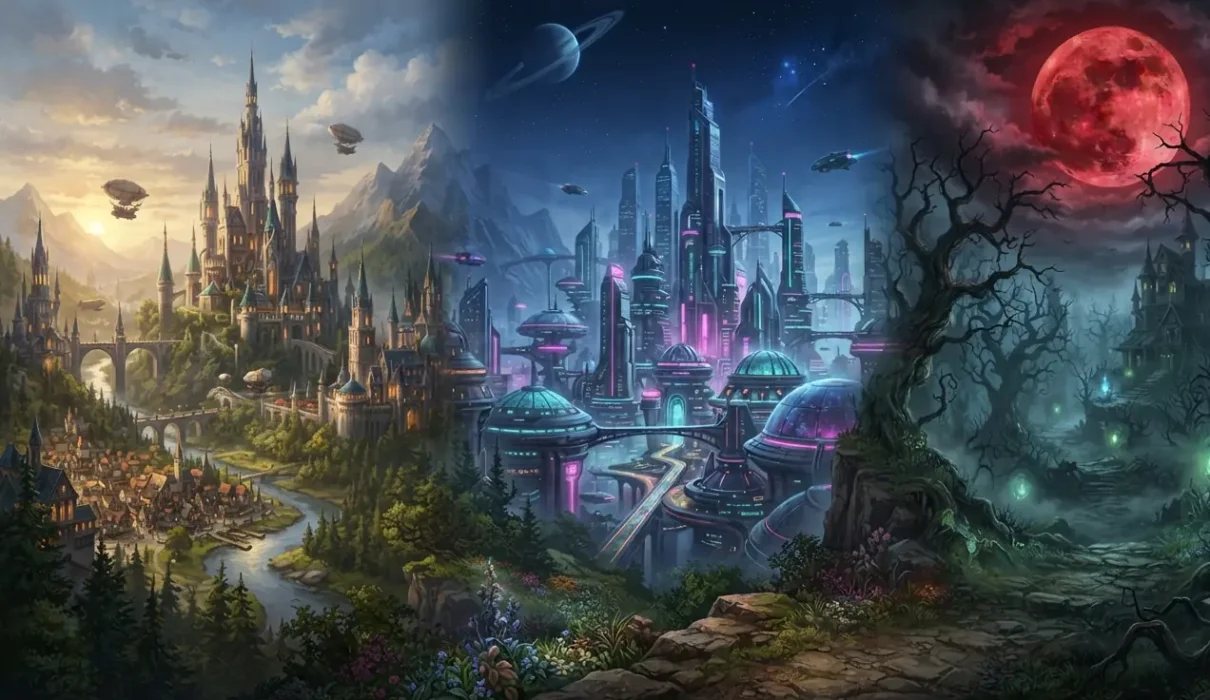
- Fantasy vs Sci-fi vs Horror – The real difference between these three genres isn’t dragons versus spaceships versus monsters. It’s what each one is actually asking you to believe for the length of the book.
- Fantasy asks what if this were true. Science fiction asks what if this became true. Horror asks what if this is already true and there’s nothing you can do about it.
- Your genre match usually comes down to how you feel about control, uncertainty, and where you want the story’s impossible element to sit in time
- The cleanest boundaries blur constantly, and the genuinely great books usually live right on top of two of these categories at once
- By the end of this, you should have a real answer, not just a vibe, for which shelf you actually belong in
I’ve spent countless hours reading fantasy, science fiction, and horror, and even more time watching the movies and shows that bring those stories to life. Films like The Lord of the Rings, Interstellar, and Scream remind you just how incredible these genres can be when they’re at their absolute best. After years of bouncing between all three, the question I get asked more than almost any other is some version of, which one should I start with?
People treat it like a personality quiz, as if you’re permanently a fantasy person or a horror person in the same way you’re a cat person or a dog person.
That framing misses what’s actually happening. These three genres are not different flavors of the same impossible thing. They’re built to do genuinely different psychological work, and figuring out what you’re actually reaching for changes how you choose your next book far more than any list of favorite authors ever could.
The Question Each Genre Is Actually Asking
It’s Not About What’s in the Story
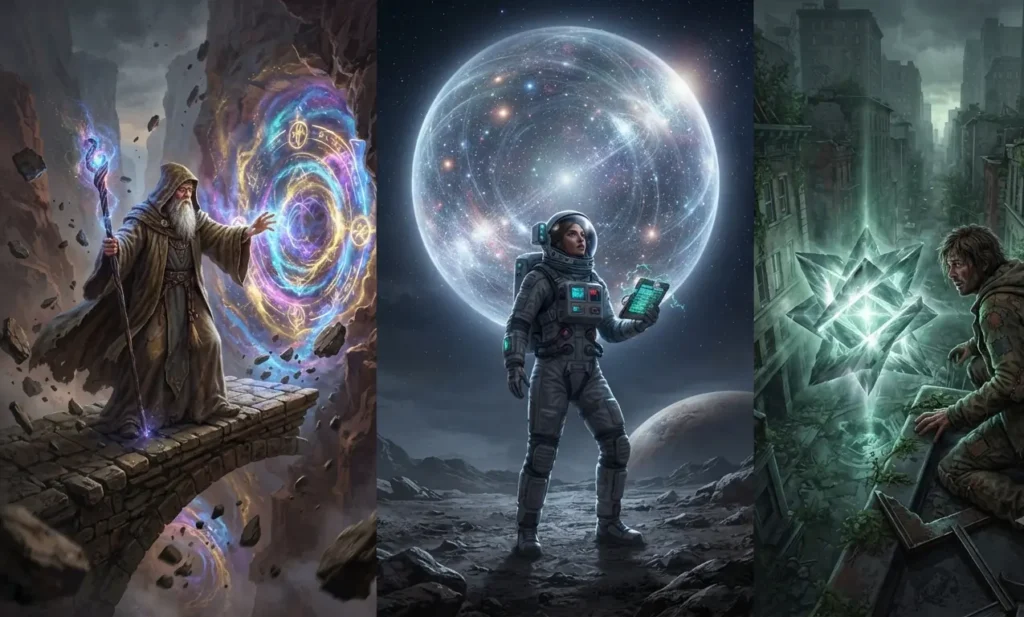
Forget wizards, warp drives, and werewolves for a second. Every one of these genres is fundamentally organized around a different relationship to the impossible thing it contains, and that relationship is the real dividing line.
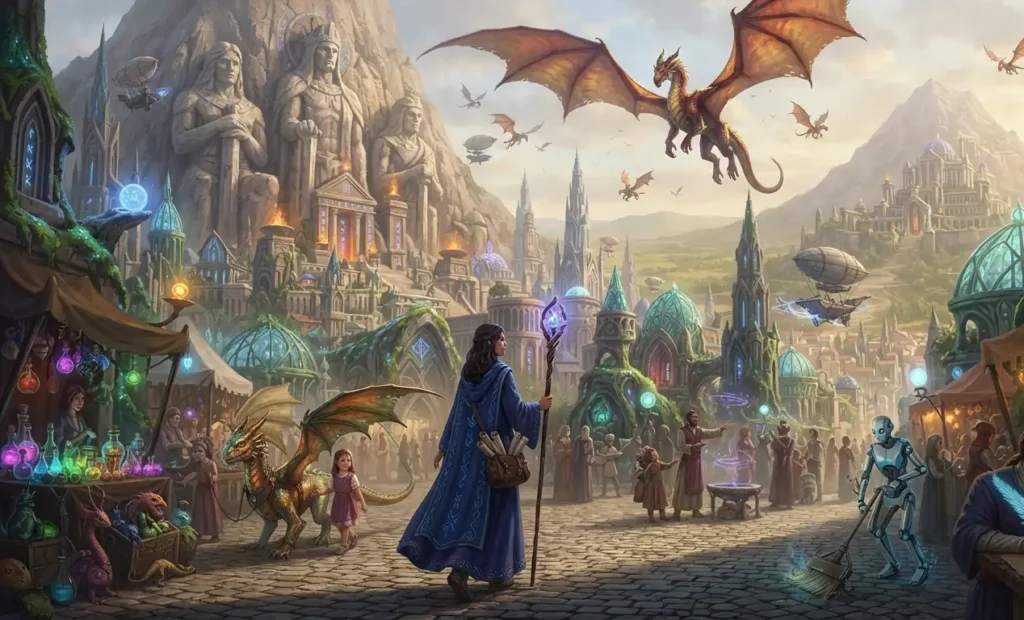
Fantasy asks: what if this were true. It treats its impossible element, magic, gods, dragons, as a settled fact of its world, then explores what a life shaped by that fact would actually feel like.
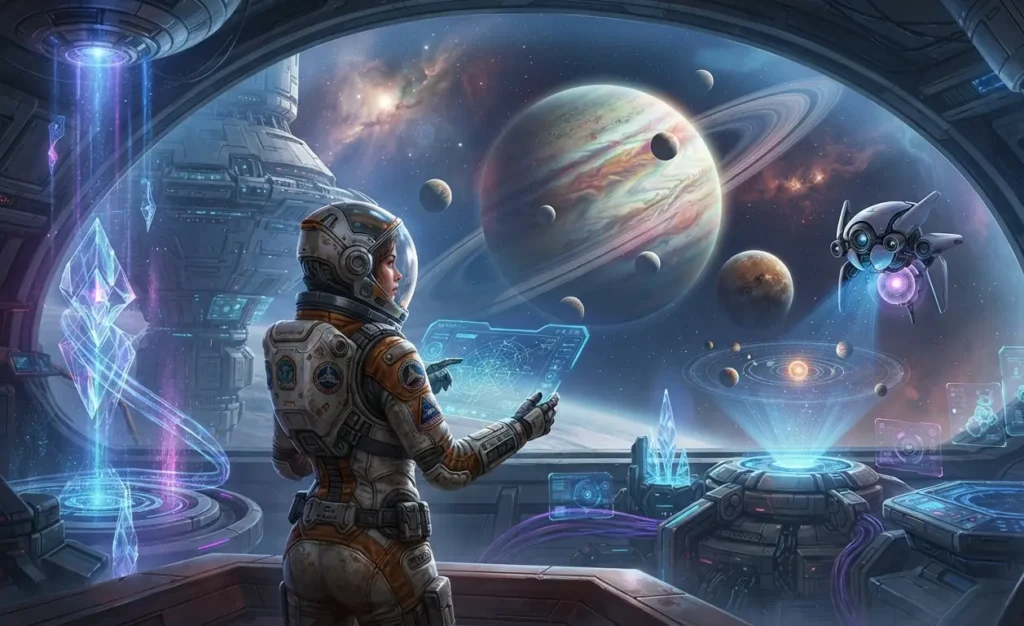
Science fiction asks: what if this became true. It treats its impossible element as something extrapolated forward from what we already know, a plausible or at least arguable consequence of a real trend taken further than we’ve currently taken it.
Horror asks: what if this is already true, and you just haven’t noticed yet, and there’s genuinely nothing you can do to stop it. That last clause, the loss of control, is doing almost all the work in that sentence.
Fantasy: The Impossible as Settled Fact
What Actually Makes Something Fantasy
Fantasy’s impossible element doesn’t need to be explained or justified within the story’s own logic. Magic works because the fantasy world’s rules say it works. The dragon exists because the world has dragons in it. This isn’t a flaw in the genre’s rigor. It’s the entire point.
Ursula K. Le Guin wrote extensively about fantasy’s specific relationship to truth, arguing across her essays that fantasy tells the truth about human experience precisely by refusing to be constrained by literal fact. A story about grief doesn’t need a literally accurate grief support group when it can put that grief inside a character who has to cross an actual underworld to retrieve someone they love.
The Emotional Register
Fantasy is generally the genre most comfortable restoring order by the end. Even the darkest grimdark fantasy tends to resolve its central conflict, for better or worse, into a settled outcome. The impossible element gets integrated into how the world works going forward, rather than remaining an open, unresolved threat.
This is why fantasy is so often the genre people return to during genuinely difficult periods of their own lives. It’s not because fantasy is simple or escapist in a dismissive sense. It’s because fantasy’s fundamental promise is that the impossible thing, once understood, becomes part of a coherent world you can actually live inside.
Science Fiction: The Impossible as Extrapolation
Cognitive Estrangement
Literary scholar Darko Suvin’s influential definition of science fiction centers on what he called cognitive estrangement, the genre’s specific method of taking something recognizable from our actual world and pushing it just far enough that it becomes strange, while remaining logically connected to the reality you started from.
Suvin used the term novum for this single point of plausible, reasoned departure that the whole story then extrapolates outward from.
This is the real distinguishing feature separating science fiction from fantasy, and it has nothing to do with spaceships specifically. A story about a genetic modification that becomes widespread within one generation is doing exactly this same cognitive estrangement work, tracing a plausible chain of cause and effect from where we currently stand.
Consequences Are the Actual Subject
Science fiction’s real interest usually isn’t the invention itself. It’s what the invention costs, who benefits from it, who gets left behind by it, and what it does to the people living through the change. This is why the best science fiction ages so differently from the best fantasy. Fantasy’s impossible element doesn’t need updating because it was never claiming to be plausible in the first place.
Science fiction’s extrapolations can look prescient or badly dated depending entirely on which direction the actual world eventually took.
The Emotional Register
Where fantasy tends toward restored order, science fiction tends toward genuine, often unresolved consequence. The invention doesn’t get neatly integrated into a settled world by the final page nearly as often. It keeps generating new problems, because that’s what real technological and social change actually does.
Horror: The Impossible as Present Threat
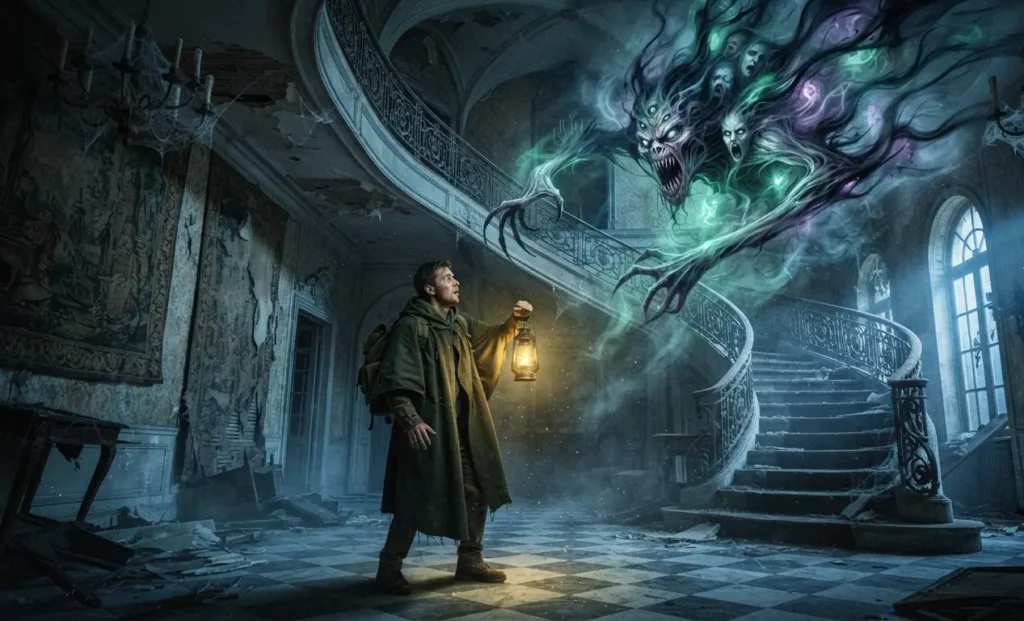
Fear Is the Actual Structure
Horror is the genre most people misdefine by content rather than function. A story with a vampire in it isn’t automatically horror. A story with zero supernatural elements at all can be horror if it’s built around the same underlying mechanism: a genuine, sustained threat to the self, delivered in a way designed to produce dread rather than wonder or extrapolated consequence.
H.P. Lovecraft, opening his own critical essay on the genre, argued that fear of the unknown is among humanity’s oldest and most powerful emotional responses, and that this fear is the actual raw material every effective horror story is working with, regardless of whether the specific threat is a ghost, a disease, or another person entirely.
Todorov’s Hesitation
Literary theorist Tzvetan Todorov proposed a specific and genuinely useful boundary marker between horror and fantasy: the fantastic, in his framework, exists in the moment of genuine hesitation a reader experiences trying to decide whether an event has a natural or a supernatural explanation.
Once the story commits firmly to one answer, it settles into either the uncanny, natural explanation, or the marvelous, supernatural explanation.
Horror lives most comfortably in that unresolved hesitation for as long as it possibly can, because the uncertainty itself is doing the frightening work. Committing too early to a clean explanation is exactly how horror stories lose their tension.
The Emotional Register
Horror rarely offers fantasy’s restored order or science fiction’s traceable consequence chain. What it offers instead is catharsis through survival, or sometimes deliberately withholds even that.
The impossible threat in horror usually remains fundamentally impossible to fully control or explain, because control and explanation are exactly what horror is designed to deny you.
The Actual Diagnostic
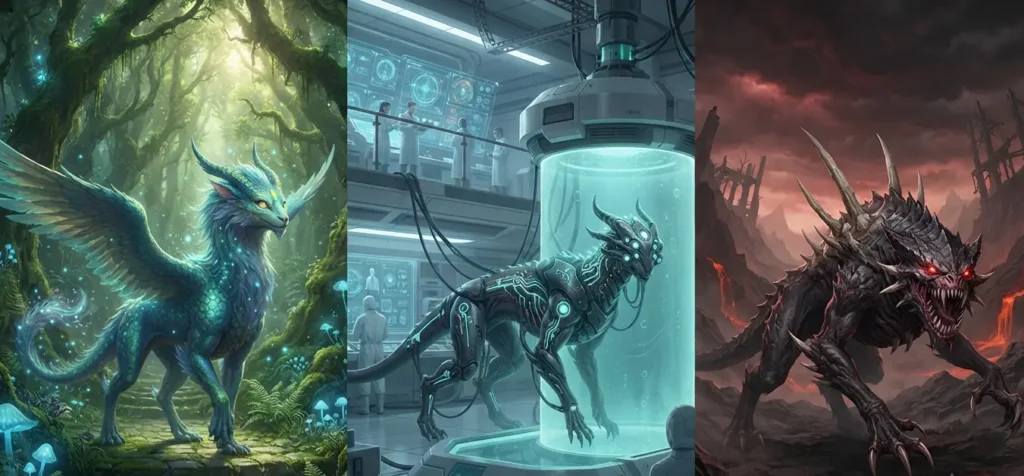
Where You Sit on These Five Questions
Here’s the part that actually functions like the genre match this article promised. Answer these honestly, based on your gut reaction rather than what you think sounds sophisticated.
Do you want the impossible thing explained, or do you want it to stay genuinely unknowable? Wanting explanation and internal rules leans you toward fantasy’s settled magic systems or science fiction’s extrapolated technology. Wanting the impossible thing to resist explanation entirely leans you toward horror.
Do you want the story to end with order restored? Yes leans fantasy. A more open, unresolved, consequence driven ending leans science fiction. An ending that denies you closure on purpose leans horror.
Are you more interested in the past or the future? Fantasy generally draws on mythic, ancient, or medieval feeling material. Science fiction generally projects forward from the present. Horror is usually intensely present tense, an intrusion into ordinary current life rather than either direction in time.
Do you want wonder, intellectual engagement, or dread? These are three genuinely different pleasures, and most readers have a clear favorite even if they enjoy all three occasionally.
How do you feel about losing control as a reader? If losing control of the narrative’s logic bothers you, you’ll likely prefer fantasy or science fiction’s more legible systems. If losing control is exactly what you’re there for, horror is your genre.
Reading Your Results
If you answered mostly toward explanation, restored order, the past, wonder, and control, you’re a fantasy reader at your core. If you answered mostly toward explanation, open consequence, the future, intellectual engagement, and a moderate comfort with uncertainty, you’re a science fiction reader.
If you answered mostly toward unknowability, denied closure, the intrusive present, dread, and genuine comfort losing control, horror is your actual home.
Most people land with a clear primary lean and a secondary genre they enjoy under specific conditions. That’s normal, and it’s exactly why the blended genres below exist in the first place.
Where the Lines Genuinely Blur
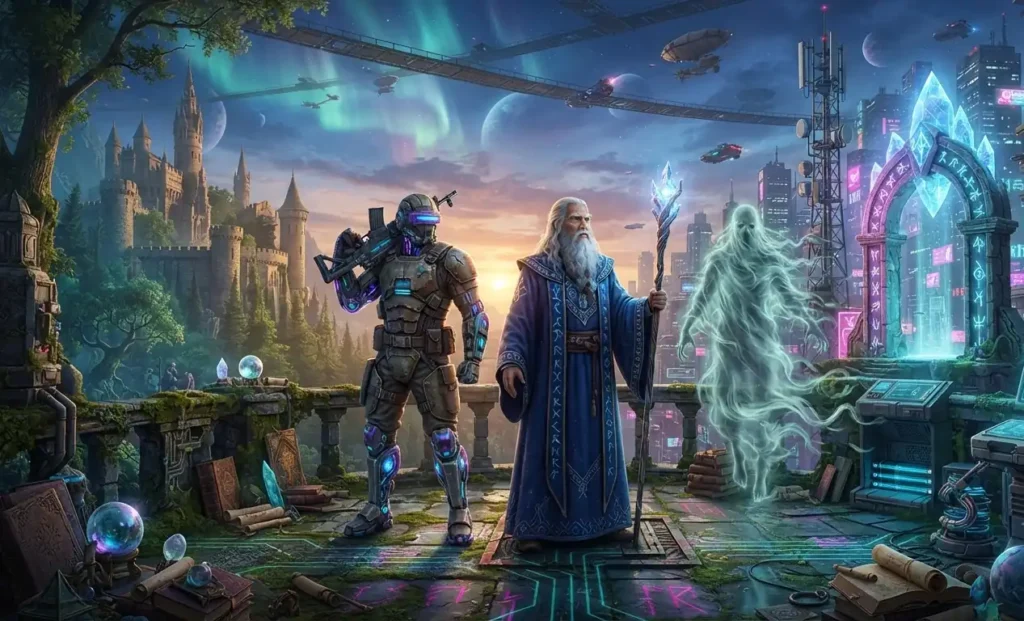
Dark Fantasy and Cosmic Horror
Dark fantasy borrows horror’s dread and moral bleakness while usually keeping fantasy’s settled, rule bound magic system underneath. Cosmic horror, the tradition most associated with Lovecraft specifically, runs the opposite direction, using fantasy scale cosmic entities specifically to deny you the comfort of understanding them, which pushes otherwise fantasy sized material firmly back into horror’s territory.
Science Fiction Horror
Stories combining a spaceship setting with a genuinely unknowable, uncontrollable threat, the kind of premise behind Alien, are doing real science fiction extrapolation, the technology and the ship’s systems are entirely plausible, while simultaneously refusing science fiction’s usual promise of eventual explanation and traceable consequence.
The monster stays a monster. That refusal is what makes it horror wearing science fiction’s clothing rather than the reverse.
The New Weird
A specific literary movement sometimes called the New Weird deliberately mixes all three registers within a single book, refusing to commit fully to fantasy’s settled rules, science fiction’s traceable extrapolation, or horror’s denied explanation, instead moving between all three depending on which effect serves a given scene. If you found yourself answering the diagnostic questions above in genuinely mixed directions, this is very likely the territory you actually belong in.
Quick Reference Table
| If You Want | You’re Leaning Toward |
|---|---|
| Explained rules, restored order, mythic past, wonder | Fantasy |
| Traceable consequence, plausible extrapolation, the future, intellectual engagement | Science Fiction |
| Genuine unknowability, denied closure, the present, dread | Horror |
| Rules underneath, dread on top | Dark Fantasy |
| Plausible technology, unknowable threat | Science Fiction Horror |
| All three shifting scene to scene | New Weird |
Frequently Asked Questions
Can a story genuinely belong to more than one of these genres at once?
Yes, and the strongest work in speculative fiction often does exactly this. Dark fantasy, science fiction horror, and the New Weird all deliberately combine elements from two or three of these categories rather than picking one cleanly, and readers who enjoy blended genres usually answer the diagnostic questions in mixed directions themselves.
Is horror defined by having a monster in it?
No. Horror is defined by its structural relationship to fear and denied control, not by its specific content. A story with zero supernatural elements can be horror if it sustains genuine dread and refuses easy resolution, while a story with a literal monster can still read as fantasy if that monster is fully explained and controllable.
Why does science fiction age differently than fantasy?
Fantasy’s impossible elements were never claiming plausibility, so they don’t need updating as real technology develops. Science fiction extrapolates from real trends, which means its predictions can look remarkably accurate or noticeably dated depending entirely on which direction the actual world eventually took instead.
What is cognitive estrangement in science fiction theory?
It’s literary scholar Darko Suvin’s term for science fiction’s specific method: taking something recognizable from reality and extending it, through a single plausible point of departure he called the novum, until it becomes strange while remaining logically connected to the world you actually started from.
Is it normal to prefer different genres depending on my mood?
Completely normal, and genuinely common among experienced genre readers. Most people have one genre that matches their core temperament most consistently, alongside secondary genres they reach for under specific emotional conditions, whether that’s needing restored order, wanting to think through consequences, or actively wanting to feel afraid.
Final Thoughts
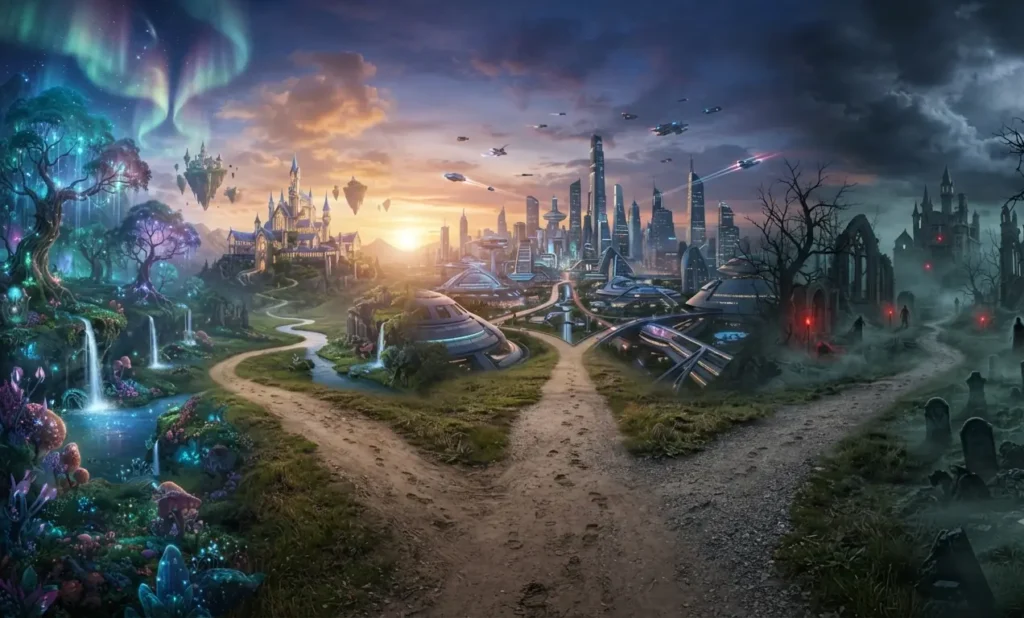
Three genres, three completely different questions about the impossible, and one honest diagnostic that should have given you a clearer answer than any vague sense of which section of the bookstore you tend to wander toward.
If you came out of this still torn between two categories, that’s not a failure of the exercise. It’s usually the surest sign you belong in exactly the blended territory where the best and strangest books in speculative fiction tend to actually live.
Related Articles
- Why Fantasy is More Popular Than Ever Backed By Data
- 13 Fantasy Genres Ranked: Which One Actually Suits You?
- How Fantasy World-Building Actually Works [Full Breakdown]
- High vs Low Fantasy: Why the Distinction Actually Matters
- Grimdark vs Dark Fantasy: Are They One & The Same
- Hard Magic vs Soft Magic: What Every Reader Should Know
- What Is Romantasy? The Genre Taking Over Fantasy