
 By
By Quick Takeaways:
- The backlash against chosen one narratives is real, well earned, and largely correct about a specific failure mode, but that failure mode isn’t the trope’s actual structural core
- What critics are usually attacking is unearned specialness, a protagonist whose importance the story simply asserts rather than makes them pay for, not the destiny structure itself
- This narrative pattern is ancient, and Joseph Campbell’s monomyth work, while worth using carefully rather than as gospel, points at something real about why it keeps recurring across unconnected cultures
- The versions that still land do it by attaching a specific cost to the chosen status rather than removing it
- Knowing the difference between destiny that’s asserted and destiny that’s earned in practice will change which version of this trope you actually enjoy going forward
I’ve watched this backlash build for close to a decade now, and I think it’s mostly right about something real while aiming at the wrong actual target. Chosen one fatigue is genuine. The trope that’s supposedly exhausted, though, isn’t quite the trope people think they’re tired of.
What the Backlash Is Actually Attacking
Unearned Specialness, Not Destiny Itself
When readers say they’re sick of chosen one stories, what they’re almost always describing is a protagonist whose importance the narrative simply declares rather than makes them work for, someone special because a prophecy said so, not because the story extracted a noticeable, visible cost from them to get there.
The complaint isn’t really about destiny as a structural device. It’s about destiny functioning as a shortcut around actual narrative labor.
This is a completely fair complaint, and it’s worth taking seriously rather than dismissing as readers simply being tired of a genre convention.
A story that hands a character world saving importance without asking anything of them in return is a story that’s cheating its own stakes, and readers notice that cheating even when they can’t always articulate exactly what feels hollow about it.
Harry Potter as the Case Everyone’s Actually Thinking Of
I don’t think it’s controversial at this point to say Harry Potter is the specific target most chosen one fatigue is really aimed at, even when people aren’t naming it directly. Harry is an interesting example precisely because his status is more complicated than simple predestination.
The prophecy creates the possibility, but Voldemort’s decision to attack Harry helps turn that possibility into the specific relationship that defines the series.
His personal growth across the series is real and often well handled, but his fundamental importance to the plot was fixed before page one, which is precisely the structure the backlash is reacting against.
The Trope Is Genuinely Old, and That’s Worth Knowing
Campbell’s Monomyth, Used Carefully
Joseph Campbell’s 1949 work The Hero with a Thousand Faces proposed a recurring narrative pattern, the monomyth, that he argued appeared across a wide range of world mythologies, a hero called to adventure, tested, transformed, and returned.
I want to be honest here: Campbell’s model became enormously influential, but its claim to universality is controversial and shouldn’t be treated as a neutral description of every culture’s mythology, got flattened by early comparative religion scholars past what the original evidence actually supported. Campbell is worth knowing about, not worth treating as settled fact.
What’s less contested is earlier, more specific research. Psychoanalyst Otto Rank’s 1909 study The Myth of the Birth of the Hero documented a recurring pattern across numerous distinct mythologies, a hero of unusual or divine origin, exposed to danger or abandonment early in life, and eventually rising to a position of significance despite that early threat.
Rank’s 1909 study identified recurring motifs in hero-birth legends from very different traditions, including threatened infancy, unusual parentage, rescue and eventual recognition. His interpretation was influential, although his attempt to explain these similarities through a generalized psychological pattern has also been challenged.
Why This Actually Matters for the Backlash
This tells you the chosen one structure isn’t a lazy modern invention publishers keep recycling because it’s cheap to write. It’s an extremely old narrative pattern that multiple unconnected human cultures kept independently reaching for, which suggests it’s doing something useful psychologically rather than being pure convenience.
The backlash isn’t wrong to be tired of bad executions of it. It’s wrong if it assumes the underlying structure itself has no real reason to exist.
What Actually Separates the Versions That Still Work
Cost Has to Be Real and Visible
The chosen one stories that survive the current fatigue almost always share one specific quality: the chosen status costs the protagonist something genuine and visible, rather than simply granting them importance for free. Destiny stops reading as a shortcut the moment the story makes the character pay a real, specific price for carrying it.
Robert Jordan’s Rand al’Thor in The Wheel of Time is, structurally, about as chosen as a protagonist gets, prophesied literally by name centuries before his birth.
What keeps this from collapsing into the exact failure mode the backlash targets is the specific, escalating cost the series attaches to that status across its length: Rand’s gradual, disturbing slide toward paranoia and instability as the burden of his role compounds, his isolation from nearly everyone who loves him, and a narrative that treats his prophesied importance as a curse being paid for in real time rather than a free pass handed to him.
Kvothe and the Cost of Being Exceptional
Patrick Rothfuss’s Kvothe in The Name of the Wind takes a different approach to the same underlying problem. Rather than removing chosen status entirely, the novel frames Kvothe’s own account of his extraordinary abilities through his own unreliable, self-mythologizing narration, and the framing device, an older, diminished Kvothe telling his own story from a place of visible present-day loss, constantly undercuts the grandeur of the younger version’s tale.
The Common Thread
In both cases, and in most chosen one stories that survive current genre fatigue, the actual fix isn’t removing destiny from the structure. It’s refusing to let destiny be free.
The moment a story makes its protagonist’s specialness cost them something real, visible, and ongoing, readers stop experiencing it as an unearned shortcut and start experiencing it as the true narrative burden the oldest versions of this pattern were always describing in the first place.
Destiny Narratives Versus Merit Narratives
Two Different Promises to the Reader
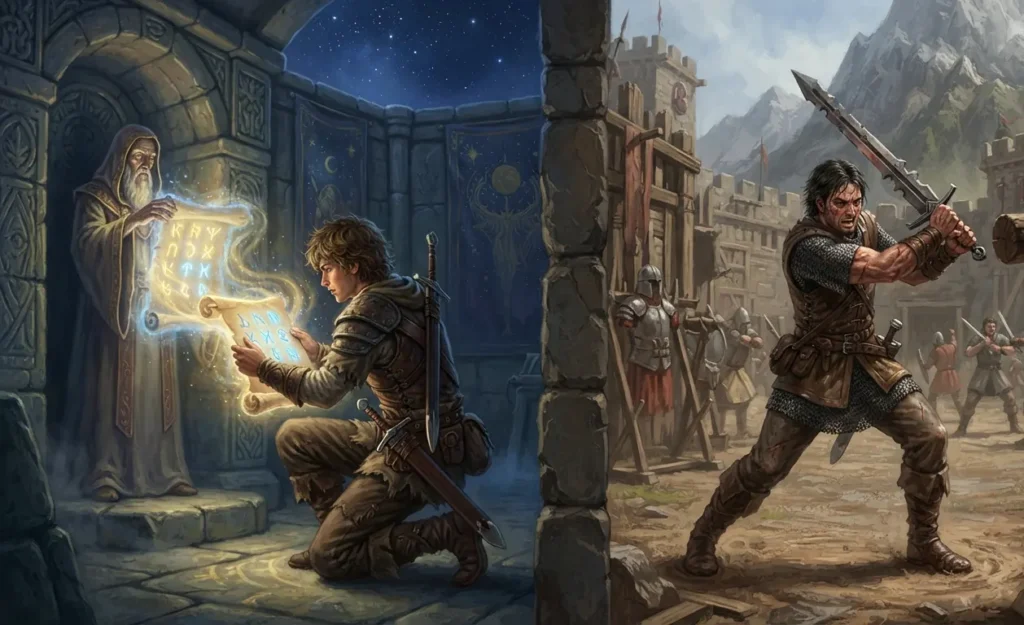
It’s worth being precise about a distinction the backlash sometimes blurs. A destiny narrative promises the reader that this specific person matters because of who they inherently are, birth, prophecy, bloodline. A merit narrative promises the reader that this specific person matters because of what they specifically did.
These aren’t automatically in competition, and the versions of the chosen one trope that actually work tend to blend both rather than relying purely on the first.
Rand is chosen by prophecy, which is pure destiny narrative on the surface, but the actual reader investment across the series comes from watching what that destiny does to him and how he chooses, repeatedly, to keep functioning under weight most people would break under, which shifts a meaningful portion of the reader’s actual engagement toward merit even while the initial premise stays destiny driven throughout.
Why This Trope Isn’t Actually Going Anywhere
The Backlash Will Outlive Individual Bad Examples, Not the Structure Itself
I think the honest prediction here is that chosen one fatigue will keep killing specific, lazily executed examples of the trope without ever managing to kill the underlying structure itself, because the structure is answering something undoubtedly old and genuinely persistent about how humans like their significant stories to work.
Otto Rank’s research didn’t find this pattern recurring across unconnected ancient cultures because ancient storytellers were lazy. He found it because the pattern does real psychological work that plenty of other structures simply don’t replicate as effectively.
What the backlash will keep successfully killing, deservedly, is the specific failure mode of a chosen protagonist who gets all the significance and pays none of the price for it. That’s not the trope dying. That’s the trope finally being held to the same standard every other narrative device has always had to meet.
Read: 7 Things Modern Fantasy Writers Can Learn From Tolkien
Frequently Asked Questions
Is the chosen one trope actually as old as Otto Rank’s research suggests?
Rank’s 1909 study documented a recurring hero birth pattern, unusual origin, early danger, eventual rise to significance, across numerous independently developed mythologies including Moses, Oedipus, and Sargon of Akkad, suggesting the underlying structure predates modern fantasy by thousands of years.
Is Joseph Campbell’s monomyth theory reliable?
It’s influential but has faced substantial, legitimate criticism from folklorists and anthropologists for overgeneralizing distinct cultural traditions into one universal template. Worth knowing about as an influential idea rather than citing as settled academic consensus.
What’s the actual difference between good and bad chosen one stories?
The versions that hold up attach great, visible, ongoing cost to the chosen status, isolation, instability, real sacrifice, rather than granting importance for free. The failure mode critics target is specialness the story simply asserts without making the protagonist pay anything real for it.
Why does Rand al’Thor work despite being an extremely literal chosen one?
Because The Wheel of Time attaches a specific, escalating, really disturbing cost to his prophesied status across the series, his slow slide toward instability and isolation, rather than letting the prophecy simply confer importance without consequence.
Will chosen one stories eventually disappear because of the backlash?
Unlikely. The underlying narrative structure appears to be old and psychologically persistent rather than a modern convenience. What the backlash will likely keep successfully eliminating is specifically lazy execution, unearned specialness, rather than the destiny structure itself.
Final Thoughts
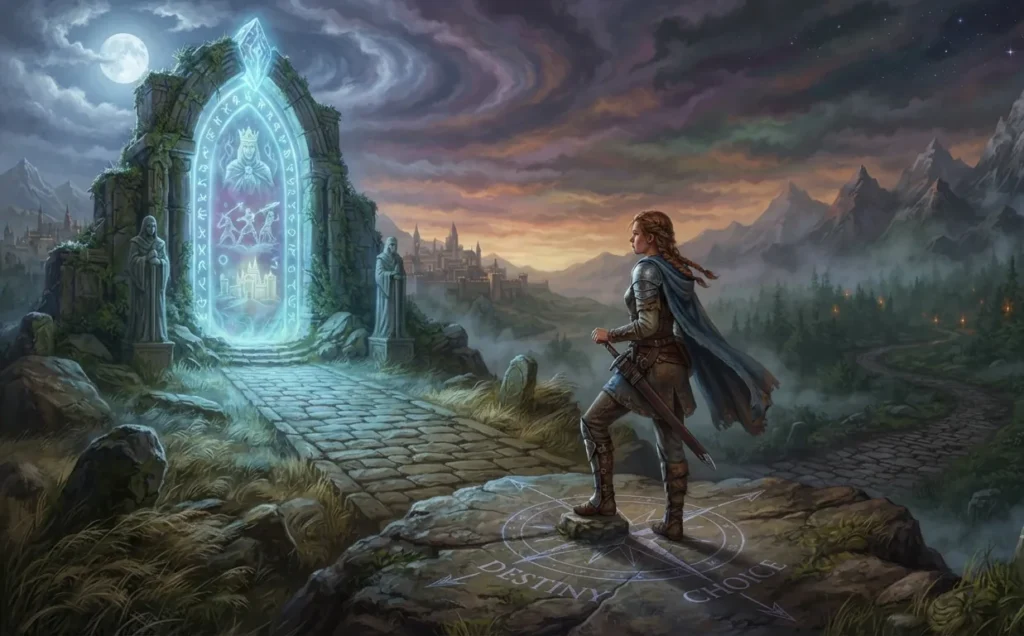
The backlash isn’t wrong. It’s aimed slightly off target, hitting unearned specialness while sometimes mistaking that for the whole structure underneath it. Otto Rank found this same basic shape recurring across cultures that never spoke to each other, which should tell you it’s not a lazy shortcut publishers invented recently. It’s an old, truly useful pattern that modern fantasy sometimes forgets to make its protagonists actually pay for.
Give the chosen one a real, specific, visible cost, and the fatigue mostly disappears. Skip that cost, and no amount of prophecy or ancient bloodline is going to save the story from readers who’ve simply gotten better, deservedly, at spotting the shortcut.
Related Articles
- How Tolkien & Martin Built Two Very Different Fantasies
- Chosen One vs Reluctant Hero: What Sets Them Apart
- 7 Dark Fantasy Tropes That Make The Genre Work
- The Best Found Family Begin as Rivals, Not Friends
- Fate vs Free Will: Dark Fantasy’s Favorite Argument
Further Reading
- Otto Rank – The Myth of the Birth of the Hero
- Joseph Campbell – The Hero with a Thousand Faces
- Harry Potter – Why What If Neville Had Been the Chosen One?
- Vladimir Propp, Morphology of the Folktale.
- Wayne C. Booth – The Rhetoric of Fiction
- The Wheel of Time – Rand / Dragon Reborn
- The Name of the Wind – Patrick Rothfuss
- Alan Dundes – The Study of Folklore
Written by Batin Khan, a curious free spirit who loves reading and exploring the worlds of fantasy, mythology, and ancient stories. Through this blog, Batin hopes to share that sense of wonder with readers while building an exciting future along the way.