
 By
By Disclosure: As an Amazon Associate, I earn from qualifying purchases. This means I may receive a small commission if you buy through links on this site, at no extra cost to you. I appreciate your support
Progression fantasy earns its name from a simple, specific promise. A character starts weak, and you watch, in real, trackable detail, exactly how they stop being weak. That promise is harder to deliver well than it sounds, and these thirteen books deliver it about as well as the genre currently manages.
A few things worth knowing going in. Every book here tracks that growth in an internally consistent way, which is the real engine of this genre, not a decorative side effect.
The range spans magic school bonding, dungeon strategy, classic LitRPG mechanics, and superhero origin stories, so this genre’s reach is a lot wider than most casual descriptions suggest.
The methodology below is stated plainly so you can see exactly what each ranking measures, and every entry gets an honest downside alongside the recommendation, because a list that only praises isn’t actually useful to you.
Best Progression Fantasy Books – Selection Methodology
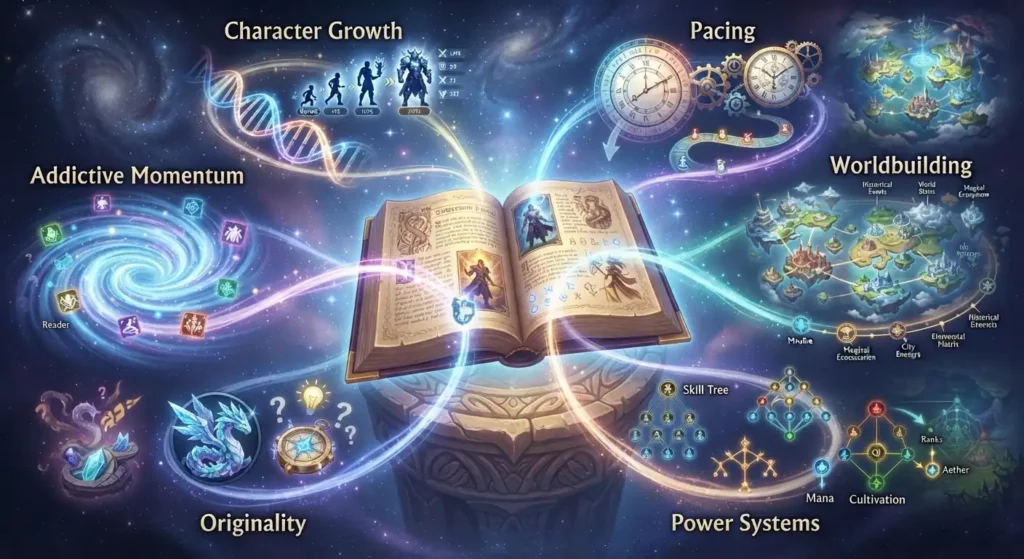
Three main criteria drive every placement on this list.
Craft and writing quality evaluates prose, structure, characterization, and the author’s control over pacing and emotional payoff across a long run. A novel that starts brilliantly and collapses after several hundred chapters scores lower than one that maintains consistent quality throughout.
Progression system originality rewards novels that build internally consistent, genuinely creative power systems rather than recycling generic leveling mechanics without contribution. The power system is this genre’s core creative vehicle, and novels that take it seriously deserve recognition for doing so.
Character depth evaluates whether the protagonist and key supporting cast are fully realized people whose choices feel driven by who they are rather than what the plot requires. In a genre prone to protagonists who exist primarily as power-scaling vessels, real character work is worth recognizing.
One thing to note is that the books below are not in any specific order. So, you shouldn’t assume that the 4th book entry is better than the 5th and vice versa.
Iron Prince
Author: Bryce O’Connor and Luke Chmilenko | Status: Ongoing | Volumes: 2 | Pacing: Steady, academy structured
Best for: Readers who want a magic school setting built around companion bonding rather than solo spellcasting alone.
Arthur enrolls at a prestigious academy specifically to bond with a magical familiar creature, and his progression tracks two things simultaneously: his own growing skill, and the deepening, genuinely mutual relationship with the creature he ends up paired with.
The dual progression track here is the real achievement. Arthur’s own growth would be fairly conventional academy fare on its own. Watching his bonded creature develop its own distinct personality and capability alongside him gives the whole system real texture.
Potential downside: The academy structure means a slower opening stretch establishing the school’s rules and hierarchy before the more distinctive bonding mechanics fully kick in.
Beneath the Dragoneye Moons
Author: Selkie Myth | Status: Ongoing | Volumes: 16 | Pacing: Steady, dragon bond focused
Best for: Readers who specifically want dragon riding progression with a solid, trackable magic and bond system underneath it.
An amnesiac protagonist wakes with no memory in a world built around dragon riders, and rebuilds both identity and power simultaneously through an evolving bond with a genuinely distinct dragon companion.
Given how much dragon fiction this blog covers, this entry earns its place specifically for treating the dragon bond itself as a progression mechanic with real rules, rather than the more common approach of simply pairing a rider with a dragon and leaving the relationship mostly decorative.
Potential downside: The amnesia premise means the opening chapters carry real narrative uncertainty about identity and backstory, which some readers find slower to invest in than a protagonist with clear established history from page one.
Dungeon Born
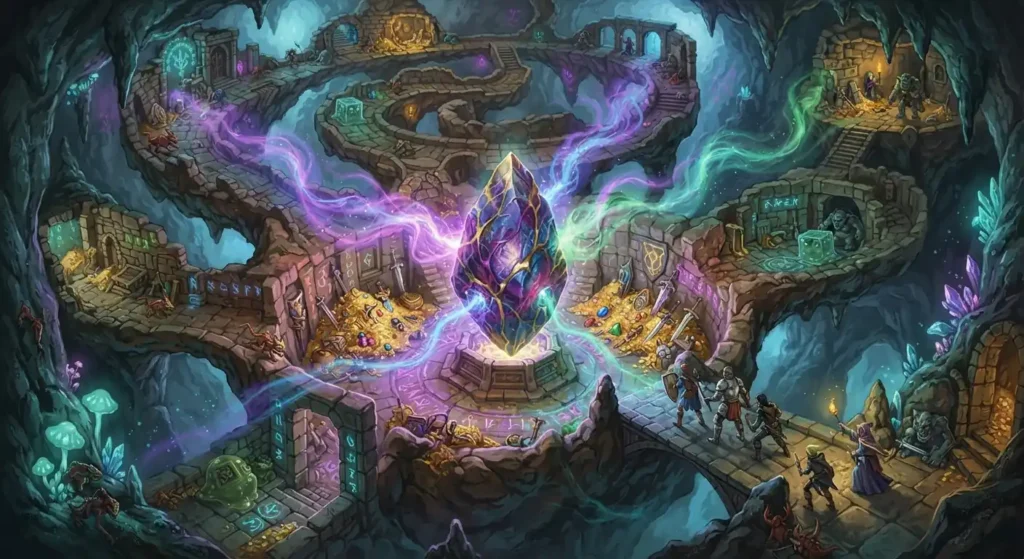
Author: Dakota Krout | Status: Complete (Divine Dungeon series) | Volumes: 5 | Pacing: Inventive, quick
Best for: Readers who want a sentient dungeon protagonist with a strategic, architecture-based progression path.
Cal wakes as the core of a fledgling dungeon and grows in power specifically by building traps, recruiting monsters, and managing the internal ecosystem of his own domain, inverting the usual adventurer protagonist into someone who builds the challenge rather than facing it.
Krout treats the dungeon management side with real strategic depth, and the progression genuinely rewards clever architectural thinking over raw combat escalation, which gives the system a distinctive shape within the genre.
Potential downside: The dungeon core premise limits conventional character interaction for real stretches of the story, since Cal’s own nature restricts how directly he can engage with the human characters around him.
Primal Hunter
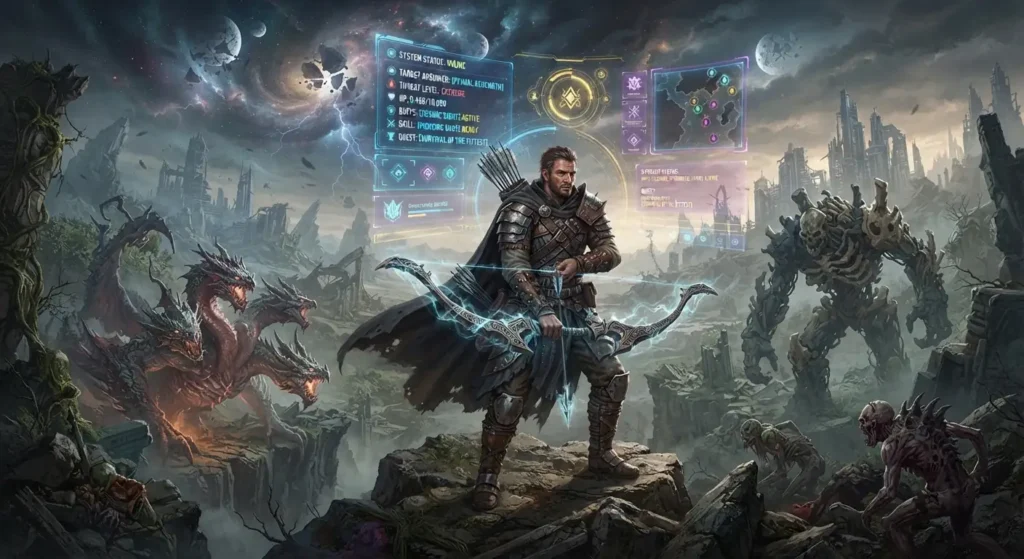
Author: Zogarth | Status: Ongoing | Volumes: 17 | Pacing: Fast, system-driven
Best for: Readers who want classic LitRPG mechanics (levels, classes, skill trees) paired with a real focus on beast bonding and hunting progression.
Jake gains access to a game-like Path system after an interdimensional event transforms Earth, and grows in power specifically by hunting increasingly dangerous monsters, developing his class abilities, and building a genuine bond with a tamed companion creature alongside his own combat growth.
The specific pull here is how cleanly the system mechanics are laid out. Levels, stats, and skill choices are tracked with real, consistent transparency, which gives readers who like watching the actual numbers move something concrete to follow alongside the story itself.
Potential downside: The heavy system transparency means frequent stat and skill breakdowns interrupting the narrative flow, which readers who prefer prose uninterrupted by game-like mechanics may find repetitive over a long read.
The Legend of Randidly Ghosthound
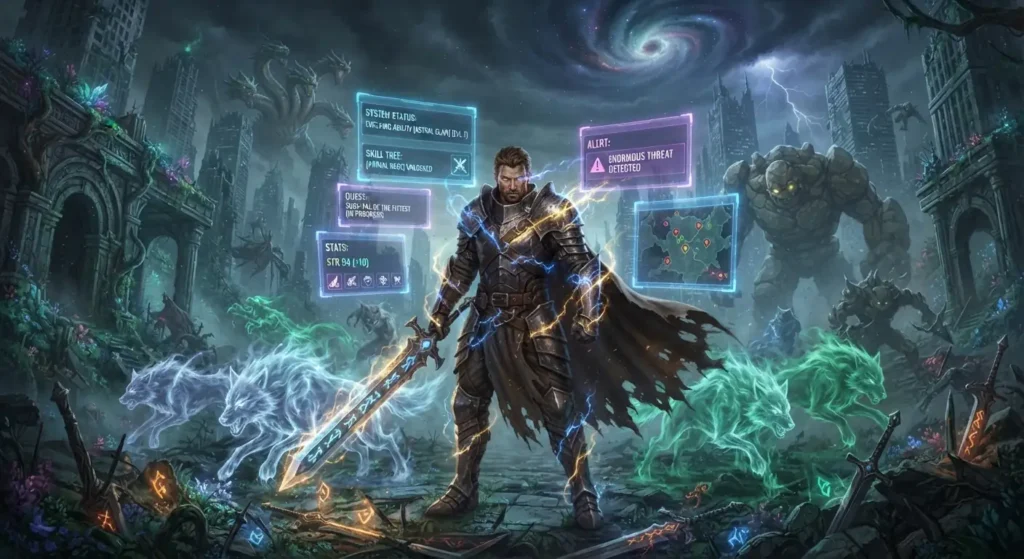
Author: Argyle Fowl | Status: Ongoing | Volumes: 15 | Pacing: Fast, action-forward
Best for: Readers who want a portal fantasy premise paired with relentless, escalating power growth.
Randidly is pulled into a fantasy world alongside his entire graduating class, and quickly separates himself from the pack through an unusually aggressive, almost obsessive approach to growing stronger as fast as possible.
The specific hook here is pacing. Randidly’s progression moves noticeably faster than most genre entries manage, which gives the book real momentum for readers who want escalation without a long, patient buildup first.
Potential downside: That same rapid pacing means less time spent on worldbuilding depth or supporting character development compared to entries that take a slower, more patient approach to both.
Mage Errant
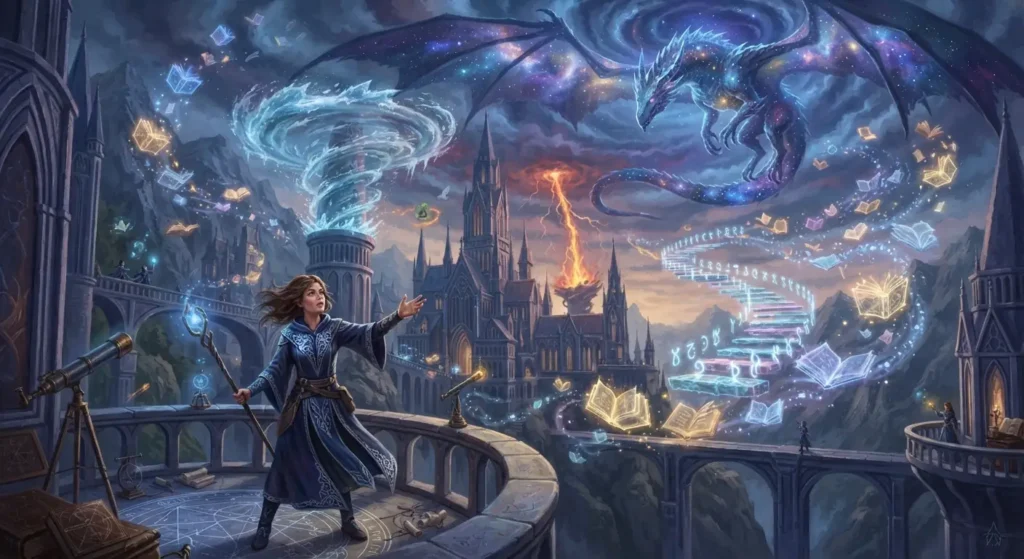
Author: John Bierce | Status: Ongoing | Volumes: 7 and counting | Pacing: Balanced, ensemble-driven
Best for: Readers who want a real ensemble cast growing together rather than a single overpowered protagonist outpacing everyone around him.
Hugh Cook attends Skyhold Academy alongside a small, distinct group of fellow students, each developing their own specific magical Talent rather than sharing one universal power system.
Bierce’s specific strength is refusing to let any single character dominate the group’s growth. Hugh’s own magic actively resists him early on, which forces the story to develop supporting characters’ progression with real, sustained attention rather than treating them as background.
Potential downside: The ensemble approach means individual character arcs sometimes progress more slowly than readers wanting one clear protagonist’s continuous ascent might prefer.
The Perfect Run
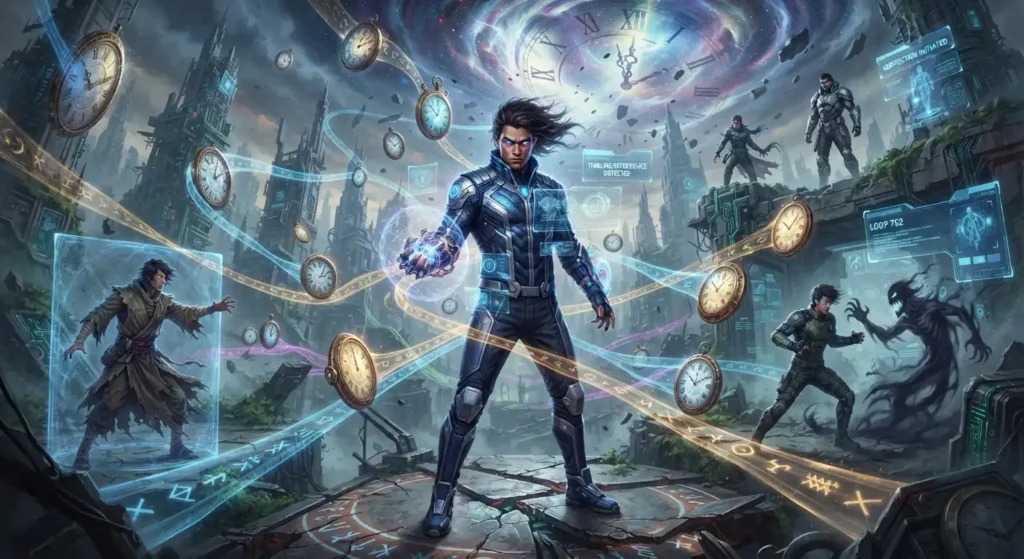
Author: Void Herald | Status: Ongoing | Volumes: 3 | Pacing: Tight, heist-structured
Best for: Readers who want time-loop progression applied to a real heist structure rather than open-ended exploration.
A thief with the ability to reset time after death uses that power specifically to plan and execute an increasingly ambitious string of impossible heists, with each loop refining both his own skill and his understanding of exactly what he’s up against.
This is progression fantasy with real narrative discipline. The heist framing keeps every loop purposeful rather than repetitive filler, and the protagonist’s growth is measured as much in cunning and planning as in raw power.
Potential downside: The heist structure means less traditional worldbuilding sprawl than other entries here, which readers wanting a fully explored secondary world might find comparatively narrow.
Orconomics
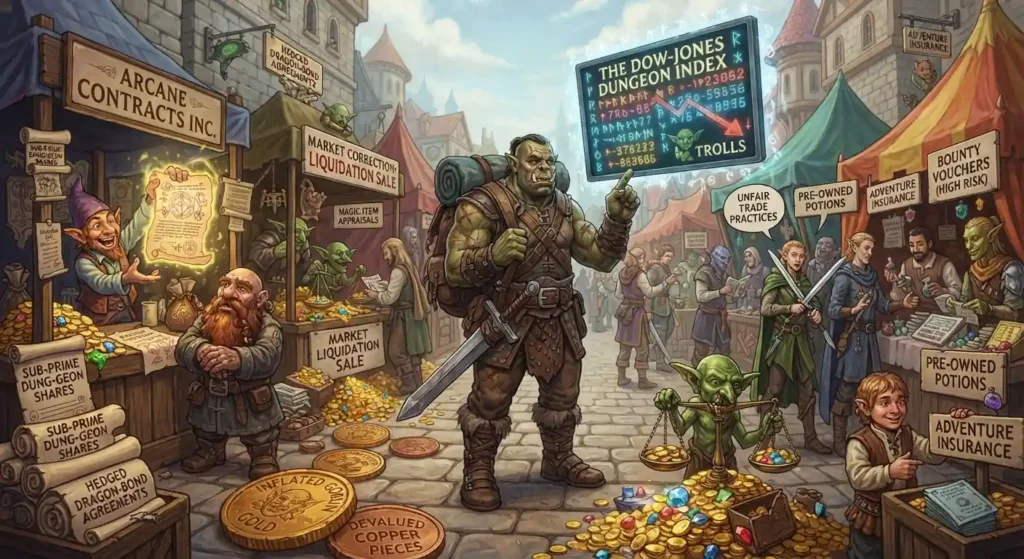
Author: J. Zachary Pike | Status: Complete trilogy | Volumes: 3 | Pacing: Comedic, satirical
Best for: Readers who want progression fantasy’s tropes affectionately satirized rather than played completely straight.
A disgraced former hero and a motley band of adventurers navigate a world where questing has become a fully regulated, bureaucratic industry, complete with guild oversight and loot economics that the characters themselves openly discuss and exploit.
Pike’s satire never loses genuine warmth for the characters underneath the jokes, which keeps the progression stakes feeling real even while the surrounding systems get gently mocked.
Potential downside: The satirical framing means less earnest emotional weight than most entries here, which readers wanting sincere, high-stakes progression may find tonally lighter than expected.
The Bound and the Broken
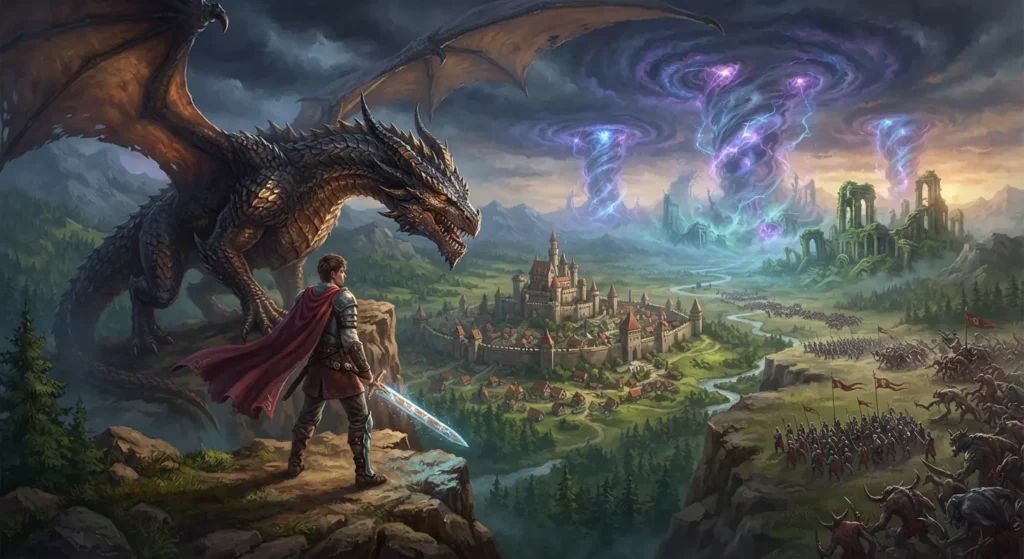
Author: Ryan Cahill | Status: Ongoing | Volumes: 4 and counting | Pacing: Epic, sweeping
Best for: Readers who want progression fantasy blended with full-scale epic fantasy stakes and worldbuilding.
Calen Bryer trains under a hidden ancient warrior while a properly epic, world-spanning conflict builds in the background, giving his personal power growth real civilizational stakes rather than staying purely personal.
Cahill’s specific strength is treating both halves seriously at once. The training and skill progression genuinely matter, and so does the sprawling political and military backdrop surrounding it.
Potential downside: The dual focus on personal training and epic-scale plotting means pacing occasionally splits attention, and readers wanting purely tight, progression-focused chapters may find some sections slower.
Super Sales on Super Heroes
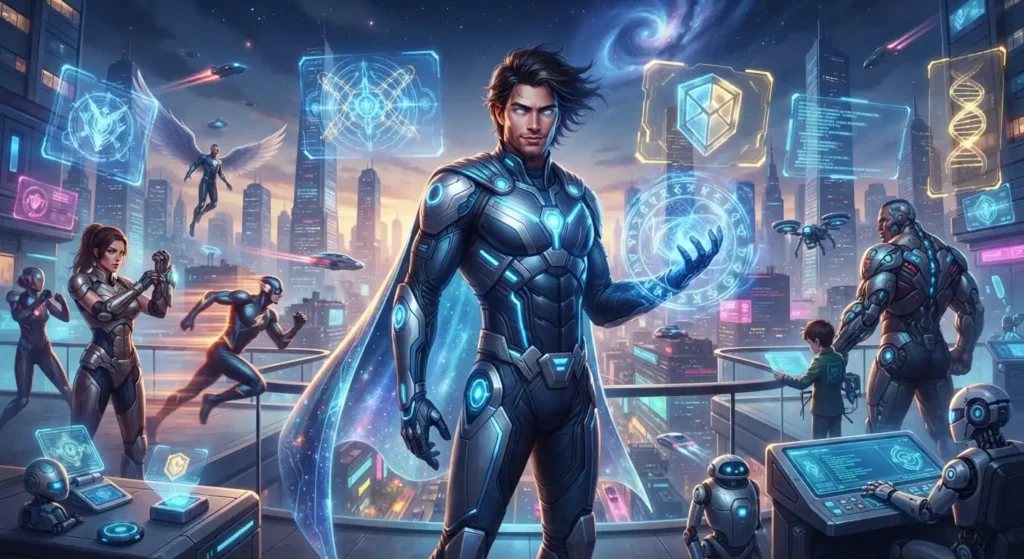
Author: William D. Arand | Status: Complete | Volumes: 6 | Pacing: Fast, action-forward
Best for: Readers who want progression fantasy’s power growth structure applied to a superhero setting rather than traditional magic.
A hero gains the ability to purchase superpowers directly, turning his progression into a genuinely strategic shopping and combination puzzle rather than a linear power increase.
The premise gives this entry a distinctly different flavor from the sword-and-sorcery default, and the specific joy of watching clever power combinations solve problems keeps the progression mechanic feeling inventive.
Potential downside: The power-purchasing mechanic occasionally strains believability around resource scarcity, and some readers find the economic logic underlying it less tightly reasoned than the combat scenes it enables.
Azarinth Healer
Author: Rhaegar | Status: Ongoing | Volumes: 6 | Pacing: Long, relationship-focused
Best for: Readers who want a healer-specific power growth arc rather than the usual combat-forward protagonist.
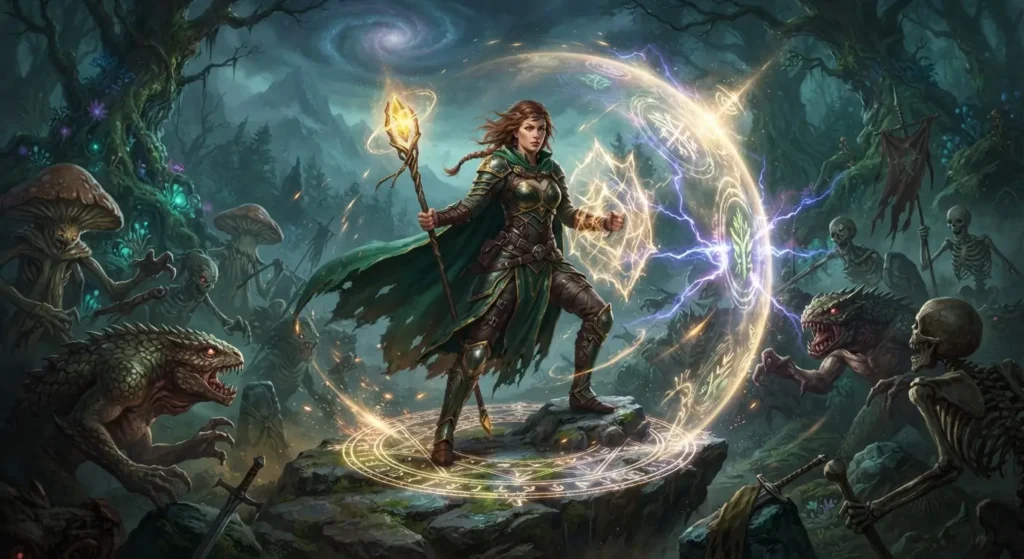
Rui, transported into an unfamiliar world, builds her progression specifically around healing magic, a rarer central focus for this genre than offensive combat ability, while navigating found family relationships that grow alongside her own power.
The healing focus gives combat scenes a distinctly different texture, since Rui’s specific value comes from keeping others alive and functional rather than dealing damage directly.
Potential downside: The heavy relationship and found family focus means slower plot momentum in stretches compared to combat-forward entries on this list, which suits patient readers better than those wanting constant escalation.
Six Sacred Swords
Author: Yudhanjaya Wijeratne | Status: Ongoing | Volumes: 4 and counting | Pacing: Tight, blessing-focused
Best for: Readers who want a genuinely inventive, blessing-based power system distinct from typical leveling mechanics.
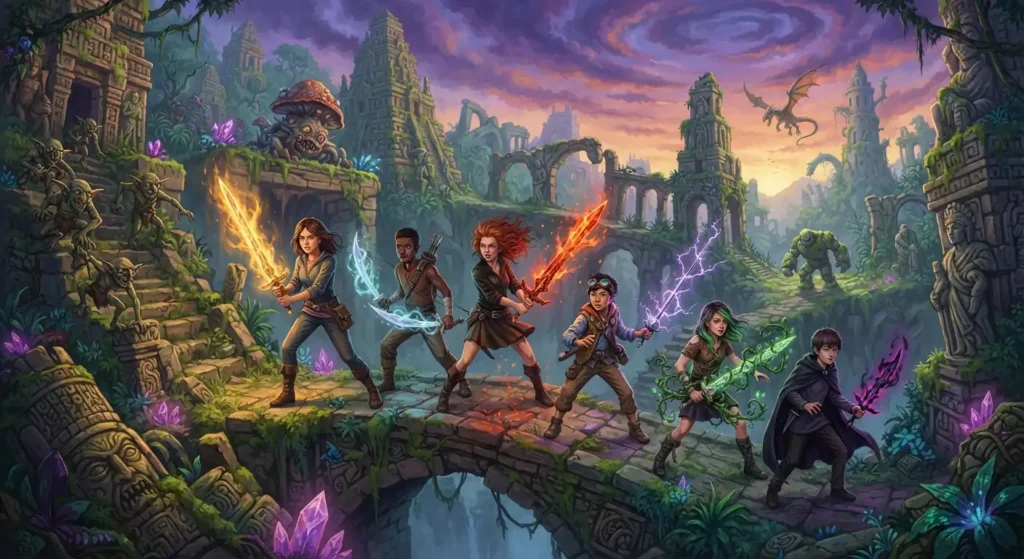
Six warriors each bond with a specific magical sword carrying its own distinct blessing and personality, and their progression is measured through deepening that specific bond rather than a generic universal power scale.
Wijeratne builds real, individual mechanical distinction into each sword’s blessing, giving the ensemble cast distinctly different progression paths rather than variations on one shared system.
Potential downside: Tracking six distinct protagonists and sword systems simultaneously asks more of readers early on than a single protagonist structure would, and some find the opening volume’s setup correspondingly dense.
Threadbare
Author: Andrew Seiple | Status: Complete | Volumes: 6 | Pacing: Inventive, quick
Best for: Readers who want a genuinely unusual protagonist (a sentient, animated stuffed bear) carrying real emotional weight alongside its unconventional power growth.
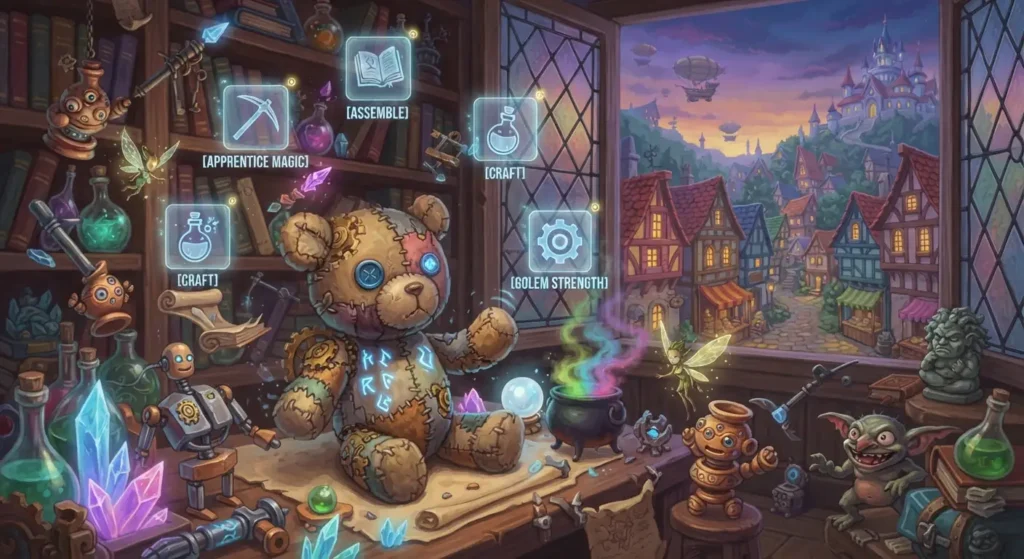
Threadbare, a stuffed toy bear brought to sentience through magic, grows in power and understanding of a difficult world while retaining a childlike, sincere perspective that gives the series unusual emotional range for its premise.
The specific achievement here is making a fundamentally strange protagonist type carry real pathos rather than staying a novelty, with progression tied directly to Threadbare’s growing understanding of loss, purpose, and found family.
Potential downside: The childlike protagonist voice, while honestly effective for the story’s themes, may read as tonally simpler than readers wanting consistently mature narration expect going in.
Quick Reference Table
| Title | Author | Status | Best For |
|---|---|---|---|
| Iron Prince | Bryce O’Connor and Luke Chmilenko | Ongoing | Companion bonding academy |
| Beneath the Dragoneye Moons | Selkie Myth | Ongoing | Dragon rider progression |
| Dungeon Born | Dakota Krout | Complete | Sentient dungeon strategy |
| Primal Hunter | Zogarth | Ongoing | Classic LitRPG system mechanics |
| The Legend of Randidly Ghosthound | Argyle Fowl | Ongoing | Fast, relentless power growth |
| Mage Errant | John Bierce | Ongoing | Ensemble cast growth |
| The Perfect Run | Void Herald | Ongoing | Heist structured loops |
| Orconomics | J. Zachary Pike | Complete | Satirical progression fantasy |
| The Bound and the Broken | Ryan Cahill | Ongoing | Epic scale blended progression |
| Super Sales on Super Heroes | Rhaegar | Complete | Superhero power growth |
| Azarinth Healer | RinoZ | Ongoing | Healer focused progression |
| Six Sacred Swords | Yudhanjaya Wijeratne | Ongoing | Blessing based power system |
| Threadbare | Andrew Seiple | Complete | Emotionally distinct protagonist |
Frequently Asked Questions
Which book on this list is the strongest entry point for someone completely new to progression fantasy?
Iron Prince offers the most familiar starting structure (a magic academy setting most fantasy readers already recognize) while still introducing the genre’s core mechanic clearly through its companion bonding system, without requiring prior genre familiarity.
Which entries feature non-human or unconventional protagonists?
Dungeon Born follows a sentient dungeon core, and Threadbare follows an animated stuffed bear. Both offer a distinctly different protagonist experience from the human adventurer default most other entries on this list use.
Which book on this list is fully complete rather than ongoing?
Dungeon Born, Orconomics, Super Sales on Super Heroes, and Threadbare are all complete. The rest remain actively ongoing, which is worth knowing if you specifically want a finished story rather than a series still in progress.
Is there an entry here that blends progression fantasy with more traditional epic fantasy stakes?
The Bound and the Broken is the clearest blend, pairing personal power training with a genuinely sweeping, world-spanning political and military conflict, making it the strongest pick for readers who want both traditions satisfied at once.
Which book has the darkest or most mature tone on this list content-wise?
None of the current thirteen lean particularly dark or crude. The Legend of Randidly Ghosthound runs the most intense in terms of combat violence and obsessive protagonist drive, but nothing here centers on explicit or crude content.
Final Thoughts
Thirteen books, and genuinely different shapes of the same core promise: watching someone or something start weak and become something else entirely, in enough visible, trackable detail that the growth actually means something by the end.
Start with Iron Prince if you want the most familiar entry point, or Dungeon Born if you want to see how differently this genre’s core mechanic can be built when an author refuses the standard adventurer template.
Related Posts
- Why Your Brain Loves Progression Fantasy & LitRPG
- 9 Best Progression Fantasy Books 2026 [Ranked List]
- Cultivation vs Progression Fantasy: Which Should You Read?
- Best Xianxia Novels of 2026: From Hidden Gems to Legends
- 12 Best Cultivation Novels [Ranked by Genre Fans]
- 9 Progression Fantasy Books With Female Leads [2026]
- What to Read After Cradle: 7 Progression Fantasy Series to Try
- 9 Best LitRPG Books To Level Up Your TBR Stack
Written by Batin Khan, a curious free spirit who loves reading and exploring the worlds of fantasy, mythology, and ancient stories. Through this blog, Batin hopes to share that sense of wonder with readers while building an exciting future along the way.