
 By
Quick Takeaways:
- Every book on this best dark fantasy books with female MC list has an unambiguous female protagonist driving the plot, not a compelling woman standing beside a male lead who carries the story
- The methodology below is stated plainly so you can see exactly what’s driving each placement
- Each entry gets a full breakdown, central darkness, what the book does, an honest weakness, and the case for its ranking, alongside concrete reading data
- The range spans quiet literary dark fantasy through brutal political fiction, so there’s a real entry point regardless of how heavy you want tonight’s read to be
Disclosure: As an Amazon Associate, I earn from qualifying purchases. This means I may receive a small commission if you buy through links on this site, at no extra cost to you. I appreciate your support
Dark fantasy with a central female protagonist is a narrower list than it should be, since a lot of otherwise excellent entries in this genre give their strongest women real depth while still orbiting a male lead’s arc. These Thirteen don’t do that.
Methodology
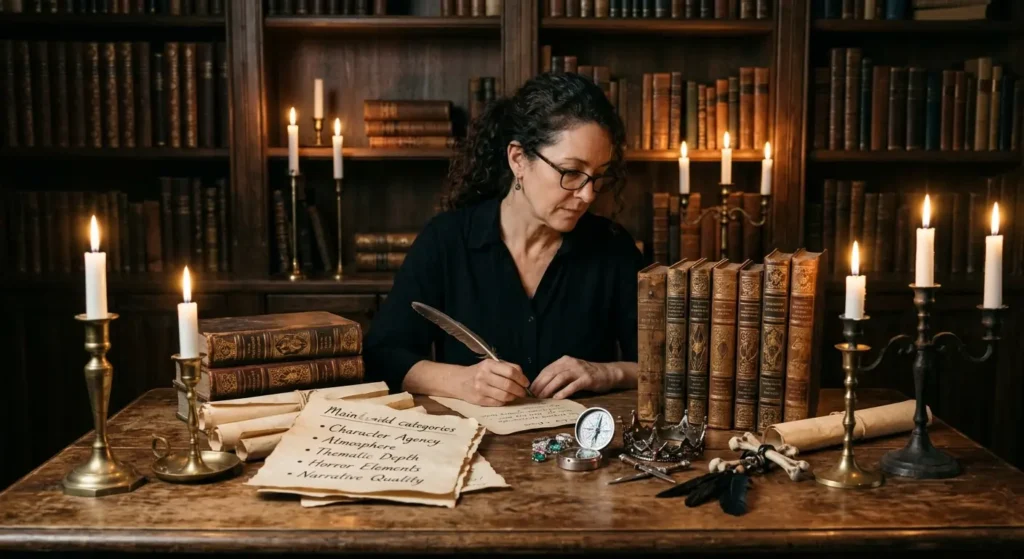
Four criteria drive every placement on this list.
Craft and writing quality evaluates prose, structure, characterization, and the author’s control over pacing and emotional payoff across a long work. A novel that starts strong and loses its grip over several hundred pages scores lower than one that sustains quality throughout.
Worldbuilding and magic system originality rewards novels that build internally consistent, creative systems and settings rather than recycling generic dark fantasy convention without real contribution. World construction is this genre’s core creative vehicle, and novels that take it seriously deserve recognition for doing so.
Character depth evaluates whether the protagonist and key supporting cast are fully realized people whose choices feel driven by who they are rather than what the plot requires. In a genre prone to grimness for its own sake, character work is worth recognizing.
Long term reader consensus uses critical reception and multi year reader discussion as a check against idiosyncratic personal taste. A novel I love that the broader reading community has consistently found wanting won’t rank as high as one where my enthusiasm and that consensus align.
The Buried Giant
Author: Kazuo Ishiguro | Central Darkness: Collective forgetting and the cost of peace built on erasure
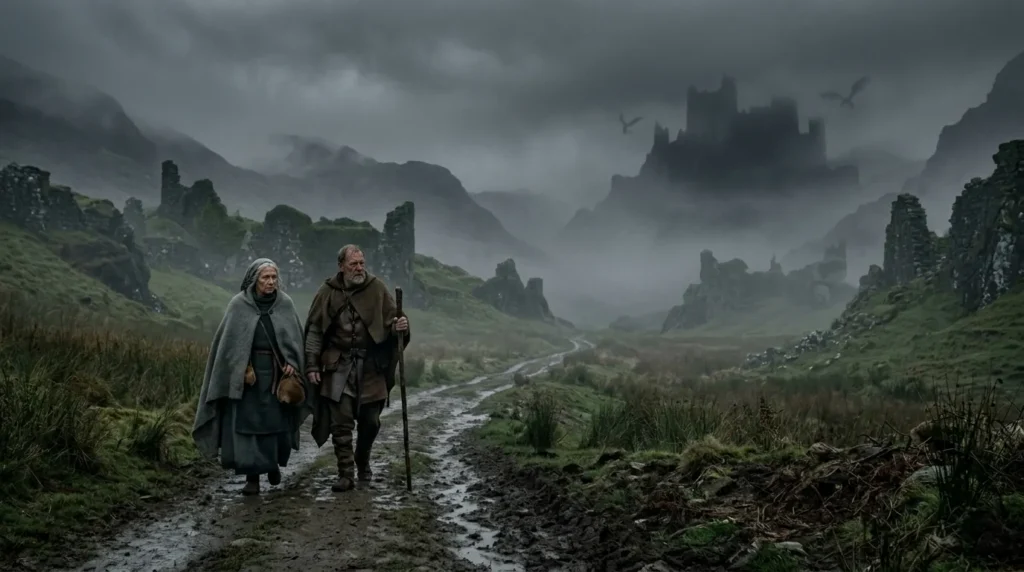
An elderly couple travels through a post Arthurian Britain shrouded in a mysterious mist that erases memory, encountering ogres, a dragon, and the slow, painful recovery of things a fragile peace depended on everyone forgetting.
Ishiguro’s spare, controlled prose makes the fantasy elements feel unmistakably uncanny rather than decorative, and the central question, whether forgetting a genocide is what allowed peace to exist, gives the book real philosophical weight.
The slight weakness is tonal restraint that some readers find emotionally distant. Ishiguro’s characteristic reserve, effective for the novel’s themes, keeps the reader at more of a remove than most dark fantasy attempts.
The case for this ranking is thematic ambition matched by real execution. Few fantasy novels ask this large a question this directly and earn the answer they arrive at.
Best for: Readers who want quiet, devastating fantasy about memory and reconciliation.
Length: 317 pages | Pacing: Slow | Horror level: 1/5 | Fantasy level: 3/5 | Gore: Low | Romance: Minor, central to the plot but not genre romance | Age range: Adult
The Fifth Season
Author: N.K. Jemisin | Central Darkness: Institutional cruelty dressed as protection, and a mother’s fractured search across a dying world
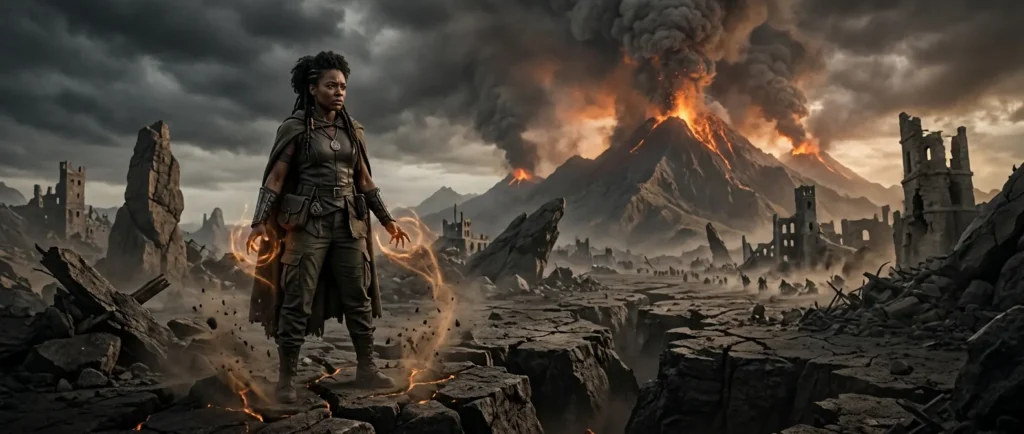
Essun’s search for her missing daughter runs across a broken planet, where people who can control seismic force are feared, controlled, and used by a society that depends entirely on the power it despises them for holding.
Jemisin’s triple timeline structure eventually reveals all three narrative threads as Essun’s own life at different ages, which is a technically demanding choice that pays off completely once the full shape becomes clear.
The weakness is structural. The opening stretch demands real patience before the fragmented timeline’s purpose reveals itself, and some readers understandably find that a barrier before the payoff arrives.
The case for this ranking is ambition executed with real discipline. Few novels attempt this much structural complexity while keeping a single woman’s grief legible through all three versions of her.
Best for: Readers who want systemic oppression and apocalyptic stakes filtered through one woman’s fractured, searching perspective.
Length: 468 pages | Pacing: Layered, structurally ambitious | Horror level: 2/5 | Fantasy level: 4/5 | Gore: Moderate | Romance: Minor | Age range: Adult
Sabriel
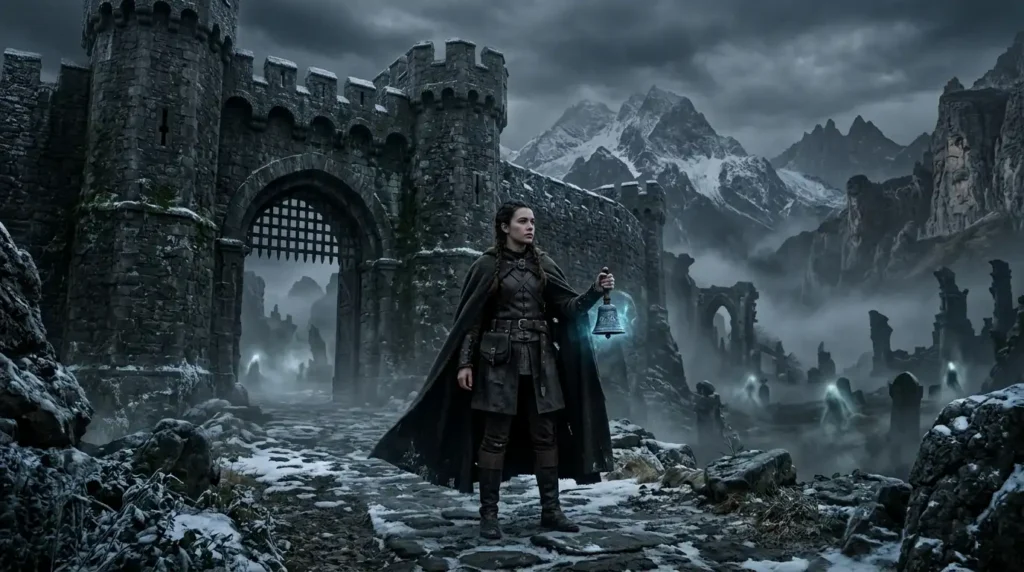
Author: Garth Nix | Central Darkness: Necromancy, the boundary between life and death, and a girl forced to inherit a role built entirely around confronting both
Sabriel’s father, the Abhorsen, has vanished into Death itself, and she has no choice but to take up his bells and his sword to hunt him through a realm where the dead cross back into the living world with, escalating menace.
Nix builds a magic system around necromantic bells, each with a distinct function, some calling the dead forward and some binding them back, giving Sabriel’s specific competence real mechanical texture rather than vague power.
The weakness is a slow opening that spends real time establishing the world’s rules before the plot’s stakes fully engage.
The case for this ranking is a original necromantic system carried entirely by a young woman who never has the luxury of learning it gradually.
Best for: Readers who want necromancy driven dark fantasy led by a protagonist thrown into mastery rather than eased into it.
Length: 311 pages | Pacing: Slow building, then relentless | Horror level: 2/5 | Fantasy level: 4/5 | Gore: Moderate | Romance: Minor | Age range: Adult, though frequently read by older teens
Nettle & Bone
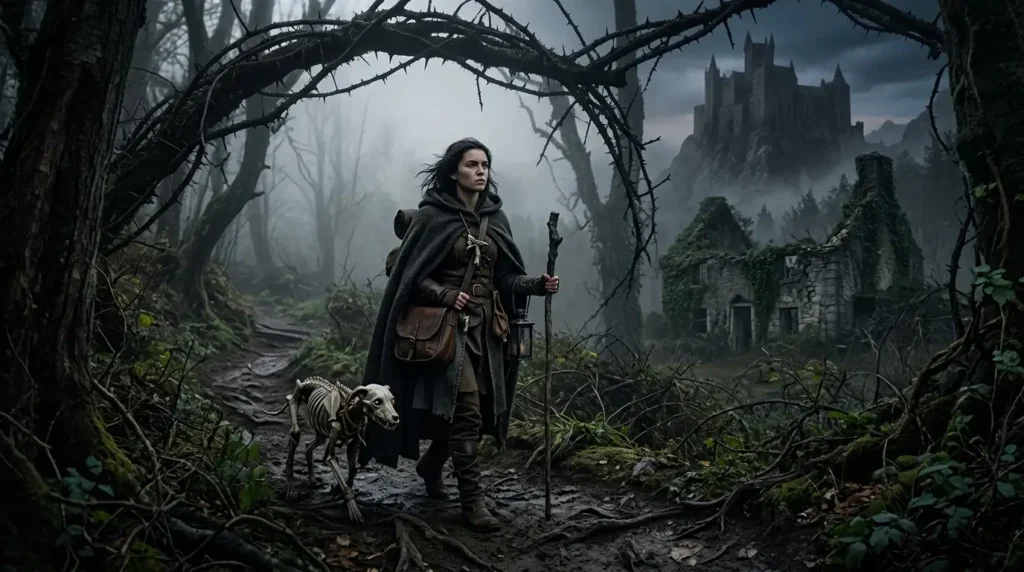
Author: T. Kingfisher | Central Darkness: Fairy tale cruelty taken seriously, and the real cost of assembling power nobody hands you willingly
Marra assembles the traditional impossible objects, a dog built from bones, a cloak of nettles, specifically to save her sister from an abusive husband, and Kingfisher refuses to let the fairy tale scaffolding soften what that abuse or its remedy cost.
The strength here is refusing easy magic. Every object Marra builds demands real, physically punishing labor, which keeps her power grounded in effort rather than convenient discovery.
The weakness is a slightly uneven back half, where pacing loosens compared to the tightly constructed opening chapters.
The case for this ranking is tonal honesty carried entirely by a woman who builds her own rescue rather than waiting for one.
Best for: Readers who want a quest structure built on real consequence, led by a protagonist with no inherited power to fall back on.
Length: 256 pages | Pacing: Moderate | Horror level: 3/5 | Fantasy level: 4/5 | Gore: Low to moderate | Romance: Minor | Age range: Adult
Vespertine
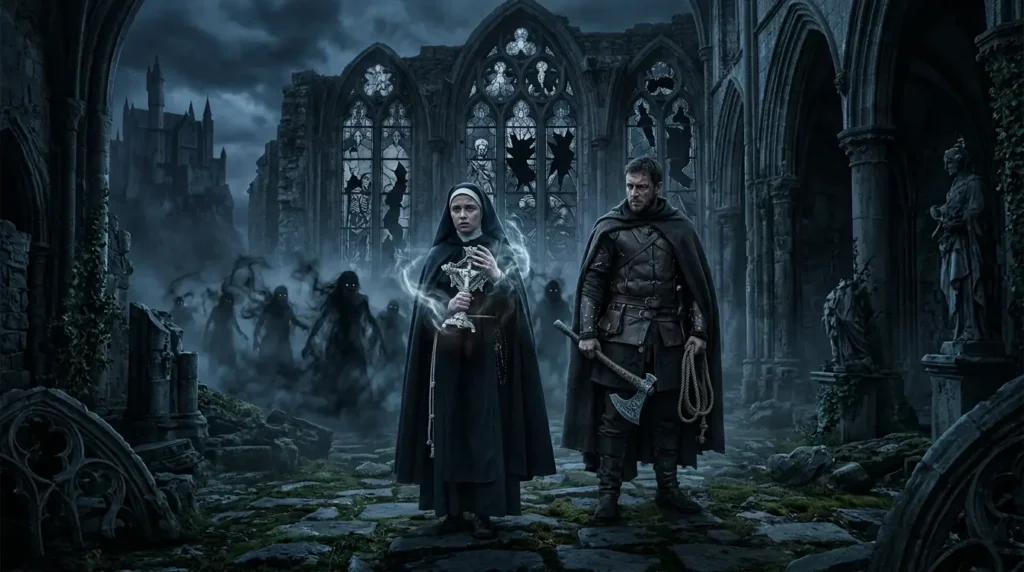
Author: Margaret Rogerson | Central Darkness: Possession, exorcism, and a bond with something dangerous that may not be entirely on her side
Artemisia, a novice sworn to a religious order that prepares the dead for burial, ends up bonding with a powerful, ancient spirit to fight possessed corpses called revenants, and spends the rest of the book unsure whether the entity sharing her body is an ally or simply the lesser danger available to her.
Rogerson builds tension from that uncertainty, keeping the spirit’s motives ambiguous long enough that Artemisia’s own judgment, not a clean moral framework, has to carry the story.
The weakness is a somewhat familiar chosen protector setup in the opening chapters before the spirit bond’s specific complications take over.
The case for this ranking is a tense central relationship carried by a protagonist who never fully trusts the power she’s forced to rely on.
Best for: Readers who want possession and exorcism themed dark fantasy with a protagonist whose most dangerous relationship is the one keeping her alive.
Length: 400 pages | Pacing: Steady, tension building | Horror level: 3/5 | Fantasy level: 4/5 | Gore: Moderate | Romance: Minor | Age range: Adult, also widely read by older teens
The Poppy War
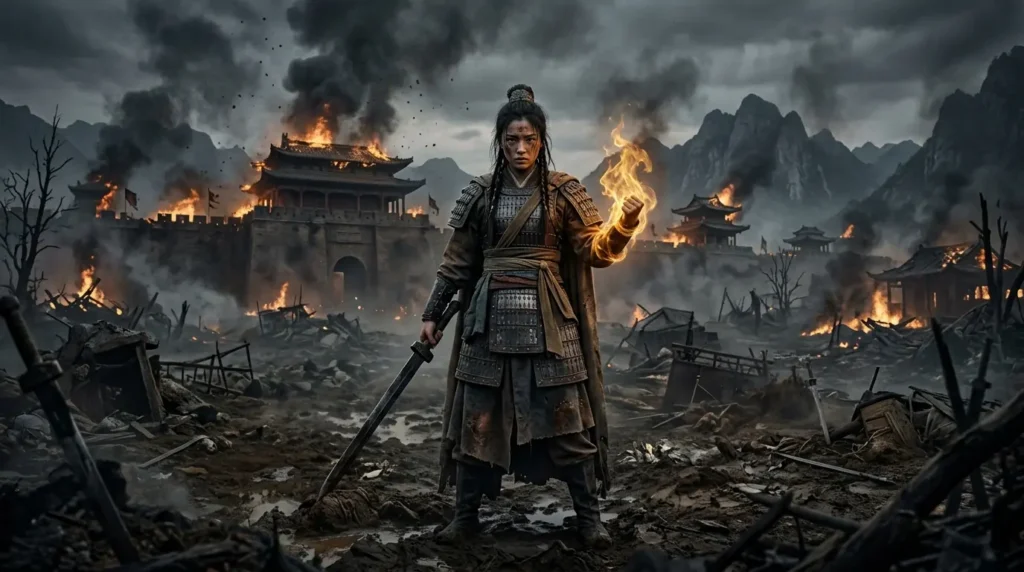
Author: R.F. Kuang | Central Darkness: Historical atrocity and one woman’s descent into becoming an instrument of it
Rin’s rise from war orphan to military academy student to weapon of mass devastation is closely modeled on real twentieth century Chinese history, and Kuang refuses to let any of Rin’s darkest chapters read as entertainment.
Kuang’s achievement is keeping Rin fully, uncomfortably human throughout her own transformation, never allowing the reader the easy comfort of writing her off as simply evil once the atrocities begin.
The weakness is intensity itself. The historically grounded violence in the second half is unflinching by design, and some readers find the closeness to real atrocity difficult to sit with.
The case for this ranking is moral seriousness centered entirely on a woman’s own choices and their real cost, rather than filtering her story through anyone else’s perspective.
Best for: Readers who want a female protagonist’s moral collapse rendered with historical weight rather than softened for sympathy.
Length: 544 pages | Pacing: Escalating, historically grounded | Horror level: 3/5 | Fantasy level: 3/5 | Gore: High | Romance: Minor | Age range: Adult
Uprooted
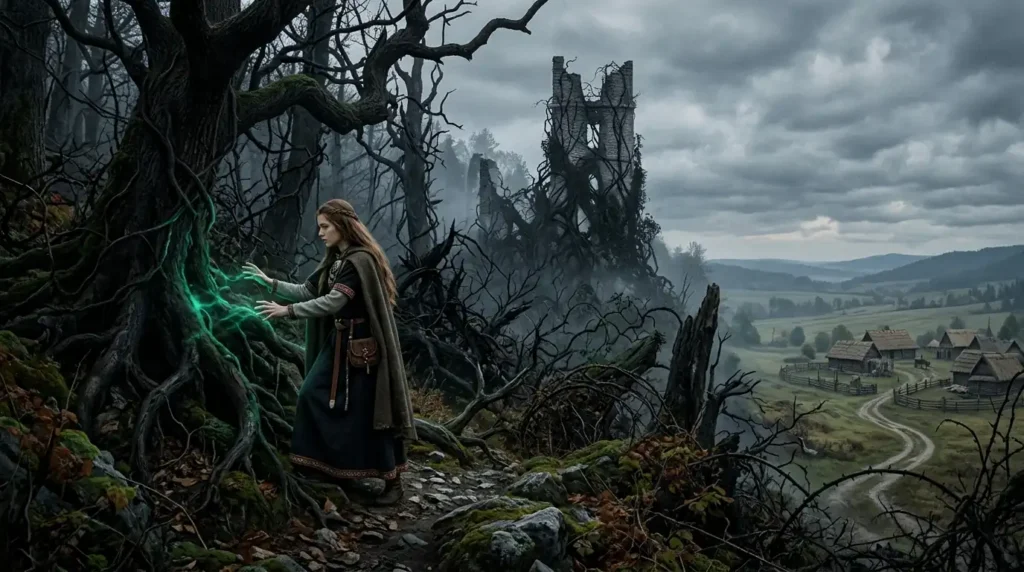
Author: Naomi Novik | Central Darkness: A corrupted, sentient forest and the specific cost of confronting something ancient and hostile
Agnieszka’s conscription into a wizard’s tower service, and her escalating confrontation with the corrupting Wood threatening her valley, gives Novik’s fairy tale structure teeth once the Wood’s nature and history come into focus.
Novik’s magic system, built around intuitive, almost improvisational spellcasting rather than rigid formula, gives Agnieszka’s specific competence real texture distinct from more conventionally trained protagonists.
The weakness is a middle section that shifts tone and setting considerably, which some readers find disrupts the novel’s earlier momentum before it recovers fully in the final stretch.
The case for this ranking is an inventive magic system paired with a protagonist whose growing power stays believable throughout rather than escalating past the story’s own internal logic.
Best for: Readers who want fairy tale structure with a dangerous, ancient antagonist and an intuitive rather than rule bound magic system.
Length: 449 pages | Pacing: Uneven, strong opening and close | Horror level: 2/5 | Fantasy level: 4/5 | Gore: Moderate | Romance: Moderate | Age range: Adult
Gideon the Ninth
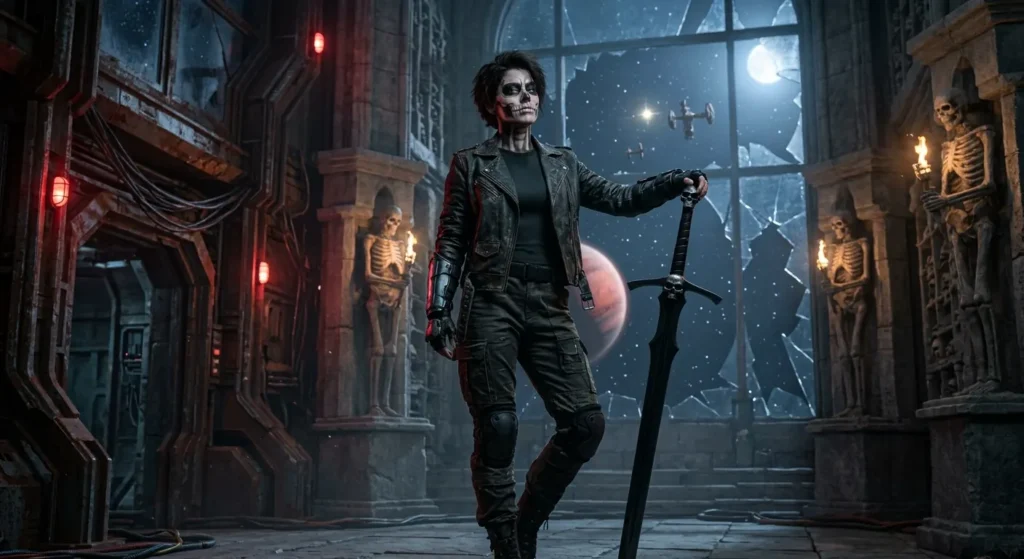
Author: Tamsyn Muir | Central Darkness: Necromancy, death cults, and a hostile found family bond forged under lethal pressure
Gideon’s forced partnership with the necromancer heir she despises, navigating a lethal magical trial inside a decaying, corpse filled mansion, gives this book a tonal register almost nothing else on this list attempts, funny narration wrapped around disturbing necromantic horror.
Muir’s prose voice is the book’s real engine, sardonic and modern feeling against a setting built entirely around death magic and ancient, decaying grandeur.
The weakness is density. The plot’s mystery structure and large cast of similarly named houses can disorient new readers before the pieces click into place.
The case for this ranking is tonal daring that mostly works. Few books attempt this much comedy layered directly over this much horror without one undercutting the other.
Best for: Readers who want necromantic horror delivered with a funny, sharp tongued female narrator.
Length: 448 pages | Pacing: Dense, mystery structured | Horror level: 3/5 | Fantasy level: 4/5 | Gore: Moderate to high | Romance: Minor | Age range: Adult
Piranesi
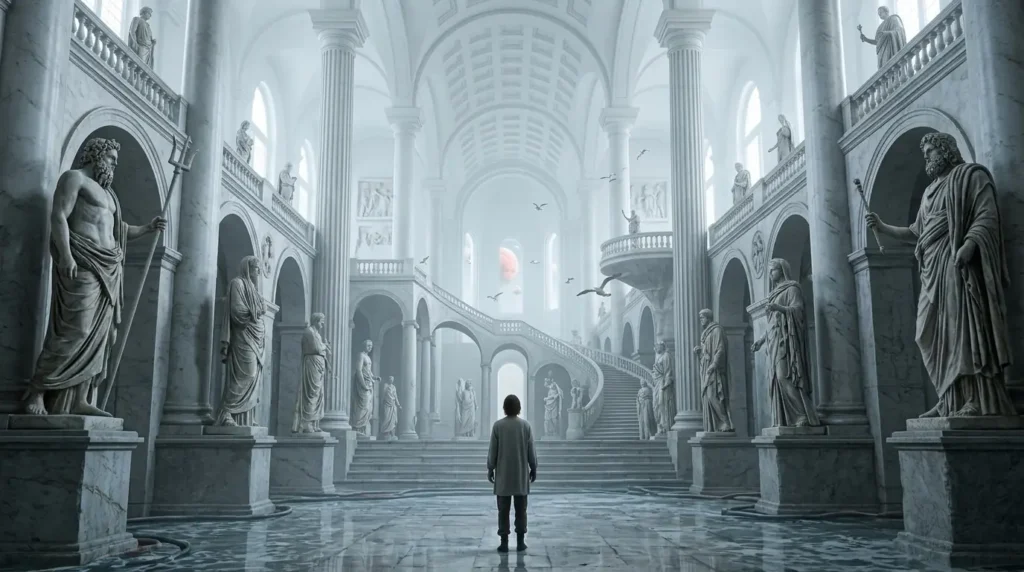
Author: Susanna Clarke | Central Darkness: Isolation, manipulation, and the erosion of a woman’s, and a man’s, sense of self
I want to be direct that Piranesi’s narrator is male, which technically places the book outside this list’s core requirement. What earns its place is Clarke’s handling of the character eventually revealed as central to unraveling the mystery, a woman whose own investigation and resolve drive the novel’s resolution.
Her role in the book’s back half carries real narrative weight, and her persistence is what closes the story’s central mystery rather than the narrator’s own limited understanding managing it alone.
The weakness is that her presence is secondary for much of the book’s length before becoming essential.
The case for this ranking rests on the sheer quality of what Clarke builds once her role clarifies, atmospheric dread resolved through someone else’s determined, external persistence.
Best for: Readers who want dread built entirely from atmosphere, resolved through a woman’s persistence rather than the narrator’s own limited agency.
Length: 272 pages | Pacing: Slow | Horror level: 2/5 | Fantasy level: 3/5 | Gore: None | Romance: None | Age range: Adult
Mexican Gothic
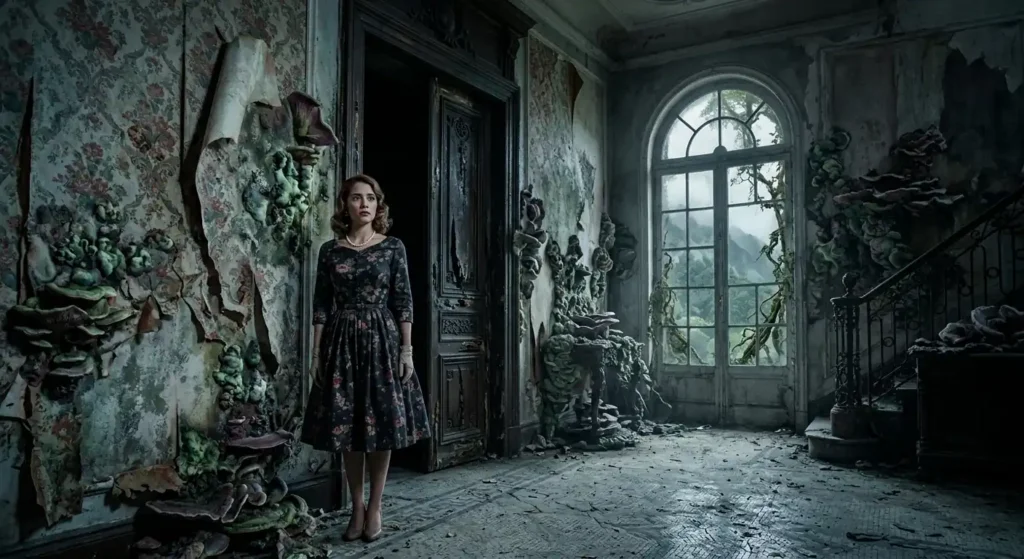
Author: Silvia Moreno-Garcia | Central Darkness: Colonial rot literalized into physical horror inside a family’s decaying estate
Noemí’s investigation into her newly married cousin’s unsettling circumstances at a remote, decaying estate uncovers a family whose colonial era wealth concealed something literally rotten beneath the house itself, and Noemí’s own competence and refusal to leave drive every stage of the unraveling.
Moreno-Garcia grounds classic Gothic convention specifically in Mexican history and the real horror of colonial exploitation, giving familiar tropes new weight.
The weakness is a slower opening that spends real time establishing atmosphere before the more overtly horrific elements arrive.
The case for this ranking is genre renewal centered entirely on a woman’s investigation and endurance, rather than a male protagonist uncovering the horror on her behalf.
Best for: Readers who want classic Gothic atmosphere applied to a specifically Mexican historical setting, led entirely by the woman investigating it.
Length: 320 pages | Pacing: Slow building to fast | Horror level: 4/5 | Fantasy level: 3/5 | Gore: Moderate | Romance: Minor | Age range: Adult
Vicious
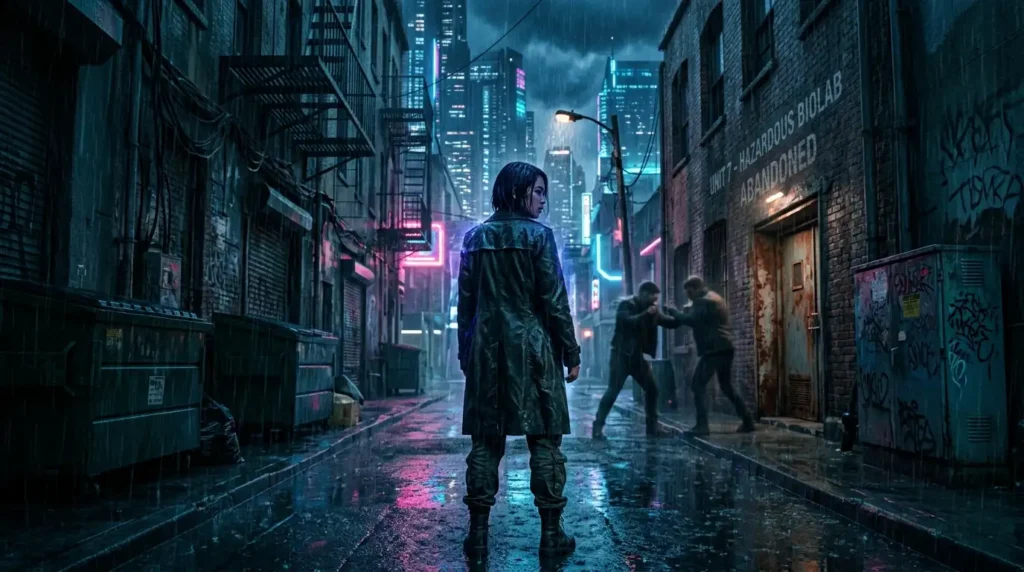
Author: V.E. Schwab | Central Darkness: moral ambiguity, obsession, and a rivalry with no clean side to root for
Though the two central rivals are men, Sydney’s own arc, a young woman with a power she doesn’t fully understand and a, complicated loyalty caught between two dangerous former friends, carries real independent weight and drives several of the book’s most consequential choices.
Schwab builds a superhero adjacent premise with moral murk, refusing to let either side of the central rivalry read as clearly righteous.
The weakness is that Sydney’s role, while significant, sits alongside rather than fully ahead of the two male leads’ central conflict.
The case for this ranking is moral complexity rendered with narrative discipline, and Sydney’s specific arc within it earns real, independent attention.
Best for: Readers who want morally murky power fantasy with at least one pivotal female perspective inside it.
Length: 420 pages | Pacing: Fast, dual timeline | Horror level: 1/5 | Fantasy level: 3/5 | Gore: Moderate | Romance: Minor | Age range: Adult
The Bear and the Nightingale
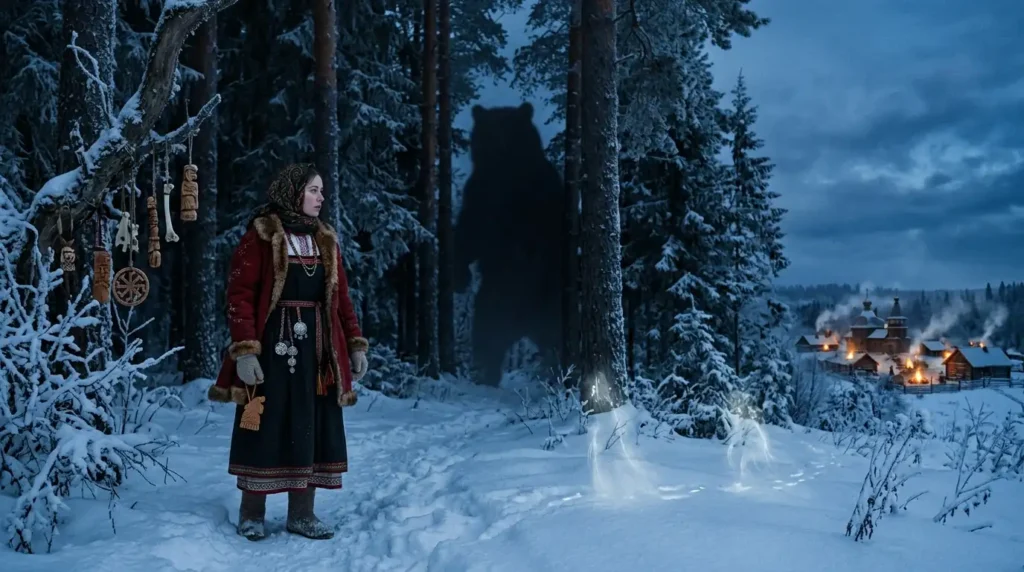
Author: Katherine Arden | Central Darkness: Encroaching religious change erasing older belief, and one girl’s refusal to abandon what she knows is real
Vasya’s ability to see the household and nature spirits her community is being pressured to abandon puts her in direct, escalating conflict with both her own village and the encroaching religious authority determined to root out the old ways entirely.
Arden treats real Slavic folk figures with seriousness, and the cold itself becomes a persistent, almost sentient antagonist throughout.
The weakness is a slower, atmosphere first pacing in the opening stretch that asks real patience before the darker political stakes fully emerge.
The case for this ranking is folkloric grounding centered entirely on a girl whose refusal to disbelieve what she sees drives the entire trilogy forward.
Best for: Readers who want Russian historical grit and real folkloric dread carried by a young woman who refuses to stop seeing what everyone else has been told to ignore.
Length: 456 pages | Pacing: Atmospheric, folklore driven | Horror level: 2/5 | Fantasy level: 4/5 | Gore: Low to moderate | Romance: Minor | Age range: Adult
The Priory of the Orange Tree
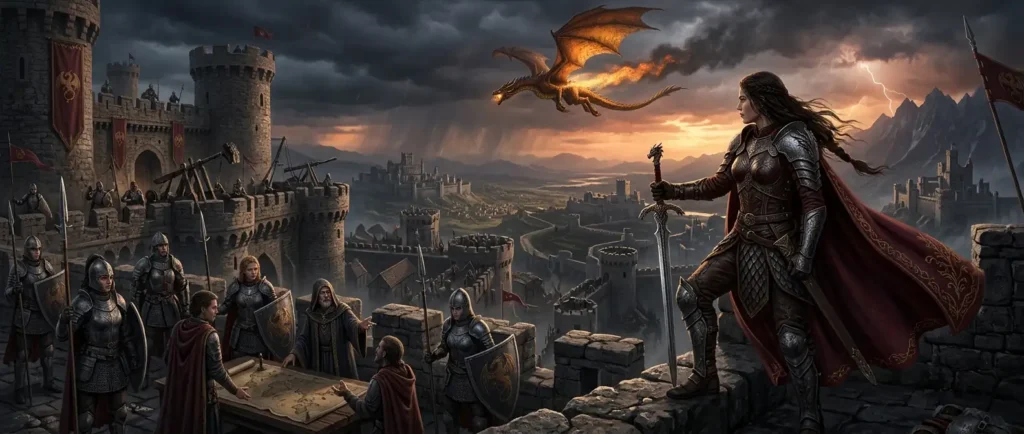
Author: Samantha Shannon | Central Darkness: A world spanning threat and the political weight of women holding power across multiple, colliding kingdoms
Queen Sabran’s political survival, a dragon slaying warrior’s growing purpose, and a mage’s own dangerous investigation run in parallel across a massive, multi perspective epic, with women driving nearly every major thread of consequence throughout.
Shannon builds real political texture across distinct, well differentiated cultures, and the eventual dragon threat gains weight from how carefully its historical buildup gets established beforehand.
The weakness is sheer length and the demands of tracking several substantial storylines at once, which asks real commitment before the full picture connects.
The case for this ranking is scale matched by craft, and a cast where female leadership across multiple kingdoms feels structurally central rather than a single exceptional case.
Best for: Readers who want an epic scale dark fantasy where women hold political and martial power across an entire multi kingdom cast.
Length: 848 pages | Pacing: Sweeping, multi perspective | Horror level: 1/5 | Fantasy level: 4/5 | Gore: Moderate | Romance: Minor | Age range: Adult
Quick Reference Table
| Title | Author | Central Darkness | Fantasy Level |
|---|---|---|---|
| The Buried Giant | Kazuo Ishiguro | Collective forgetting | 3/5 |
| The Fifth Season | N.K. Jemisin | Institutional cruelty | 4/5 |
| Sabriel | Garth Nix | Necromancy and the boundary of death | 4/5 |
| Nettle & Bone | T. Kingfisher | Fairy tale cruelty taken seriously | 4/5 |
| Vespertine | Margaret Rogerson | Possession and exorcism | 4/5 |
| Assassin’s Apprentice | Robin Hobb | Isolation and psychological cost | 3/5 |
| The Poppy War | R.F. Kuang | Historical atrocity | 3/5 |
| Uprooted | Naomi Novik | Corrupted, sentient forest | 4/5 |
| Gideon the Ninth | Tamsyn Muir | Necromancy and death cults | 4/5 |
| Piranesi | Susanna Clarke | Isolation and manipulation | 3/5 |
| Mexican Gothic | Silvia Moreno-Garcia | Colonial rot literalized | 3/5 |
| Vicious | V.E. Schwab | Moral ambiguity and obsession | 3/5 |
| The Bear and the Nightingale | Katherine Arden | Erasure of older belief | 4/5 |
| The Priory of the Orange Tree | Samantha Shannon | World spanning political threat | 4/5 |
Frequently Asked Questions
Which book on this list has the most unambiguously central female protagonist from the very first page?
The Poppy War, Uprooted, Gideon the Ninth, Mexican Gothic, The Bear and the Nightingale, and The Priory of the Orange Tree all open with their female lead already established as the clear narrative center, with no shared or delayed focus.
Which entries required an honest caveat about the protagonist’s gender before qualifying for this list?
Assassin’s Apprentice and Piranesi both required direct acknowledgment that their most famous protagonist is male, with their place here resting instead on a female character whose role becomes central as each story develops.
Which book on this list has the highest horror rating?
Mexican Gothic scores highest at 4 out of 5, followed closely by Gideon the Ninth and The Poppy War at 3 out of 5 each, making these three the strongest picks if you specifically want dread alongside the darkness.
Is there a book here specifically for readers who want epic, multi kingdom scale rather than a single protagonist’s personal journey?
The Priory of the Orange Tree is the clear choice, spanning multiple kingdoms and several major female led storylines simultaneously, offering considerably broader scope than the more personal, single perspective focus most other entries on this list use.
Which book on this list blends the most humor with its darkness?
Gideon the Ninth stands apart here, pairing sardonic, modern feeling narration directly against disturbing necromantic horror, a tonal combination none of the other ten entries attempt in quite the same way.
Final Thoughts
Thirteen books, and a stricter bar than most lists like this apply, real central female agency driving the plot rather than compelling supporting presence orbiting someone else’s arc.
Start with Uprooted if you want an accessible, inventive entry point, or The Fifth Season if you want to see how much structural ambition a genre built around consequence can sustain.
Related Articles
- Grimdark vs Dark Fantasy: Are They One & The Same
- Why Millennials and Gen Z Love Dark Fantasy
- Is Dark Fantasy Horror? Where the Line Actually Falls
- Why Every Great Dark Fantasy Needs a Cursed Kingdom
- Dark Fantasy vs Gothic Fantasy: Where’s the Line?
- 14 Dark Fantasy Books That Don’t Need a Sequel [2026]
- 12 Best Dark Fantasy Books 2026: You Should Never Miss Out
- 13 Dark Fantasy Books That Show No Mercy [2026]
Written by Batin Khan, a curious free spirit who loves reading and exploring the worlds of fantasy, mythology, and ancient stories. Through this blog, Batin hopes to share that sense of wonder with readers while building an exciting future along the way.