
 By
By Quick Takeaways:
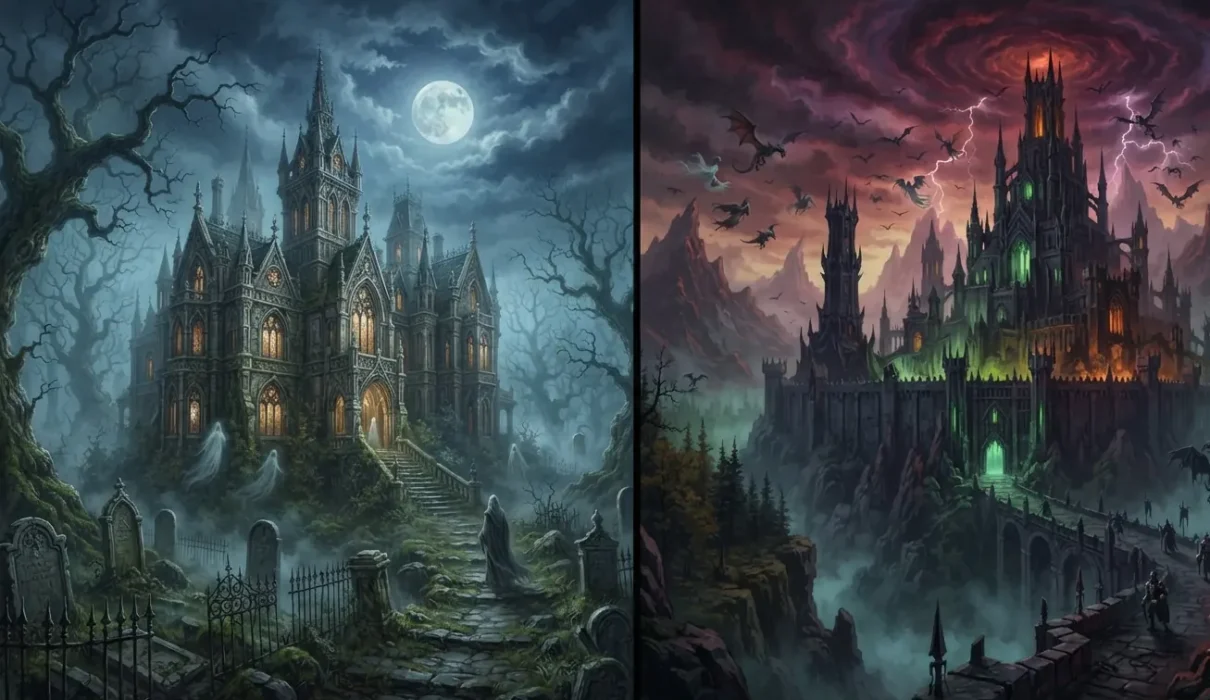
- Dark Fantasy vs Gothic Fantasy – The confusion between these two terms isn’t just casual imprecision. It traces back to a genuine, documented split in how the phrase dark fantasy was first used in publishing during the 1970s and 80s
- Gothic fiction is over two centuries older than dark fantasy as a category, and it started as something quite different from a subgenre of fantasy at all
- Gothic is fundamentally a mood and a specific relationship to the past, inherited guilt, decaying architecture, ambiguous supernatural events. Dark fantasy is fundamentally about whether magic gets to protect anyone from real cost
- You can write something thoroughly Gothic that isn’t especially dark fantasy, and something brutally dark fantasy with no Gothic atmosphere anywhere in it
- The overlap is real and common, which is exactly why it’s worth knowing where the actual line sits
Two different writers get credit for popularizing the phrase dark fantasy, and they weren’t describing the same thing at all. Charles L. Grant used it for quiet, atmospheric horror, stories built around dread and forces beyond human understanding rather than graphic violence, explicitly positioning it as horror’s gentler cousin.
Karl Edward Wagner used it around the same period for his Kane novels, sword and sorcery adventure soaked in genuinely gothic trappings, castles, curses, an immortal antihero cursed by his own god.
That’s the actual root of this confusion. The term itself launched from two different starting points that happened to share a name, and one of those starting points already sounded a lot like Gothic fiction before anyone had sorted out what dark fantasy was supposed to mean on its own.
Gothic Fiction Is Considerably Older Than You’d Think
A Novel Published on Christmas Eve, 1764
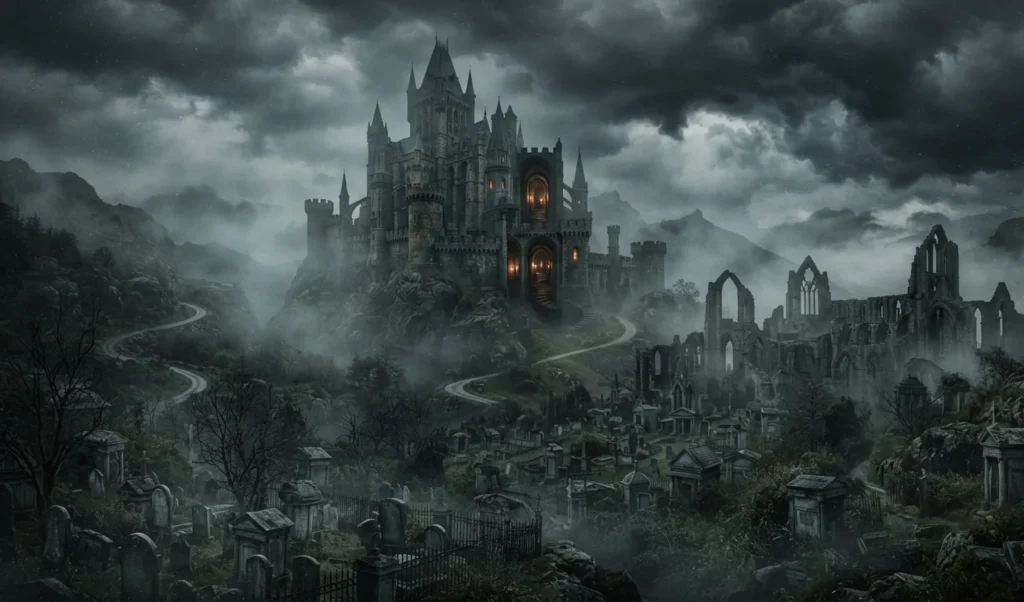
Horace Walpole’s The Castle of Otranto came out anonymously in December 1764, and its author claimed, in the first edition, that he was merely translating an old Italian manuscript. When the book sold well enough for a second printing, Walpole revealed himself as the actual writer and added a subtitle that gave an entire genre its name: A Gothic Story.
The plot itself sets the template almost too neatly. A tyrannical prince, a crushed heir killed by a giant helmet that mysteriously appears from a statue, secret passages, a fulfilled ancient prophecy, and a castle that literally collapses at the story’s end. Walpole wrote in his preface that terror was his principal engine, and everything in the book was built to serve that single effect.
Burke’s Sublime, and Why It Mattered to the Genre’s DNA
Walpole was writing seven years after Edmund Burke published his 1757 essay on the sublime, which argued that genuine aesthetic pleasure could come from feelings that look contradictory on paper, dread mixed with awe, fear mixed with fascination.
A crumbling castle wasn’t just a spooky location under this framework. It was specifically engineered to produce both unease and a kind of reverence simultaneously.
That combination, terror that’s also somehow beautiful, is baked into Gothic fiction from its literal first published example, and it’s a genuinely different emotional target than what most dark fantasy is actually reaching for.
The Split That Happened Almost Immediately
Here’s something worth knowing that most casual definitions skip. Gothic fiction fractured into two distinct approaches within thirty years of Otranto’s publication. Walpole’s supernatural was fully real inside the story, no hedging.
Ann Radcliffe, writing her own hugely influential Gothic novels in the 1790s, developed what’s usually called the explained supernatural, ghostly events that eventually get a rational, non magical explanation once the mystery resolves.
This matters because it means Gothic fiction, from very early on, didn’t require committed fantasy at all. Plenty of its foundational texts are technically ambiguous or outright rational once you reach the final chapter. That’s not a minor footnote. It’s the exact opposite of what a fantasy subgenre needs to be doing.
Dark Fantasy Needs Its Magic to Be Real, and to Cost Something
A Different Kind of Commitment
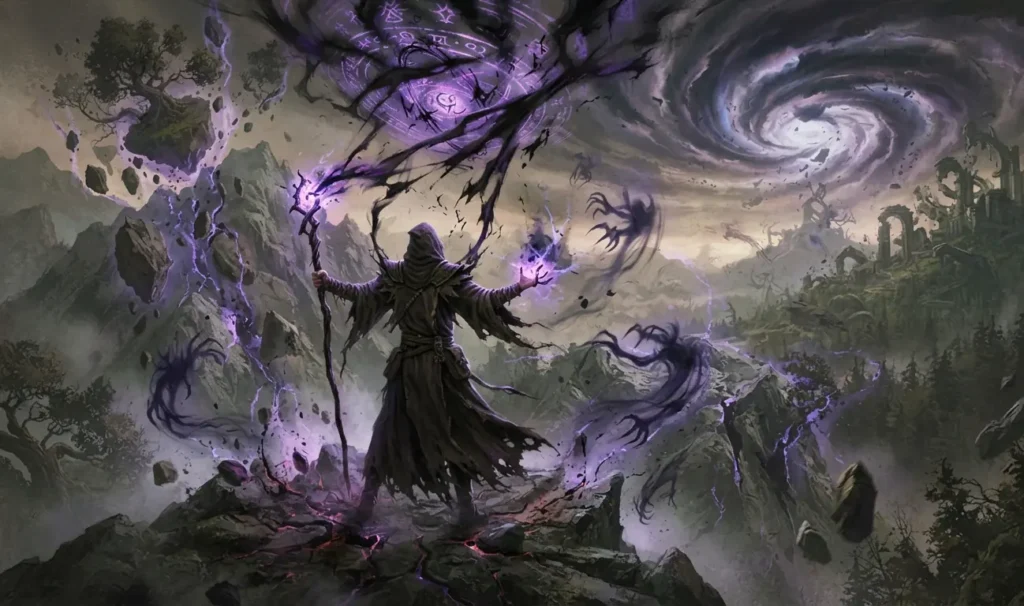
Dark fantasy, whichever founding definition you trace it to, is a subset of fantasy first. That means its supernatural elements aren’t ambiguous or eventually explained away. They’re simply real, part of the established rules of the world, the way any fantasy story needs its magic to be.
What actually distinguishes it from lighter fantasy isn’t that darker things happen. It’s whether the magic itself is allowed to soften what happens. Traditional fantasy often uses its fantastic elements as a kind of cushion, resurrection is possible, prophecy guarantees meaning, a wound heals cleanly because a healer arrives in time.
Dark fantasy generally strips that cushion away on purpose. The magic is real, and it still doesn’t save you from what violence and loss actually cost.
Where This Test Actually Works
Run that test against Joe Abercrombie’s First Law trilogy and it holds up immediately. The magic in that world is scarce and unglamorous, and when characters suffer, nothing fantastical steps in to make the suffering meaningful or reversible. There’s very little Gothic atmosphere here, no ancestral curse, no decaying manor. It’s mostly daylight, battlefields, and taverns.
What makes it dark fantasy is the refusal to let its fantastic elements protect anyone, not the mood.
Where the Two Traditions Actually Overlap
Gormenghast Is Both at Once, Deliberately
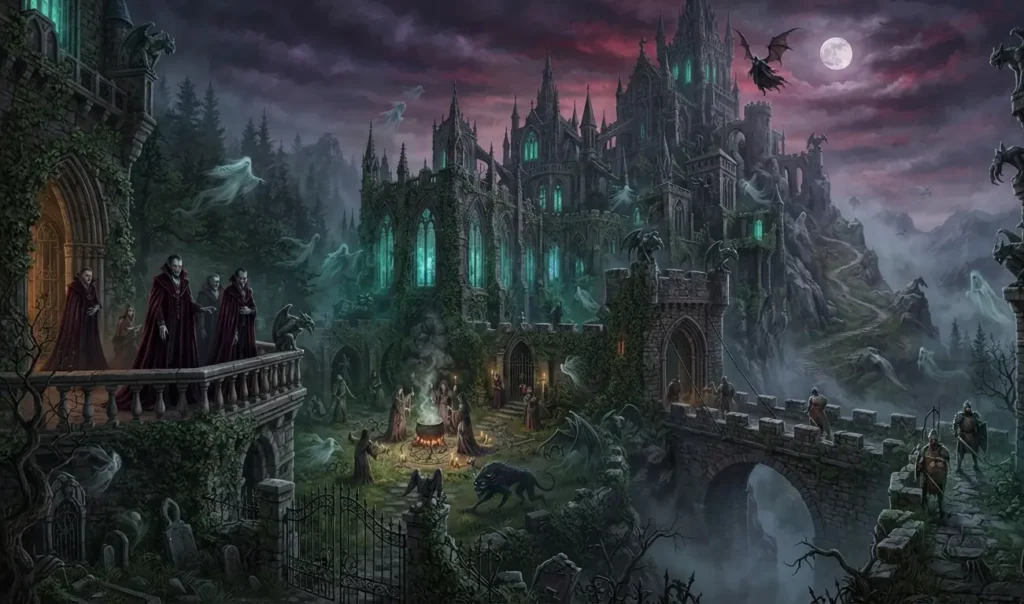
Mervyn Peake’s Gormenghast trilogy is the clearest case I know of a book that’s genuinely both traditions simultaneously rather than borrowing surface trappings from one while belonging structurally to the other.
Castle Gormenghast itself is a decaying, ritual bound ancestral structure so vast that entire families of servants live and die without ever seeing its full extent, and Peake’s prose lingers on architectural decay with exactly the melancholy fascination Burke’s sublime describes.
It’s also genuinely dark fantasy by the definition above. Titus Groan’s entire life is structured by ritual obligations nobody in the story can meaningfully escape, and the narrative doesn’t offer any fantastical rescue from that weight. Gothic atmosphere and dark fantasy consequence, both present, both doing real work, in the same book.
Gothic Without Especially Dark Consequence
Naomi Novik’s Uprooted leans hard into Gothic material, a corrupted, encroaching Wood standing in for the genre’s usual haunted architecture, an isolated tower, a protagonist pulled unwillingly into service by a mysterious, feared figure. The atmosphere is unmistakably Gothic.
But the book’s magic ultimately does protect its characters in ways dark fantasy typically won’t allow. Growth, healing, and a genuinely hopeful resolution are all available by the end, which places it closer to Gothic flavored fantasy than to dark fantasy in the structural sense this article is using.
The Honest Counterargument
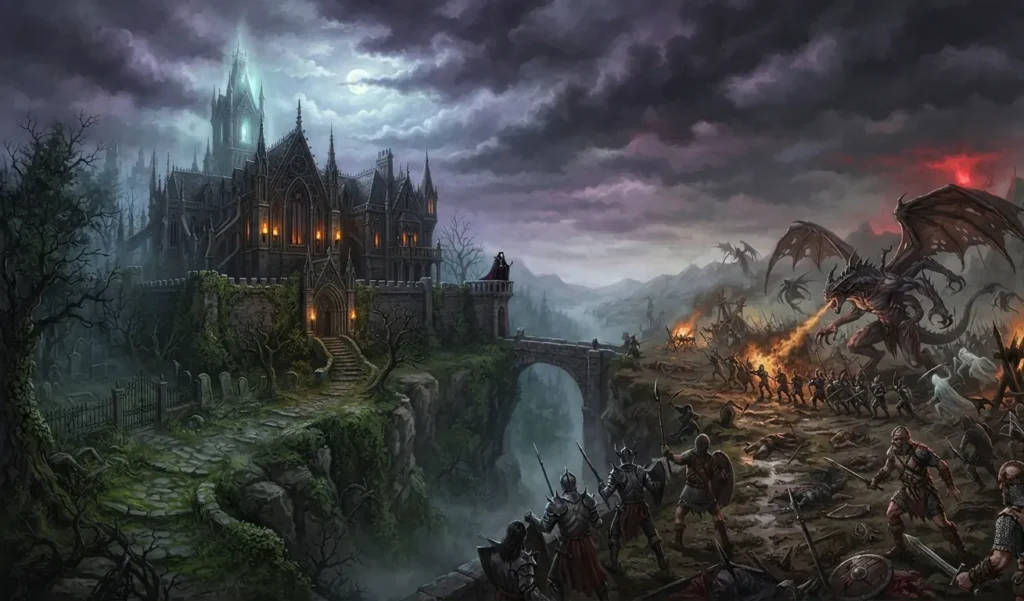
I want to take seriously the objection that this whole distinction might be more trouble than it’s worth, since so much of the genre’s best work sits comfortably in both categories at once. If Gormenghast satisfies both definitions equally well, what’s actually gained by keeping the terms separate rather than just letting dark fantasy absorb Gothic as one of its common flavors?
I think the answer is that the distinction protects you from two specific, real mismatches. A reader drawn to Gothic atmosphere specifically, decay, inherited dread, architecture as a character, can pick up something correctly labeled dark fantasy and get brutal battlefield violence with none of the mood they actually wanted.
A reader who wants dark fantasy’s structural refusal to let magic soften consequence can pick up something Gothic flavored and find a story that’s atmospherically unsettling right up until a genuinely redemptive, protective ending arrives. Both readers were technically shopping in the right general aisle. Neither got what they were actually looking for.
A Quick Way to Tell Them Apart
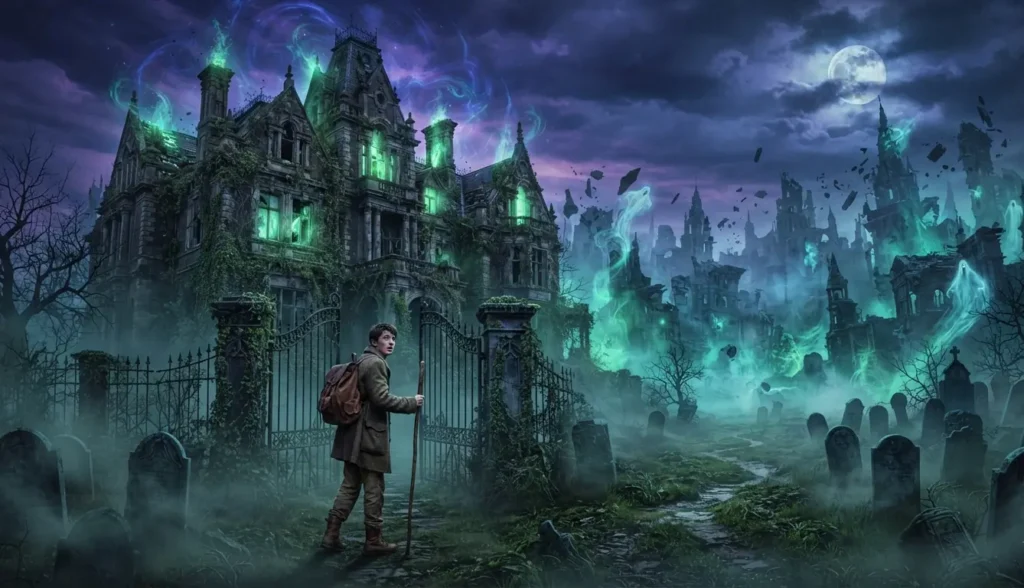
Ask two separate questions rather than one. Does the story lean on decaying architecture, inherited guilt, or ambiguous dread as its primary mood, that’s the Gothic question. Does the story’s magic actually protect its characters from real cost, or does it let the cost land anyway, that’s the dark fantasy question.
A story can answer yes to the first and no to the second, Uprooted. Yes to the second and barely engage the first at all, most of Abercrombie. Or yes to both simultaneously, Gormenghast, Piranesi in places, the better entries in Katherine Arden’s Winternight trilogy.
Neither answer makes a book better than the other. They’re just different tools doing different jobs, and knowing which one a given story is actually reaching for saves you the specific disappointment of getting the wrong one.
Frequently Asked Questions
Did Karl Edward Wagner and Charles L. Grant actually agree on what dark fantasy meant?
No, and that disagreement is part of why the term stayed genuinely contested for years afterward. Grant used it for quiet, atmospheric horror close to what most readers would now call Gothic. Wagner used it for gothic flavored sword and sorcery adventure, a considerably more action oriented tradition.
Is Frankenstein considered Gothic fantasy or something else?
Mary Shelley’s novel is generally classified as Gothic fiction with early science fiction elements rather than fantasy specifically, since its central premise rests on scientific reanimation rather than magic. It’s frequently cited as a bridge text between Gothic tradition and later speculative genres.
What is the explained supernatural technique in Gothic fiction?
A narrative approach, closely associated with Ann Radcliffe’s novels of the 1790s, where seemingly supernatural events eventually receive a rational, non magical explanation by the story’s end. It stands in direct contrast to writers like Walpole, whose supernatural elements remain genuinely real throughout.
Can horror be Gothic without being dark fantasy at all?
Yes, and this is common. Gothic horror with no committed magical world, ambiguous hauntings, psychological dread, unreliable narration, can be fully Gothic while never actually functioning as fantasy, since fantasy requires the story’s supernatural elements to be genuinely, consistently real within its own rules.
Does every dark fantasy novel need at least some Gothic influence to work?
No. Plenty of dark fantasy draws its atmosphere from entirely different sources, war narrative, political thriller, straightforward adventure fiction, without any Gothic architecture or inherited curse anywhere in it. Gothic mood is a common flavor within the category, not a requirement of it.
Final Thoughts
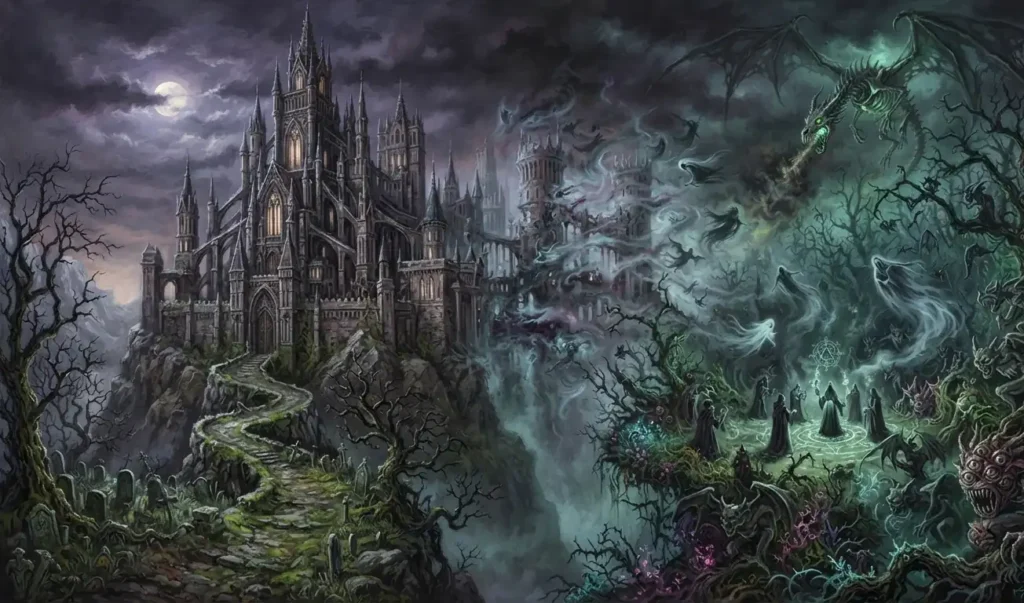
Two writers, two different definitions, one shared name, and over two centuries of Gothic tradition already established before dark fantasy needed to borrow anything from it at all. The overlap between these categories is real and worth enjoying wherever a book earns both labels honestly.
Just don’t let the overlap convince you they’re actually the same question, because they’re not, and knowing the difference is the fastest way to end up with the book you actually wanted.
Related Articles
- Grimdark vs Dark Fantasy: Are They One & The Same
- 12 Best Dark Fantasy Books 2026: You Should Never Miss Out
- How to Build a Dark Fantasy World That Actually Disturbs
- How Norse & Greek Mythology Built Modern Dark Fantasy
- 14 Dark Fantasy Books That Don’t Need a Sequel [2026]
- How Dark Fantasy Creates Dread Without Horror’s Tricks
- 7 Dark Fantasy Tropes That Make The Genre Work
- 7 Character Archetypes Every Dark Fantasy Needs
Sources & Further Reading
- Horace Walpole, The Castle of Otranto (1764)
- Edmund Burke, A Philosophical Enquiry into the Origin of Our Ideas of the Sublime and Beautiful (1757)
- Ann Radcliffe, The Mysteries of Udolpho (1794)
- Mary Shelley, Frankenstein (1818)
- Mervyn Peake, Titus Groan / Gormenghast
- Charles L. Grant’s Shadows
- Karl Edward Wagner’s Kane stories
- The Cambridge Companion to Gothic Fiction
- David Punter, The Literature of Terror
- Brian Stableford – The A to Z of Fantasy Literature
- The Encyclopedia of Fantasy – John Grant, John Clute