
 By
By Key Takeaways:
- Dark fantasy is fantasy fiction that denies its own magic the power to protect characters from real, lasting cost, which is a more specific and more useful definition than simply darker themes or more violence
- The term itself has a genuinely contested origin. Two different writers, Charles L. Grant and Karl Edward Wagner, popularized dark fantasy in the 1970s and 80s to describe two meaningfully different things
- The genre’s actual roots run through Gothic fiction, Poe, and the pulp magazine Weird Tales decades before anyone used the phrase dark fantasy at all
- A genuine complication exists in this definition, and Gene Wolfe’s Book of the New Sun is the clearest case that doesn’t fit it cleanly, which is worth working through honestly rather than smoothing over
- A short, curated list of starting points closes this out, organized by what kind of darkness each one actually delivers
Most definitions of dark fantasy you’ll find online say something like fantasy with darker themes, which is true and almost useless, the same way saying a thriller has more tension than other books is true and useless. I want to give you a definition specific enough to actually distinguish a book, and then walk through where the whole category came from and where it’s been pointing since.
A Working Definition
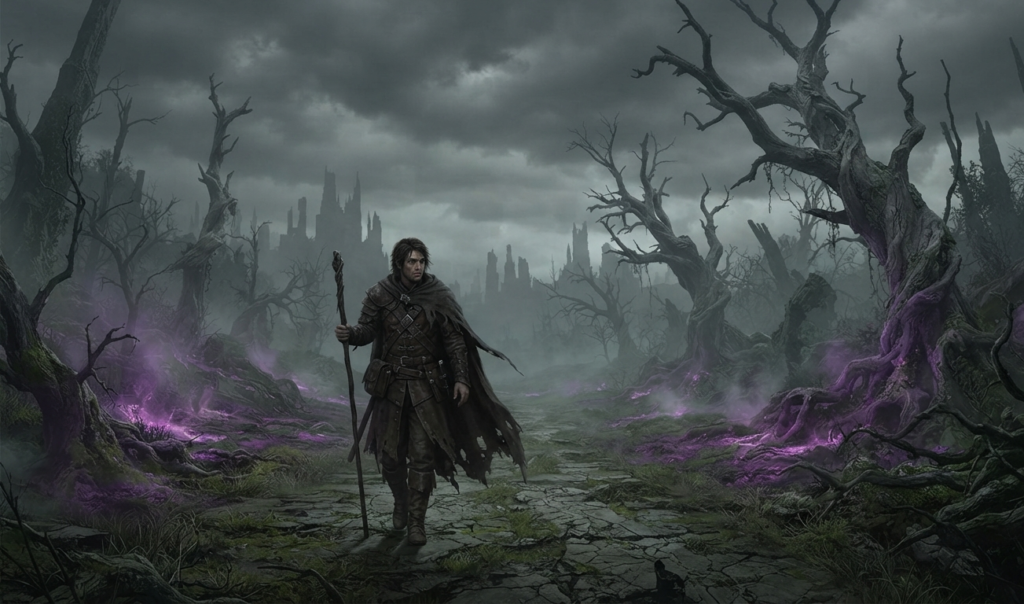
Here’s the version I actually use. Dark fantasy is fantasy fiction in which the magic, gods, or supernatural forces present in the world are specifically not permitted to protect characters from what violence, loss, and time genuinely cost. The fantastic elements are real.
They simply don’t function as a safety net the way they often do in more traditional fantasy, where resurrection is possible, prophecy guarantees meaning, or a wound heals cleanly because a healer happened to arrive in time.
That distinction matters more than raw content. A book can be graphically violent without being dark fantasy in this sense, if its magic still ultimately rescues its characters from the consequences of that violence. And a comparatively quiet book can qualify if its fantastic elements consistently refuse to soften what happens to the people living inside them.
Where the Term Actually Came From

Gothic Roots, Briefly
Dark fantasy’s atmospheric ancestor is Gothic fiction, launched by Horace Walpole’s The Castle of Otranto in 1764. The novel brought together haunted architecture, ancestral curses, supernatural intrusion, and a deliberate sense of terror and decay elements that would echo through the darker branches of fantasy long after Walpole.
I’ve written a separate piece on this lineage, where I look more closely at Dark fantasy and Gothic fantasy and where the two actually diverge. They overlap heavily, but they aren’t interchangeable: Gothic is built around a particular atmosphere and relationship with the past, while dark fantasy is a broader category that can draw on Gothic horror without being Gothic itself.
The short version worth keeping here is that Gothic gave the wider tradition its mood, dread mixed with a strange kind of awe, well over a century before dark fantasy existed as a labeled category.
Poe, and the Pulp Era That Followed
Edgar Allan Poe’s short fiction in the mid nineteenth century pushed Gothic material toward psychological interiority and unreliable narration, techniques that show up constantly in later dark fantasy.
Then, in the 1920s through 1950s, the pulp magazine Weird Tales gave the tradition its next major home, publishing Robert E. Howard’s Conan stories, H.P. Lovecraft’s cosmic horror, and Clark Ashton Smith’s work, often within the same issues.
Smith specifically deserves more credit than he usually gets here. His Zothique and Averoigne story cycles move fluidly between adventure fiction and genuine cosmic dread within a single body of work, sometimes within a single story, which makes him one of the clearest early examples of a writer working directly in the space dark fantasy would later formalize as its own category.
The Actual Coining, and Its Contested Origin
Two writers get real credit for popularizing dark fantasy as a term in the 1970s and 80s, and they meant different things by it. Charles L. Grant used it for quiet, atmospheric horror built around dread and forces beyond human understanding, deliberately positioned as an alternative to graphic horror.
Karl Edward Wagner used it around the same period for his Kane novels, sword and sorcery adventure carrying genuine Gothic weight, an immortal antihero cursed by his own god, castles, generational ruin.
Karl Edward Wagner later said that, while discussing his Kane stories with editor Gary Hoppenstand, he described them as “dark fantasy” and that he had coined the term.
That split is the real reason the term has always felt slightly unstable. It launched from two different points that happened to share a name before anyone had fully agreed what dark fantasy was supposed to mean on its own.
The Grimdark Wave
The word grimdark entered fantasy criticism later, borrowed from Warhammer 40,000’s 1987 tagline describing a universe where there is only war, and it got attached specifically to fantasy that deconstructs heroic convention, denies clean victories, and treats institutional authority as compromised by default.
Joe Abercrombie’s The Blade Itself in 2006 and R. Scott Bakker’s The Darkness That Comes Before in 2004 are usually cited as the wave that brought this specific, harder edged version of dark fantasy into mainstream commercial success.
Grimdark and dark fantasy overlap enormously without being identical, a distinction I’ve covered in more depth on this blog, but it’s worth knowing as its own moment in this history rather than treating it as simply dark fantasy’s natural next chapter.
Where It Sits Now
Contemporary dark fantasy has expanded well beyond its grimdark peak, with writers like R.F. Kuang bringing historical atrocity and genuine political weight into the tradition, and a growing wave of dark romantic fantasy borrowing the genre’s refusal of easy comfort while centering relationship stakes alongside violence.
The category keeps absorbing new material without losing its core commitment, magic that doesn’t rescue you from cost.
What Actually Makes This Definition Useful
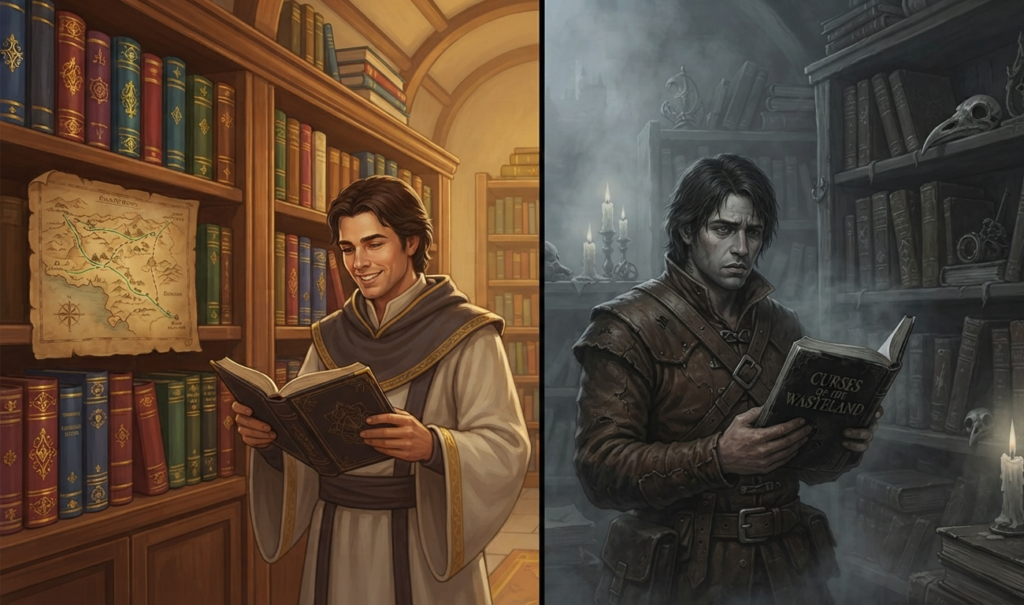
Take Joe Abercrombie’s First Law trilogy against this test and it holds cleanly. The magic in that world is scarce, unglamorous, and never arrives to fix what violence has already done to a character. Logen Ninefingers doesn’t get a fantastical escape from what he’s become. The story simply lets it sit there.
Compare that to something like a standard chosen one narrative where prophecy guarantees the protagonist’s importance and a late stage resurrection undoes an earlier tragic death. Both books can be violent. Only one of them is denying its fantastic elements the power to protect anyone from that violence’s real weight, and that denial is the actual mechanism doing the work, not the body count.
Where This Definition Genuinely Struggles
I want to be honest about a real complication rather than pretend this framework covers everything cleanly. Gene Wolfe’s The Book of the New Sun is widely and correctly considered dark fantasy, and its darkness barely runs through the mechanism described above at all.
Severian, the narrator, is a torturer by profession, and the book’s actual unease comes from his own unreliable narration, his claimed perfect memory that the careful reader can catch lying or omitting, and a sustained epistemological dread about whether you can trust anything he’s telling you.
Magic protecting or failing to protect characters from cost isn’t really the engine here. The engine is trust itself breaking down.
The unease in The Book of the New Sun stems partly from the instability of Severian’s account: his memory, perception, and narration continually prompt the reader to question how much of what he tells us can be trusted. This is part of the elaborate reader manipulation that Peter Wright examines in Attending Daedalus.
So the honest version of this definition needs a second branch. Some dark fantasy earns the label through consequence, denying its magic the power to soften what happens. Some earns it through epistemology, denying the reader stable trust in what they’re even being told happened.
Wolfe’s book runs almost entirely on the second branch. Abercrombie’s runs almost entirely on the first. Most dark fantasy sits somewhere between the two rather than picking one exclusively.
The Traits That Show Up Most Consistently
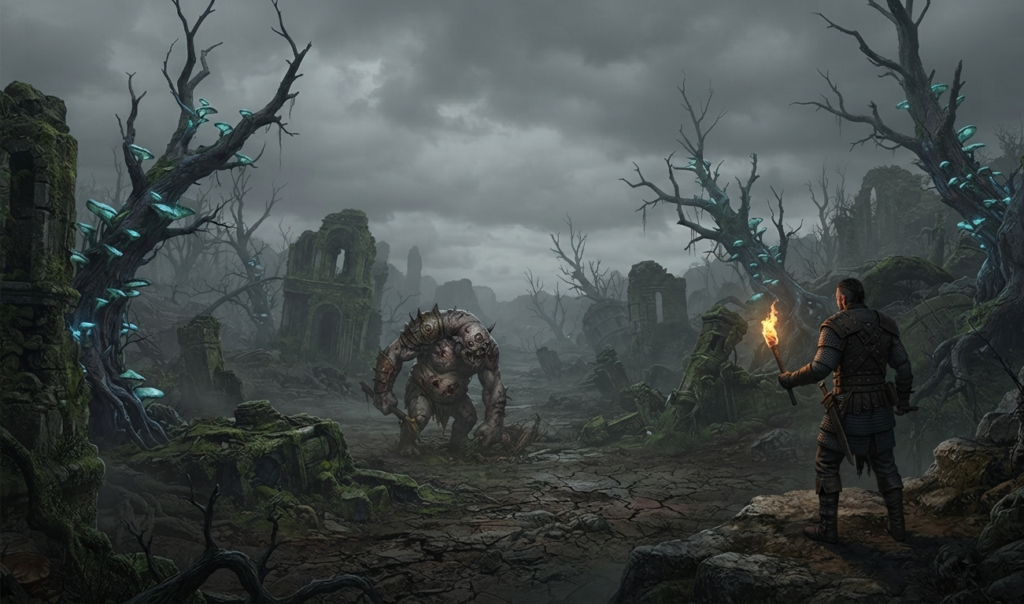
Pulling from everything above, here’s what tends to recur across dark fantasy regardless of which branch a given book leans toward.
Morally complex protagonists whose choices carry genuine weight rather than existing purely to demonstrate a predetermined heroism.
Consequence that sticks, injuries, deaths, and losses that aren’t quietly undone by a convenient later spell or revelation.
Institutions treated with suspicion, kingdoms, churches, and orders of knighthood that turn out to deserve less trust than characters initially extend them.
Atmosphere borrowed from horror, dread, decay, and unease used deliberately even in books without a single supernatural monster.
A refusal of easy resolution, endings that resist clean, uncomplicated triumph even when the protagonist technically survives.
None of these need to appear all at once in a single book. A story missing two or three of these can still qualify strongly on the strength of the others.
Where to Actually Start
| Book | Type of darkness | Why it fits | What to expect |
|---|---|---|---|
| The Blade Itself | Consequence | Violence has lasting consequences | Cynical, character-driven |
| The Shadow of the Torturer | Epistemological | Narrator cannot be taken at face value | Dense, mysterious |
| The Poppy War | Historical | Fantasy intersects with historical atrocity | Extremely bleak |
| Piranesi | Psychological/atmospheric | Unease without conventional grimness | Quiet, strange |
| Zothique | Weird/cosmic | Pulp fantasy + horror | Episodic, grotesque |
For the consequence branch: Joe Abercrombie’s The Blade Itself remains the clearest, most accessible entry point for magic that refuses to protect anyone from what it costs.
For the epistemological branch: Gene Wolfe’s The Shadow of the Torturer, the opening volume of The Book of the New Sun, if you want dread built from narrative distrust rather than battlefield stakes.
For historical weight: R.F. Kuang’s The Poppy War, which grounds its darkest material in real historical atrocity rather than invented cruelty for its own sake.
For atmosphere over violence: Susanna Clarke’s Piranesi, quieter and stranger than most entries here, proving the genre doesn’t require battlefields to earn its unease.
For the genre’s oldest surviving voice: Clark Ashton Smith’s Zothique stories, if you want to hear the pulp era version of this same tension between adventure and genuine cosmic dread firsthand.
Frequently Asked Questions
Is dark fantasy the same thing as low fantasy?
No. Low fantasy describes how much magic exists in a world, sparse rather than pervasive. Dark fantasy describes what that magic is permitted to do for its characters. A high magic world can still be dark fantasy if its abundant magic still fails to protect anyone from real cost.
Did Weird Tales magazine ever officially use the term dark fantasy?
No, the magazine ran from 1923 to 1954, decades before dark fantasy became a recognized publishing category in the 1970s and 80s. Its influence on the genre is retroactive, shaping the tradition dark fantasy would later formalize rather than using the label itself.
Why do Charles L. Grant and Karl Edward Wagner get different credit for the term?
Grant used dark fantasy specifically for quiet, atmospheric horror close to what’s now often called Gothic fiction. Wagner used it for his own gothic tinged sword and sorcery. Both usages circulated in the same era, which is why the term’s founding meaning has never fully settled.
Is Frankenstein an early example of dark fantasy?
Most scholars classify it as Gothic fiction with early science fiction elements rather than fantasy proper, since its central premise rests on scientific reanimation rather than magic. It’s frequently cited as influential on later dark fantasy without being considered part of the category itself.
Does dark fantasy require a body count to qualify?
No. Piranesi and large stretches of The Book of the New Sun contain relatively little direct violence and still qualify strongly, since the genre’s actual requirement is refusing easy comfort or stable trust, not a minimum quota of on page deaths.
Final Thoughts
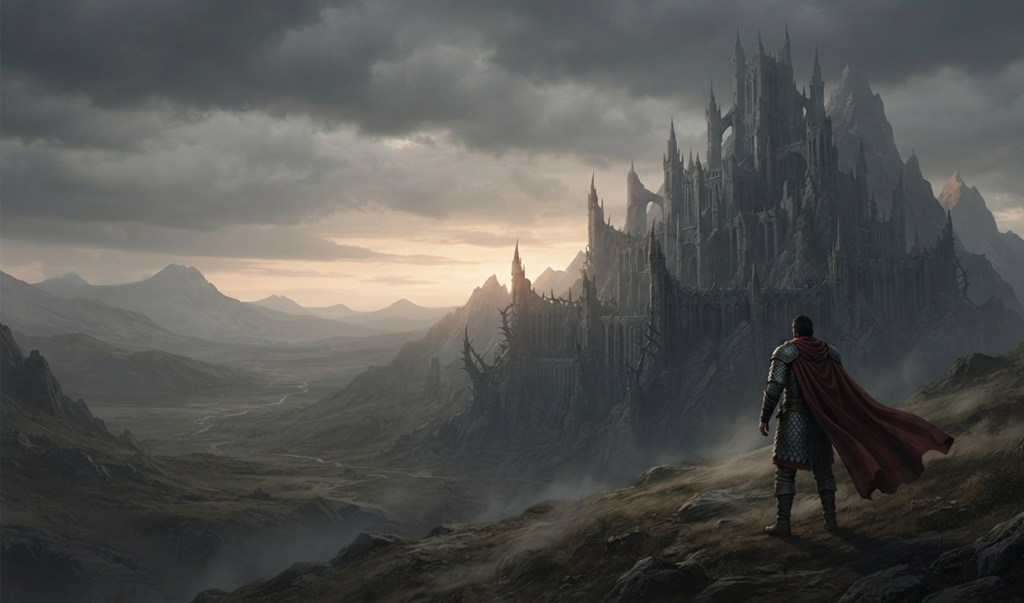
Two competing definitions from the writers who coined the term. A lineage running back through Poe and a haunted castle from 1764. A genuine complication in Gene Wolfe’s work that no tidy single mechanism fully explains. That’s dark fantasy honestly accounted for, messier than a one line definition suggests and considerably more interesting for it.
I keep two separate shelves in my head for this genre now, consequence on one side, epistemology on the other, and most days I still can’t tell you in advance which one I’m actually in the mood for until I’ve already picked the book up.
Related Articles
- Grimdark vs Dark Fantasy: Are They One & The Same
- 12 Best Dark Fantasy Books 2026: You Should Never Miss Out
- Why Every Great Dark Fantasy Needs a Cursed Kingdom
- How Norse & Greek Mythology Built Modern Dark Fantasy
- 14 Dark Fantasy Books That Don’t Need a Sequel [2026]
- 7 Dark Fantasy Tropes That Make The Genre Work
- 7 Character Archetypes Every Dark Fantasy Needs
- Good VS Evil: Does Dark Fantasy Picks a Side
Sources & Further Reading
- Karl Edward Wagner – The Last Interview
- Horace Walpole, The Castle of Otranto (1764)
- The Complete Book of the New Sun – Gene Wolfe
- Charles L. Grant’s Shadows
- Karl Edward Wagner’s Kane stories
- The Encyclopedia of Fantasy – John Grant, John Clute
- Peter Wright – Attending Daedalus: Gene Wolfe, Artifice and the Reader
- Lovecraft, H. P., and Robert E. Howard. A Means to Freedom: The Letters of H. P. Lovecraft and Robert E. Howard.
- Warhammer 40,000: Rogue Trader
- Poe’s Complete Works – The Poe Museum
Written by Batin Khan, a curious free spirit who loves reading and exploring the worlds of fantasy, mythology, and ancient stories. Through this blog, Batin hopes to share that sense of wonder with readers while building an exciting future along the way.