 By
By Quick Takeaways:
- Cultivation World structure and cultivation realm are two different things that new readers frequently mix up. One is the map. The other is a character’s personal power level on that map.
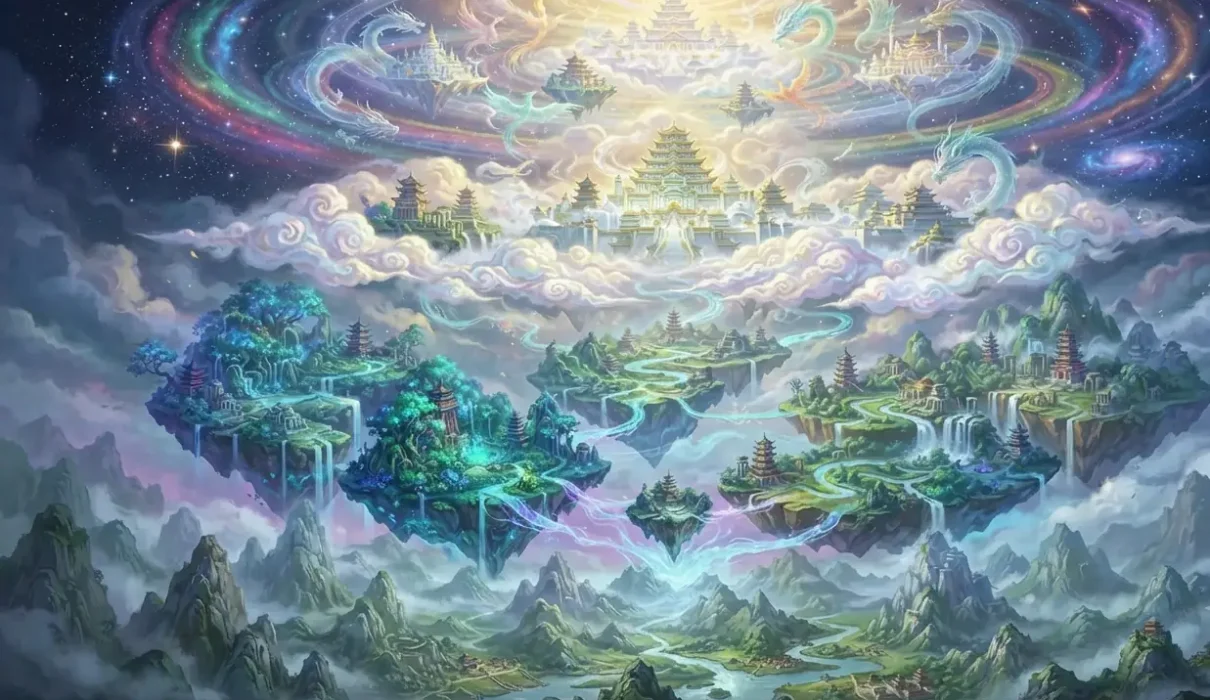
- Most cultivation novels like Stellar Transformations use some version of a three tier cosmology: Mortal Realm, a middle Spirit or Immortal Realm, and a Divine or Celestial Realm at the top
- Qi density is usually the actual mechanism explaining why a mortal world can only support cultivators up to a certain point before they need to leave it entirely
- This structure draws directly on real Chinese cosmological frameworks, including the Three Realms of folk religion and the tiered heavens of Daoist and Buddhist thought
- Understanding this map explains one of the genre’s most satisfying and most common plot beats, the strongest person in the world turning out to be nothing once they finally leave it
I mixed these two concepts up for embarrassingly long when I first started reading cultivation fiction. A character’s cultivation realm, Foundation Establishment, Core Formation, and so on, told me how strong they personally were.
But novels kept talking about a completely separate thing, the Mortal Realm, the Immortal Realm, the Divine Realm, and for a while I genuinely thought these were just more advanced versions of the same personal ranking system.
They’re not. One is a character’s power level. The other is an actual map of the universe that character lives inside. Once that distinction clicked for me, an enormous amount of cultivation fiction’s larger plot structure suddenly made sense.
Two Different Things Wearing Similar Names
Personal Realm Versus World Realm
A character’s cultivation realm measures their individual accumulated power and refinement. I’ve already covered cultivation realms on my cultivation stages guide on this blog. World realm, or world structure, refers instead to which actual plane of existence that character is currently standing in, a genuinely separate layer of the cosmology entirely.
You can be an extremely high level cultivator by every personal measure available and still be stuck in a lower world realm that simply cannot support anything beyond a certain ceiling. That specific mismatch, personally exceptional but cosmically trapped, is one of the genre’s most reliable sources of tension.
The Mortal Realm: Where Almost Everyone Starts
Thin Qi, Low Ceiling
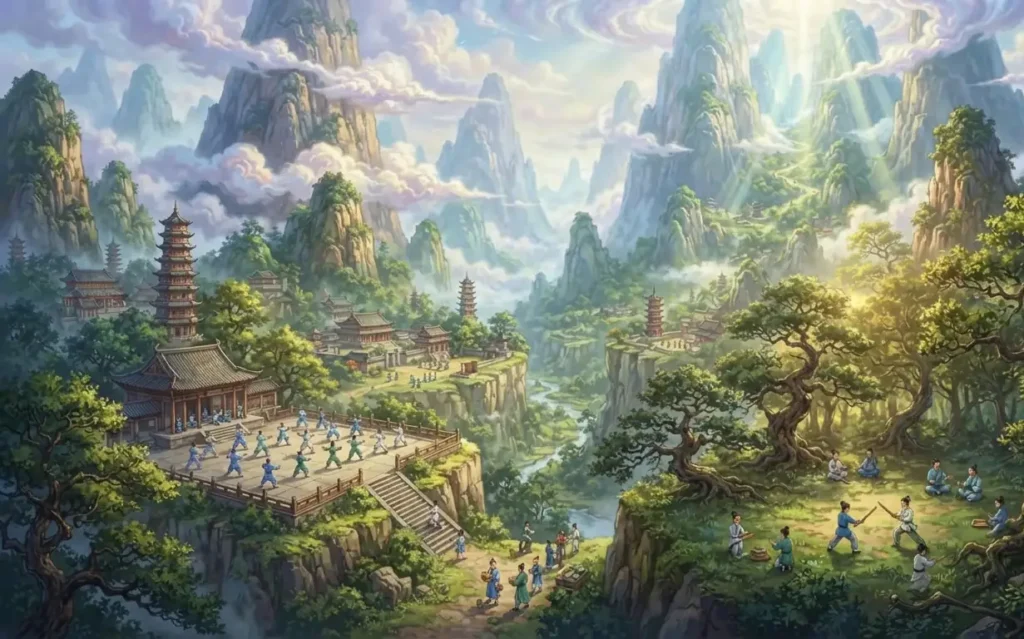
The Mortal Realm is the baseline world most cultivation protagonists begin their journey in, and its defining feature is usually qi scarcity.
Ambient spiritual energy here is thin and slow to regenerate compared to higher realms, which caps how far anyone can cultivate no matter how talented or determined they are, simply because the raw material to advance further genuinely isn’t available in sufficient quantity.
This scarcity is doing real narrative work rather than just flavoring the setting. It gives protagonists an obvious, almost inevitable next goal beyond individual power, they eventually need to leave the Mortal Realm entirely, because staying means hitting a hard structural ceiling regardless of skill.
The Big Fish Small Pond Reveal
This setup produces one of the genre’s most consistently satisfying plot beats. A character who dominates their entire Mortal Realm, feared and respected across every sect and nation within it, arrives in the next realm up and discovers that their absolute peak barely registers as a starting point among the locals there.
I’ve read this specific reveal executed dozens of times across different novels like Martial World, and it genuinely still works on me almost every time, because it’s structurally honest rather than a cheap gotcha. The Mortal Realm was never lying about how strong that character was within it. It was just a much smaller pond than the character had any way of knowing.
The Middle Realm: Immortal or Spirit Territory
Richer Qi, Bigger Players
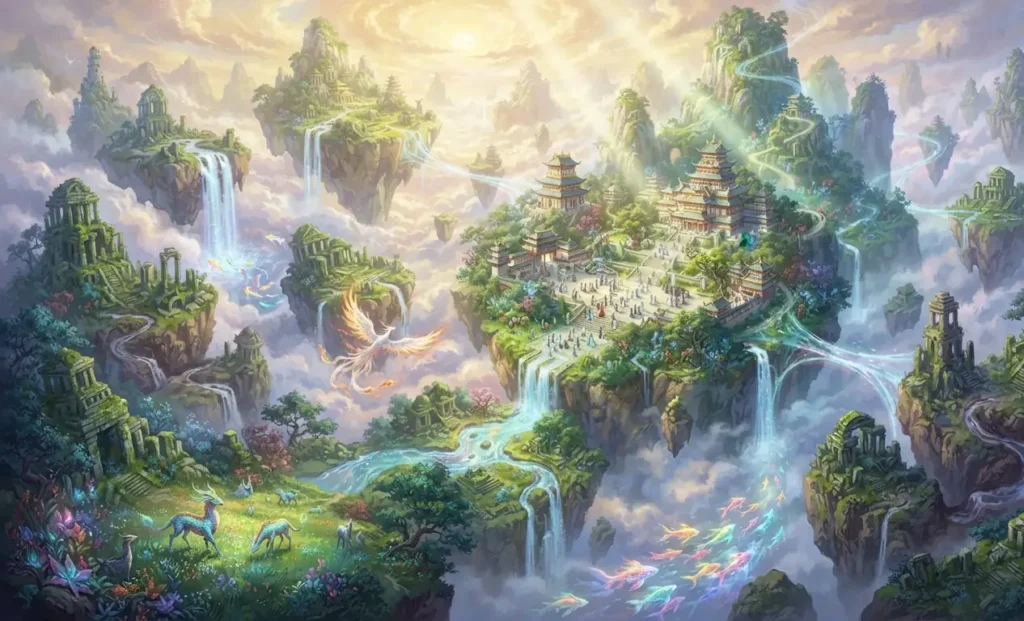
Above the Mortal Realm sits a middle tier, usually called something like the Immortal Realm, Spirit Realm, or Upper Realm depending on the author, characterized by significantly denser ambient qi and correspondingly higher personal cultivation ceilings for anyone living there.
Major sects, ancient clans, and genuinely powerful individual cultivators tend to be based here rather than in the thinner qi environment below.
This tier is often where a Mortal Realm protagonist’s ascension actually lands them, and it’s frequently structured as its own complete world in miniature, with its own politics, its own hierarchy of powers, and its own internal ceiling that will eventually need to be broken through in turn.
Ascension as the Connecting Mechanism
Movement between the Mortal Realm and this middle tier is usually gated behind a specific event, commonly called ascension, which typically requires reaching a sufficiently advanced personal cultivation stage before the transition even becomes possible.
Some novels frame this as a literal rift or formation that opens under specific conditions. Others frame it as a direct consequence of surviving a sufficiently powerful tribulation, the lightning filled trial I wrote about in an earlier piece on this blog.
Either way, the mechanism matters because it prevents world structure and personal cultivation realm from becoming completely independent variables. You generally can’t simply walk into a higher realm regardless of your personal strength. The two systems are linked, even though they measure genuinely different things.
The Divine Realm: Where the Genuine Powers Live
Gods, Not Just Strong People
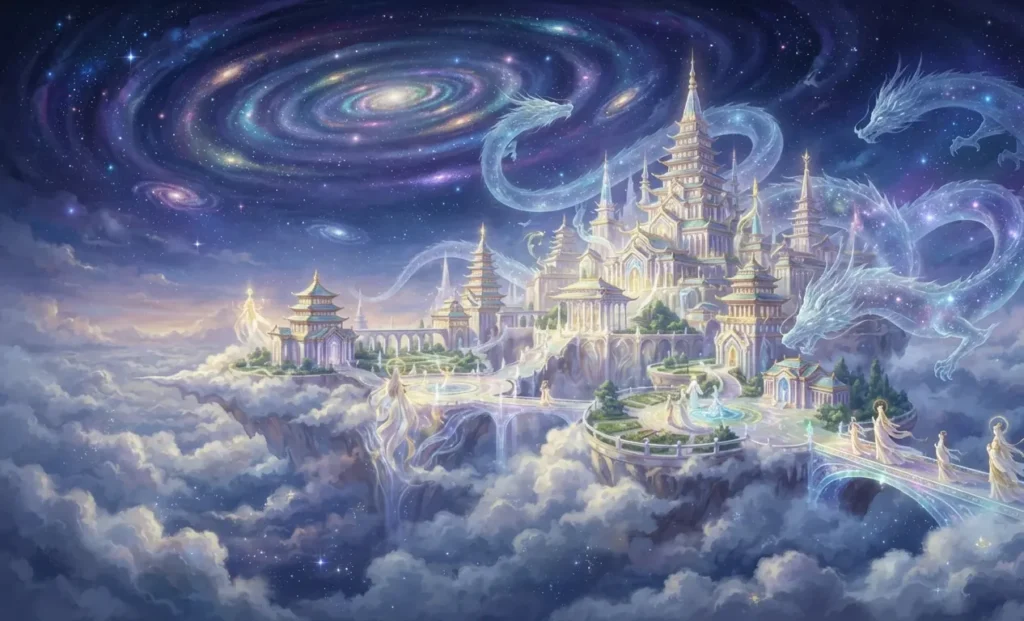
At the top of the standard structure sits the Divine Realm, sometimes called the Celestial Realm or Heavenly Realm, where the beings involved aren’t simply very strong cultivators anymore but genuine divine figures operating according to a completely different scale of existence. This is the tier where a novel’s actual pantheon usually resides, its emperors, its ancient sovereigns, its true immortals.
I’ve written extensively on this blog about the real Chinese Heavenly Court, the Jade Emperor, and the divine bureaucracy underlying Chinese folk religion, and cultivation fiction’s Divine Realm draws directly and obviously on that same source material, condensed into a single cosmic tier that a sufficiently advanced protagonist might eventually be allowed to enter.
I will add source material links at the bottom for those interested in Chinese Mythology and Folk Religion.
The Ceiling Keeps Moving
What I appreciate about a well constructed Divine Realm is that good authors resist making it the actual end of the map. The strongest novels treat it the same way they treated the Mortal Realm relative to the Immortal Realm, a tier that feels absolute and complete until the protagonist finally reaches it and discovers there’s further structure sitting above even this.
That refusal to let any single tier be the genuine final ceiling is, honestly, one of the things that keeps me reading these series past the point where a weaker constructed world would have already run out of places left to escalate toward.
What Fiction Actually Borrowed From Real Cosmology
The Real Three Realms
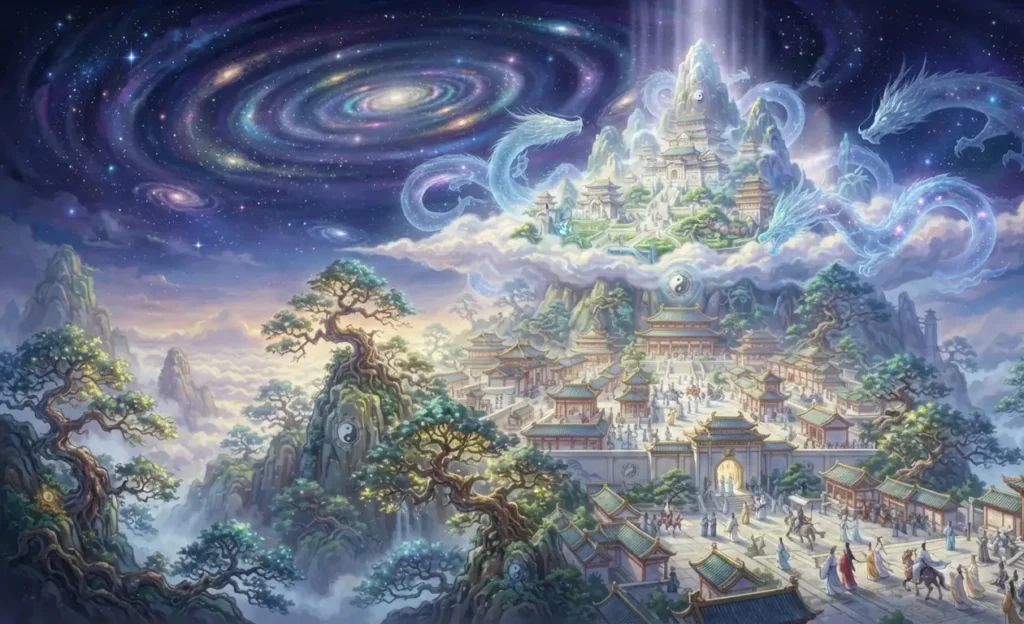
This entire structure draws directly on genuine Chinese cosmological frameworks rather than being invented from nothing. Chinese folk religion describes an actual Three Realms system, heaven, earth, and the underworld, governed through the divine bureaucracy I’ve covered in detail elsewhere on this site, with the Jade Emperor presiding over all three simultaneously.
Buddhist cosmology contributes its own tiered structure, the Trailokya or Three Realms of Buddhist thought, dividing existence into the desire realm, the form realm, and the formless realm, each with increasingly refined conditions of existence the further a being progresses along the Buddhist path.
Compression, Not Invention
What cultivation fiction actually does is compress these genuinely complex, occasionally overlapping real cosmological frameworks into a cleaner, more narratively legible three or four tier ladder that a protagonist can climb in a satisfying, trackable sequence.
The real traditions are considerably messier and more philosophically ambiguous than any single novel’s tidy Mortal to Immortal to Divine progression.
That compression isn’t a flaw. It’s exactly the kind of translation fiction is supposed to do, taking something genuinely old and philosophically dense and giving it a shape a reader can actually hold onto across a thousand chapters.
The Extra Realms Authors Like to Add
Demon Realms, Underworlds, and the Void Beyond Everything
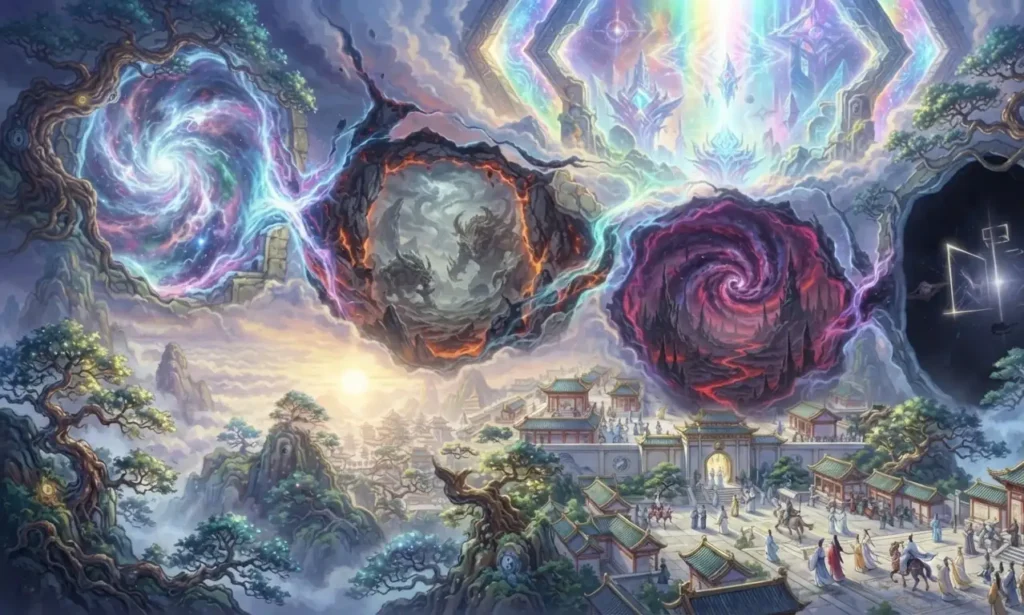
Beyond the standard three tier backbone, individual authors frequently add their own additional realms to suit their specific story.
Like in Nine Star Hegemon Body Art, A Demon Realm, populated by demonic cultivators operating under different rules than the main hierarchy, is extremely common. An Underworld or Netherworld, governing death and reincarnation, draws directly on the real underworld administration within the Three Realms tradition.
Some novels like Apotheosis – Ascension to Godhood even push past the Divine Realm entirely into a Chaos or Void tier, suggesting that even gods are operating within some further, barely comprehensible structure above them.
These additions are almost always genre invention rather than direct borrowing, but they’re built using the same underlying logic the real cosmological traditions established: existence is layered, movement between layers is difficult and meaningful, and power that looks absolute from below usually isn’t, once you finally see the layer above it.
Frequently Asked Questions
What’s the difference between cultivation realm and world realm?
Cultivation realm measures a character’s personal power tier, like Foundation Establishment or Core Formation. World realm refers to which actual plane of the cosmology that character currently lives in, like the Mortal Realm or Divine Realm. They’re related but genuinely separate systems.
Why can’t cultivators just cultivate infinitely in the Mortal Realm?
Most novels explain this through qi scarcity. The Mortal Realm’s ambient spiritual energy is too thin and slow to regenerate to support cultivation beyond a certain ceiling, regardless of a character’s individual talent, which is why ascension to a richer realm eventually becomes necessary.
Is the Divine Realm based on real Chinese mythology?
Yes, directly. It draws on the genuine Chinese Heavenly Court tradition, including the Jade Emperor and the divine bureaucracy governing heaven, earth, and the underworld, condensed into a single cosmic tier that fiction typically positions at the top of its world structure.
What triggers movement between world realms?
Most commonly, ascension, a transition gated behind reaching a sufficiently advanced personal cultivation stage, sometimes through a literal rift or formation, sometimes as a direct consequence of surviving a powerful tribulation. World structure and personal cultivation realm are usually linked rather than fully independent.
Why do some novels add a Demon Realm or Underworld beyond the standard three tiers?
These additions let authors introduce different rules, different factions, and different power sources without disrupting the main hierarchy. They’re largely genre invention, though the Underworld specifically draws directly on the real Chinese folk religious tradition of an actual afterlife administration.
Final Thoughts
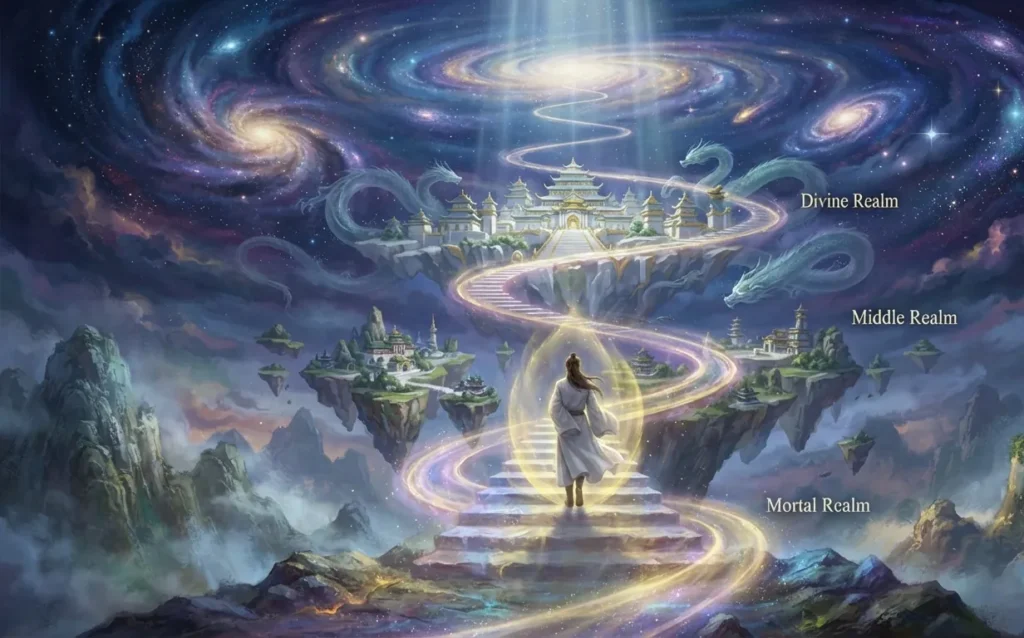
Mortal Realm, Immortal Realm, Divine Realm, and whatever additional layers a given author decides the story needs beyond that. It’s a genuinely elegant piece of world architecture once you see it clearly, and it’s built from real cosmological material considerably older and stranger than any single novel’s tidy three tier ladder lets on.
Next time a protagonist’s confident, world dominating strength suddenly looks like nothing the moment they cross into the next realm up, you’ll know exactly what’s actually happening structurally, and honestly, you’ll probably enjoy the moment more for understanding it.
Related Articles
- Best Xianxia Novels of 2026: From Hidden Gems to Legends
- 13 Best Cultivation Novels With No Harem [2026 Picks]
- 12 Best Cultivation Novels [Ranked by Genre Fans]
- 7 Female MC Cultivation Novels Where the Female MC Shines [2026]
- 9 Best Progression Fantasy Books 2026 [Ranked List]
- 13 Fantasy Genres Ranked: Which One Actually Suits You?
- How Fast Would You Die in a Cultivation Novel World?